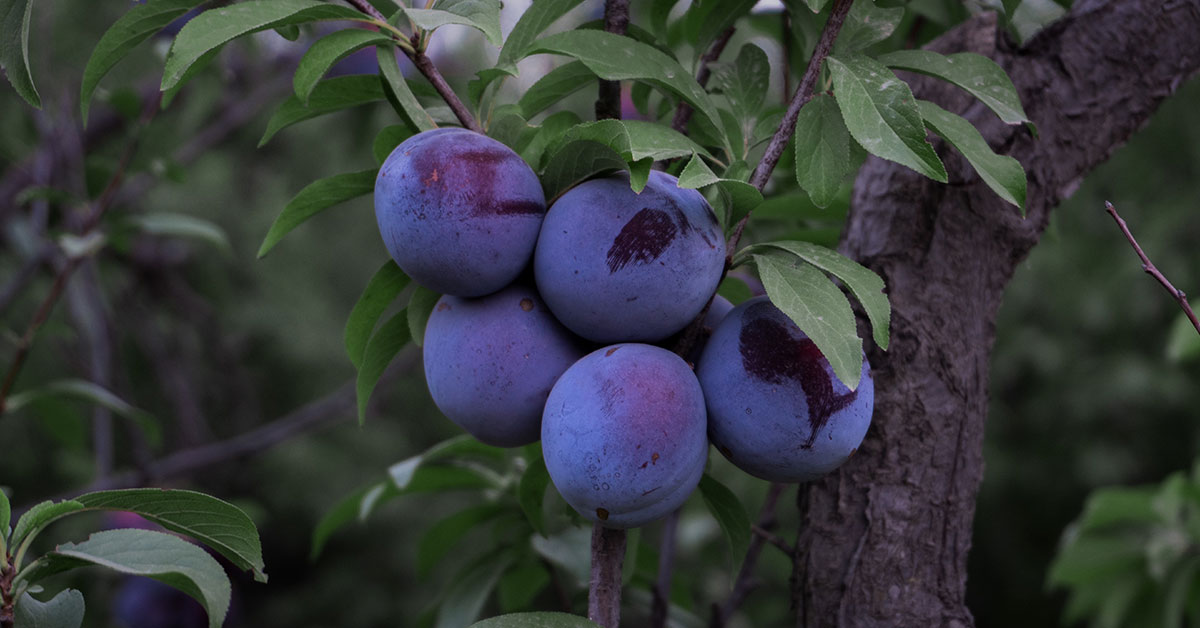

Nothing’s more disheartening than watching your plum trees burst into blossom only to set a handful of undersized fruit—or worse, drop them before maturity! I know how frustrating it is to invest time pruning, feeding, and watering, only to see so-so yields. With the right care, though, your plum trees can reward you with heavy harvests of sweet, juicy plums year after year.
In this guide, I’m sharing eleven in-depth tips—randomized to keep things fresh—from soil tweaks to pollinator partnerships and winter chill strategies. We’ll delve into plum origins in Eurasia, their non-invasive nature in most home orchards, and how creating habitat for beneficial insects to nest and forage can boost fruit set. Let’s dig in and help your plum trees thrive!
Encourage Pollinator-Friendly Companions

Planting nectar-rich flowers like lavender, borage, and salvia under and around your plum trees invites bees, hoverflies, and butterflies to visit. These pollinators nest in bare patches of ground, hollow stems, or under leaf litter—so leave small shelters at the base of your trees!
Plums (Prunus spp.) evolved in the wild woodlands of Europe and Asia alongside diverse pollinators. While they self-fertilize to some degree, cross-pollination by insects dramatically increases fruit number and size. By creating a mini insectary, you ensure every blossom has the best chance of becoming a plum.
Provide Adequate Winter Chill

Most plum varieties require a set number of chill hours (temperatures between 32–45°F) to break dormancy properly. I track local chill-hour averages and select cultivars accordingly—too little chill results in poor bloom and fruit set!
In their native temperate climates, plum trees experienced prolonged winters that triggered synchronized bud break. Without that cold cue, flowering can be erratic. If you’re in a marginal zone, consider pre-chilling container-grown trees indoors before planting to ensure they meet their chill requirements.
Thin Fruit for Bigger Plums
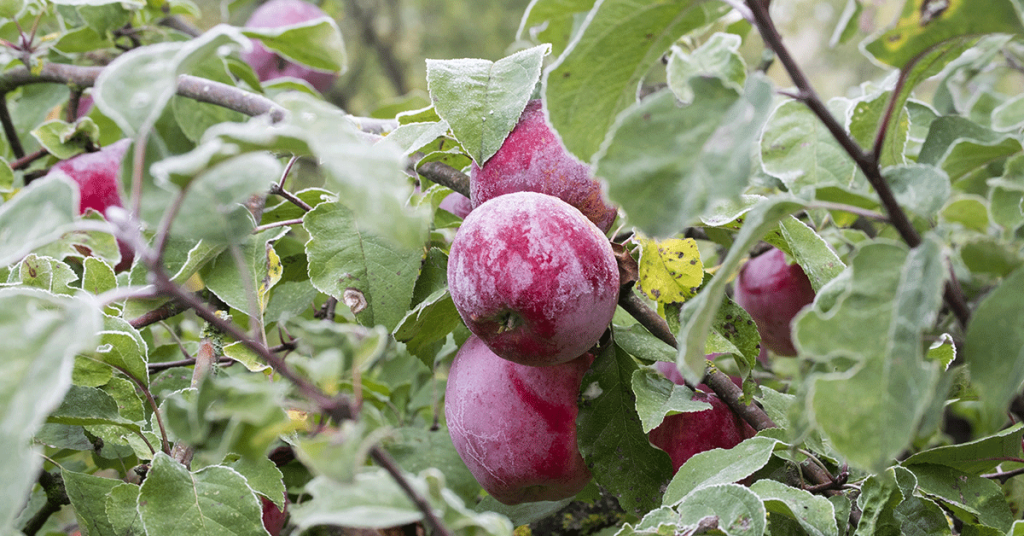
When tiny plums reach about marble size, thin clusters so that fruit are spaced 4–6 inches apart along the branch. This practice diverts the tree’s energy into fewer, larger fruits rather than many small ones!
In wild plum stands, birds and animals naturally thin fruit by selective feeding, leaving the fittest to mature. By manually removing excess fruit, you also reduce branch stress and breakage under heavy loads—plus, you’ll enjoy suppler, tastier plums at harvest.
Prune Strategically for Production
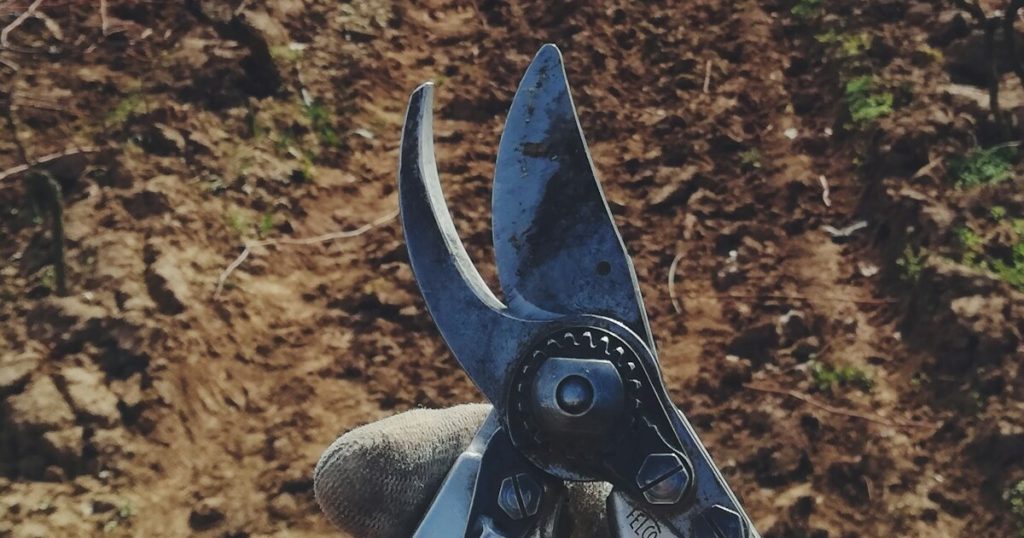
Pruning in late winter opens the canopy to light and air, encouraging abundant spur wood—the short, fruit-bearing branches. I remove inward-growing and dead wood first, then trim back long shoots to a healthy outward bud. This balance of scaffold limbs and fruit spurs maximizes bloom sites!
Plums aren’t invasive; they require careful training to maintain structure. Proper pruning also improves airflow, reducing fungal diseases and creating nesting spots for predatory beetles in the bark crevices. It’s one of my favorite annual rituals for a bumper crop!
Maintain Balanced Fertilization
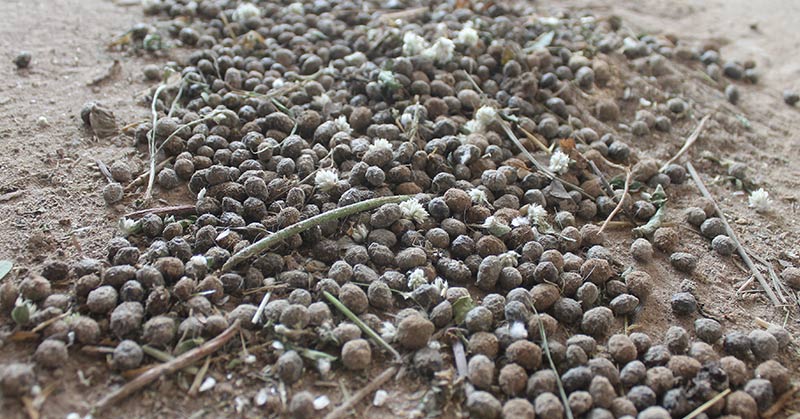
A feeding regimen of low-nitrogen fertilizer (e.g., 5-10-10 NPK) in early spring and again after fruit set supplies phosphorus and potassium for flowers and fruit. Avoid excessive nitrogen, which drives leafy growth at the expense of blossoms!
In their native Eurasian soils, plum trees thrived on moderate fertility. I supplement with composted manure or rock phosphate, which also encourage earthworms and soil microbes to nest in the root zone, improving nutrient availability and soil structure over time.
Ensure Proper Soil pH and Organic Matter

Plums prefer slightly acidic to neutral soil (pH 6.0–7.0). I test my soil annually and add lime or sulfur to adjust pH if needed. Working in 2–3 inches of well-rotted compost before planting boosts organic matter, improving moisture retention and nutrient exchange!
These trees evolved in loamy, humus-rich forest soils. By replicating that environment, you foster strong root systems that support heavy fruit loads. And since plums aren’t invasive, you can enrich freely without worrying about runaway roots.
Apply Mulch for Moisture and Weed Control
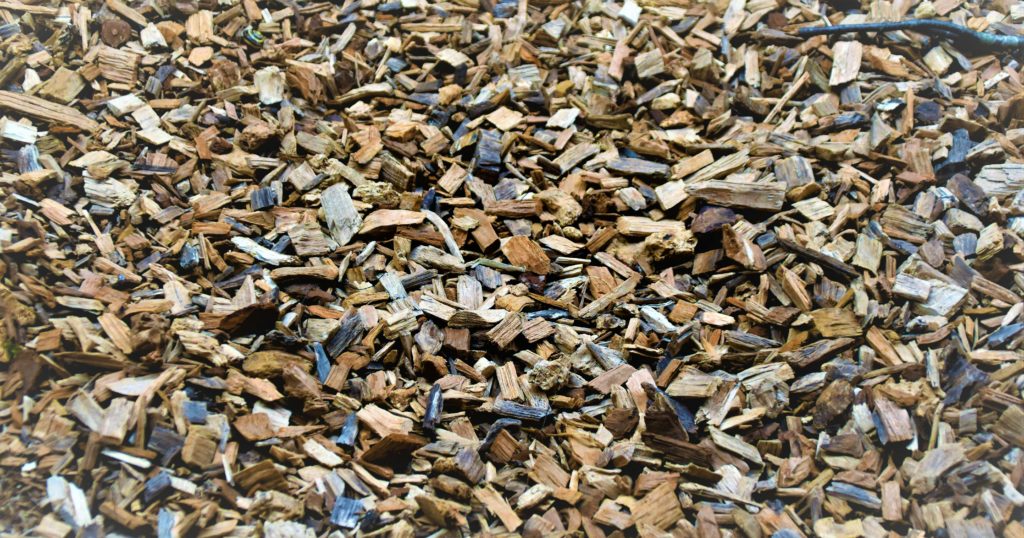
A 3-inch layer of shredded bark or straw around the drip line conserves water, suppresses competing weeds, and moderates soil temperature. I keep mulch a few inches away from the trunk to prevent rot and encourage beneficial ground-dwelling insects to nest under the canopy!
Mulch mimics the leaf litter of plum’s native woodlands, slowly decomposing to feed the soil. Earthworms and predatory ground beetles love living in the mulch, helping to aerate the soil and control slugs or grubs that might harm roots.
Water Deeply, Especially During Fruit Development

Plum trees require consistent moisture from bloom through harvest. I water deeply—so the top foot of soil is evenly moist—about once a week in dry weather. This encourages roots to explore deeply, making trees more drought-resilient and productive!
In their natural range, plum trees experienced summer rains followed by dry spells. Mimicking that cycle prevents blossom drop and small, shrunken fruits. Just be sure to reduce watering as harvest ends, letting the tree prepare for dormancy.
Protect Blooms from Late Frosts

A surprise late frost can decimate spring blossoms. I cover my youngest trees with frost cloth or old bedsheets during predicted freezes, securing edges with soil or stones. This barrier traps ground heat and shields delicate flowers until dawn warms the air!
In Europe and Asia, plum trees relied on location—sheltered hollows and slopes—to avoid frost pockets. While not invasive, our yard layouts may expose blossoms to cold. A little preventive covering can save entire harvests from one chilly night.
Attract Beneficial Insects Naturally
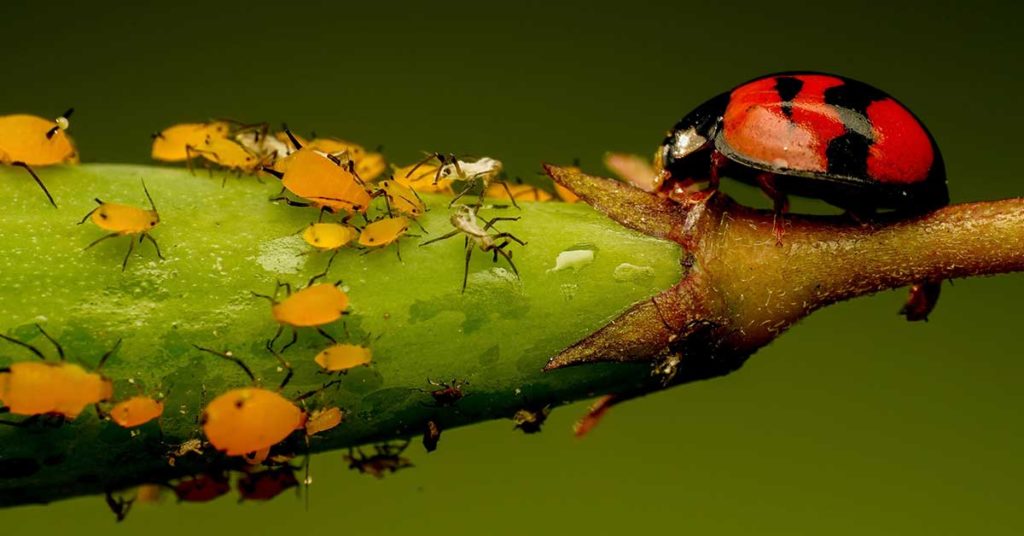
Integrate flowers like alyssum and yarrow into your orchard understory to lure lacewings, parasitic wasps, and ladybugs. These predators hunt plum pests such as aphids and caterpillars, nesting in the dense foliage. Their presence reduces the need for chemical sprays!
Wild plum stands depended on such balanced ecosystems. By fostering beneficials, you maintain a healthy orchard where pest outbreaks are rare. Watching lacewing larvae and beetles go to work is one of the most satisfying sights in my garden!
Implement Organic Pest & Disease Management
For issues like plum curculio or brown rot, I start with cultural controls—proper pruning and ground cleanup to reduce overwintering sites—then apply organic sprays (kaolin clay or neem oil) at bloom and pre-harvest. Spot treatments keep fruit healthy without wiping out beneficial insects!
Plums are susceptible to several diseases, but none are invasive threats to other plants. Early detection and targeted, minimal intervention ensure healthy trees and abundant fruit without harming the ecosystem you’ve worked to build.