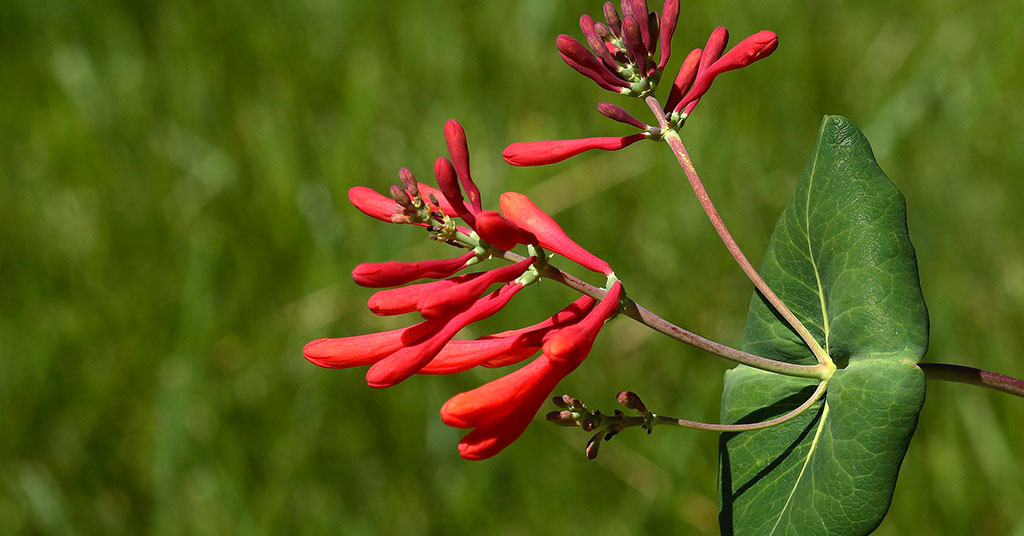

There’s something utterly enchanting about honeysuckle’s fragrant blooms winding through a trellis or cascading over a fence—truly one of my favorite spring-time delights! Yet it’s such a bummer when those lush vines sulk, produce fewer flowers, or refuse to climb as intended. I know the frustration of envisioning a tunnel of sweet-smelling blossoms only to end up with sparse foliage and frustrated hummingbirds.
In this article, we’ll cover eleven non-negotiables for growing vigorous, blooming honeysuckle—drawing on my own trials (and a few pruning mishaps!). From mimicking their native habitats to managing their sometimes-invasive tendencies, you’ll get the full scoop on what your Lonicera really craves. Let’s dive in and give your honeysuckle the TLC it truly deserves!
Adequate Watering
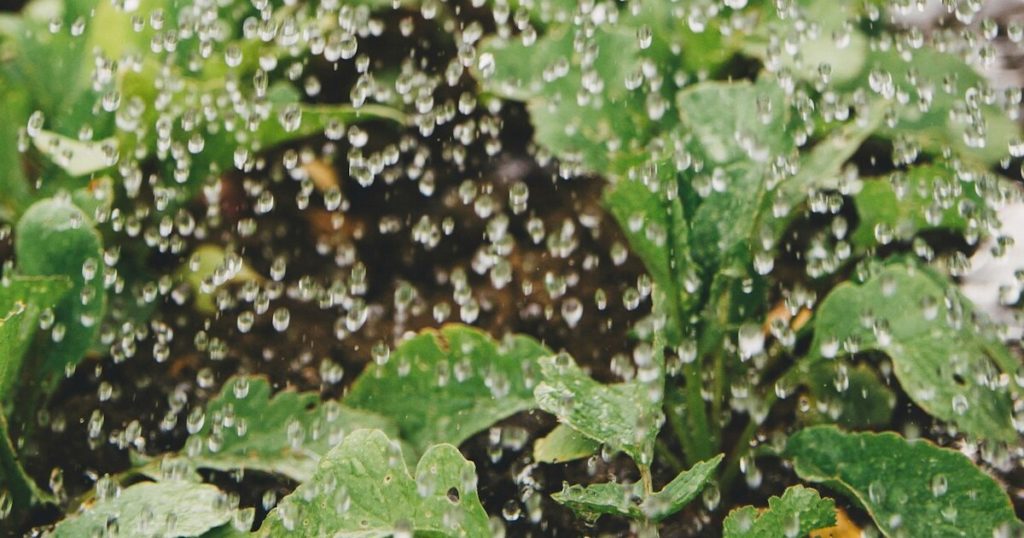
Honeysuckles (Lonicera spp.) hail from temperate woodlands and riverbanks where they experience regular moisture. Inconsistent watering can cause wilting, poor flowering, and leaf yellowing. I once let mine dry out in a hot spell, and the new shoots simply curled instead of climbing—such a disappointment!
Aim for deep watering once or twice a week, depending on rainfall, to keep the root zone evenly moist but not soggy. Consistent moisture encourages healthy root growth, supports those heavy, nectar-laden blossoms, and attracts nesting hummingbirds that sip the sweet nectar right off the vine!
Well-Draining Soil
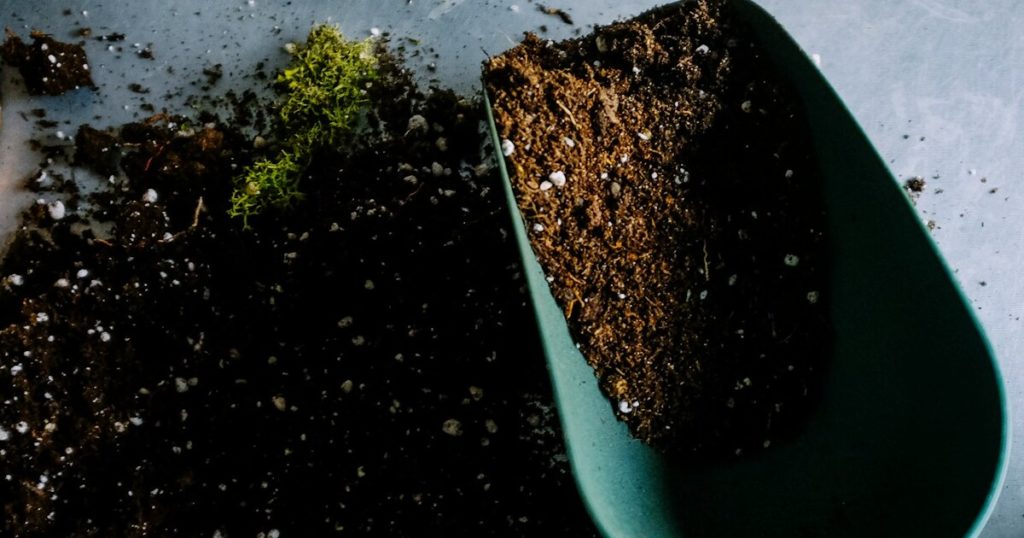
While honeysuckle appreciates moisture, it hates “wet feet.” Clay soils that hold water can lead to root rot and stunted growth. My arbor vine struggled in my backyard’s compacted clay until I amended the bed with compost and coarse sand—overnight, it perked right up!
A loose, loamy mix mimics the forest-edge soils these vines evolved in and provides the oxygen roots need. Healthy roots not only support vigorous growth but also foster beneficial soil fauna—earthworms, predatory beetles, and soil-nesting bees—that help keep pests in check!
Strong Support Structure

Honeysuckles are natural climbers, twining around supports in their native woodlands. Without a sturdy trellis, arbor, or fence, vines can sprawl messily on the ground, blocking pathways and inviting slugs. I once planted mine next to a flimsy lattice that rusted away—lesson learned the hard way!
Install a durable structure capable of bearing mature weight before planting. As shoots reach upward, they’ll spiral joyfully toward the light, displaying their tubular flowers where hummingbirds, butterflies, and nesting orioles can easily access the nectar!
Full Sun to Partial Shade

Most honeysuckle varieties flourish in full sun (6+ hours daily), producing more blooms and stronger fragrance. However, extremely hot afternoon sun can scorch leaves, especially for shaded-forest species like Lonicera japonica. I moved mine to an east-facing spot, and it bloomed without singed edges!
Aim for morning sun and afternoon dappled shade—this replicates the light patterns of woodland margins. Proper light not only maximizes flower count but also supports balanced growth, giving pollinators plenty of landing platforms without wilting in midday heat.
Regular Pruning
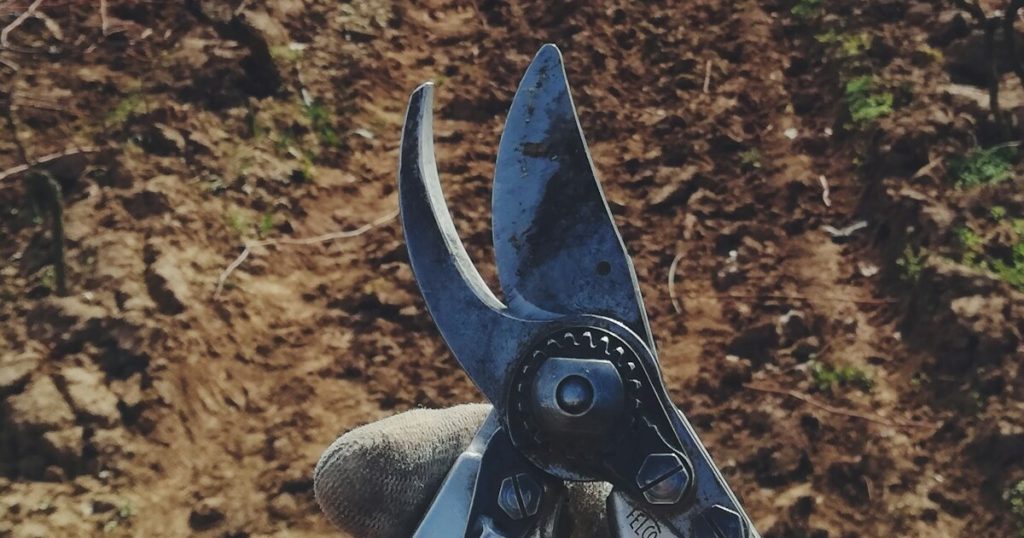
Honeysuckle’s vigorous growth demands routine trimming to prevent tangles and encourage fresh blooms. Neglecting pruning can result in woody, unproductive canes and fewer flowers over time. I once let mine grow unchecked for two years and ended up hacking through a tangled mass—definitely not the gentle trim I’d hoped for!
Prune immediately after flowering, cutting back spent shoots to a healthy pair of buds. This timing mimics natural die-back cycles and stimulates new growth, ensuring hummingbirds and bees have a continuous nectar source throughout the season!
Balanced Fertilization
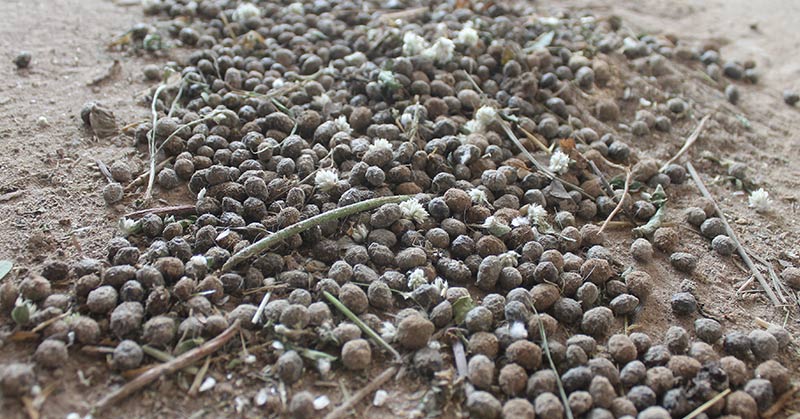
While honeysuckles aren’t heavy feeders, they benefit from a light application of balanced fertilizer (10-10-10) in early spring. I once skipped feeding and lamented sparse blossoms—adding a sprinkle of composted manure transformed the vine into a bloom factory!
Avoid high-nitrogen formulas that encourage leaf growth at the expense of flowers. A balanced nutrient boost supports both lush foliage for bird nesting cover and prolific floral display that pollinators adore.
Mulch Layer
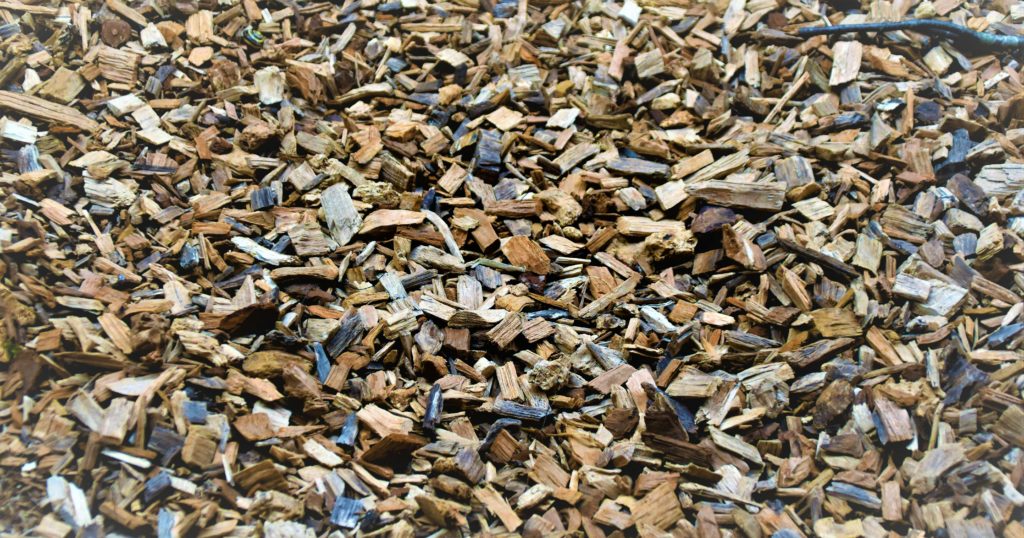
A 2–3 inch layer of organic mulch—like shredded leaves or bark—helps retain moisture, suppress weeds, and regulate soil temperature. Mulch also mimics the leaf litter of honeysuckle’s woodland origins, slowly releasing nutrients as it breaks down. I mulch around mine each spring, and the difference in soil health is night and day!
Mulch creates a cozy habitat for beneficial ground beetles and predatory wasps that hunt aphids and caterpillars. Those insect allies patrol your honeysuckle, keeping pests at bay so your blossoms can shine uninterrupted!
Pest Monitoring
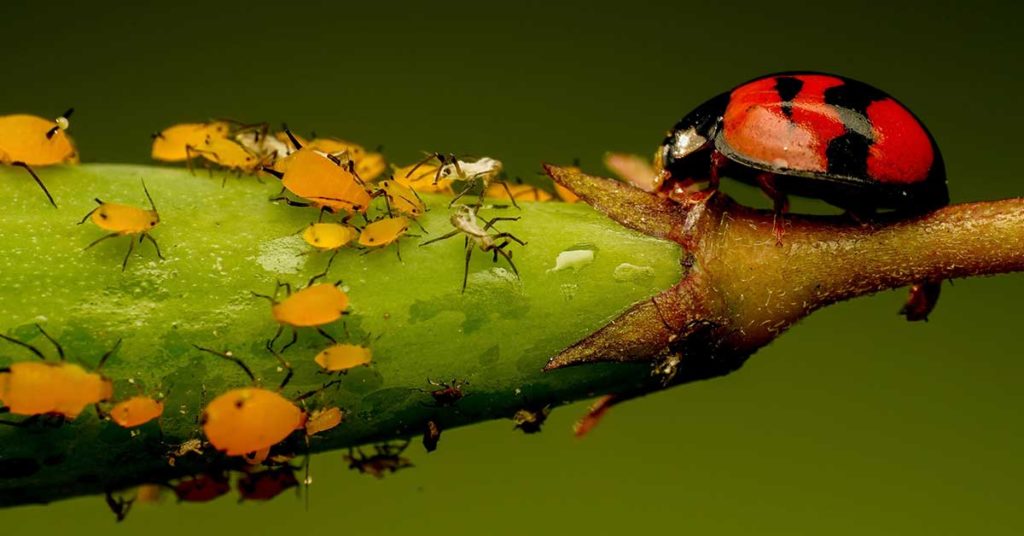
Honeysuckles can attract aphids, scale, and spider mites, which suck sap and stunt flowering. I once ignored early aphid signs, and by the time I noticed sticky honeydew, the vine’s vigor had plummeted! Checking leaves—especially new growth—weekly helps catch infestations early.
Treat minor outbreaks with insecticidal soap or a strong water spray. Encouraging ladybugs and lacewings by planting nearby dill or yarrow also provides natural pest control. Healthy, pest-free canes yield more nectar for hummingbirds and swallowtails alike!
Pollinator-Friendly Companions

Interplanting honeysuckle with borage, phlox, or native milkweeds ensures a continuous buffet for pollinators. One of my favorite pairings is honeysuckle next to bee balm (Monarda didyma), attracting hummingbirds and bees in delightful harmony!
These companion blooms also draw predatory insects that patrol your vine for pests, creating a balanced ecosystem that supports vibrant honey-scented flowers and healthy wildlife behavior, like nesting bees using hollow stems for brood chambers.
Winter Protection
Hardy species like Lonicera periclymenum can withstand cold snaps, but late-season pruning or frost exposure to new growth can damage canes. I once trimmed mine in late fall and lost half the vine to winter die-back—ouch!
Protect young vines with a layer of straw mulch around the base and burlap wraps in exposed areas. This insulation mimics the mild forest-floor cover honeysuckles naturally benefited from, preserving buds and ensuring a robust spring bloom!
Invasive Species Management

While Asian honeysuckles (e.g., Lonicera japonica) offer prolific blooms, many are considered invasive in North America, outcompeting native flora. I replaced my Japanese honeysuckle with the non-invasive native trumpet honeysuckle (Lonicera sempervirens) and was thrilled with its beauty and bird-friendly behavior—without ecological guilt!
Choosing native varieties supports local ecosystems and prevents your garden from becoming a source of runaway vines. Native honeysuckles attract the same pollinators and nesting birds—like hummingbirds and warblers—while preserving biodiversity in your area!