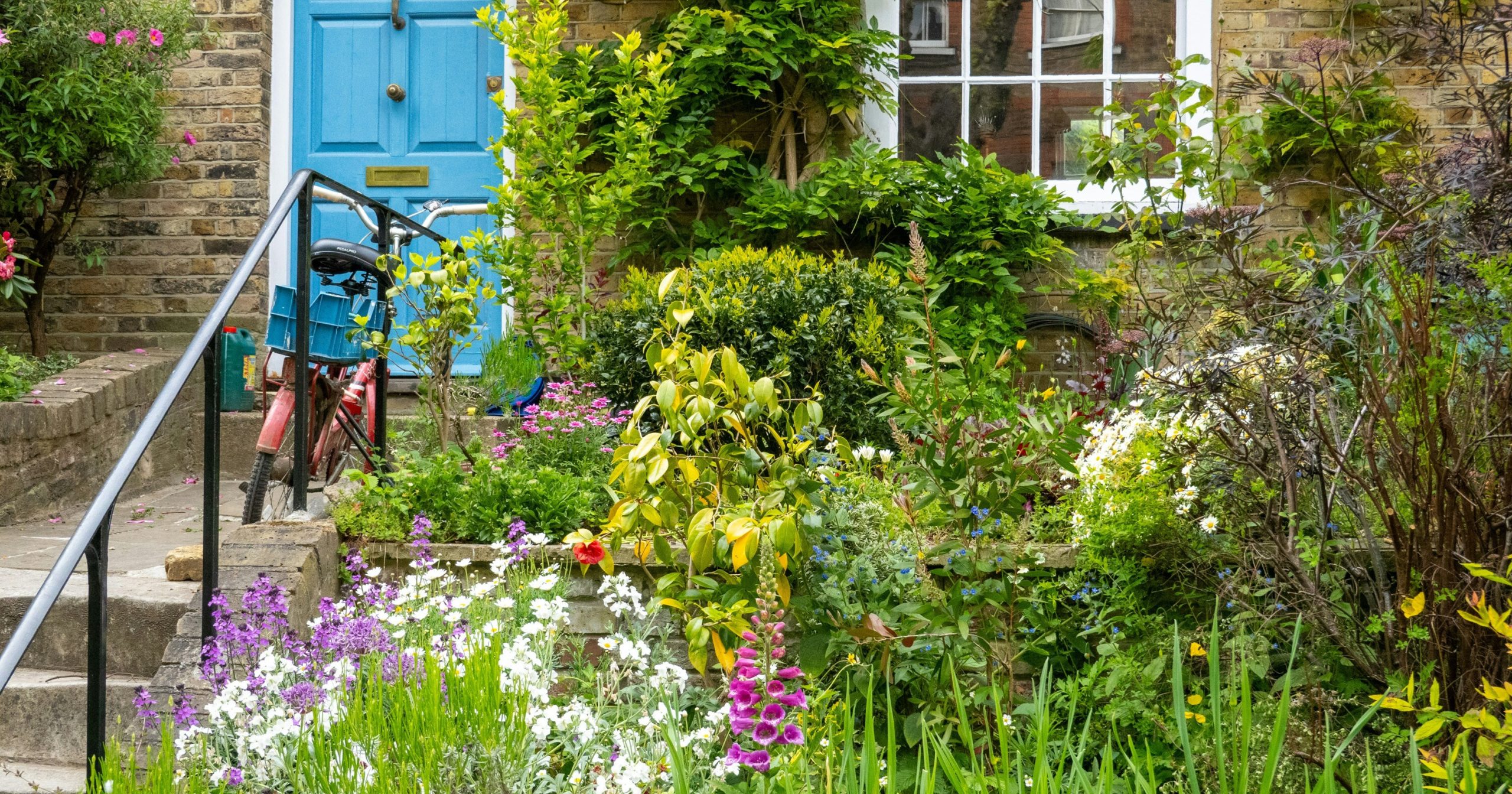

Gardening season swings into full gear by June, and there’s nothing more disheartening than realizing you’ve missed key prep steps—especially when the weather warms and weeds, pests, and thirst strike all at once! I know how frustrating it is to scramble for supplies when seedlings are wilting or vines flop under their own weight. That’s why I’m here, brimming with excitement, to share the eleven essentials every budding gardener should have in place before summer truly arrives.
From nourishing your soil to inviting pollinators and setting up water systems, these necessities will transform your patch into a vibrant, resilient oasis. I’ve learned through more than a few muddy misadventures that having these in place early not only saves your sanity but makes the garden hum with life—literally!
Native Pollinator Plants

One of my favorite ways to invite buzzing life into the garden is planting a selection of native wildflowers—like Echinacea purpurea, Solidago spp., and Monarda fistulosa. These homegrown heroes evolved alongside local bees, butterflies, and other beneficial insects, so they offer the exact nectar and pollen profiles that our native pollinators crave! It’s such a thrill when mason bees nest in nearby tubes and bumblebees trundle from flower to flower on these familiar blooms.
Because these plants are adapted to regional climates, they rarely become invasive and often require less watering once established. By mid-June, you’ll already see early blossoms, which means you’re providing food for early-emerging solitary bees and skipper butterflies. Plus, their deep roots help improve soil structure, so you get a win–win of beauty, biodiversity, and soil health!
Drip Irrigation System

Hydration is critical when daytime highs spike, and drip irrigation delivers water directly to the root zone without drowning foliage or encouraging fungal diseases. Installing a basic drip tape or soaker hose system before June ensures your young transplants won’t suffer from summer heat stress. I remember the relief of seeing my tomato seedlings thrive rather than wilt!
This slow, targeted watering also attracts earthworms—nature’s tillers—and helps maintain consistent soil moisture, which in turn supports ground-nesting bees and other beneficial soil fauna. A well-tuned drip system reduces evaporation loss by up to 50%, so you’re conserving water and promoting a healthier, more active soil ecosystem.
Compost Pile

Every gardener should have a designated spot for composting kitchen scraps, yard waste, and grass clippings. By early June, your pile will have broken down into rich, crumbly humus, loaded with earthworms and microbial life—essential for nutrient cycling and soil fertility. I’ve dug my hands into many compost batches and love the earthy aroma that signals readiness!
Compost not only feeds your plants but also provides habitat for ground-dwelling beneficial insects, including rove beetles and springtails, which help suppress pests. Layer on a 1–2 inch mulch of finished compost around seedlings to retain moisture and encourage nesting sites for ground-nesting pollinators!
Beneficial Insect Habitat
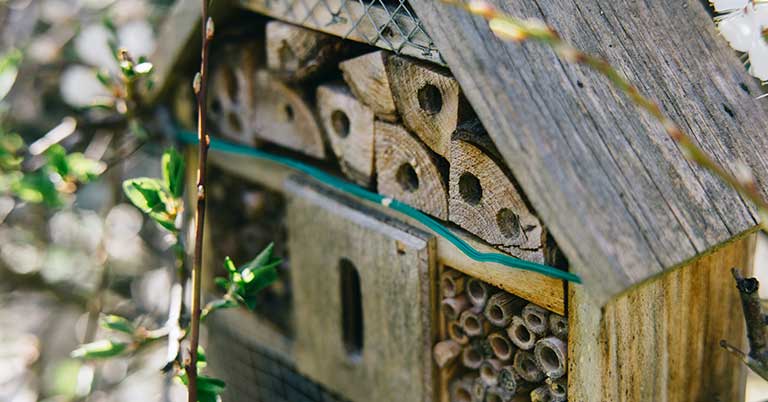
Beyond flowers, your garden can host insects that prey on pests. Installing a simple insect hotel—bundles of hollow stems, pine cones, and drilled blocks—gives solitary bees and predatory wasps safe nesting sites. I built my first hotel from scrap wood last spring, and by June, it was abuzz with tiny mason bees!
These beneficial insects patrol your garden, targeting aphids, caterpillars, and other nuisances. Placing the habitat near sunny, sheltered spots enhances occupancy rates. Watching them at work is a joy—knowing your ecosystem balances itself as nature intended!
Garden Journal

You might not think of a notebook as a garden essential, but tracking planting dates, bloom times, pest outbreaks, and harvest yields helps you fine-tune your strategies year after year. I jot down every success and misstep, from “zucchini planted too late” to “kale bolted after heatwave,” so I can adjust timing in future seasons.
This record also helps you note nesting patterns of bees and butterflies—when your bumblebees started brooding, or which flowers lured honeybees last June. Over time, you’ll build a rich database that guides not only what to plant but when to install supports, shade cloth, or drip irrigation for optimal results!
Shade Cloth

By June, the sun’s rays can scorch tender seedlings and delicate lettuce heads. A lightweight shade cloth draped over hoops or frames can reduce heat stress, prevent bolting, and protect young foliage from sunburn. I’ll never forget how my arugula stayed crisp through an early heatwave all because of one simple shade sail!
Shade cloth also moderates soil temperature, benefiting moisture retention and encouraging soil microbes to stay active. Cooler, damp soils are a magnet for earthworms and tunneling bees, which prefer moderate conditions for nesting and foraging.
Soil Test Kit

Understanding your soil’s pH and nutrient balance before the growing frenzy begins is priceless. A basic home test kit lets you measure pH, nitrogen, phosphorus, and potassium—so you know exactly what amendments to add. I once discovered my garden was acidic enough to stunt my peppers, and a quick lime application changed everything!
Correcting imbalances early prevents nutrient lockout and supports healthy root development. Well-balanced soil attracts a host of soil-dwelling organisms—nematodes, beetles, and springtails—that contribute to nutrient cycling and aeration, setting the stage for robust growth by June.
Cover Crops

Planting a quick-growing cover crop—like buckwheat, clover, or rye—in empty beds during early spring can suppress weeds, add organic matter, and protect soil from erosion. By June, you’ll be ready to chop and drop these green manures, enriching the soil just in time for your summer vegetables.
Cover crops also flower, attracting pollinators and predatory insects. Buckwheat’s tiny white blooms, for instance, lure hoverflies that feast on aphids. I love watching those delicate visitors while my cover crops do the heavy lifting!
Water Source
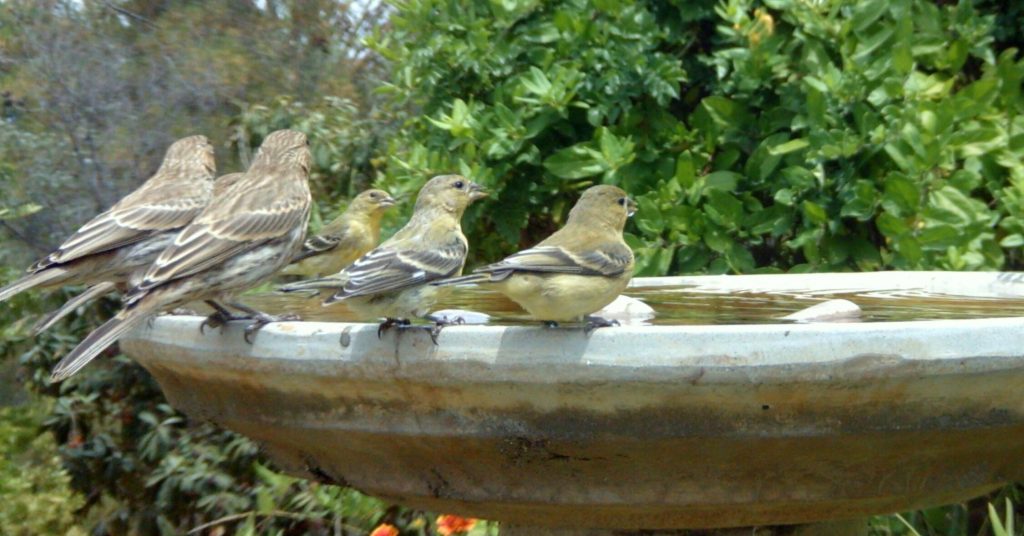
A simple water feature—a shallow birdbath, dripping fountain, or even a low saucer with stones—gives bees, butterflies, and hummingbirds a safe place to drink. Pollinators need water, especially as temperatures climb in May and June. I’ve arranged flat dishes with pebbles so bees can land without drowning, and it’s become a lively hot spot!
Adding a few sprigs of fresh mint or basil to the water can deter mosquitoes while still inviting beneficial visitors. Keeping the water fresh encourages repeat visits, and watching them sip and preen is one of the garden’s greatest pleasures.
Mulch
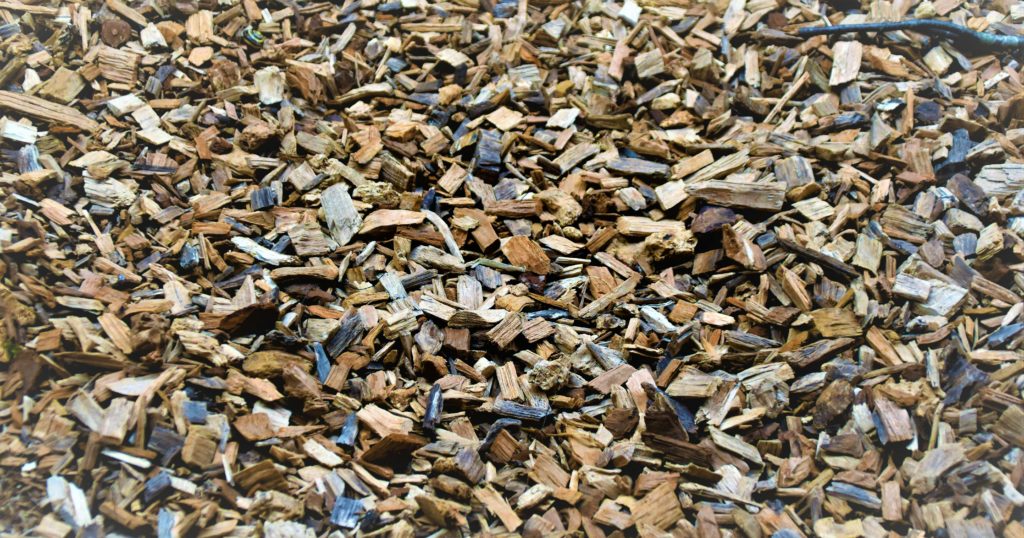
Applying a 2–3 inch layer of organic mulch—straw, shredded leaves, or wood chips—around your plants before June helps conserve moisture, suppress weeds, and regulate soil temperature. My strawberries and peppers have thrived under a comfy mulch blanket that keeps the soil cozy and damp!
Mulch also provides shelter for ground beetles, sow bugs, and other critters that consume slugs and caterpillars at night. A diversified mulch layer fosters a balanced micro-ecosystem that supports pollinator nesting and pest control alike.
Support Structures
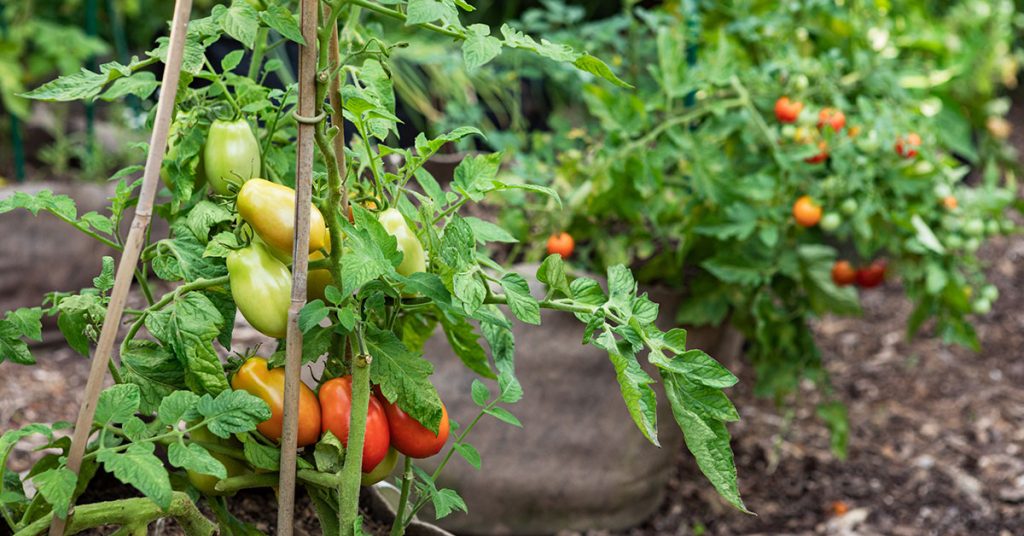
Tall tomatoes, climbing peas, and vining cucumbers all need sturdy supports to stay off the ground and prevent rot. Before June’s rapid growth surge, install cages, trellises, or bamboo stakes so your plants can climb upward. I once let my cukes sprawl unchecked and ended up with a muddy mess—lesson learned!
Elevated vines also improve airflow, reducing fungal disease risk, and make blossoms more visible to pollinators. Hummingbirds and long-tongued bees can easily access elevated flowers, leading to better fruit set and a garden that’s a buzzing, humming spectacle.