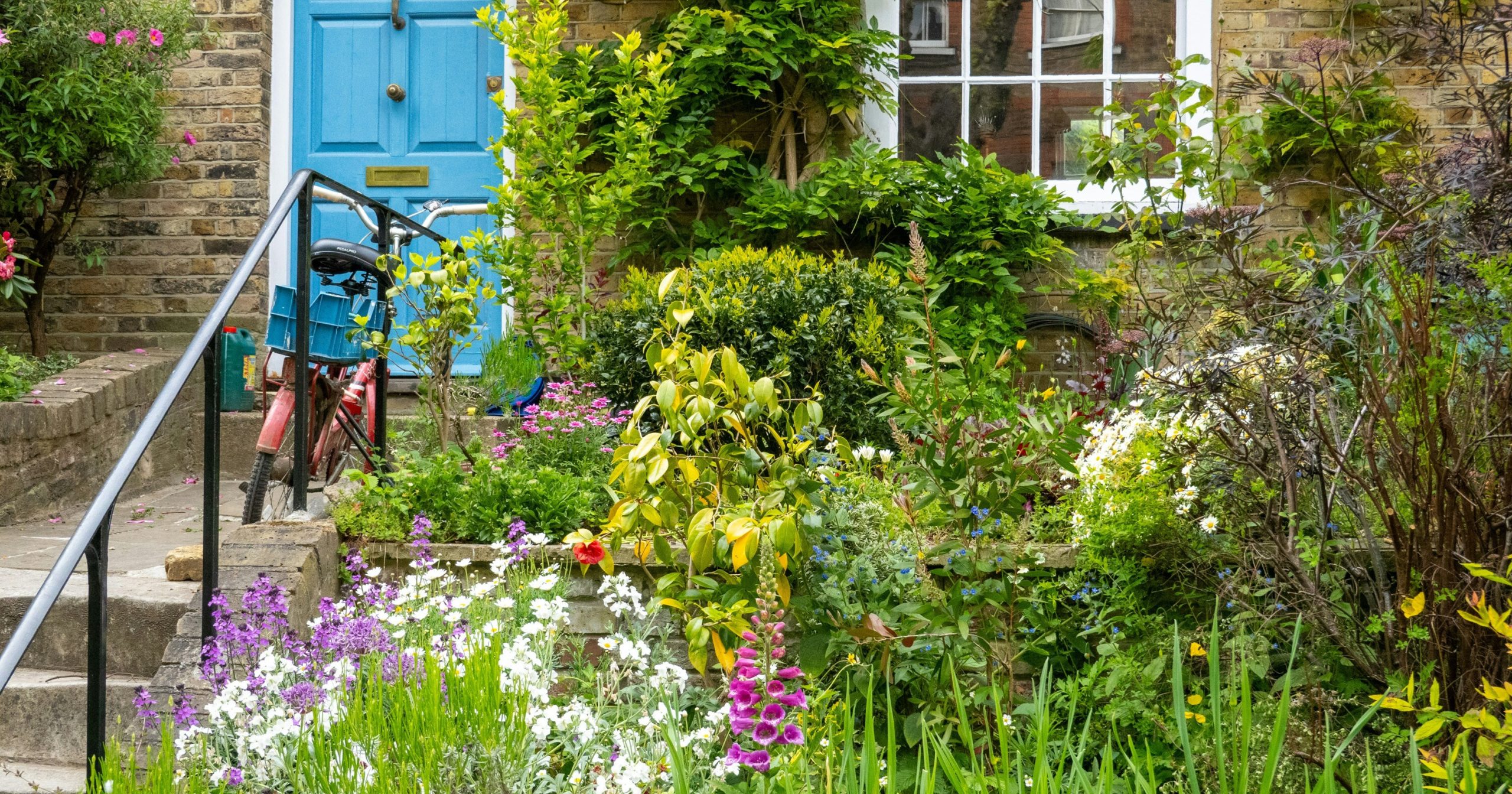

Master gardeners have seen it all—those hopeful first-time plantings, the late-night weeding marathons, and yes, the all-too-tempting impulse purchases of every shiny new seed packet! But over the years, they’ve also noticed a string of common missteps that trip up many eager newcomers. If you’ve ever felt like you’re doing everything right yet your garden still throws tantrums—yellowing leaves, slug invasions, or seeds that just won’t sprout—take heart! Even the best gardeners learn the hard way sometimes.
In this article, I’ll share eleven things experienced gardeners wish beginners would stop doing. Each tip is grounded in decades of horticultural experience—ranging from soil science to wildlife ecology—so you can skip the rookie mistakes and cultivate a thriving, balanced ecosystem. From understanding native species (and avoiding invasive offenders) to mastering water routines, we’ll cover practical advice sprinkled with enthusiasm, empathy, and a dash of gardener’s humor. Let’s dig in!
Planting Invasive Ornamentals Just Because They Look Pretty

It’s such a bummer when you learn that a gorgeous flowering shrub you nabbed at a big-box nursery can take over your entire yard—and even spread into nearby wild areas! Many invasive plants, like Japanese barberry or purple loosestrife, may bloom beautifully and lure pollinators, but they displace native species, reducing biodiversity. Instead, choose regionally appropriate natives like New Jersey tea (Ceanothus americanus) or black-eyed Susan (Rudbeckia hirta), which support local pollinators and encourage native butterflies and bees to nest in your garden.
I remember when I first fell head over heels for a nursery display of glossy Japanese honeysuckle vines—those fragrant blooms! But my master gardener mentor gently reminded me that Lonicera japonica can choke out native woodland plants and steals resources from birds and beneficial insects. Let’s face it, it’s tempting to go for instant gratification, but planting natives—like trumpet honeysuckle (Lonicera sempervirens), which is native to much of the Eastern U.S.—means you’re fostering a healthy garden habitat where hummingbirds and butterflies nest and thrive, rather than fueling an ecological takeover.
Skipping Soil Testing and Amendments

I know how frustrating it is to slap down a handful of generic fertilizer and hope for the best, only to see your tomatoes sulk and your peppers drop blossoms! Without a soil test, you’re essentially gardening blind. Soil pH and nutrient imbalances—whether you have heavy clay or overly sandy loam—can inhibit a plant’s ability to take up essential nutrients, and that’s exactly when pests sense weakness. Conduct a simple pH and nutrient test (available at local extension offices) to ensure your soil isn’t too acidic for blueberries or too alkaline for most vegetables.
Once you know your soil’s composition, you can amend it properly—adding garden lime to raise pH or elemental sulfur to lower it, blending in compost to boost organic matter, and ensuring good drainage. When you do, your plants’ roots will grow deep and robust, attracting beneficial earthworms that aerate the soil and create perfect little tunnels for moisture distribution. Trust me, adding a couple inches of rich compost around that basil or squash patch will feel like a garden miracle, and you’ll avoid the lost time and frustration of dead seedlings.
Overwatering (and Occasionally Underwatering)
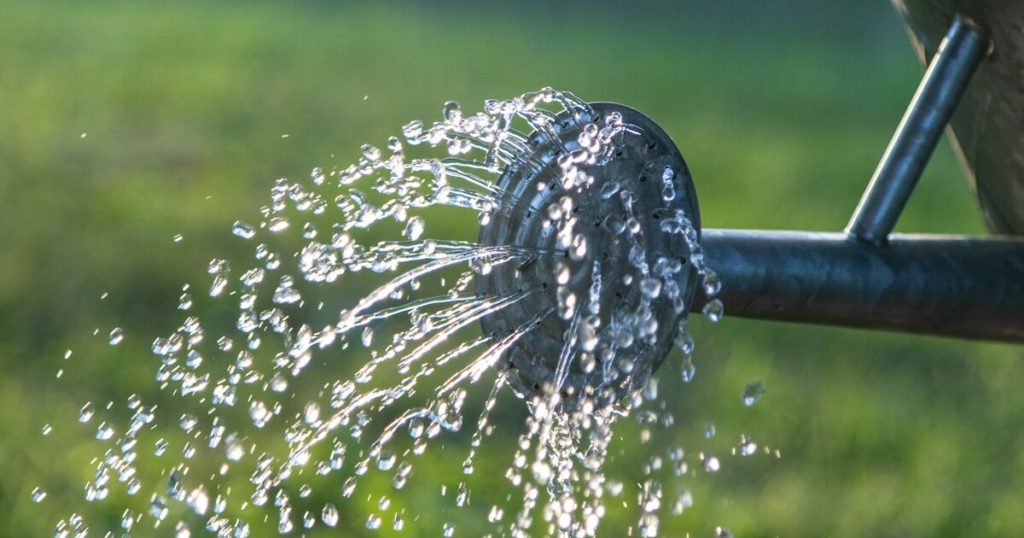
One of my best gardening friends was mortified when her basil started drooping—even though she’d dutifully watered every morning! Overwatering suffocates roots, leading to rot and inviting fungal diseases like damping-off, which can be a death sentence for tender seedlings. Conversely, underwatering causes stress, weakens the plant’s natural defenses, and leaves it vulnerable to aphids or spider mites seeking nesting spots. Striking that balance is an art: water deeply but infrequently, allowing soil to dry slightly between sessions.
A simple trick I love is to test the soil moisture by sticking a finger two inches into the ground—if it feels dry at that depth, it’s time to water; if it’s still damp, give it another day. During our scorching summer weeks, I switch to early-morning watering to reduce evaporation and ensure pollinators like bees can forage in cooler hours without being startled by a sudden shower. Remember, native plants—like purple coneflower (Echinacea purpurea) from the central U.S. prairies—often thrive with less frequent watering due to their drought-tolerant genetics, whereas exotics may need more consistent moisture. Understanding each plant’s origin and water needs will save you from constant yo-yoing between soggy and parched.
Planting Seeds or Seedlings Too Densely
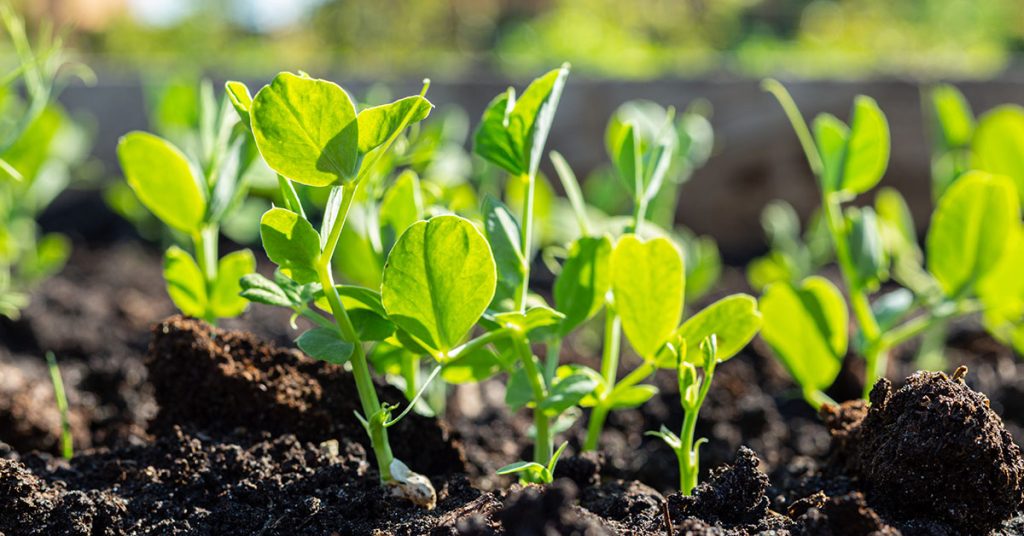
It’s oh-so-tempting to cram every square inch with seedlings because you’re eager for a lush, full garden. But overcrowding reduces airflow, creating a cozy, humid environment where powdery mildew and other fungal diseases love to nest. Plus, plants fighting for root space and nutrients tend to become leggy and weak, making them easy targets for pests like cabbage loopers on your broccoli or tomato hornworms on your heirloom tomatoes.
One of my favorite approaches is using the “thinning” method: sow slightly more seeds than you need, then gently thin to the recommended spacing once seedlings develop their first true leaves. For instance, lettuce seedlings, native to the Mediterranean but grown widely, should be spaced at least six to eight inches apart to prevent damping-off disease and to ensure each plant receives ample nutrients. Trust me, giving seedlings room to stretch their roots and bask in sunlight will pay off in a robust, high-yielding crop—and you’ll avoid the frustration of replanting fall vegetables because your spring greens didn’t make it!
Ignoring Companion Planting and Benefits of Diversity
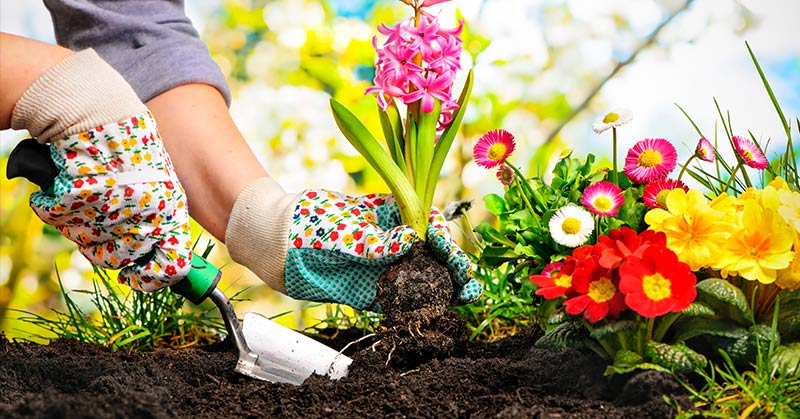
It breaks my gardener’s heart when I see a single-species monocrop, like a sea of zucchini with no companions in sight. Companion planting—such as interspersing marigolds to attract beneficial hoverflies and ward off nematodes—boosts biodiversity and fosters a balanced ecosystem. Native flowering plants like goldenrod (Solidago spp.) or bee balm (Monarda fistulosa) can draw in pollinators and predatory insects that nest nearby and feast on pests that prey on your veggies.
I know how overwhelming it can feel to learn about every possible pairing—tomatoes love basil, dill attracts black swallowtail butterflies, and onions can deter carrot flies! But even planting a few strategic flowers or herbs between rows of kale or beans can have major benefits. Those bees nesting in mint clusters won’t just pollinate your cucumbers; they’ll also keep predator populations in check. So resist the urge to plant in neat, mono-blocks; instead, embrace a patchwork of colors and textures that support nectar-feeding insects and soil-building microbes. Your garden will hum with life, and you’ll quickly sense the harmony rather than wrestle with constant pest pressure.
Overapplying Synthetic Fertilizers and Pesticides
I get it—everyone wants big, juicy tomatoes fast! But slathering on synthetic fertilizers and chemical pesticides might give an initial growth spurt, only to backfire when you realize beneficial insects—like ladybugs nesting under your marigold leaves—have vanished. Overfertilization can lead to excessive foliar growth, attracting aphids in droves and creating lush canopies where slugs and snails hide. Meanwhile, chemical pesticides often wipe out pollinators and predatory wasps that naturally keep caterpillars in check.
Try a gentler, more sustainable approach: build healthy soil with organic matter and compost to feed plants gradually, fostering strong root systems that resist pests and diseases. If you need to deter something specific, like Japanese beetles that prefer rose hips of non-native sorts, consider handpicking or using targeted, organic treatments like neem oil—never blanket-spraying broad-spectrum insecticides. I love sprinkling natural compost tea around my cucumbers—it’s like a power-up for microbes, and magpies nesting in my apple tree get busy eating caterpillars, helping me avoid harsh chemicals altogether.
Neglecting to Prune at the Right Time
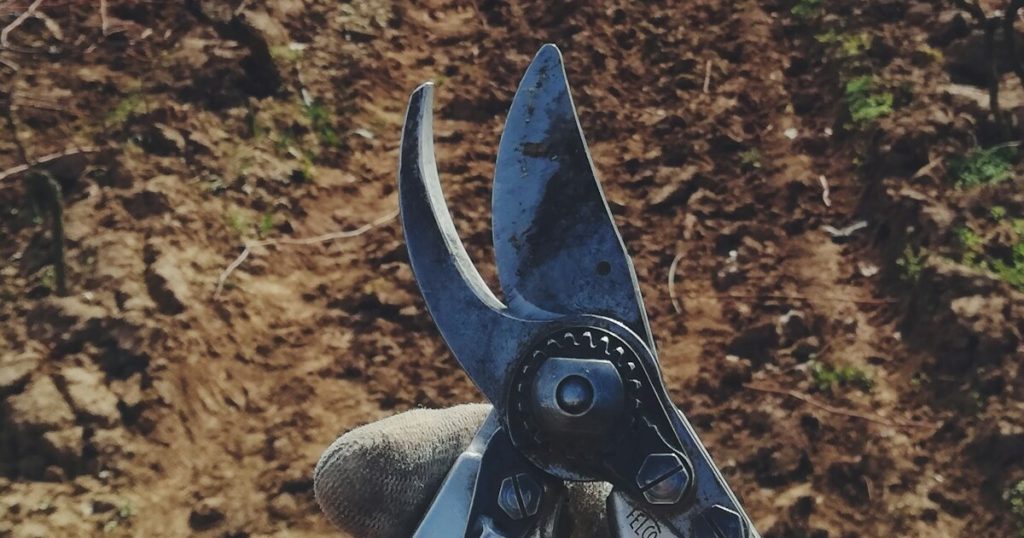
I know how tempting it is to prune whenever you have five spare minutes—but timing matters! Cutting back fruit trees or berry bushes at the wrong time can stimulate new growth just as cold snaps arrive, leaving tender shoots susceptible to frost damage. For instance, pruning peach trees in late fall can remove the protective layer of older wood that helps them survive winter; instead, master gardeners recommend waiting until late winter or early spring, when trees are still dormant but you can see the emerging buds.
Proper pruning also influences how plants attract wildlife. A leafy rose bush left unpruned may host beneficial insects, but without airflow, black spot fungus sets in, harming overall health. In contrast, a well-timed spring pruning of your native elderberry (Sambucus canadensis) invites songbirds to nest in its thicker branches later in summer, while also preventing overcrowding that would otherwise invite fungal nesting. Careful pruning—with underlying knowledge of each species’ native growth cycle—yields healthier plants and more inviting habitats for pollinators and nesting creatures alike.
Failing to Rotate Crops Seasonally

Planting tomatoes in the exact same spot year after year feels convenient, but that’s a surefire way to build up soil-borne diseases and pest populations, like root-knot nematodes that favor solanaceous crops. Crop rotation isn’t just about moving plants around—it’s about understanding family groupings. For example, peppers, tomatoes, and potatoes all belong to the nightshade family (Solanaceae) and share pests and diseases, so switching to legumes or brassicas in that bed next season helps break pest cycles.
When I explain this, new gardeners often say, “But I only have a small patch!” Even a modest garden can benefit: after a pepper harvest, intersperse native legumes like lupine (Lupinus perennis), which fix nitrogen in the soil and provide foraging habitat for native bees. Next year, swap in your peppers where the lupine bloomed, and watch how the enriched soil—along with fewer nematodes nesting unseen beneath—boosts yields. Rotating like this keeps your plants strong and cuts down on those desperate mid-season battles with wilts or pests.
Neglecting Weed Control Until It’s Overwhelming
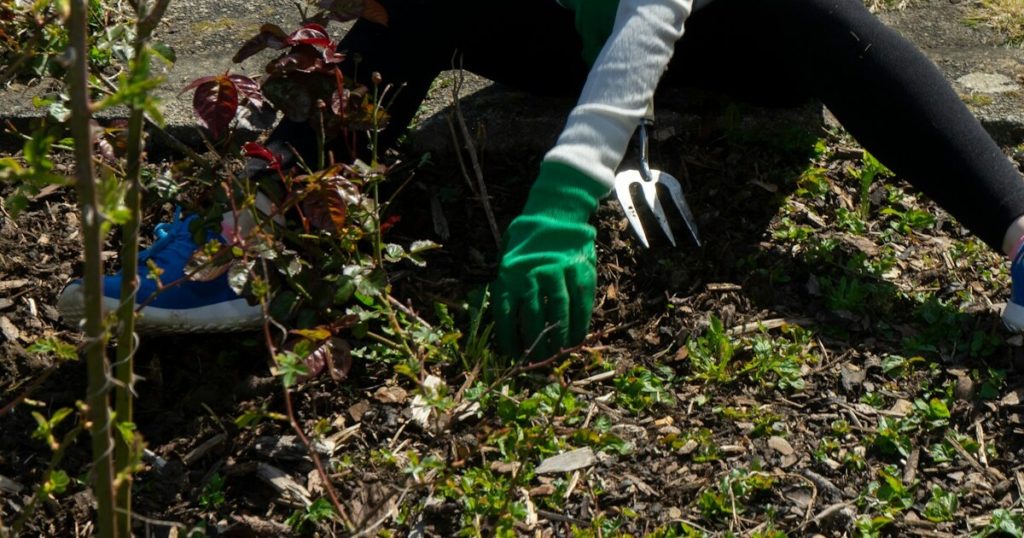
You might think, “I’ll pull those weeds later when I have more time,” but unchecked weeds can launch an all-out war against your veggies. Take a native North American wildflower like black-eyed Susan—without your notice, it might seed prolifically and crowd out less aggressive natives or baby lettuce. Meanwhile, invasive weeds like oxeye daisy or Canada thistle can monopolize water and nutrients, leaving your prized garden corn stunted and struggling to produce ears.
It’s such a bummer when you return from vacation to find your raised beds overrun! Master gardeners recommend staying on top of weeds by mulching around seedlings with straw or shredded bark—this blocks sunlight and prevents seed germination. If you catch that creeping perennial like quackgrass while it’s young, you’ll save yourself hours of frustration later. Plus, consistent weeding helps you notice early signs of pests nesting at the base of plants—maybe leaf miner damage on spinach saplings—so you can intervene before the infestation goes from bad to catastrophic.
Overlooking Native Pollinator Habitats
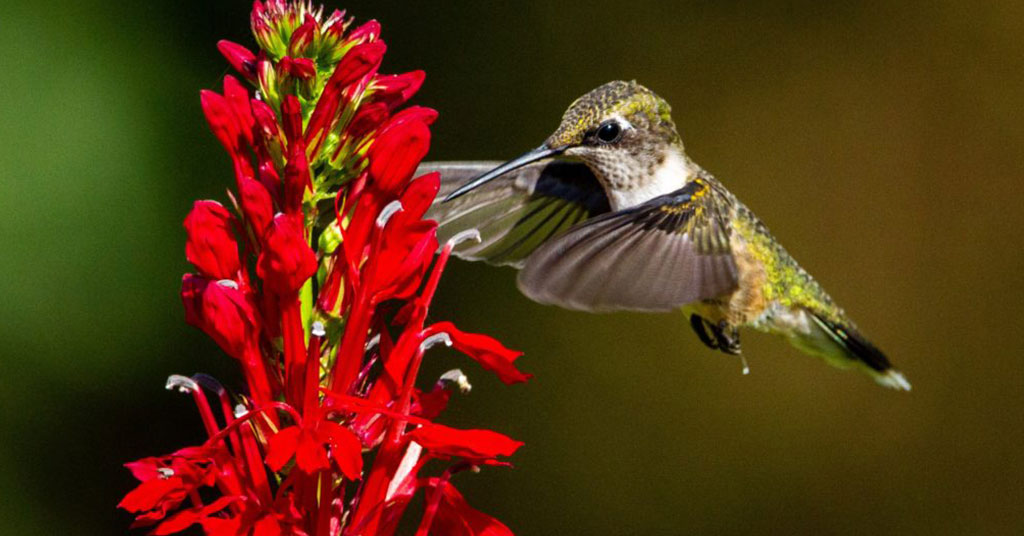
There’s nothing quite like watching a hummingbird hover around cardinal flower (Lobelia cardinalis) or a bumblebee nested in a patch of goldenrod—those moments remind me why gardening is so much more than growing food. Yet many new gardeners focus solely on vegetables or ornamental cultivars, ignoring the fact that native pollinators need specific plants to thrive. Without a variety of native blooms—like purple coneflower (Echinacea purpurea) or milkweed (Asclepias syriaca)—your garden won’t attract and sustain the full spectrum of bees, butterflies, and hummingbirds.
I recall an aspiring gardener telling me, “I want vegetables, not flowers!” But once she introduced a patch of native prairie species, everything changed—bees nesting in hollow stems of goldenrod proliferated, and tomato crop pollination soared. Integrate at least a dozen native wildflowers or shrubs that bloom at staggered times, supporting nesting bumblebees in early spring and swallowtail butterflies in late summer. This harmonious blend not only beautifies your space but ensures robust fruit set and healthy garden dynamics.
Forgetting to Compost and Build Soil Organically

I can’t stress enough how frustrating it feels to rely only on bagged nutrients when your soil still feels like brick—roots struggle to penetrate, and even hardy natives like yarrow (Achillea millefolium) can’t establish strong footholds. Composting kitchen scraps, yard waste, and fallen leaves builds porous, crumbly soil teeming with beneficial microbes. These microorganisms break down organic matter, release nutrients gradually, and help plants like daylilies (Hemerocallis fulva) and native asters anchor firmly.
When you neglect composting and rely solely on store-bought amendments, you miss out on forming that rich, living soil that retains moisture, buffers pH swings, and supports a thriving worm population. Worms do so much more than you’d think—by tunneling and mixing compost into deeper soil layers, they create channels for moisture and oxygen, enhancing root growth. Trust me, once you start layering compost under your spring transplants—whether it’s beans, squash, or a patch of native maidenhair fern (Adiantum pedatum)—you’ll wonder how you ever gardened without that soil-binding, nutrient-rich “black gold.”