

I’m thrilled you’re looking to add some vertical pizzazz to your borders! Tall perennials not only draw the eye upward, creating a sense of grandeur, but they also serve as living scaffolds for beneficial insects and wildlife. Whether you’re aiming for a cottage-garden whimsy or a sleek, modern statement, these towering beauties can transform a flat landscape into a layered masterpiece. I know how discouraging it can feel when your garden looks one-dimensional or when lower plants are overwhelmed—adding a few statuesque stalwarts can instantly bring balance and excitement!
But height alone isn’t enough. You want perennials that play nicely with pollinators, resist common pests, and won’t run rampant in next year’s beds. In the list below, I’ve rounded up 11 of my favorite tall perennials—each entry covers native range, any spreading tendencies, and the ways they attract and support beneficial wildlife. I’ll also share tips on keeping them tidy and in check. Let’s get growing!
Russian Sage (Perovskia atriplicifolia)
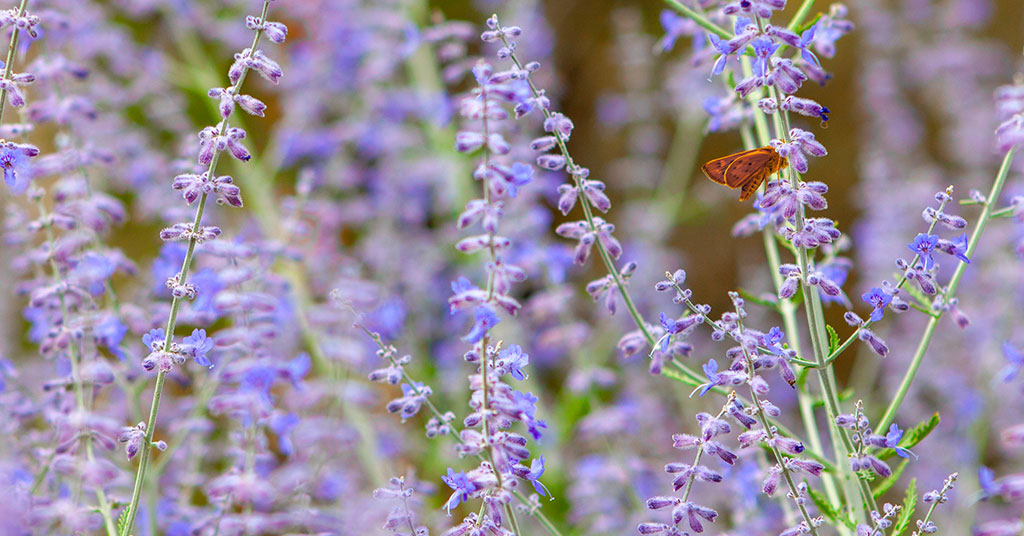
Russian sage brings an ethereal haze of silvery foliage topped with lavender-blue flower spikes, typically reaching 3–5 feet. Native to Central and Southwestern Asia, it’s noninvasive in most gardens but can self-sow sparingly. The aromatic leaves release a sage-like scent when brushed, filling the air with a subtle, calming fragrance!
Bees and hoverflies adore the nectar-rich blossoms, often nesting in nearby soil crevices or using the plant’s stalks for resting spots. It thrives in hot, dry conditions where many perennials falter—plant in full sun with excellent drainage. In late autumn, leave the dried flower heads standing to offer seed and winter structure, then cut back to the ground in early spring.
Baptisia (Baptisia australis)
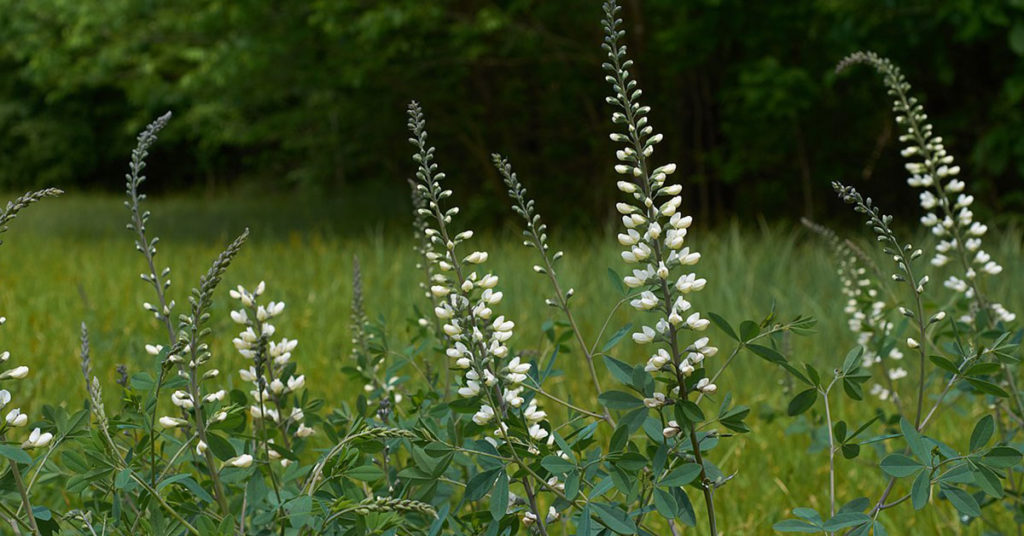
Also called false indigo, Baptisia stands a stately 3–4 feet tall, showcasing dense clusters of pea-family flowers in serene blues or whites. This North American native seldom becomes invasive, since its heavy seeds drop close to the parent. Patience is key—it may take a season or two to bulk up, but once established, it’s a long-lived workhorse!
The deep taproot makes Baptisia drought-resistant, and its foliage provides summer shelter for ground-nesting bees. After bloom, the interesting seed pods add autumn interest and gentle rattling music in a breeze. I love seeing ladybugs hide among its leaves, ready to patrol for pests!
Delphinium (Delphinium elatum)

Delphiniums are classic garden giants, reaching 4–6 feet with spires of electric blues, purples, and whites. Hailing from Europe and Asia, they aren’t invasive but benefit greatly from staking to prevent flopping in storms. Their hollow stems pair perfectly with a slim bamboo stake for discreet support!
Bumblebees flock to the deep nectar wells, sometimes tunneling through petals and nesting nearby in well-drained soil. Delphiniums also provide overhead cover for smaller pollinators and even nesting sites for solitary bees in the leaf litter below. A spring feeding of balanced organic fertilizer and deadheading will often coax a second bloom later in summer.
Joe Pye Weed (Eutrochium purpureum)
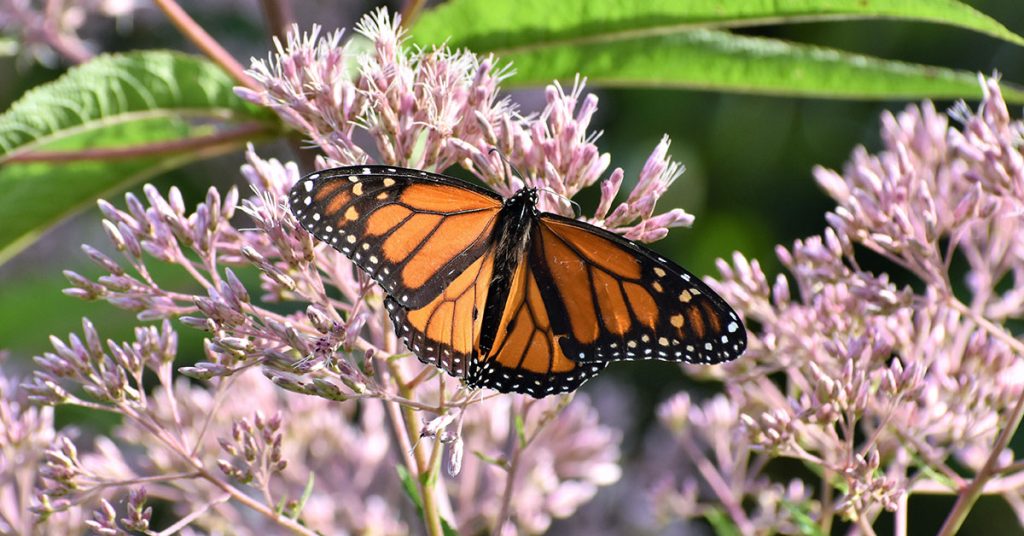
Bursting into bloom at 5–7 feet, Joe Pye Weed sports fluffy mauve-pink flower heads that resemble candy floss. Native to Eastern North America’s wetlands and edges, it spreads via rhizomes and can naturalize—perfect for a prairie-style or wildflower border!
When it flowers in midsummer, butterflies swirl in and out of the umbels—Monarchs, Painted Ladies, and swallowtails all adore it! Mason bees have been known to nest in the hollow stems, turning them into cozy nurseries. To keep it contained, divide clumps every 3–4 years and rehome the extras elsewhere in the garden.
Cup Plant (Silphium perfoliatum)
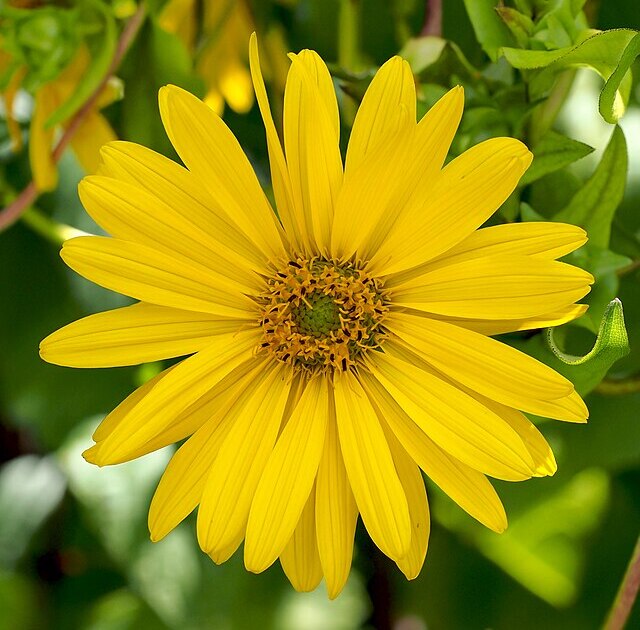
Cup plant, named for the saucer-shaped bracts that catch rainwater, towers 6–10 feet tall with bright yellow daisy-like blooms. Native to Eastern North America, it reseeds readily—deadheading spent blooms helps to prevent unwanted volunteers. Its bold vertical presence makes it a perfect backdrop for lower perennials!
Pollinators absolutely swarm its nectar-rich flowers, and small birds perch on its sturdy stalks to preen or snack on insects. In fall, the seedheads feed goldfinches and sparrows. It prefers consistently moist soil, so consider planting near a rain garden or streambed for best performance.
Hollyhock (Alcea rosea)
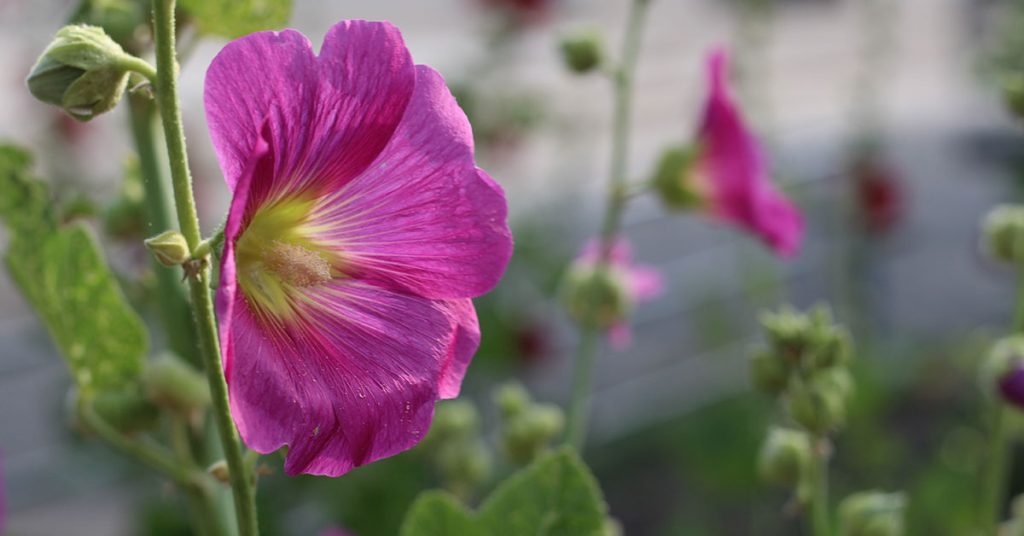
Hollyhocks evoke old-world charm with their 6–8 foot spires of saucer-sized blooms in pastel pinks, creams, and deep crimsons. Originally from Asia Minor, they naturalize in cottage gardens, self-seeding cheerfully—relocate seedlings to spread the joy or yank extras to keep them in line!
Bees and even hummingbirds slip into the open flowers, collecting pollen and nectar, while bumblebees sometimes nest at the base in loose soil. Hollyhocks make lovely living screens, but I recommend light staking against walls to guard against high winds. Cutting back old stalks post-bloom keeps things neat and reduces mildew risk.
Garden Phlox (Phlox paniculata)
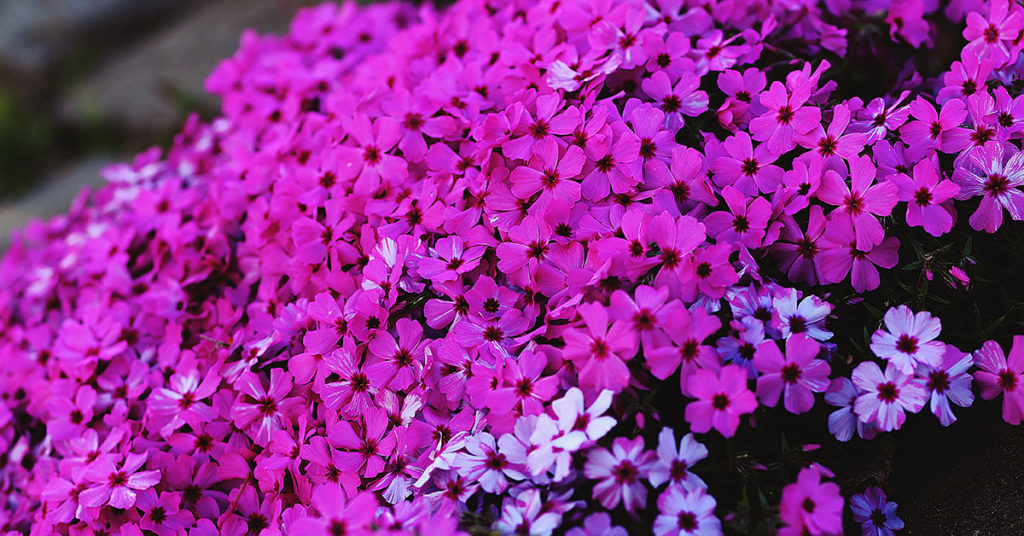
Garden phlox shines at 3–4 feet tall with fragrant clusters in pink, white, red, and lavender. This Eastern North American native can spread in generous patches under rich, moist conditions but rarely overtakes beds. Its sweet scent on a summer evening is pure nostalgia!
Butterflies, bees, and hummingbirds flock to the open-faced blooms, and I’ve seen tiny solitary bees excavating nesting tunnels in the warm soil beneath. Good air circulation is key to preventing powdery mildew—space plants appropriately and deadhead after the first flush to encourage a second round of color.
Foxglove (Digitalis purpurea)
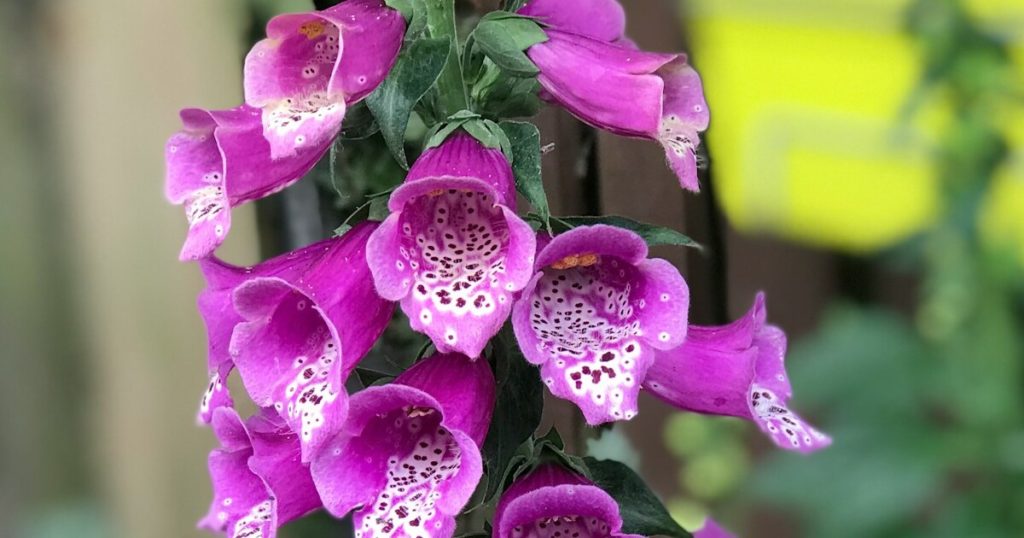
Foxgloves add enchantment at 2–5 feet with their nodding towers of tubular blooms in pink, white, and purple. Native to Western Europe, they self-sow abundantly—transplant seedlings to control placement or let a few volunteers linger for next year’s display!
Bumblebees adore squeezing into the bells for nectar and frequently nest nearby in sheltered spots under leaf litter. Keep an eye on pets and children, though—all parts are toxic if ingested. Removing spent flower spikes prevents overcrowding, while leaving a handful of pods to drop seed ensures a fresh foxglove generation.
Monkshood (Aconitum napellus)

Monkshood, or wolfsbane, reaches 4–5 feet with dramatic, helmet-shaped flowers in rich blues and purples. Native to mountainous Europe, it’s noninvasive but highly toxic—always wear gloves when handling! Its medieval mystique makes it a striking focal point in shaded borders.
Though bees visit occasionally, small solitary bees have been spotted nesting in the cool, moist soil beneath, using fallen foliage for insulation. The glossy leaves provide a dark green backdrop, and when the blooms fade, the seed capsules add sculptural interest. Cut back flower stalks after bloom to encourage fresh foliage growth.
Miscanthus (Miscanthus sinensis)
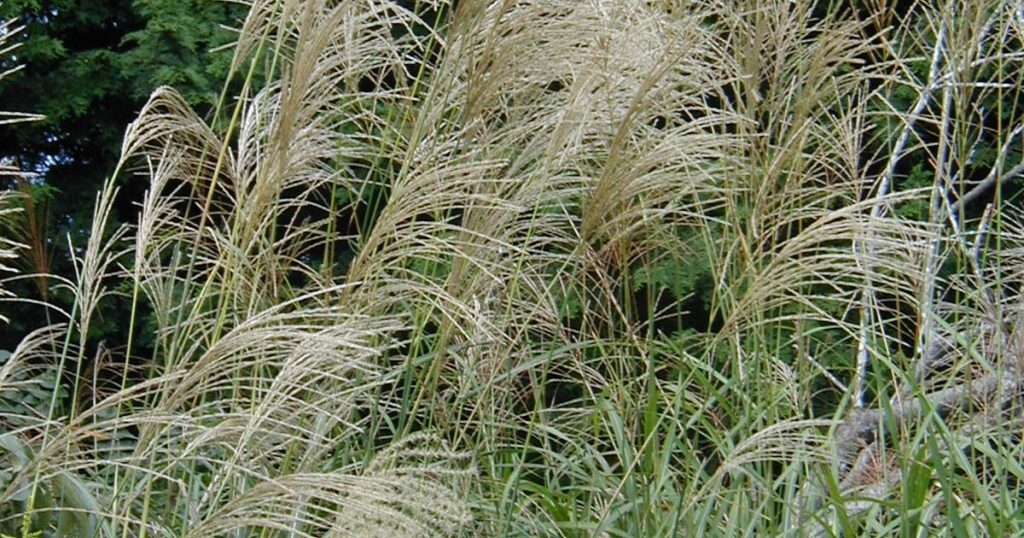
Also known as maiden grass, Miscanthus soars to 6–8 feet with arching blades and feather-soft plumes in late summer. Native to Eastern Asia, some cultivars can escape and spread; choose sterile varieties if you’re concerned about invasiveness. Its soft rustle in the breeze brings the garden to life!
In winter, the plumes catch frost and offer shelter and seed for finches and sparrows. In early spring, cut the old foliage back to ground level so new shoots can emerge. Once you hear that gentle swish as you walk past, you’ll understand why I can’t garden without at least one clump!
Cardinal Flower (Lobelia cardinalis)
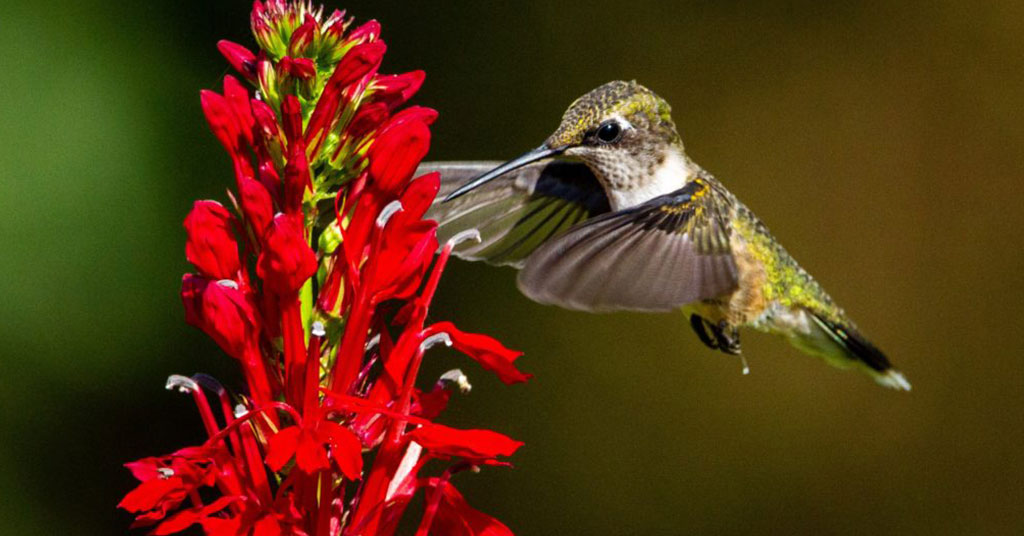
Cardinal flower is a show-stopper at 3–4 feet, flaunting scarlet tubular blooms that hummingbirds can’t resist. Native to Eastern North America’s wet woodlands and streambanks, it thrives in moist or boggy soils and rarely self-sows beyond its patch. No staking needed—its sturdy stems hold up beautifully!
Watching ruby-throated hummingbirds hover and feed is one of life’s simple pleasures! Occasionally bees will peek inside, and ground-nesting bees find refuge beneath its foliage. As the first frosts approach, leave the seed capsules intact for winter interest, then cut back in early spring so fresh growth isn’t smothered.