

Growing record-breaking carrots is a dream for many gardeners—those enormous, crunchy roots bursting with sweetness are a testament to your soil, patience, and skill! It’s such a thrill when you finally tug up a carrot that’s as big around as your wrist, but I know how frustrating it can be to end up with stunted, forked, or stringy roots instead. With carrots being native to Europe and southwestern Asia—and thankfully not invasive in home gardens—there’s no risk in experimenting with these tips to coax out their maximum potential.
In this article, I’ll share eleven essential strategies I’ve learned (and tested) to cultivate giant carrots. From soil testing and seed spacing to pest management and gentle harvesting, each tip delves into details like attracting beneficial predatory insects, creating nesting habitats, and mimicking the carrot’s native environment. Whether you’re a seasoned grower or new to root crops, these insights will help you achieve the jumbo carrots you’ve always wanted!
Soil Testing and Amendments
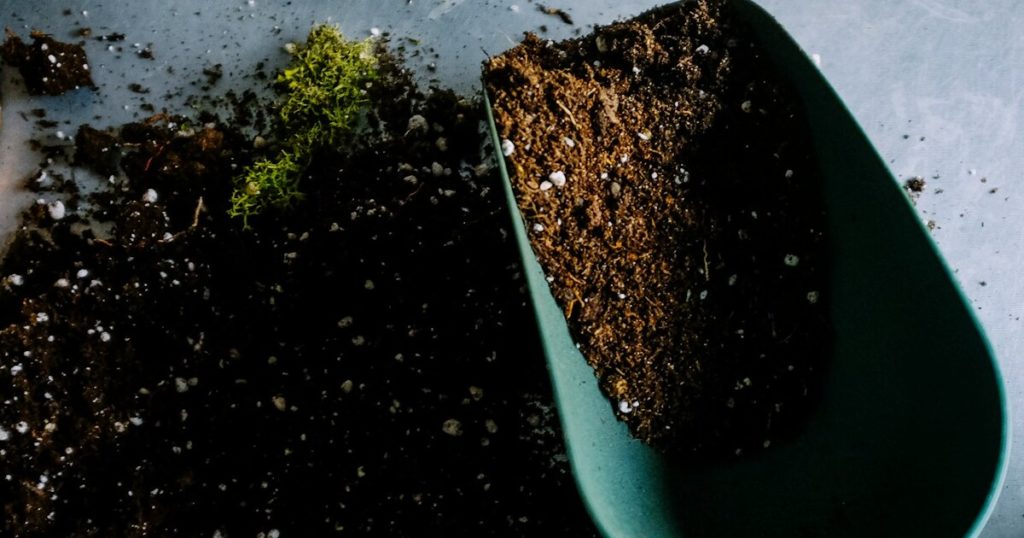
Before you plant a single seed, test your soil’s pH and nutrient levels—carrots thrive in slightly acidic to neutral soil (pH 6.0–7.0). A simple home test kit or a professional lab analysis can pinpoint deficiencies in phosphorus and potassium, which are crucial for robust root development. Amending accordingly ensures your giants have everything they need from day one!
Incorporate well-rotted compost or aged manure to boost organic matter and microbe populations. Healthy soil life attracts earthworms and beneficial fungi that aerate the bed and break down nutrients, setting the stage for deep, straight roots. It’s such a relief to see rich, crumbly soil—the secret to those smooth, oversized carrots!
Proper Sowing Depth and Spacing
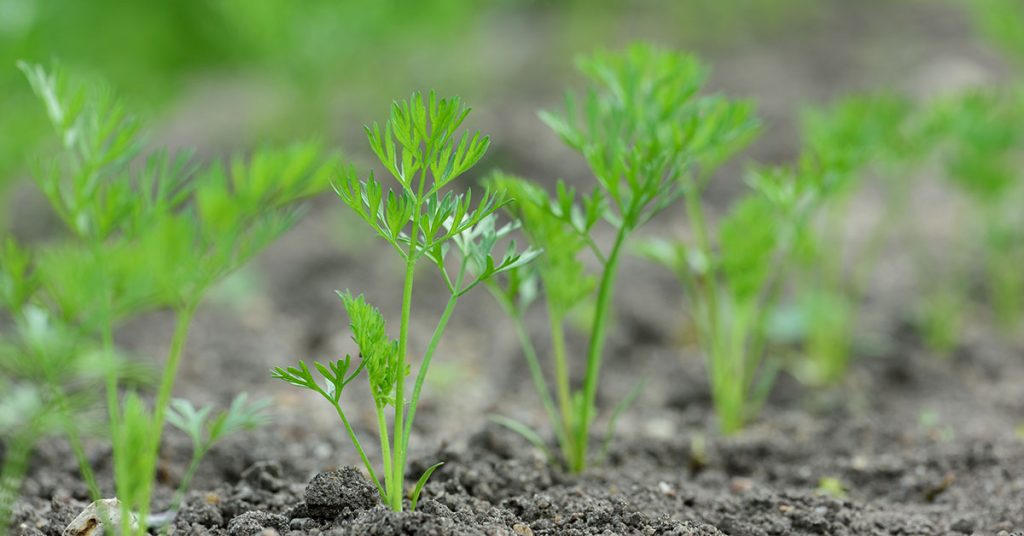
Carrot seeds should be sown very shallowly—about ¼ inch deep—because they need light to germinate effectively. Sow in rows spaced 12–18 inches apart, and aim for seeds placed 1–2 inches apart within the row for giant varieties. This spacing prevents overcrowding, allowing each root room to expand unimpeded!
Mist the seedbed gently to avoid washing seeds too deep, and keep it consistently moist until germination. Proper depth and spacing not only improve germination rates but also reduce competition for nutrients and water—a vital factor when you’re shooting for those trophy-sized carrots!
Crop Rotation and Companion Plants
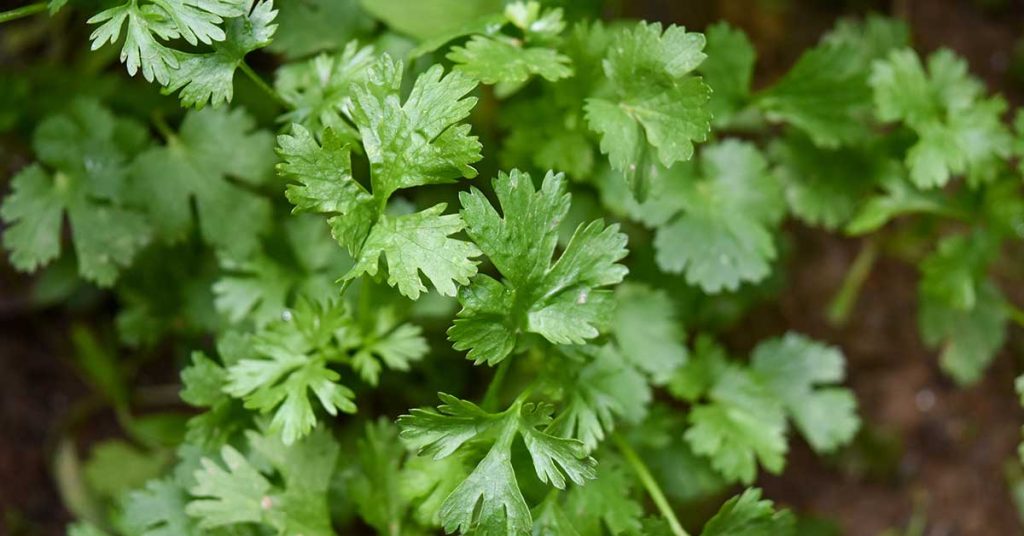
Avoid planting carrots after other umbellifers (like parsley or celery) for at least three years to minimize buildup of carrot-specific pests and diseases. Rotate beds with legumes or brassicas, which help break pest cycles and enrich soil nitrogen. I always follow my carrot patch with bush beans—nature’s green manure that resets the bed beautifully!
Companion planting with onions, leeks, or chives deters carrot rust fly and carrot root maggot, while aromatic herbs like rosemary and sage attract parasitic wasps that nest in nearby straws or loose soil. Those tiny wasps keep pest larvae at bay, giving your carrots a peaceful, pest-free environment to bulk up!
Pest Management and Barriers

Carrot rust fly larvae chew tunnels in roots, and root maggots can decimate young carrots overnight. To outsmart them, cover seedbeds with fine mesh row covers immediately after sowing, securing edges with soil or staples. This barrier prevents adult flies from laying eggs at the base of seedlings!
Encourage ground-nesting predators—like ground beetles and predatory rove beetles—by leaving small patches of bare, undisturbed soil nearby. These beneficial insects feast on maggots and other pests, reducing reliance on chemical controls. The combination of physical barriers and biological allies keeps your crop safe and thriving!
Gentle Harvesting and Post-Harvest Handling

When it’s time to pull your giants, water the bed deeply the evening before to soften the soil and reduce breakage. Use a digging fork to pry around each carrot, then grasp the greens close to the top and lift gently—no jerking or whipping!
After harvest, trim tops to about an inch above the crown and brush off excess soil. Store carrots in cool, moist conditions (ideally in damp sand or sawdust at 32–40°F) to maintain crispness and sweetness. Handling your carrots with care ensures that all your hard-won growth makes it to the dinner plate intact!
Select Giant Varieties

Choosing the right seed is the first step toward colossal carrots. Look for varieties bred for size, such as ‘Danvers 126,’ ‘Imperator 58,’ or ‘Mammoth Red Cored.’ These cultivars can produce roots over a pound each under ideal conditions!
I always source seeds from reputable breeders who specialize in giant types to ensure true-to-type performance. Planting these giants also draws beneficial pollinators like hoverflies and solitary bees—whose larvae later feed on slugs—creating a synergistic garden ecosystem!
Deep, Loose, Stone-Free Soil

Carrot roots need to grow straight and deep without obstacles. Double-dig beds to a depth of at least 12 inches, removing rocks and debris that cause forked or twisted roots. Adding coarse sand and compost improves texture and drainage, mimicking the loose, well-drained soils of their native plains.
When the soil is soft and free of impediments, carrots can push down without resistance, resulting in smooth, uniform roots. I often notice worms tunneling through the loosened bed, further enhancing aeration and nutrient distribution!
Balanced Fertilization
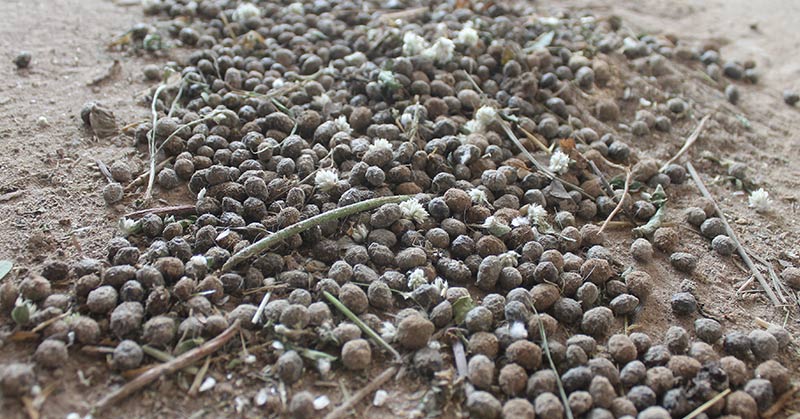
Too much nitrogen promotes lush foliage at the expense of root growth, so apply a balanced fertilizer higher in phosphorus and potassium once seedlings are a few inches tall. Bone meal or rock phosphate provides phosphorus, while wood ash (in moderation) adds potassium.
Side-dress gently alongside rows to avoid root disturbance. This targeted feeding supports strong, thick roots rather than excessive top growth—vital for those show-stopping carrots you’re aiming for!
Thin for Optimal Growth

Once seedlings have two true leaves, thin them to 2–3 inches apart for standard varieties—or 4–6 inches for giants—removing weaker plants at soil level. Crowding starves roots and leads to skinny, underdeveloped carrots.
Use thinnings in salads or as baby carrots—no waste! Thinning not only allocates resources to the strongest roots but also improves soil airflow, reducing disease pressure and encouraging beneficial insects to patrol the space between plants.
Consistent Moisture and Mulching
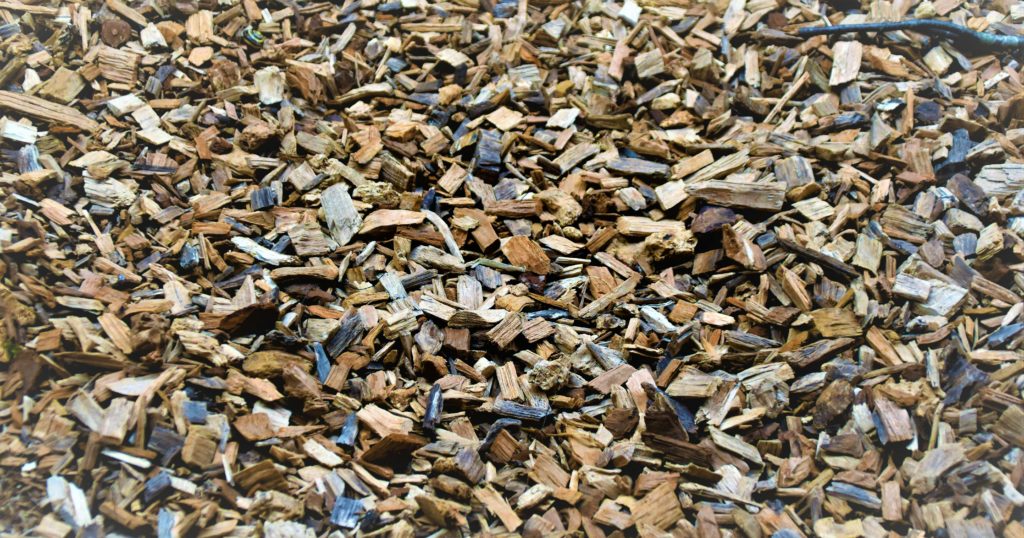
Carrots need even moisture to grow uniformly—fluctuations cause split roots or hairy secondary roots. Keep the bed evenly damp (about an inch of water per week) and mulch with straw or shredded leaves to conserve moisture and suppress weeds.
Mulch moderate temperatures around the root zone and maintain an inviting environment for ground-dwelling predators. Those mulch layers also decompose into organic matter, feeding soil life and ensuring your carrots have nutrients well into the growing season!
Full Sun and Temperature Management

Carrots shine in full sun, requiring at least 6–8 hours of direct light daily for maximum growth. Morning sun is especially beneficial, drying dew quickly and reducing fungal issues. Avoid overly shaded spots that lead to slow, weak roots!
In hot climates, provide light afternoon shade—such as a row cover or adjacent taller plants—to prevent heat stress and bolting. Mimicking their native cool-season conditions ensures your carrots maintain steady growth rates, leading to the largest, sweetest roots of the season!