

Indoor gardening can feel like a delicate balancing act—especially when it comes to watering. You’ve likely heard that plants need regular moisture to thrive, but what if I told you that too much water can be more harmful than too little? I know how tempting it is to lavish love on your leafy friends with frequent watering, hoping for lush, vibrant growth. But before you top-dress your pots yet again, let’s explore the telltale signs that you’ve crossed the line into overwatering territory. Understanding these cues can save you both frustration and droopy plants!
In this article, we’ll dive into eleven distinct signs that indicate your indoor green companions are drowning rather than flourishing. From unexpected pests nesting in soggy soil to subtle leaf discolorations—each symptom reveals how overzealous watering disrupts a plant’s natural balance. We’ll also delve into the origins of popular houseplants (like pothos, native to the Solomon Islands, or snake plant, which hails from West Africa) and note whether they pose any invasive risks if ever grown outdoors. By the end, you’ll feel confident in calibrating your water routine and nurturing healthy roots, stems, and leaves—without turning your home into a swampy greenhouse!
Yellowing or Translucent Leaves

Spotting yellow leaves on your beloved pothos (Epipremnum aureum), native to the Solomon Islands, can feel alarming—especially when you’ve stuck to a strict watering schedule! In reality, yellow foliage often signals that roots are waterlogged and deprived of oxygen. When the soil remains soggy, roots can’t engage in proper gas exchange, causing chlorophyll to break down. That means your once-vibrant, variegated leaves start to fade into an unwelcome shade of chartreuse.
Translucent or mushy patches on leaves take this a step further. Imagine your peace lily (Spathiphyllum wallisii)—a tropical plant originally from Central America—developing off-color bands near the veins. This soggy look often indicates edema, where cells literally become overfilled with water. Since peace lilies are adapted to rainforest understories with well-draining, aerated soil, sitting in puddles throws them completely off-kilter. So, if you notice your indoor gems shifting toward transparent hues, it’s time to ease up on the watering can!
Fungus Gnats Swarming Around Your Pots

There’s nothing quite like seeing tiny black specks hovering over your soil surface—especially when they resemble miniature mosquitoes! These are likely fungus gnats, small flies whose larvae develop in overly wet potting mixes. They’re particularly drawn to moisture-loving plants like philodendrons (Philodendron spp.), originally from tropical Americas, which thrive in consistently damp conditions. The larvae feed on decaying organic matter and fine roots, creating a nesting ground under your plant canopy.
Having gnats buzzing around not only spoils the serenity of your space but also signals a deeper problem: persistently damp soil. Adult gnats lay eggs in wet media, so a steady presence of these pests means you’ve been watering too frequently. Over time, gnats’ larvae can weaken roots—especially delicate varieties like the Swiss cheese plant (Monstera deliciosa), native to rainforests of southern Mexico. To break their life cycle, allow the top inch or two of soil to dry, and consider adding a layer of horticultural sand or perlite to improve drainage and deter further egg-laying. Soon, your plant’s pot will be gnat-free, and roots can breathe easier!
Mold or Algae Growth on Soil Surface
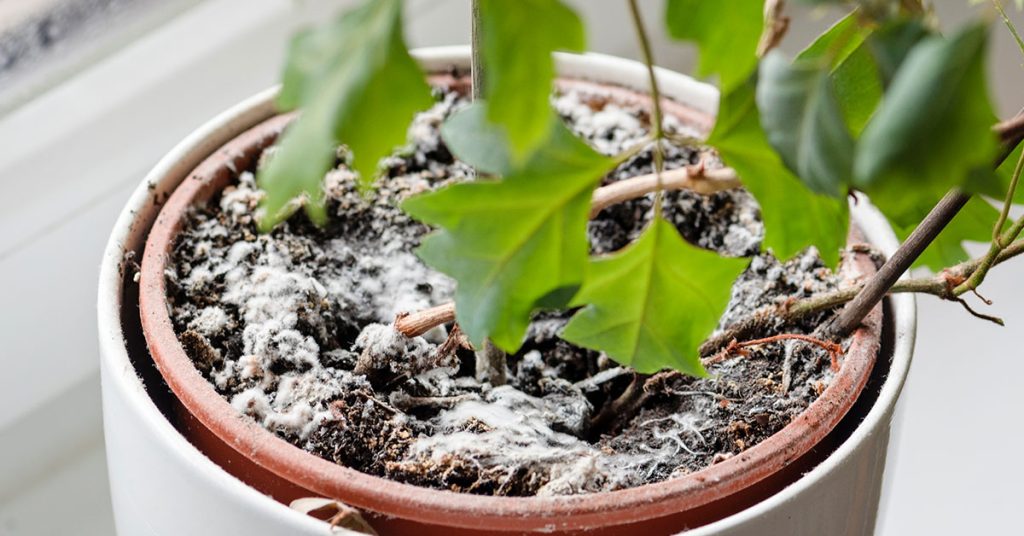
Have you ever spotted fuzzy green or white patches creeping across your plant’s soil? That’s often mold or algae thriving in persistently wet conditions. Indoor plants like ferns (often native to tropical or temperate forests worldwide) are prone to this problem if the soil remains waterlogged. Mold colonies form as a result of fungal spores finding a moist, nutrient-rich haven—exactly the environment you create with too-frequent watering.
Algae, on the other hand, may appear as slick, shallow green layers that almost look like a mini jungle floor. While it may not immediately kill your snake plant (Sansevieria trifasciata), initially native to West Africa, it does indicate poor airflow and inadequate drainage. Both mold and algae can compete with your plants’ roots for oxygen and nutrients, and in some cases attract pests that then nest in the damp mass. If you glimpse this green invasion, reduce watering intervals, scrape off affected top layers, and consider repotting into a fresher, well-draining mix to restore a healthy balance.
Wilting Despite Moist Soil
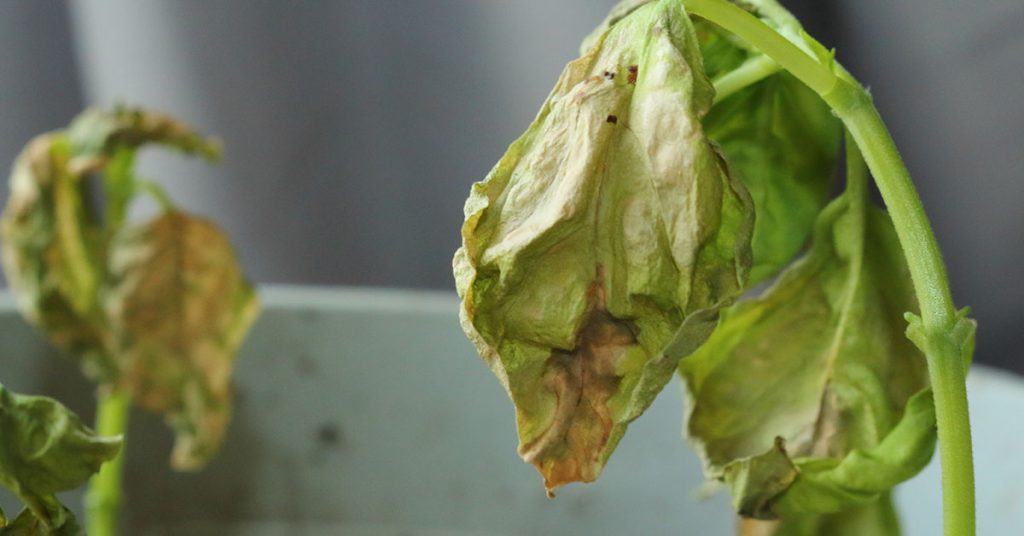
It’s such a bummer when your monstera looks droopy, yet the soil feels wet to the touch! Wilting usually suggests underwatering, right? But paradoxically, overwatering can produce the same puckered stems and lifeless leaves. When roots sit in oversaturated media, they start to rot, becoming unable to supply water effectively, even if there’s plenty around. Imagine the roots as a sponge that’s soaked through—if they’re mushy or decayed (a common fate for plants like the fiddle leaf fig, Ficus lyrata, native to western Africa), they simply can’t absorb moisture to ferry to the rest of the plant.
Type “root rot” in your mind whenever wilting occurs alongside damp soil. This condition often goes unrecognized because people assume that soggy conditions equate to well-hydrated plants—when, in fact, they mean root systems are suffocating. If you notice wilting, gently tug on the plant to feel how the roots grip the pot—if they slide out easily and smell sour, that’s a telltale sign of rot. In that case, let the potting mix dry significantly before watering next, and consider trimming off any mushy roots to give your resilient leafy friend a second chance.
Edema or Water-Soaked Blisters on Leaves
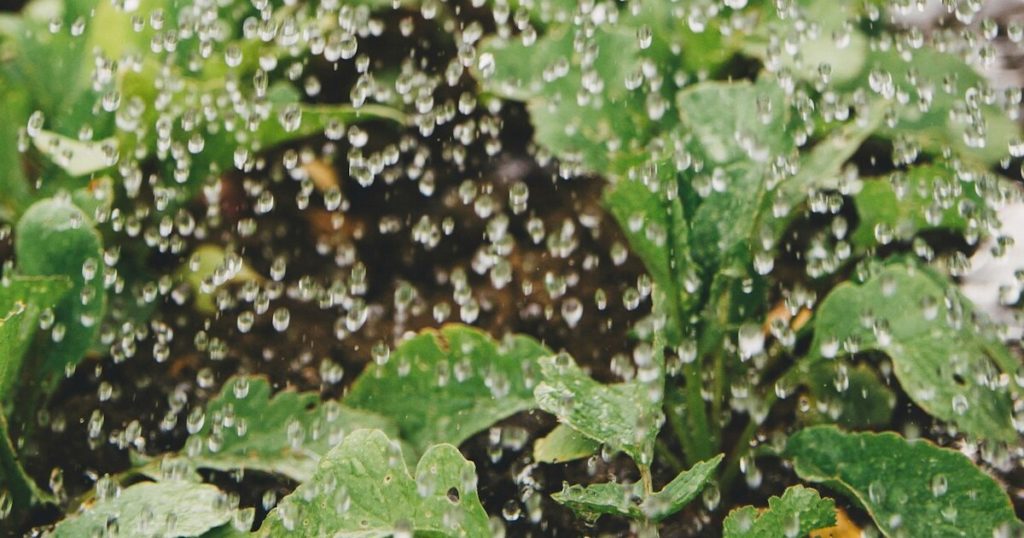
It’s easy to miss until you run your fingertip over a leaf and feel puckered, water-soaked spots—edema, a condition where leaf cells swell with excess water. This sign is common in plants like ZZ plants (Zamioculcas zamiifolia), native to Eastern Africa, which are adapted to drier spells and store water in their thick rhizomes. When their environment suddenly shifts to constant saturation, the imbalance causes cells to leak fluid back into the intercellular spaces, creating tiny blisters. It’s almost like the plant is trying to squeeze out excess moisture but ends up breaking its own skin in the process!
These fluid-filled lesions often start on the undersides of leaves, going from barely noticeable bumps to darkened, corky patches as they age. While edema itself doesn’t immediately kill the plant, it’s a red flag that the plant’s root zone is too wet—something your succulent-loving heart already suspects! If you see edema on your peace lily or philodendron leaves, hold off on watering until the soil is mostly dry, and ensure proper drainage by mixing in perlite or orchid bark. This will simulate their native rainforest floor conditions, where drainage is rapid and water doesn’t pool around the roots.
Soil That Smells Musty or Sour
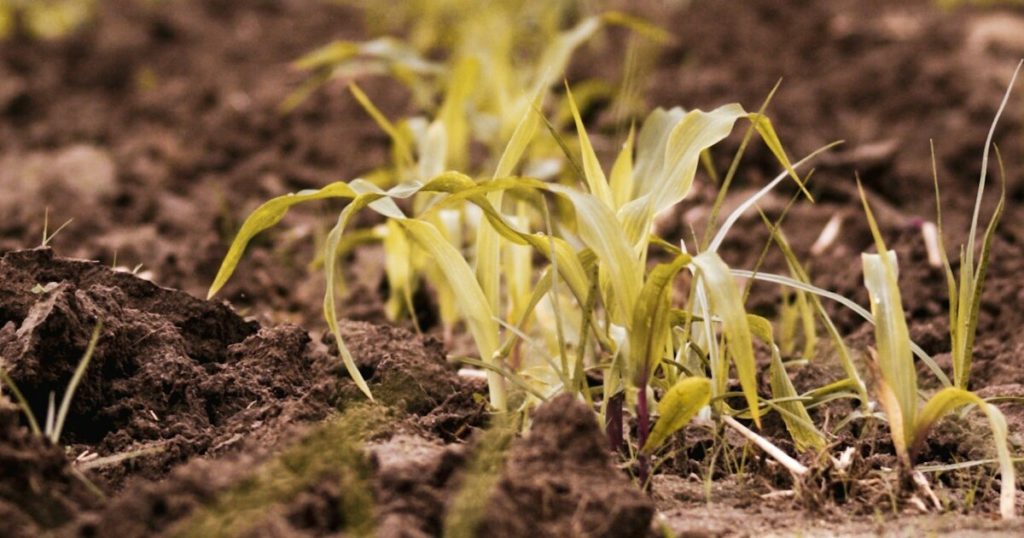
Nothing jolts you faster than sticking your nose near a pot only to recoil at a sour, almost vinegar-like odor. This pungent stench is usually the byproduct of anaerobic bacteria flourishing in waterlogged soil. When there’s no oxygen, these microbes break down organic matter in ways that release foul-smelling compounds. Plants like rubber trees (Ficus elastica), native to Southeast Asia, can give you this whiff when you’ve unintentionally kept them sitting in standing water for weeks.
A musty scent indicates that the microbial community in the soil has shifted from beneficial organisms—like those that encourage earthworms to nest and aerate—to harmful anaerobes that can damage roots. To troubleshoot, allow the pot to dry fully, remove any soggy topsoil, and add fresh, well-aerated potting mix. You might even gently rinse or repot if the smell persists—your roots (and nose!) will thank you once they are free from the swampy mixture.
Mushy or Soft Stems and Roots

Feeling spongy stems is never a good sign—especially when you expected that sturdy cactus to be unflappable! Soft, limp stems often mean internal tissues are waterlogged and beginning to rot. Take a popular houseplant like the snake plant—Sansevieria trifasciata—which evolved in arid regions of West Africa to store water in its leaves. In its native habitat, it rarely sees extended oversaturation, so if it sits in constant moisture indoors, the cells become waterlogged and collapse. When you notice a plant’s base looking blackened or the stem giving way under a gentle squeeze, root rot has set in.
Root rot may start deep below the surface, but soon the damage manifests aboveground, with leaves falling more readily and stems no longer firm. If you suspect this, carefully lift the plant from its pot—oftentimes, you’ll find the outer roots brown and slimy, rather than white and crisp. Snip away the decayed sections, dust the remaining roots with a fungicide (optional), and repot in fresh, super-draining soil. Reducing watering frequency afterward gives roots a chance to rebuild strength rather than languish in further decay.
Stunted Growth and Lack of New Leaves
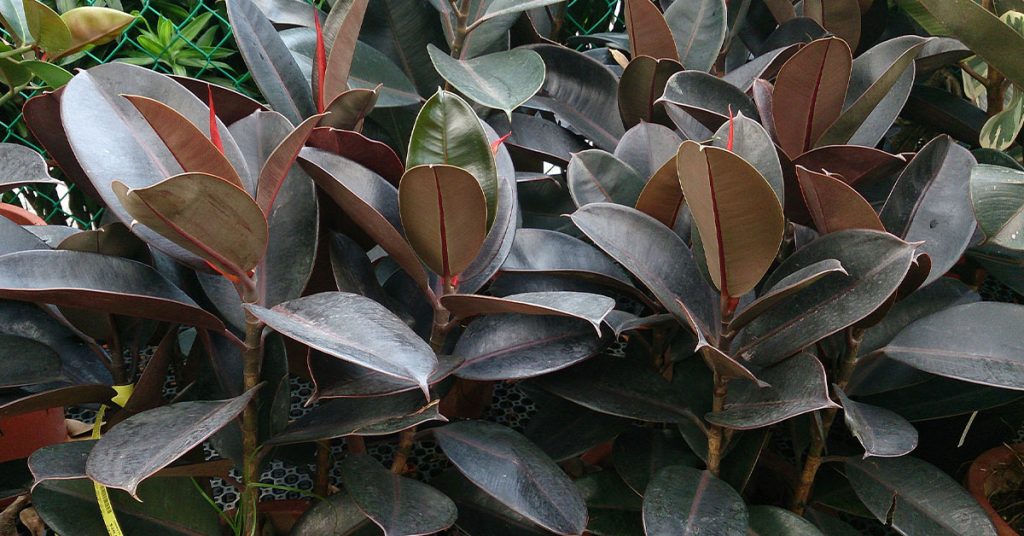
Nothing is more deflating than expecting that lush, cascading cigar-shaped leaf from your pothos or the next set of glossy leaves on your rubber tree—only to find your plant barely buds out new growth! Overwatering can prevent roots from accessing oxygen, leaving them weak and unable to transport nutrients effectively. As a result, your plant shifts into survival mode, conserving energy rather than growing. Even hardy survivors like the ZZ plant or the monocot bamboo palm (Chamaedorea seifrizii), native to Mexico and Central America, show subdued growth when their root zone is permanently soggy.
You might still have old leaves hanging on, but lack of fresh foliage is a cry for help. If your plant’s papery leaves remain unchanged month after month, check root health and soil moisture. Consider dividing the plant or repotting into a lighter mix that more closely mimics its native environment—be that well-drained loam for a fiddle leaf fig (Ficus lyrata) from African rainforests or gritty sand for a maidenhair fern (Adiantum spp.) from temperate woodlands. Restoring appropriate moisture levels encourages roots to forage and send up the new leaves you’ve been eagerly awaiting!
Leaf Drop or Browning Leaf Margins

Have you ever fetched the watering can only to find a cluster of leaves browning around the edges or dropping off entirely? This can be poor root function due to excessive moisture. For example, succulents like some varieties of echeveria (native to semi-arid regions of Mexico) evolved for minimal water—constant dampness shocks them, causing leaves to blacken at the base and eventually fall. Similarly, tropical species like the Chinese evergreen (Aglaonema spp.), native to Southeast Asian rainforests, develop brown, papery margins when soaked beyond their tolerance.
Brown leaf tips and margins can also indicate that the plant is struggling to pull water through compromised roots—ironically because there’s too much water! Instead of crisp green tips, you end up with crispy brown edges as the plant’s cells get damaged by water inundation. If you’re noticing leaf drop on your spider plant (Chlorophytum comosum), native to tropical and southern Africa, let the soil dry slightly between watering and trim away any discolored foliage. Over time, new growth will emerge if the roots receive a consistent, balanced moisture regime rather than perpetual saturation.
Edges of Soil Surface Growing Faint White Fuzz
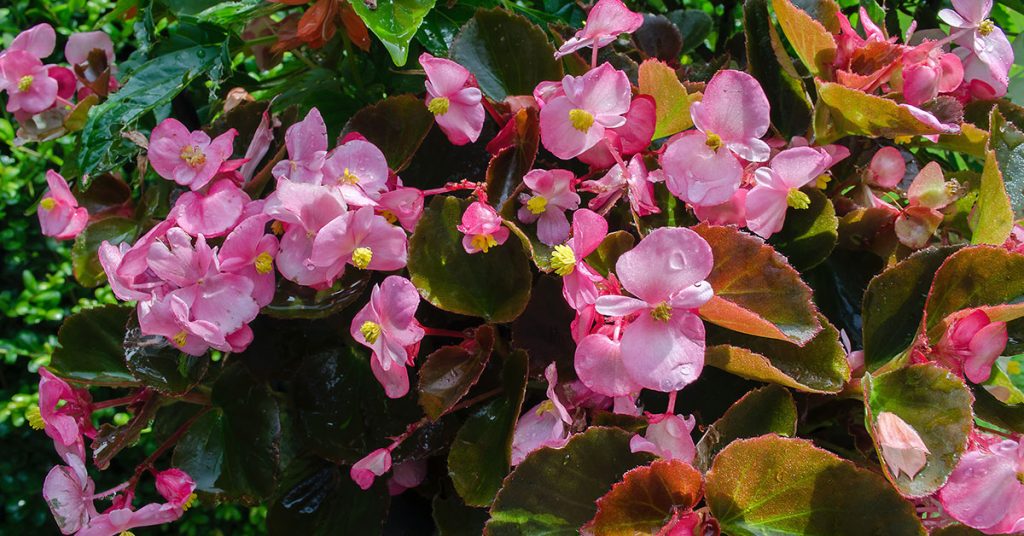
Peering closely at your begonia (Begonia spp., native to tropical regions of Southeast Asia and Madagascar), you might see a faint white fuzz—mold—forming on the soil surface. Much like mold in your kitchen after leaving a wet sponge out too long, this fuzzy film thrives in constantly damp environments. It’s a direct result of decaying organic matter combined with inadequate airflow. While a small amount of mold might not immediately kill your plant, it indicates that the protective microbial balance is gone and risks attracting pests seeking a damp, sheltered nesting ground.
That mold can also spell trouble for seedlings or young houseplants like African violets (Saintpaulia spp., native to Tanzania), which are particularly sensitive to fungal growth. To correct this, allow the medium to dry out more between waterings, scrape off the top inch of moldy soil, and consider sprinkling a bit of cinnamon powder—an age-old, mild antifungal—across the surface. Soon, your soil should regain its healthy crumbly texture, and you’ll have fewer worries about fungal nesting sites for pests like springtails or mites!
Soil That Cracks on the Surface

You might assume that cracked soil means dryness, but in some cases, it’s a sign of repeated overwatering followed by surface drying. Over time, potting mix compacts, and water fills all the spaces, leaving compacted soil that resists proper moisture penetration. When the surface finally dries and shrinks, it cracks, forming a brittle crust—a phenomenon common in clay-heavy mixes not suited to houseplants. Plants like the jade plant (Crassula ovata), native to South Africa, prefer a loose, sandy substrate, so when confined to dense, water-retentive soil, the surface may crack while underlying layers remain soggy.
These fissures prevent even water distribution—it runs off the top instead of seeping in—encouraging inconsistent moisture that confuses the roots. You might think watering more often solves it, but that only worsens the root zone’s saturation. Gently break up that crust with a chopstick or fork, and repot using a well-draining mix specifically formulated for succulents or cacti. Once roots can breathe and moisture disperses evenly, you’ll see your succulent perk up instead of stagnate under waterlogged stress.