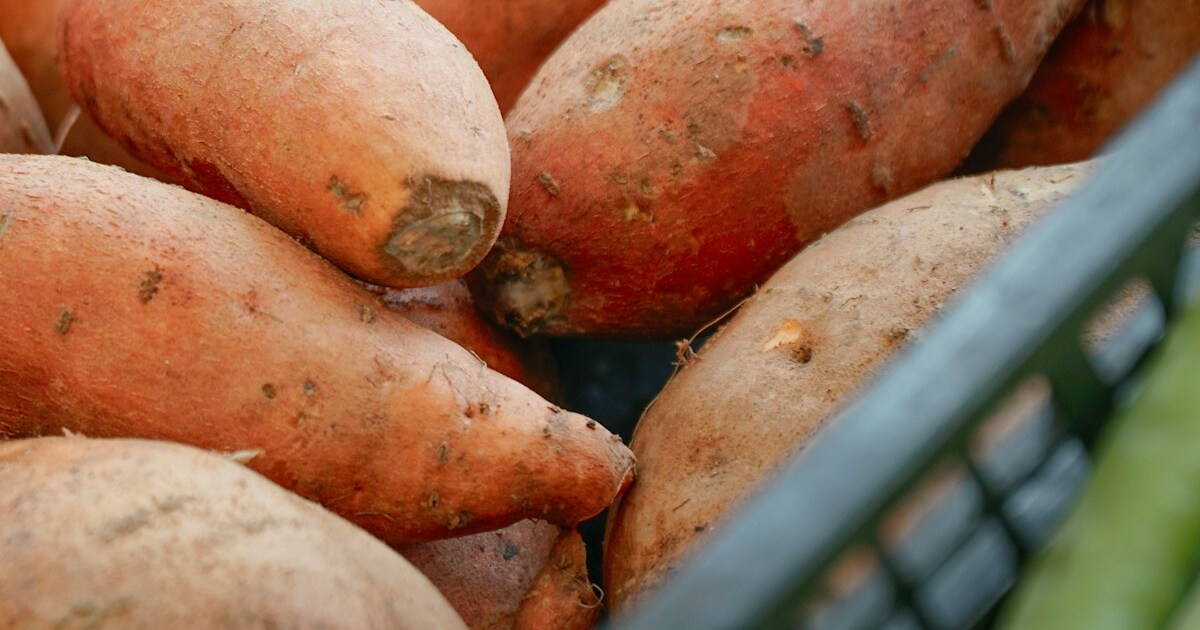

Planning the perfect harvest of sweet potatoes is one of the most rewarding moments in the garden! Native to tropical regions of the Americas, sweet potatoes (Ipomoea batatas) form tubers that swell underground while their vines sprawl across your beds. It’s such a bummer when you dig too early and find undersized roots—or wait too long and risk frost damage! By tuning into these eleven readiness cues, you’ll know exactly when to pull those delicious tubers without guesswork.
I know how frustrating it is to nurture these vines through summer heat, only to be uncertain about the right harvest moment. One of my favorite plants, sweet potatoes not only reward you with rich, orange flesh but also attract curious pollinators when they bloom. Let’s dive into these telltale signs—each drawn from vine behavior, soil changes, and seasonal shifts—to ensure your harvest is nothing short of spectacular!
Soil Cracking Between Hills

As sweet potato tubers push their way outward, they can create creeping pressure that causes the soil between hills to crack. These fissures often appear as deep, winding lines once the roots reach full size. I love how these little cracks signal that the tubers below are expanding—nature’s own progress report!
These openings also serve as microhabitats for ground-nesting solitary bees and beneficial beetles, which sometimes make their homes in the loosened soil. Keeping an eye on those cracks reminds me to gently water around them, preventing compaction and giving nesting pollinators continued access to your beds.
Sweet Potato Flowers Fading
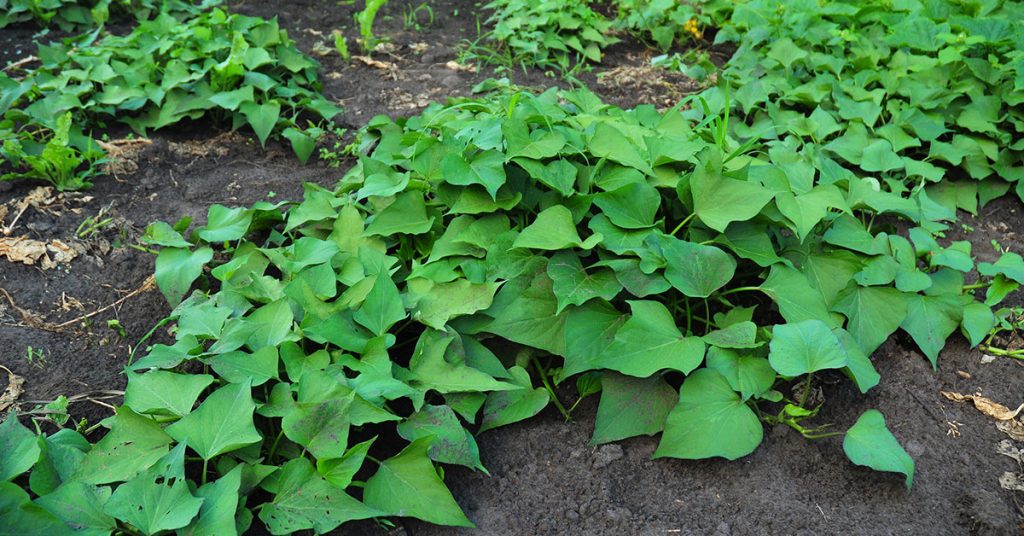
Although sweet potato flowers are uncommon in many gardens, their appearance and subsequent fading can be a helpful indicator. These delicate, morning-glory–type blooms (Ipomoea family, native to the tropical Americas) attract hummingbirds and bumblebees eager for nectar. When those petals begin to wilt and drop—often in late summer—it often coincides with peak tuber bulking belowground.
It’s always a treat to see those star-shaped blossoms! Once you notice them fading, consider this a green light to prepare digging tools—your tubers are likely plump and ready. Just be careful not to harvest too early; letting vines stay intact a bit longer can sweeten the roots further.
Cooler Nighttime Temperatures

Sweet potatoes thrive in warm soil, but once nighttime lows dip consistently below 55°F (around early fall), tuber growth slows dramatically. Those cooler evenings are Mother Nature’s cue that it’s almost time to harvest. I always feel a thrill when I wake up to crisp air—knowing my sweet potatoes have reached their full potential!
That temperature shift also signals pollinators and beneficial insects to seek overwintering shelters in leaf litter and soil crevices. Leaving vine debris intact until after harvest offers these helpers a spot to nest, ensuring they return in abundance next season.
Yellowing Foliage
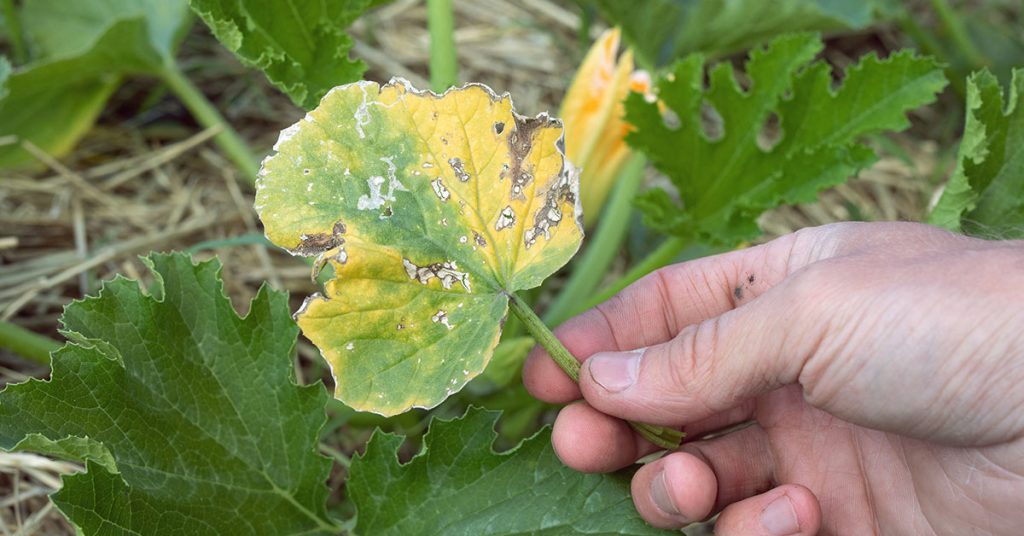
One of the earliest visual signs is yellowing leaves along the outer edges of the vine. Sweet potato plants, native to Central and South America, send nutrients back down to their storage roots as they prepare for dormancy, causing foliage to lose its vibrant green hue. If you spot those yellow patches, it’s time to start planning.
While yellowing can also indicate nutrient deficiency, when it aligns with a mature growing season—roughly 100–120 days after planting—it typically means tubers have peaked. I find it helps to monitor soil moisture at this stage, too, since overwatering yellowing vines can invite rot.
Visible Tuber Shoulders at the Soil Surface
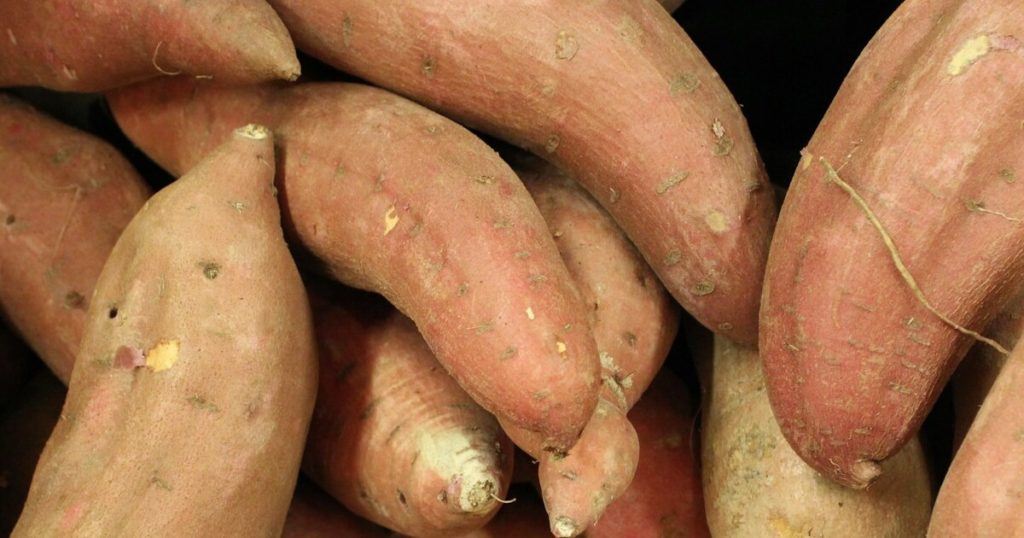
In well-loosened soil, mature sweet potatoes may push up, revealing rounded “shoulders” peeking through the earth. This bulging is a clear sign that roots have swelled to their maximum girth. I love gently brushing back the soil to catch that first glimpse of a perfect, russet-skinned tuber!
Keep in mind that excessive frost or heavy rains can damage these exposed shoulders, so once you see them, harvest within a week for best quality. And if you’ve had slugs in your garden, check those exposed areas carefully—some like to nibble at sweet-tasting tuber skins!
Lack of New Vine Growth

By late summer, sweet potato vines usually stop producing fresh shoots once their energy diverts to tuber enlargement. If you notice fewer new leaves and no vining tips, it’s because the plant is all about root development now. That plateau in aboveground growth means belowground growth has peaked!
It’s such a relief to see the vines slow down—I know the roots have had ample time to fatten up. Plus, when the canopy thins, soil dries more evenly, letting air reach beneficial earthworms that aerate the beds for next year’s planting.
Days Since Planting Milestone Reached

Most sweet potato varieties take about 100–120 days from planting to harvest. I always jot down my slip dates in my garden journal; once that milestone hits, I start checking other signs daily. There’s nothing worse than anxiously waiting, only to dig too soon!
If you’re growing a quicker-maturing cultivar, adjust your schedule accordingly. Tracking days alongside visual cues ensures you don’t miss the sweet spot—and gives you confidence when you finally lift that first impressive tuber!
Decreased Insect Activity on Vines

During peak vine vigor, aphids, flea beetles, and caterpillars can be busy feasting on leaves. But as the plant shifts energy underground, those pests often move on in search of greener pastures. Noticing fewer nibbles and less insect bustle on your vines can mean it’s nearly harvest time.
Beneficial predators—ladybugs, lacewings, and parasitic wasps—also wind down their patrols of sweet potato leaves and venture into mulch layers to nest. Leaving a light layer of leaf litter around the beds offers them shelter and ensures they’ll be back next season to guard your crops!
Firm Tuber Feel Under Soil

Gently pressing around the base of a vine with your fingers can reveal the firmness and size of the tuber beneath. Mature sweet potatoes feel dense and solid—unlike younger, still-developing roots that yield under light pressure. It’s such a satisfying sensation, like uncovering a hidden treasure chest in your garden!
When performing this “feel test,” take care not to bruise the tubers. Using moisture meters or a gentle trowel can help you verify without damage. Firmness combined with other readiness cues gives you the confidence to harvest the entire hill.
Hairy Root Development Diminishing
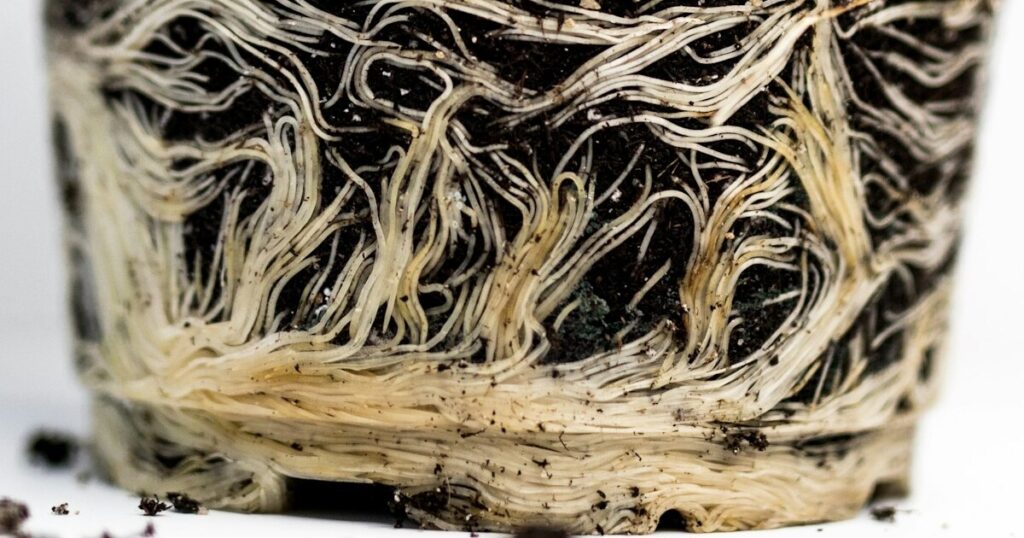
Sweet potato slips initially produce fine, hair-like feeder roots to absorb water and nutrients. As the plant matures and energy shifts toward tuber bulking, those delicate hairs become less abundant. Spotting fewer feeder roots when you gently tease back soil indicates the main storage roots are fully developed.
Those early root hairs were essential for rapid vine growth; seeing them fade reminds me that the plant’s priorities have changed. I always pause to appreciate how efficiently these plants allocate resources—nature’s own blueprint for a perfect harvest!
Leaf Dieback and Vine Withering
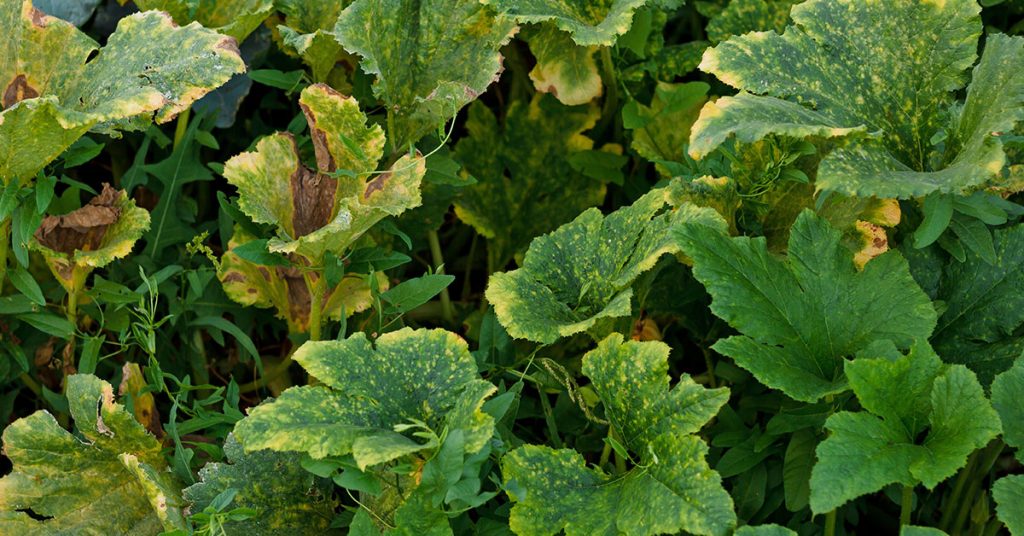
Finally, when the outermost vines begin to wither and collapse back toward the ground, it’s a classic harvest sign. Leaves may shrivel or take on a purplish tint—sweet potatoes sometimes exhibit slight foliage color changes as they stop photosynthesizing. That natural dieback tells you the roots are ready!
It can be bittersweet to watch the lush canopy fade, but that’s your cue to dig in. I like to leave the vines in place until the day before harvest, giving the tubers a final nutrient push, then carefully cut away the top growth to reveal the treasure beneath.