

It’s such a bummer when you baby your plants—watering, feeding, fussing over them—only to find crispy, sunbleached leaves staring back at you! As a gardener who’s watched sun-loving specimens suddenly revolt under harsh midday rays, I know how frustrating it is to invest effort and still see your green friends struggle. Partial shade can be the lifesaver that transforms your scorched beauties into thriving showpieces.
In this article, we’ll explore eleven unmistakable signals that your plant is begging for some relief from full sun. From bleached foliage to wilting in the heat of the afternoon, each sign points to too much light. I’ve been there—shifting pots, adding shade cloth, even making improvised umbrellas—just to see my plants perk up again! Let’s dive into the clues so you can give your garden the dappled light it craves.
Leaf Margins Turn Brown and Crispy

When you notice the edges of leaves curling inward and turning brittle, it often means the intense sun is dessicating the foliage faster than the roots can supply moisture. I once had a hydrangea (native to Japan but non-invasive in my zone) whose leaf tips scorched under unrelenting afternoon rays—until I moved it to a spot with gentle morning sun and it promptly revived!
Crispy margins also invite tiny pests like spider mites, which thrive on weakened plants. By providing partial shade, you reduce stress, keep leaf surfaces cooler, and discourage those unwanted guests. Your plant will reward you with renewed vigor and flushes of new, unblemished growth!
Blooms Fade or Drop Prematurely
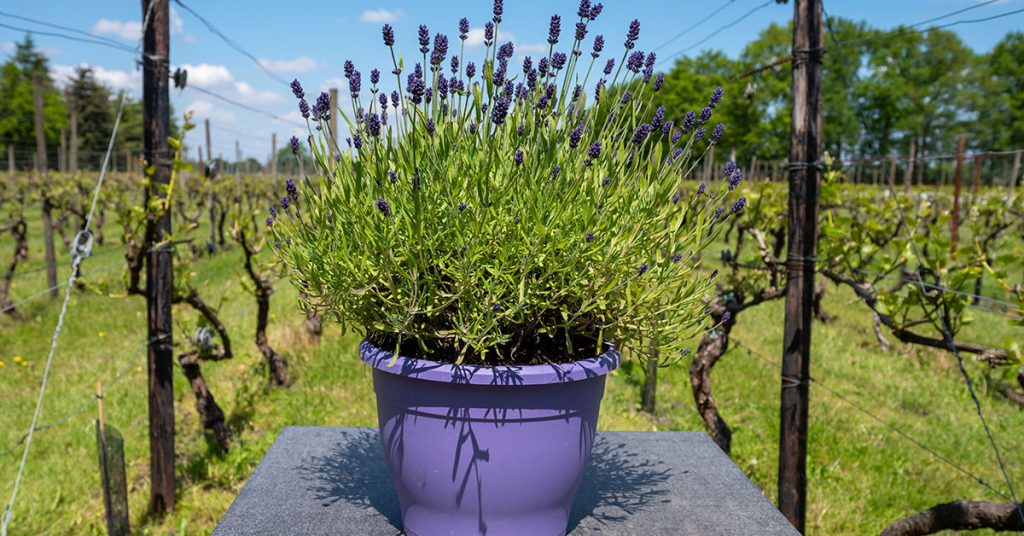
There’s nothing more disheartening than watering a flowering perennial—say, a lavender (native to the Mediterranean)—only to see its buds shrivel or petals drop the next day. Too much direct light, especially in the midday heat, can sap flower longevity, causing blooms to wilt before they even open fully.
By shifting to a spot that catches gentle morning rays and filtered afternoon sun, you give blossoms a chance to develop proper fragrance and color. I’ve watched my once-sad petunias explode into vibrant, long-lasting displays after adding a simple lattice for shade—proof that the right light balance makes all the difference!
Soil Surface Scorches and Cracks
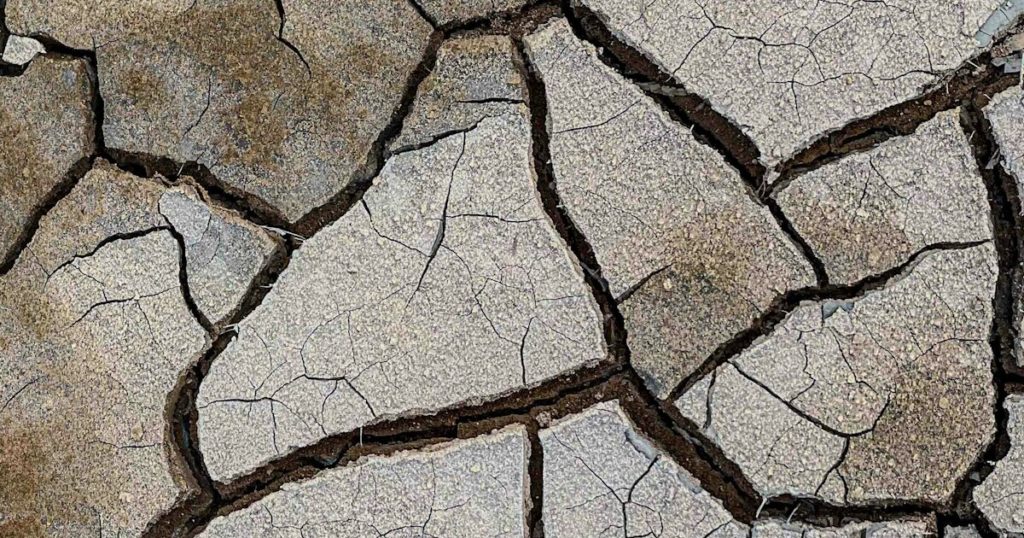
If the topsoil bakes hard and cracks between watering, your plant’s roots are baking too. For moisture-loving species like ferns (many of which are native to shaded woodland floors and not invasive when grown responsibly), this rapid evaporation can stunt root function and lead to sudden wilting.
Partial shade slows surface drying, preserves soil structure, and keeps beneficial earthworms active near the top—essential behavior for aerating roots and cycling nutrients. I once rescued a parched hosta bed by installing a shade sail; within days, the soil regained its fluffiness, and the leaves unfurled with gusto!
Leaves Display Bleached or Faded Patches

Bleached white spots or pale patches on leaves often signify sunscald—tiny “burn” injuries from intense ultraviolet exposure. I noticed this on a potted Japanese maple (Acer palmatum, native to Japan and rarely invasive) when its delicate leaf lobes turned ghostly pale at midday. It was screaming out for some filtered light!
Relocating to an area with dappled shade restored the tree’s striking red foliage within weeks, and new leaves emerged rich in color. Partial shade replicates the understory of its woodland home, where light filters through a canopy—exactly the environment these plants evolved to love!
Frequent Wilting in Afternoon Heat

Even well-watered plants can wilt like damp rags under hot afternoon sun. I’ve seen my peace lilies (Spathiphyllum, native to tropical Americas) droop dramatically around 2 pm every summer—no matter how much I soaked them in the morning.
By moving them to a spot shaded by taller shrubs or beneath a pergola, the wilting vanished. Their midday behavior changed from desperate droop to relaxed upright posture—proof that moderating light intensity keeps turgor pressure high and leaves perky all day long!
New Leaves Appear Small or Distorted
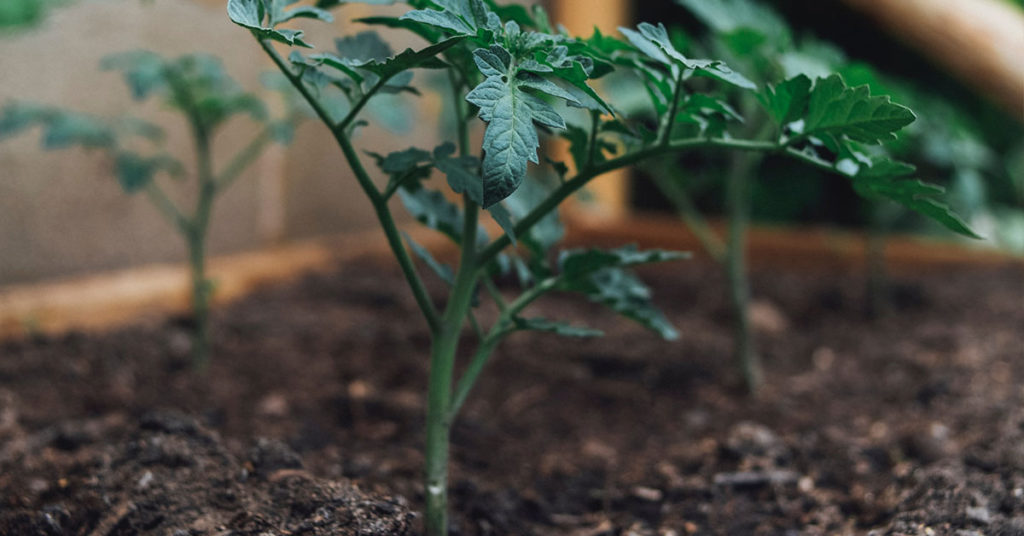
When tender new growth comes out undersized, curled, or misshapen, the plant is prioritizing survival over expansion. Sun-sensitive natives like caladiums (Caladium bicolor, native to Brazil and not invasive in cooler climates) often produce stunted foliage if exposed to unfiltered light beyond morning hours.
Partial shade encourages healthy leaf development by reducing heat stress on emerging buds. I’ve watched caladiums transition from scrawny, half-formed leaves to lush, full-size foliage once I provided them with just the right amount of filtered light—an absolute game-changer!
Flowers Lean or Angle Away From the Sun
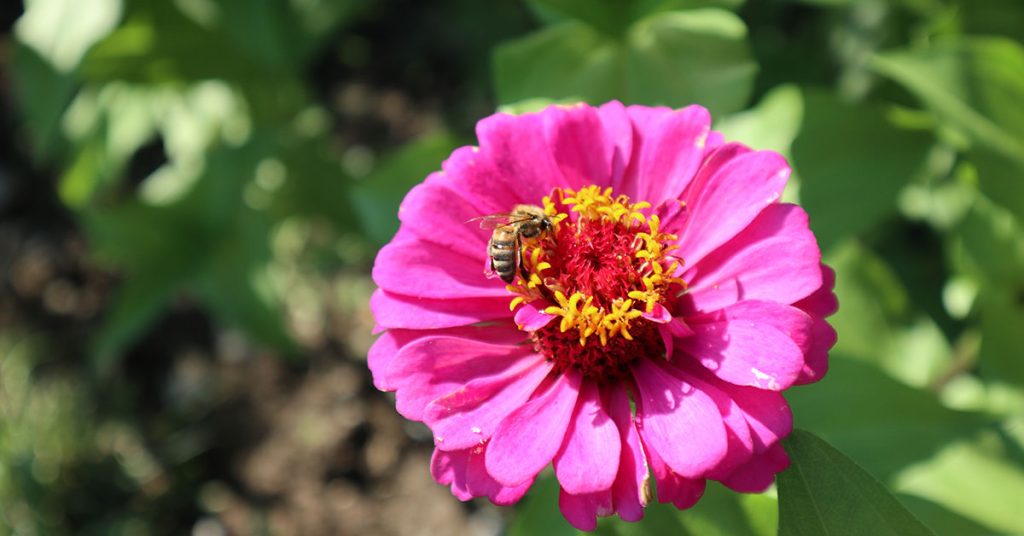
If your flowering stems bend or twist dramatically to escape direct rays—say, gaura (Gaura lindheimeri, native to Texas prairies)—that’s a clear sign they’d prefer gentler illumination. I spotted gaura blooms consistently bending backward around high noon, a behavior that looked like they were shyly hiding from the sun!
By relocating to a spot with late-afternoon shade, the stems stood straighter, distributing their blossoms evenly. The change not only boosted their structural integrity but also gave pollinators easier access—a win-win!
Unexpected Leaf Drop During Sunny Periods
Shedding leaves under bright, hot conditions—even when you’ve been consistent with care—signals sun stress. My rubber plant (Ficus elastica, native to India and Malaysia) once shed a quarter of its foliage when moved to a sunnier window; it was clearly begging for some shade!
Moving it a few feet back from the glass reduced light intensity, and the drop stopped. New leaves unfurled without drama, showing clear nesting behavior from beneficial mites that patrol healthy foliage—proof that shaking off sun stress lets your plant reclaim its protective allies!
Flowers or Leaves Develop Burnt “Halo” Rings

Some plants develop brown rings or “halos” around leaf edges or flower petals after intense sun exposure. I saw this on my camellias (Camellia japonica, native to East Asia, not invasive in most home gardens) when their outermost petals developed crisp rings under harsh midday glare.
Gifting them partial shade preserved their glossy leaves and flawless blooms. It feels like creating a natural sunscreen for your plants—providing UV protection without chemical sprays!
Potted Plants Seem to Overheat in Containers

Containers absorb and radiate heat more aggressively than ground soil. I’ve had potted begonias (Begonia spp., many native to tropical forests) steam in black plastic pots by midday, causing root damage and leaf drop.
Switching to lighter-colored pots, adding a shade cloth, or moving them under a tree’s canopy—these partial-shade strategies kept root temperatures comfortable. The plants bounced back with fuller leaf sets and steadier moisture uptake—no more surprise midday meltdowns!
Reduced Pest and Disease Outbreaks

Ironically, too much sun can make plants more vulnerable to pests and diseases. Stress from prolonged glare weakens defenses, inviting powdery mildew or spider mites. My phlox (native to eastern North America) only developed powdery mildew patches when I planted it in full sun; once it enjoyed morning light and afternoon shade, the outbreaks ceased!
Dappled light keeps foliage cooler and less hospitable to heat-loving pathogens. Your plant’s natural behaviors—like hosting beneficial predatory insects—are reinforced, so it remains balanced and robust in partial shade.