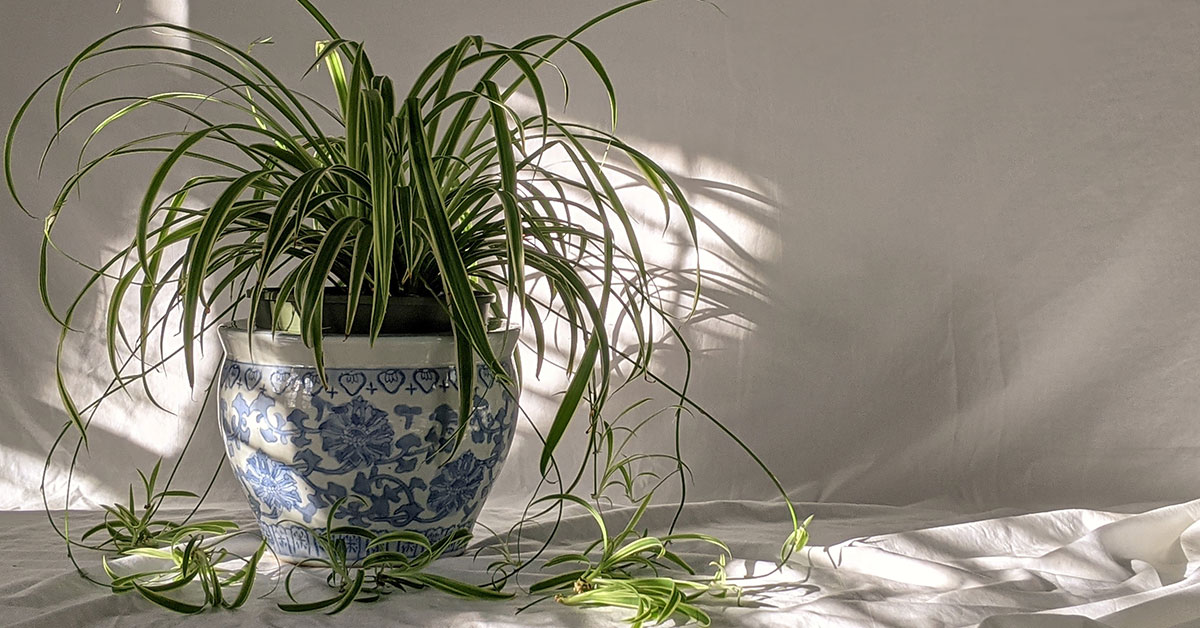

I’m thrilled you’re diving into the world of spider plant (Chlorophytum comosum) care! These adaptable houseplants hail from the forests and grasslands of South Africa, where they’ve evolved to handle both bright shade and sporadic rainfall. While they’re not considered invasive in most regions—though they can naturalize if discarded outdoors in frost-free areas—their lush, arching foliage and prolific “spiderettes” make them irresistible additions to any indoor jungle.
It’s such a bummer when your once-vibrant spider plant starts to suffer under your loving care. Overwatering is one of the most common missteps, leading to root rot, fungal problems, and unhappy leaves. I know how frustrating it is to see brown tips or limp offshoots after diligently watering. Let’s explore eleven telltale signs that your spider plant might be swimming in too much H₂O—and how to troubleshoot each one!
Mold or Algae on Soil Surface
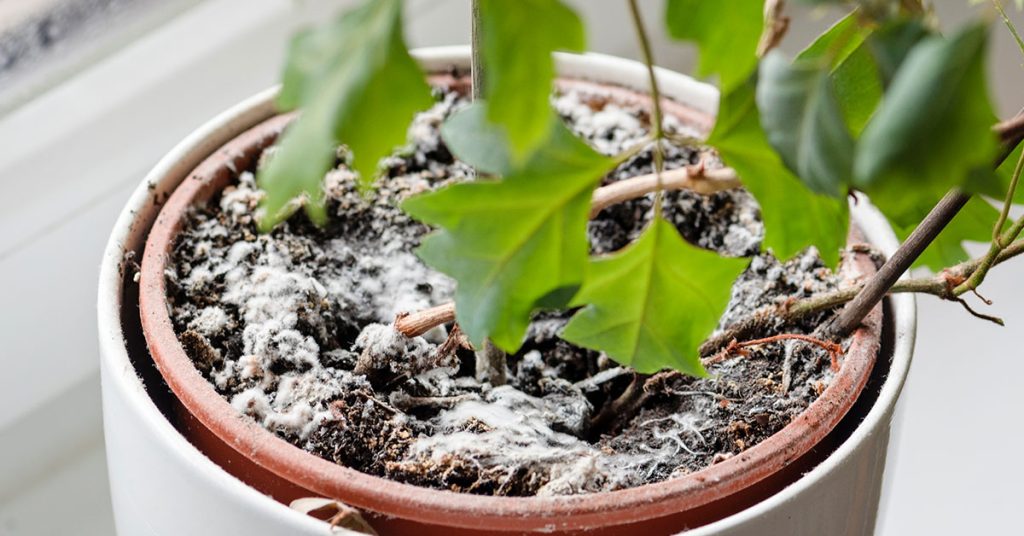
Spotting a greenish or white fuzzy film on the topsoil can send shivers down any gardener’s spine! This mold or algae thrives in constantly damp conditions, feeding on organic matter in the potting mix. You might notice tiny white specks moving—springtails, those little soil-dwelling insects that nest in moist environments.
Parsimonious watering and allowing the top inch of soil to dry between waterings usually solves this. Remember, spider plants are native to regions with distinct wet and dry seasons—don’t try to mimic a rainforest year-round. A quick tip: gently scrape off the affected surface and improve drainage by adding a handful of perlite or orchid bark into the mix. Your plant will breathe easier!
Fungus Gnats Around the Pot

Those tiny buzzing gnats that hover near your plant aren’t harmless bystanders—they lay eggs in wet soil, and their larvae feast on roots and organic debris. Overwatered spider plants create the perfect breeding ground. I once spent an entire afternoon scooping out larvae—such a chore!
To break the gnat life cycle, water less frequently and let the soil’s surface dry out. You can also place a layer of horticultural sand atop the potting mix; it’s too dry for gnats to penetrate. Your spiderettes will thank you with healthier growth!
Mushy or Brown Roots When Repotting
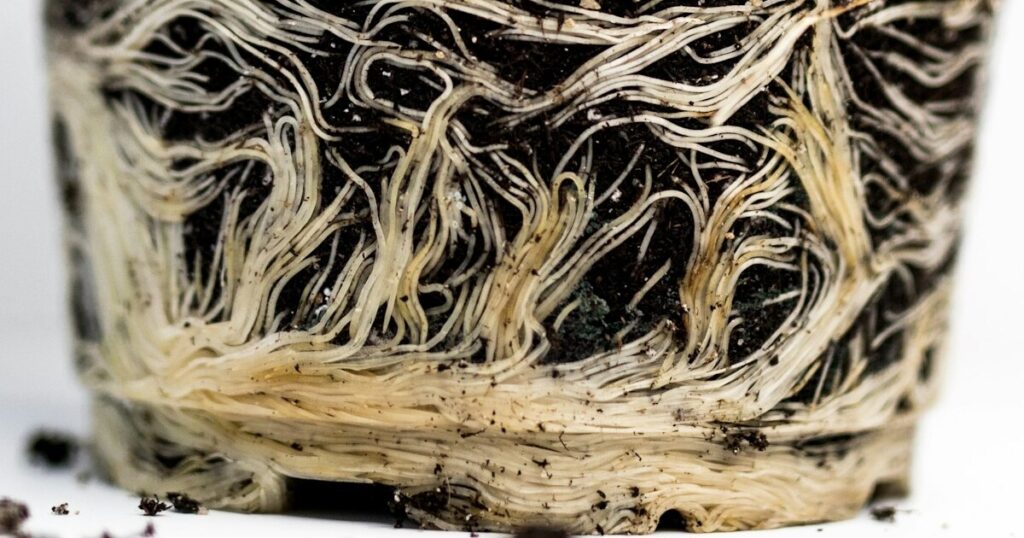
When you unpot your spider plant, the roots should feel firm and crisp. If they’re mushy, brown, or smell sour, that’s classic root rot from too much moisture. Healthy roots are pale and springy—think of them as your plant’s lifeline, delivering oxygen and nutrients.
Rescuing a root-rot victim means trimming away all mushy sections with sterilized scissors, then repotting in fresh, fast-draining soil. Since spider plants are native to well-draining forest floors, they don’t tolerate waterlogged conditions. After repotting, water sparingly until you see new white roots forming!
Brown Leaf Tips and Edges

Those telltale crispy brown tips can indicate a host of issues, but overwatering is a prime suspect when the browning is accompanied by general leaf limpness. Excess water blocks oxygen around the roots, causing leaf tissue to die back at the extremities first.
To help your green friend, reduce watering frequency and check that your pot has adequate drainage holes. You might even see tiny earwig or pillbug activity in overly damp soil—these critters are nature’s recyclers but can nibble on weakened leaves. Drying out the soil will encourage your spider plant to thrive again!
Soft, Limp Spiderettes
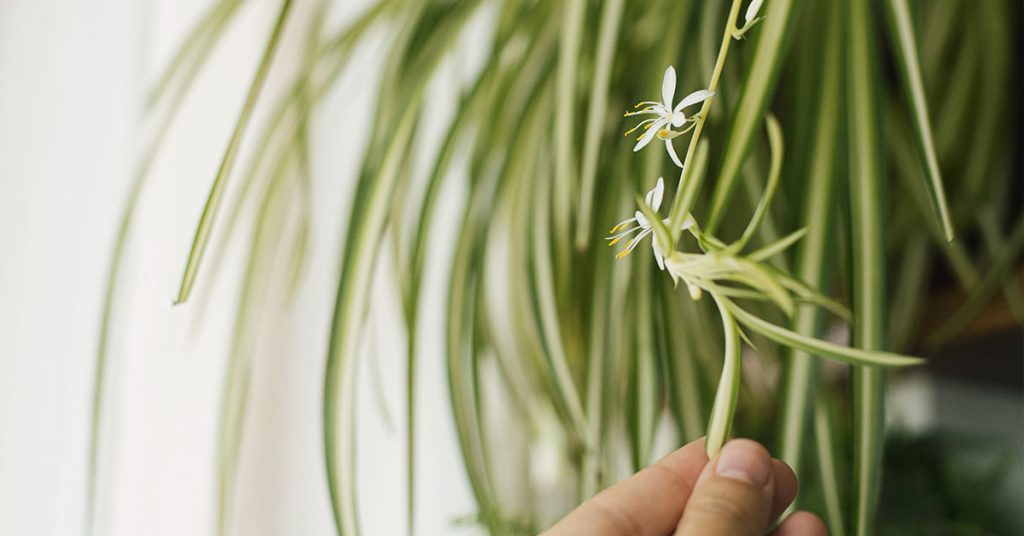
Your plantlets—or “spiders”—should be perky and firm. If they’re soft, drooping, or starting to yellow at the base, that’s a cry for less water. In their native South African habitat, spider plants endure drier spells before sending out runners, not constant saturation.
Try snipping off the limp spiderettes (which you can still propagate once they’ve dried a bit) and adjust your watering routine. The parent plant will redirect energy into new, healthier offshoots once its roots are happy again!
Drooping or Wilting Foliage
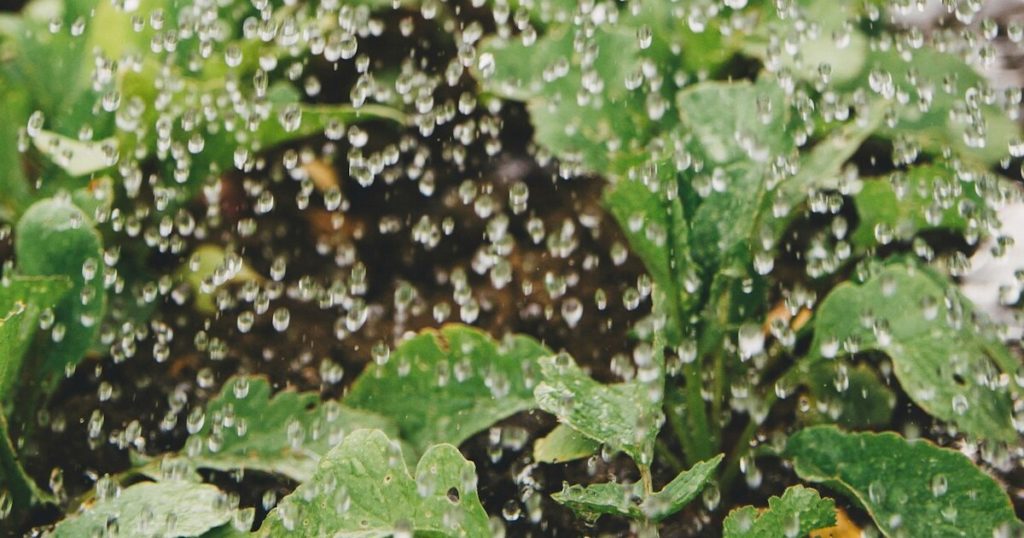
Wilting might seem counterintuitive when you’ve been giving your plant extra TLC with more water. But like us, spider plants can “drown” in kindness. Overwatered roots suffocate, and the leaves droop in protest—almost like a plant fainting from oxygen deprivation.
Let the pot drain completely, and remove any excess water from saucers. Once the soil surface feels dry, resume a lighter watering schedule. You’ll soon see those elegant arching leaves revive, as if your plant is saying, “Thanks for letting me breathe!”
Foul Smell from Soil or Plant Base
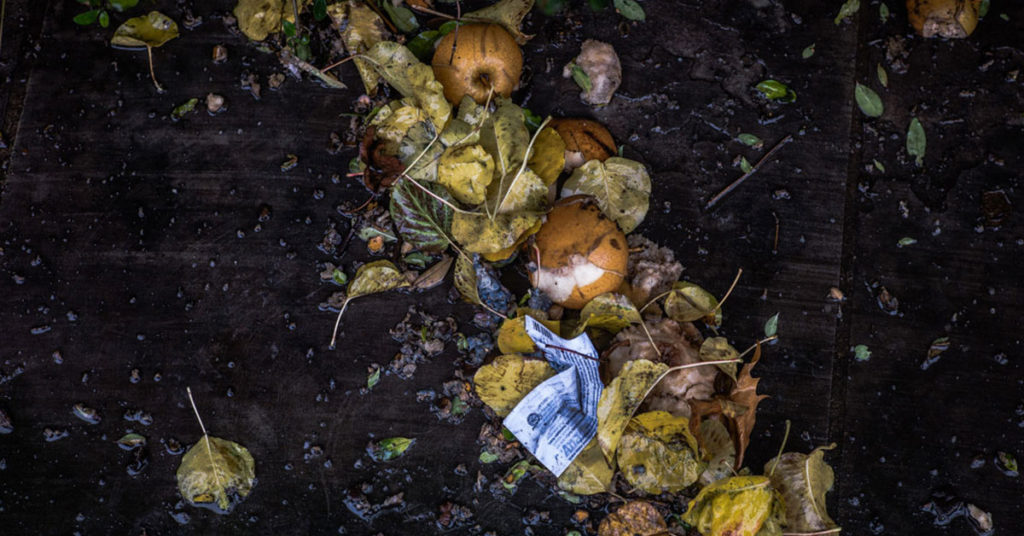
A sour, rotten odor at the soil surface or around the crown signals bacterial or fungal growth—root rot in full swing. It’s the plant’s SOS, telling you it’s drowning. I remember finding that unmistakable funk and thinking, “Oh no, what have I done?”
Immediate action is vital: inspect roots for rot, trim as needed, and repot in a fresh, chunky mix. Incorporate charcoal into the soil to absorb odors and aid aeration. Soon, the awful smell will give way to the fresh, earthy scent of a healthy potting mix!
Mushrooms or Fungal Growth
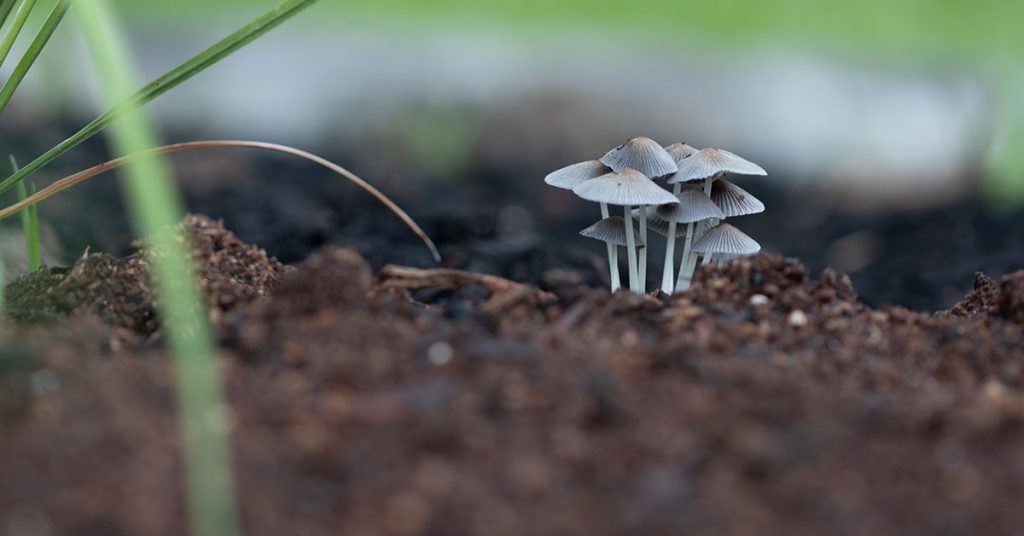
Those little umbrella-shaped fungi popping up on your soil are a clear sign of persistent dampness. While mushrooms themselves aren’t directly harmful, they indicate conditions ripe for pathogenic fungi that can attack your spider plant’s roots.
Break the cycle by removing any fruiting bodies and letting the soil dry. Adding a thin layer of coarse sand on top can discourage further fungal growth. Your plant will reward your diligence with vigor and new shoots!
Yellowing Leaves
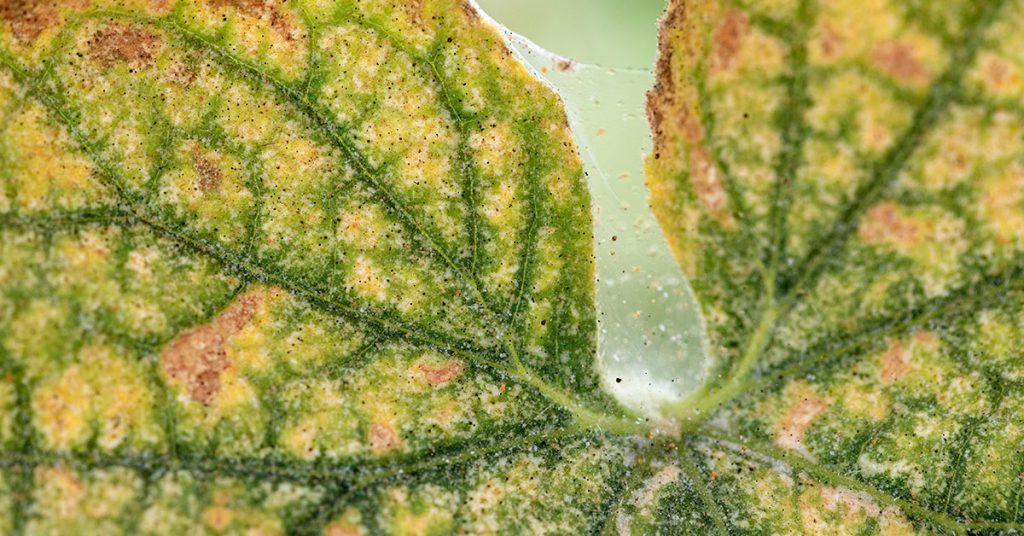
Yellow leaves scattered among healthy green ones can be confusing, but when paired with wet soil, they scream overwatering. Chlorophyll production stalls when roots lack oxygen, and leaves turn pale as they can’t photosynthesize effectively.
Cut back on watering and ensure your potting medium contains elements like perlite that promote drainage. I love seeing uniform green return to my spider plants once they’ve dried out—like they’re brightening up after a spa day!
Stunted New Growth

If your spider plant seems to outgrow its pot in the past but now barely produces fresh leaves, too much water might be the culprit. Overly damp soil can stunt root development, limiting new foliage.
Give your plant a chance to start fresh: repot into a slightly larger container with fresh, airy mix, then water sparingly. Watch in anticipation as those vigorous new shoots begin to emerge—so rewarding!
Excessive Leaf Drop

Spider plants naturally shed older leaves, but if you suddenly see whole stems dropping, overwatering is likely at fault. The plant prioritizes saving a few leaves when roots are distressed.
Gather up the dropped leaves (and any small snails or springtails you might find hiding among them) and adjust your watering practices. Letting the soil dry partially before watering helps your spider plant stabilize and hold onto its foliage again!