

There’s nothing quite like watching a pothos (Epipremnum aureum) cascade its glossy heart-shaped leaves from a hanging basket or climb a moss pole—no wonder one of my favorite houseplants has graced windowsills worldwide! Native to the lush forests of Moʻorea in French Polynesia, pothos thrives in well-draining mixes and bright, indirect light. In its natural habitat, its aerial roots cling to tree trunks and create cozy nooks where tiny insects and even small frogs can nest. While not generally considered invasive, in warm, humid climates it can escape cultivation and carpet the forest floor, so keeping an eye on its growth is key.
I know how frustrating it is when watering sessions start to feel like a race—either water gushes straight through, or the pot becomes a swamp that drowns roots! Repotting can seem like a chore you’d rather avoid, but catching the signs early saves your pothos from stress and supports its rapid growth. Here are 11 telltale clues that your vine friend is due for a fresh home.
Soil compaction and poor aeration
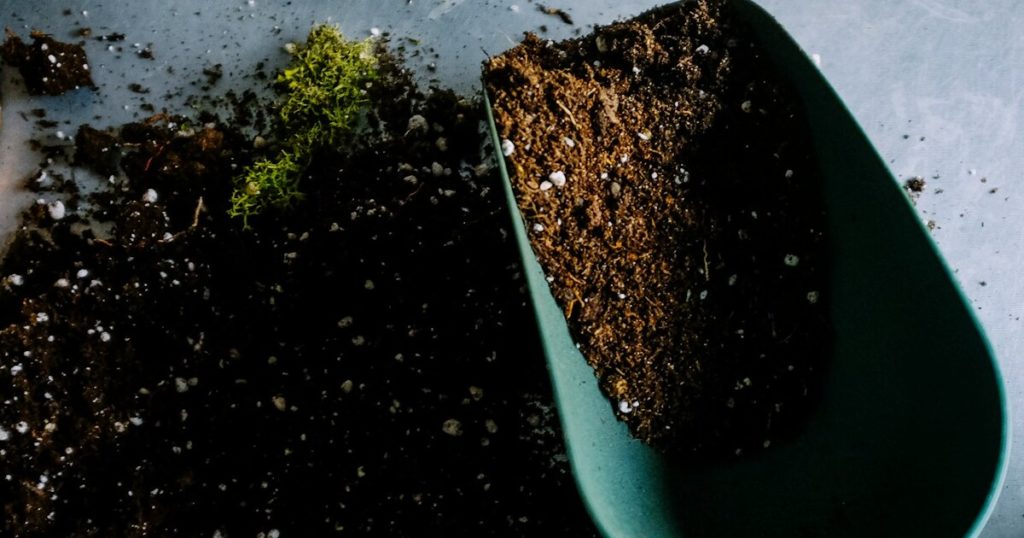
Over time, potting mix breaks down into dense clumps, making it hard for air and water to penetrate. I once poked my finger into a pothos pot only to find soil so compacted it felt like mortar! Without proper aeration, roots suffocate and can’t access the moisture and nutrients they need.
Fresh mix—ideally a blend of peat, orchid bark, and perlite—recreates the airy, forest-floor substrate that pothos evolved in. This not only revitalizes root health but also offers tiny pockets where beneficial springtails can thrive, helping to break down organic debris harmlessly.
Roots spiraling around the root ball
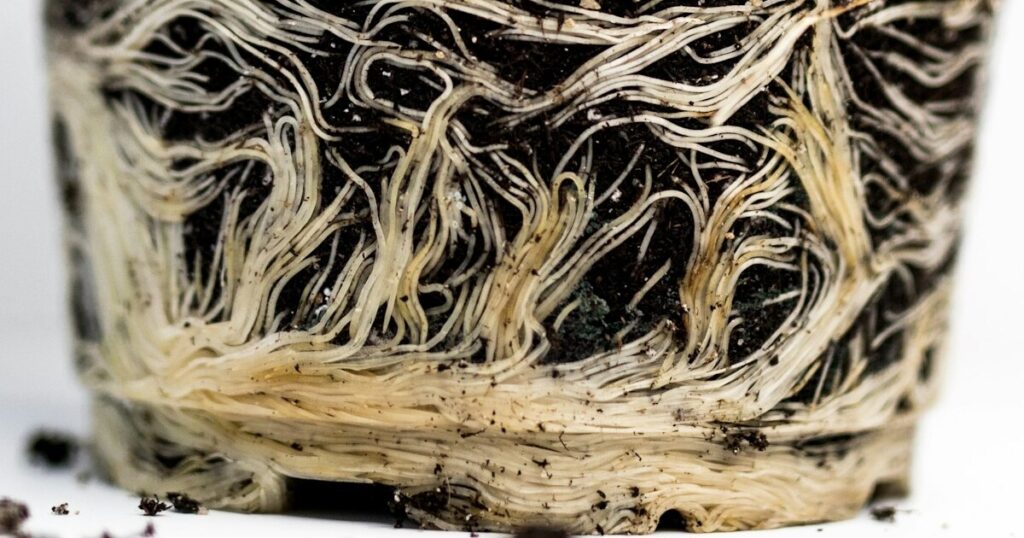
When you slide the plant from its pot, you might spy a dense swirl of roots circling the perimeter—classic root-bound behavior. I remember freeing a pothos that had roots coiled so tightly they held the soil like a solid donut! In this state, roots lack space to grow outward, and struggling fibers at the center can rot.
Moving into a slightly larger container gives those roots room to branch and forage. As they explore fresh soil, they’ll anchor more firmly and draw in nutrients more evenly, reducing the risk of pockets of dry or waterlogged earth.
Water pooling on the soil surface

If water just sits on top and refuses to sink in, it’s a sign the old mix has become hydrophobic. I once watered three times before the soil even moistened! This leads to dry spots that starve roots, while the surface stays soggy and invites fungal gnats to lay eggs.
A repot refresh disrupts that waxy, dried-out layer and restores balanced moisture uptake. New soil soaks up water like a sponge, ensuring every root strand gets hydrated without leaving the crown sitting in water.
Yellowing lower leaves despite regular feeding
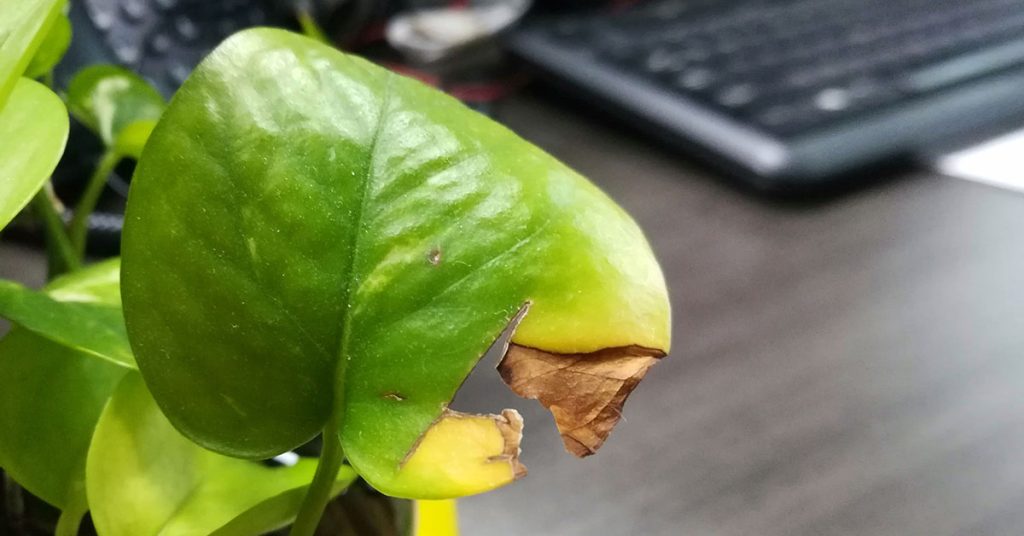
When nutrients can’t reach roots effectively due to compacted or spent soil, older leaves turn yellow and drop off. I fed my plant monthly yet watched its lower vines fade—like a road blocked by debris, the nutrients simply couldn’t travel.
Repotting resets the fertility clock. Mixing in slow-release organic fertilizer or worm castings at planting time offers a gentle, steady nutrient supply, bringing back vibrant green and putting an end to unsightly defoliation.
Pot becoming surprisingly top-heavy
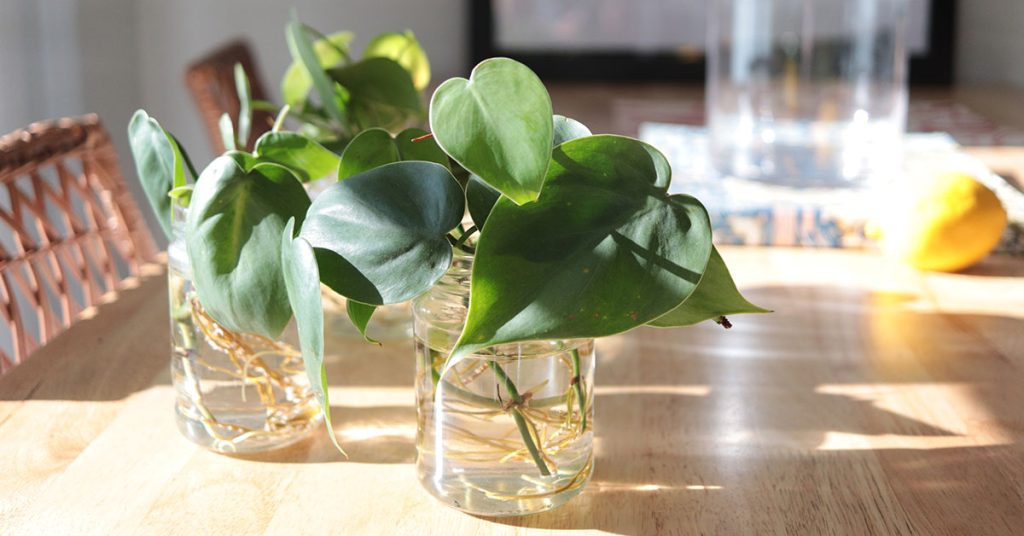
If your pothos starts tipping over the moment you touch it, that’s a sign its vines outgrew the container’s footprint. I’ve rushed to catch mine mid-fall more than once! A deeper or wider pot provides better balance and frees roots to grow downward as stems climb upward.
A stable base also lets you incorporate a moss pole or trellis without worrying about the whole setup toppling. As roots wrap around these supports, they mimic the plant’s natural climbing behavior—and may even host nesting insects and spiders that help manage pests.
Salt and mineral buildup on rim and soil

White crusts forming around the pot’s edge indicate accumulated fertilizers and hard-water minerals. This buildup can alter pH and hinder moisture movement, leaving roots parched or chemically burned. My first buildup looked like a dusting of snow—so deceptive!
Gently rinse the roots when repotting, then switch to filtered water if possible. Fresh soil resets the chemical balance, ensuring your pothos can absorb nutrients smoothly without harsh mineral shocks.
Roots emerging from drainage holes

When thick roots poke out the bottom, they’re screaming for space. I once caught a root snaking along the saucer like a little snake! Ignoring this pushes roots outside the pot, exposing them to air-dry conditions that lead to shriveled strands and reduced water uptake.
Lifting the plant into a roomier container wraps those stray roots back in nourishing soil. As they reclaim moisture and nutrients, the entire root system—inside and out—grows sturdier and more resilient.
Soil dries out within hours of watering

If you find yourself watering daily just to keep leaves perky, your plant may be root-bound or in a too-large, coarse pot where water drains too fast. I’ve watered until my wrists ached, only to see drooping leaves by evening!
A fresh repot into an appropriately sized container with balanced mix retains moisture longer without becoming soggy. Your watering regime shifts from frantic to casual, and roots can draw from a consistent reserve.
Visible root rot or slimy patches

Soft, darkened roots or a sour smell signal rot—often resulting from old soil that holds too much moisture around damaged roots. Catching rot early can save the plant, but it usually requires cleaning away infected bits and giving remaining roots fresh ground.
When repotting, gently prune away mushy roots, dust cuts with cinnamon as an antifungal, and place the plant in a dry mix. This treatment mimics the drier periods pothos experienced in springtime rains of its native forests, helping it rebound.
More than two years since last repotting

Even if no dramatic signs appear, a biennial refresh maintains ideal conditions. I once skipped a repot and later regretted the sluggish growth that followed! Over years, soil gradually loses structure, nutrients dwindle, and root health diminishes.
Regular repotting into fresh, airy mix encourages steady growth spurts, vibrant foliage, and robust aerial roots. It’s preventive care that spares you from crisis repots when the plant truly struggles.