
It’s easy to panic when your plants start looking droopy, crispy, or thirsty seemingly out of nowhere. The first thought is often, “What’s wrong? Am I doing something wrong?” But sometimes, the culprit isn’t bad care—it’s simply the natural shift in seasons. Plants, whether indoors or outdoors, respond to changes in light, temperature, and humidity just as much as they do to water and nutrients. Recognizing these seasonal signals can save you from overwatering or making unnecessary changes that might actually stress them further.
I’ve learned over the years that plants have their own seasonal rhythm, and it doesn’t always match our expectations. Some drop a few leaves in the fall as part of their natural cycle, while others slow their growth in winter and need less water. It can feel unsettling, especially if you’ve worked hard to keep them healthy all summer. But by spotting these seasonal patterns, you can give them exactly what they need—no more, no less—and rest easy knowing they’re just adjusting to nature’s schedule.
Shorter Daylight Hours Trigger Resting Phases

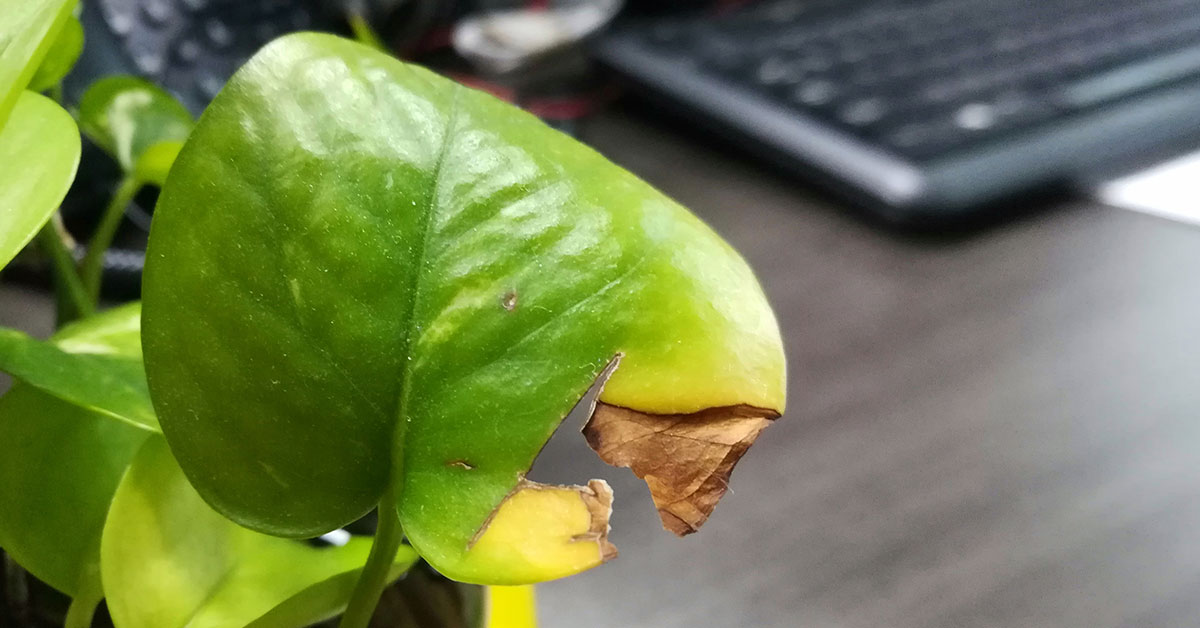
As autumn approaches and days grow shorter, many plants naturally slow their growth. For tropical species like pothos (Epipremnum aureum), native to the Solomon Islands, this can mean they pull back on water uptake because their energy needs drop. That slower growth rate can make them look like they’re drying out when they’re really just conserving energy.
You might see fewer new leaves or a pause in flowering during this time. Instead of watering more to “wake them up,” it’s often better to adjust to their slower pace. This keeps the soil from staying overly wet, which can lead to root rot.
Indoor Heating or Cooling Changes Humidity

Seasonal shifts indoors can be just as impactful as outdoor weather. When heating systems kick in, humidity levels drop, leaving plant leaves more prone to browning at the tips. Conversely, during summer air conditioning, cold dry air can have a similar effect. Peace lilies (Spathiphyllum spp.), native to tropical Americas, are especially sensitive to these changes.
While it may look like the plant is thirsty, the real issue is dry air, not dry soil. Using a humidifier, grouping plants together, or placing them on a pebble tray can help restore the moisture they crave without overwatering.
Seasonal Leaf Shedding
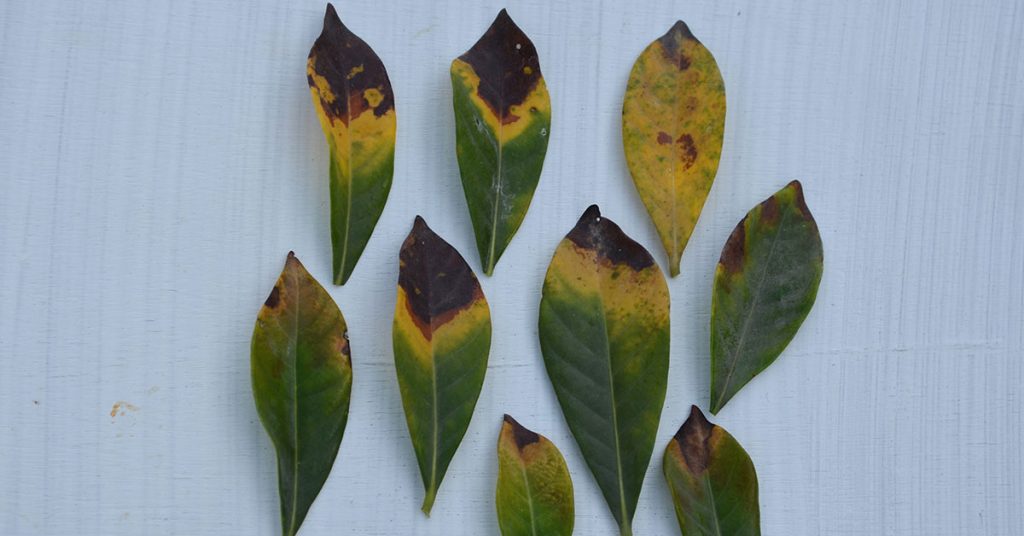
Some plants naturally shed older leaves when the seasons shift. Fiddle-leaf figs (Ficus lyrata), native to West Africa, often drop a few lower leaves in fall as light levels decrease. This is simply a way of reallocating resources to newer growth that will carry the plant through the darker months.
It’s easy to mistake this shedding for a sign of dehydration, but if new growth looks healthy and the soil is properly moist, it’s just part of the cycle. Removing the dropped leaves and maintaining consistent care is all that’s needed.
Changes in Sunlight Intensity
Even if your plant is in the same spot year-round, the angle and strength of sunlight change with the seasons. In winter, light is weaker and comes in at a lower angle, which can reduce evaporation from the soil and make plants appear to dry slower. Cacti from arid regions like Mexico may still wrinkle slightly as they shift to their cool-season rest.
Instead of increasing watering frequency, focus on adjusting light exposure. Moving plants closer to windows or supplementing with grow lights can help them maintain steady hydration and avoid confusion between light stress and drought.
Dormancy in Bulb or Tuber Plants

Plants that grow from bulbs or tubers, such as amaryllis (Hippeastrum spp.), native to South America, often go dormant at certain times of the year, regardless of indoor climate. As part of their cycle, their leaves may yellow and die back, giving the impression of severe dryness.
In reality, they’re simply storing energy below ground for the next growth phase. Trying to “revive” them with extra water during dormancy can cause rot. The best approach is to let them rest until new growth emerges naturally.
Seasonal Outdoor Conditions Affect Indoor Plants
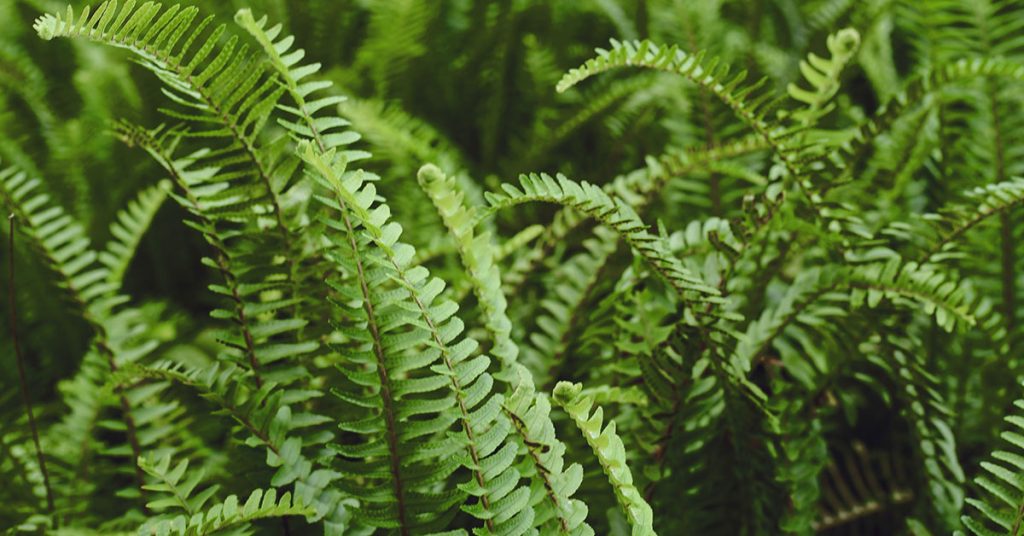
If you keep windows open during spring or fall, your houseplants may experience outdoor-like fluctuations in temperature and humidity. Ferns like Boston fern (Nephrolepis exaltata), native to tropical regions, might lose some fronds during drier, cooler breezes.
While it looks like dehydration, it’s just a response to environmental changes. Closing windows during colder nights and maintaining more stable conditions inside can help them adjust smoothly.
Flowering Cycles Ending

Many flowering plants have defined blooming seasons, after which they slow growth and need less water. Orchids (Phalaenopsis spp.), native to tropical Asia, often reduce water uptake once their blooms drop in late fall or early winter. The plant may look a bit wilted, but it’s actually shifting into a recovery phase.
This is a perfect time to slightly reduce watering and let the plant focus on replenishing its energy for the next bloom cycle. Overwatering during this period can lead to root damage.
Seasonal Fertilizer Adjustments

As plants slow down in fall and winter, they require fewer nutrients. Continuing to fertilize heavily can cause root burn, leading to symptoms like brown tips or crispy edges. Spider plants (Chlorophytum comosum), native to southern Africa, can show these signs even when the soil is moist, making it look like they’re drying out.
Reducing feeding during slower months not only prevents this problem but also mimics the plant’s natural seasonal rhythms, allowing for healthier growth when spring returns.
Natural Seasonal Curling or Folding
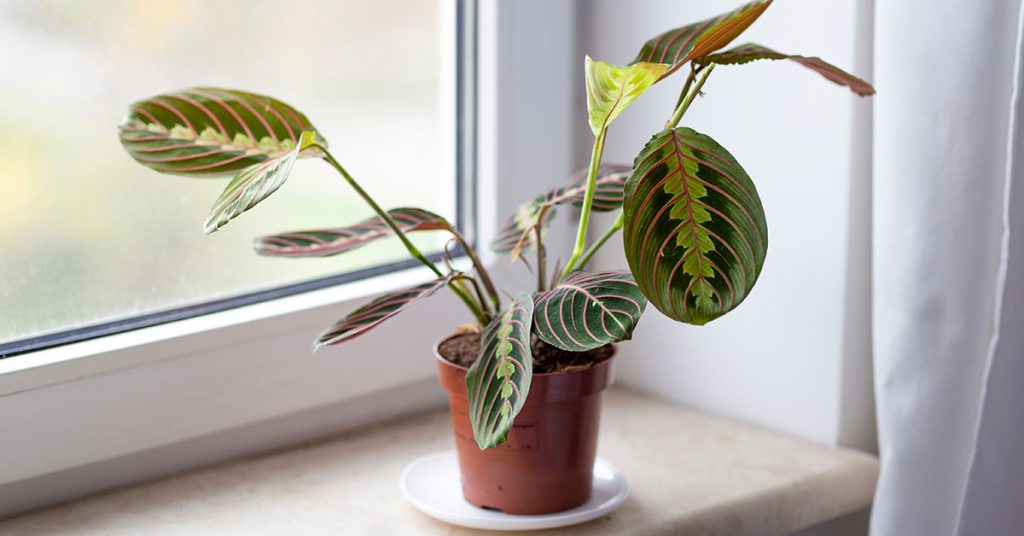
Certain plants exhibit leaf curling or folding as a normal seasonal adaptation. Prayer plants (Maranta leuconeura), native to Brazil, fold their leaves more often during darker months to conserve energy. This might give the impression they’re stressed or dry, but it’s simply a natural rhythm.
Checking the soil moisture before assuming they need more water helps avoid overcompensating. A consistent watering schedule, adjusted for seasonal growth rates, will keep them healthy.
Root Growth Slowing in Cooler Months
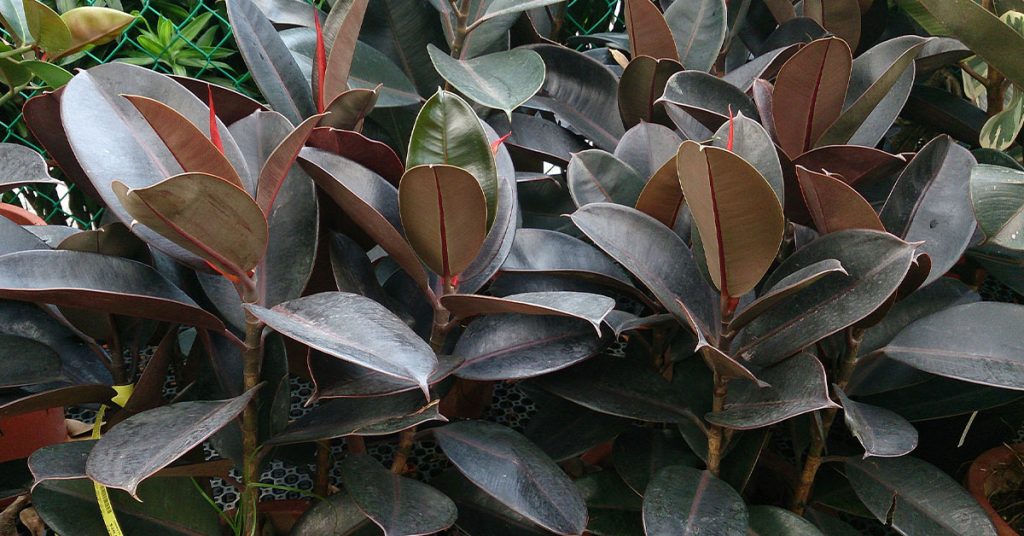
In cooler seasons, root development slows down, meaning plants take up less water. This can leave the top layer of soil looking dry while the root zone remains moist. Rubber plants (Ficus elastica), native to Southeast Asia, often show this pattern in fall and winter.
Probing deeper into the soil before watering ensures you’re responding to the plant’s actual needs instead of the surface appearance. This prevents waterlogging while still meeting seasonal requirements.
Outdoor Plants Reacting to Frost or Cold Nights
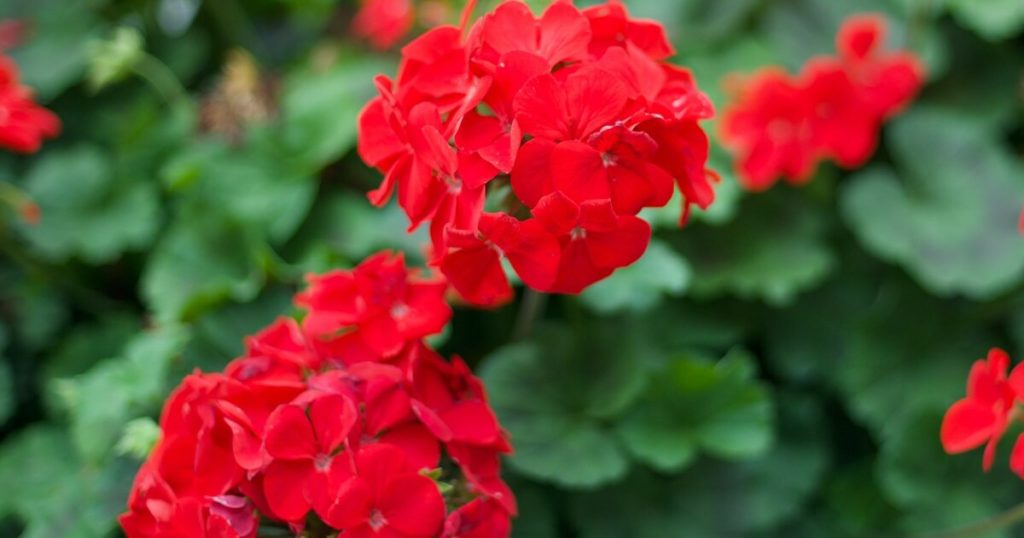
For plants that summer outdoors but come inside in fall, the first brushes of frost or cool evenings can trigger wilting or slight leaf crisping. Geraniums (Pelargonium spp.), native to South Africa, might look dehydrated after a chilly night but are simply reacting to temperature stress.
Once indoors, they usually recover quickly as long as they’re given stable warmth and light. This transition period is normal, and a little patience goes a long way in helping them adapt without unnecessary watering.