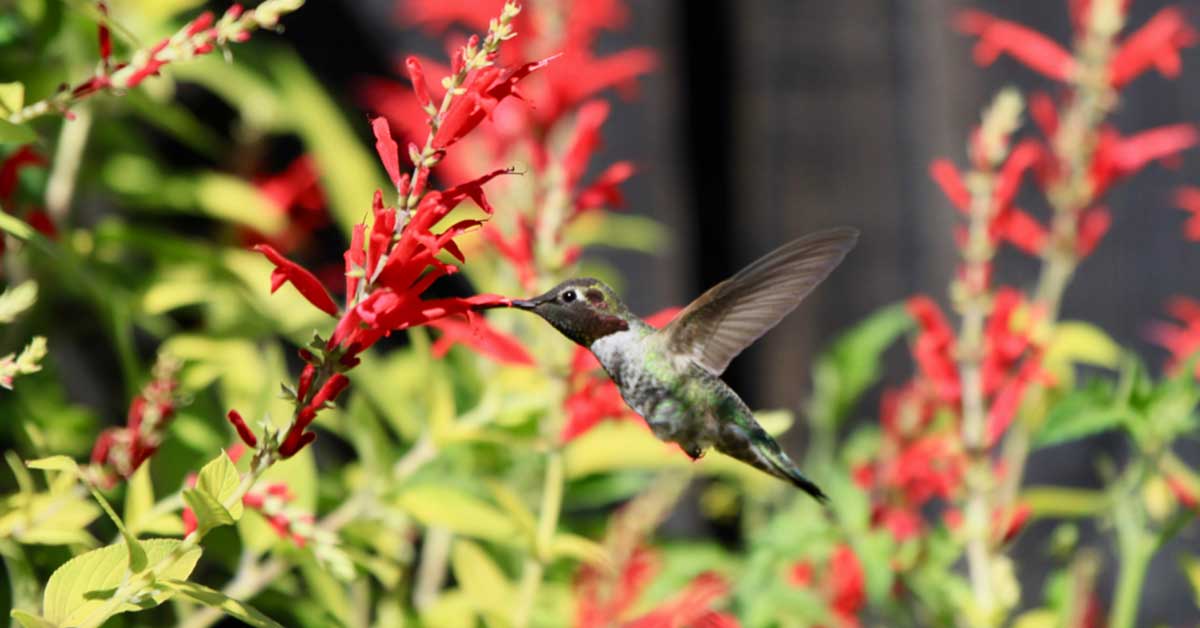

Watching a hummingbird hover in midair, its wings a blur as it dips into a flower for nectar, is one of the great joys of gardening. As someone who’s spent countless hours coaxing blooms from bushy borders (and yes, wrestling with the occasional pest invasion—it’s such a bummer when you see holes in your prized flowers!), I’ve discovered that certain shrubs are irresistible to these tiny aerial acrobats. By planting nectar-rich shrubs, you not only enjoy spectacular blooms from spring through fall, but you also support the hummingbirds’ energy needs and nesting behaviors, making your garden a thriving wildlife oasis.
In this article, I’ll introduce you to 11 exceptional shrubs that reliably produce abundant, tubular flowers perfect for hummingbird feeding. Each of these plants has its own story—whether native to North America, Asia, or the Mediterranean—and none are invasive when grown responsibly in garden settings. You’ll learn about their bloom times, cultural requirements, and the delightful way each one attracts and sustains hummingbirds (and often small butterflies and bees) throughout the growing season. Let’s dive into the world of these hummingbird magnet shrubs!
Butterfly Bush (Buddleia davidii)
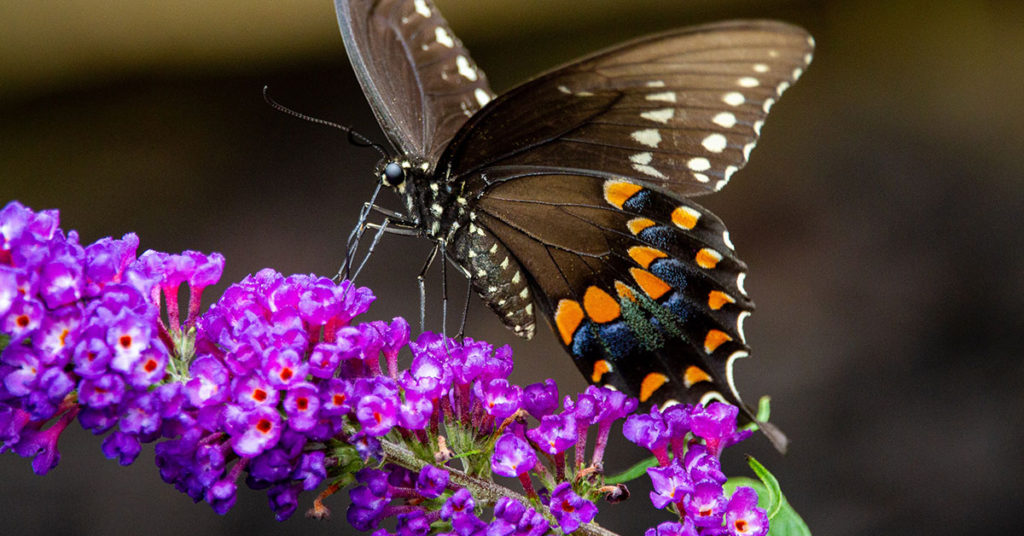
Butterfly Bush, native to China and Japan, is celebrated for its long clusters of nectar-rich flowers in shades of purple, pink, and white that bloom from early summer through fall. In my garden, Buddleia’s sweet scent and abundant blossoms act like a beacon for hummingbirds and butterflies alike, drawing them in for extended feeding sessions. Its woody stems form dense, arching mounds that provide both nectar and potential nesting cover for small birds, creating a lively wildlife retreat.
While Butterfly Bush can self-seed, choosing sterile cultivars or deadheading spent flowers prevents it from becoming invasive, ensuring it remains a well-behaved garden resident. The plant thrives in full sun and well-drained soil, requiring only occasional pruning to maintain shape and encourage continuous flowering. For gardeners seeking a showy, long-blooming shrub that hummingbirds adore, Buddleia davidii is a top performer!
Fuchsia (Fuchsia magellanica)

Fuchsia magellanica, the hardy fuchsia, hails from South America and brings elegant, drooping blooms in vibrant red and purple combinations that appear from late spring to autumn’s first frost. Their pendulous flowers are perfectly shaped for hummingbird beaks, making them a favorite stopover in my hanging baskets and shaded borders. Small hummingbirds zip in to sip the nectar, and I often spot tiny spiders setting up webs among the blooms—a natural check on pests!
These fuchsias thrive in part shade and rich, well-drained soil, and they’re surprisingly hardy in temperate climates. Regular deadheading encourages even more flowers, and occasional pruning after flowering keeps them looking tidy. Because Fuchsia magellanica does not spread aggressively, it’s an excellent choice for containers and garden beds where space is at a premium yet the need for hummingbird-friendly nectar is high!
Abelia (Abelia x grandiflora)

Abelia x grandiflora is a hybrid half-hardy shrub with arching branches covered in fragrant, tubular white-and-pink blossoms from late spring until the first frost. Native to Asia and North America origins, its nectar-filled flowers are a powerful lure for hummingbirds, which dart among the blooms in search of their next meal. I’ve noticed that melodious soft hum often accompanies these visits, creating a serene garden soundtrack.
Abelia thrives in full sun to partial shade and well-drained soil, and its glossy evergreen foliage maintains a neat appearance year-round. This shrub is non-invasive and responds well to a light summer trim to keep flower production high and the form tidy. For a graceful, long-blooming addition that hummingbirds can depend on, Abelia x grandiflora is an absolute treasure!
Weigela (Weigela Florida)
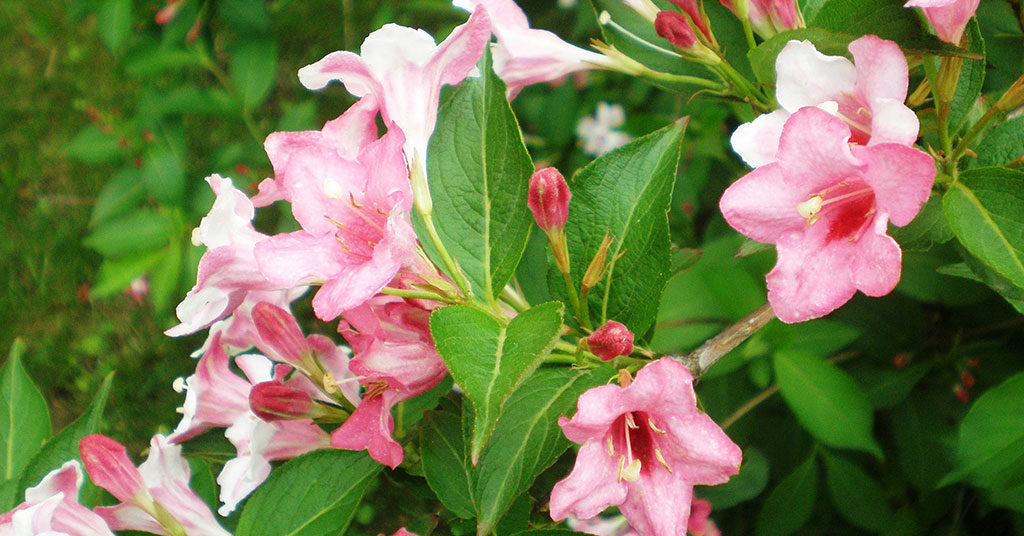
Weigela florida is native to Korea, Japan, and northern China, and is prized for its funnel-shaped blooms in shades of pink, red, and white that open in late spring, with occasional rebloom in summer. In my own garden, the trumpet-like flowers of Weigela become hummingbird hotspots, as the birds nip in and out, fueling up on the nectar and sometimes using the dense foliage as shelter from predators or midday sun. Their long bloom period makes them particularly valuable in a mixed border.
This shrub flourishes in full sun to partial shade and well-drained soil, and it’s remarkably well-behaved when pruned immediately after flowering. A quick trim encourages fresh shoots and a second wave of blossoms, ensuring a tidy, orderly shape. Weigela florida’s combination of visual appeal, extended bloom time, and wildlife benefits make it a must-have for any hummingbird-friendly garden!
Bottlebrush (Callistemon citrinus)

The Australian native Bottlebrush (Callistemon citrinus) dazzles with cylindrical red flower clusters from late spring into summer, resembling a bottle-cleaner brush—hence its common name. In my subtropical setting, these blooms act like lighthouses for hummingbirds, who hover and sip vigorously. The plant’s sturdy, arching branches also provide excellent perching spots and potential nesting sites for small birds, adding to the garden’s lively atmosphere.
Despite its tropical origins, Callistemon adapts well to temperate climates with mild winters. It prefers full sun and well-drained soil, and its evergreen foliage stays neat with minimal pruning—just a light tipping after flowering is enough. Given its striking form, long flowering period, and wildlife magnetism, Bottlebrush is a superstar for gardeners seeking both architectural impact and hummingbird habitat!
Summersweet (Clethra alnifolia)
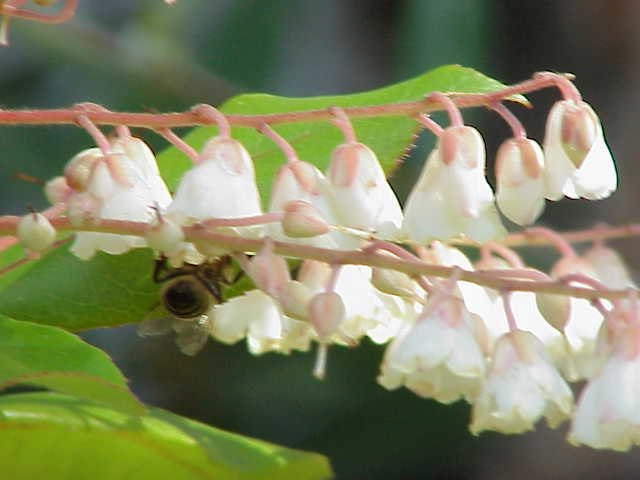
Clethra alnifolia, commonly known as Summersweet, is a North American native that produces fragrant spires of white or pink flowers in mid- to late summer. Its sweet-scented blossoms fill the air with a honey-like aroma that irresistible to hummingbirds and butterflies, which feed energetically among the blooms. I’ve also seen small bees nesting in nearby leaf litter, drawn by the protective cover of this dense, shrub-like structure.
Summersweet thrives in full sun to partial shade and moist, acidic soil—conditions that mimic its native swampy habitats. Its natural clumping habit is non-invasive, and only light pruning after flowering is needed to maintain an orderly shape. For gardeners craving a late-season nectar buffet that also smells divine, Clethra alnifolia is an unbeatable choice!
Firebush (Hamelia patens)

Hamelia patens, or Firebush, is a tropical perennial shrub native to the Americas, erupting in clusters of tubular orange-red flowers from spring through fall. These fiery blooms are irresistible to hummingbirds, who zip in repeatedly for their rich nectar. In my warmer zones, I’ve watched Firebush attract more than hummingbirds—small butterflies and even hummingbird hawk-moths visit daily, creating a stunning, kinetic display!
This shrub thrives in full sun and well-drained soil but tolerates some drought once established, making it surprisingly low-maintenance. It remains contained and non-invasive in garden beds, responding well to occasional pruning to encourage fresh growth and more flowers. If you’re seeking a vibrant, long-blooming shrub that transforms your garden into a hummingbird paradise, Firebush is a showstopper!
Cigar Plant (Cuphea ignea)
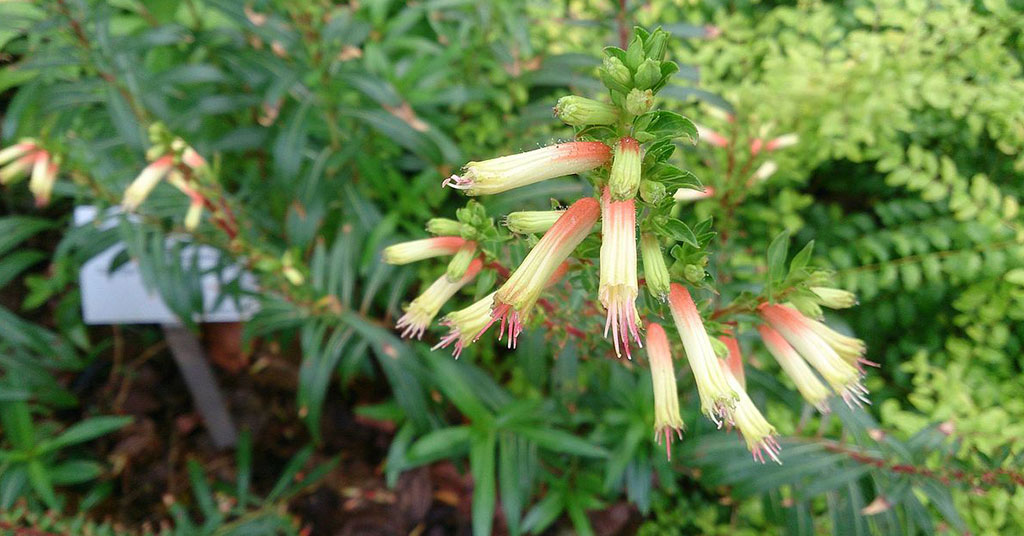
Cuphea ignea, known as Cigar Plant, is a compact shrub native to Mexico and Guatemala that bears tubular, red “cigar”-shaped flowers edged in white from late spring until frost. In my containers, these flowers act as tiny hummingbird feeders, with hummers flocking to each bloom in rapid succession. Their dense, rounded form also provides cozy perches for small birds and insects, enhancing the garden’s lively yet intimate vibe.
This tender perennial thrives in full sun and well-drained soil, and it remains non-invasive when grown in pots or defined borders. Regular deadheading encourages continuous bloom, while occasional shaping keeps the plant looking neat. For gardeners seeking a compact, high-impact shrub brimming with hummingbird appeal, Cuphea ignea is an absolute delight!
Red Flowering Currant (Ribes sanguineum)
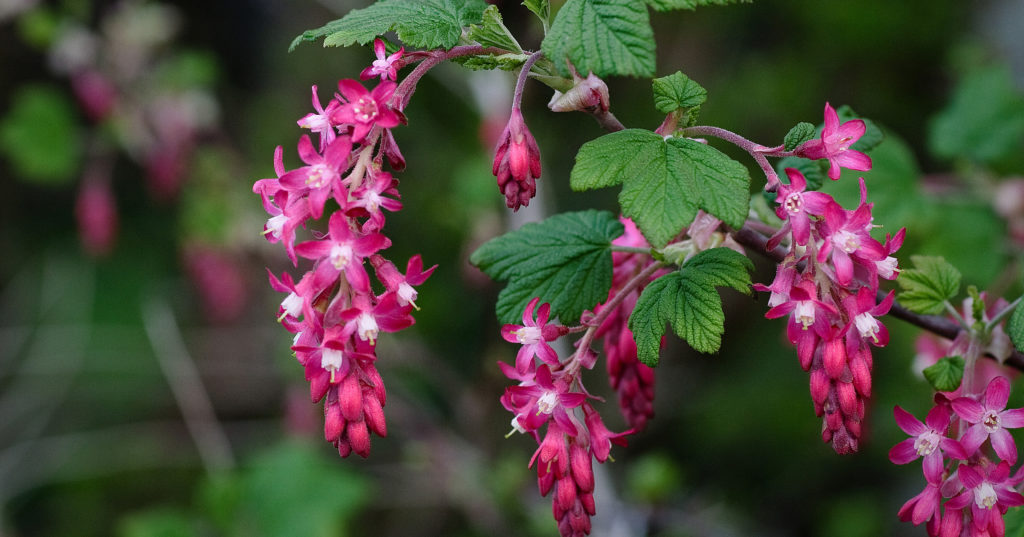
Ribes sanguineum, or Red Flowering Currant, is a deciduous shrub native to western North America that dazzles with clusters of rosy-red flowers in early spring. These early blooms are a critical nectar source for hummingbirds emerging from migration or hibernation, giving them a vital energy boost. I’ve also spotted small songbirds using the dense branches for nesting, making this shrub a dynamic element of my wildlife-friendly garden.
Thriving in full sun to partial shade and well-drained soil, Red Flowering Currant is non-invasive and forms a neat mound without aggressive suckering. A light trim after flowering keeps it tidy and encourages fresh, vibrant blooms the following year. For gardeners eager to support hummingbirds early in the season while enjoying rosy spring blossoms, Ribes sanguineum is a stellar choice!
Azalea (Rhododendron spp.)
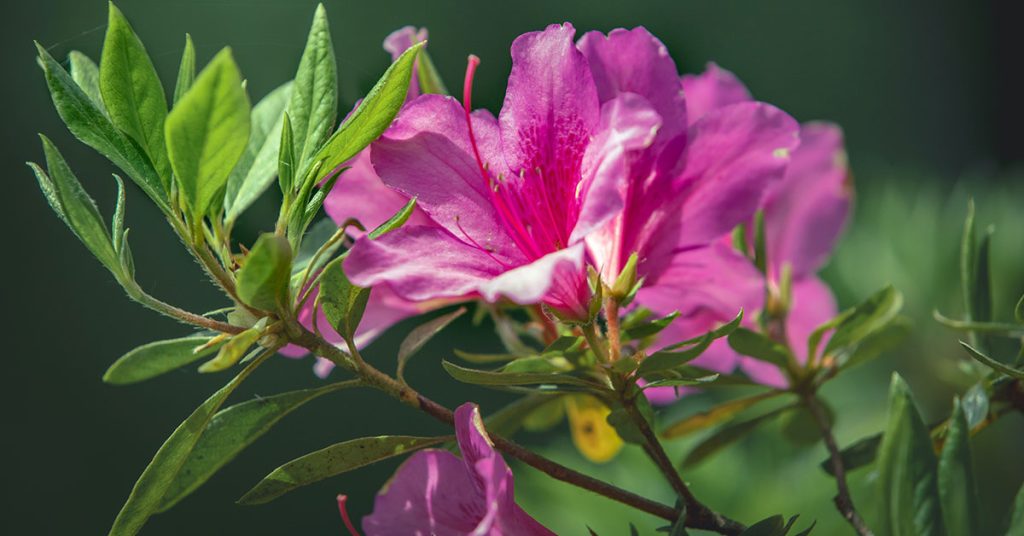
Azaleas, part of the rhododendron family, are beloved for their massed spring blooms in shades of pink, red, white, and purple. Many species—native to Asia and North America—produce tubular flowers that hummingbirds adore, hovering to sip the sweet nectar. In my own garden, Azalea bushes are a hive of activity when in bloom, as tiny pollinators dart among the blossoms, adding a joyful buzz to the spring mornings.
While they prefer part shade and acidic, well-drained soil, Azaleas remain contained and non-invasive when properly sited. Regular deadheading and light pruning maintain an orderly shape and promote healthy flowering. These shrubs deliver a spectacular floral show that not only delights the eyes but also nourishes hummingbirds, making them a must-have for any springtime nectar garden!
Abelia (Abelia x grandiflora)
Abelia x grandiflora is a hybrid shrub prized for its long summer of fragrant, tubular white-and-pink blossoms that attract hummingbirds and small bees. Originally bred from Asian and North American species, this hardy perennial thrives in full sun to partial shade and well-drained soil. I love how Abelias fill my late-spring to early-fall borders with a sweet scent, and the arching branches provide protective perches for nesting insects and tiny birds alike.
This evergreen shrub remains neat with just an annual pruning after the first flush of flowers, making it an excellent choice for formal hedges or mixed borders. Its resilience to drought and pests ensures a steady supply of nectar without constant attention. For a reliable, long-blooming shrub that hummingbirds can count on, Abelia x grandiflora is an absolute garden gem!