

Gardening in the shade can be a real challenge—especially when you’re trying to fill in the bare spaces under mature trees! I’ve faced those moments when the sun seems to hide behind the canopy, leaving your garden in a perpetual twilight, and it’s such a bummer when your plants just won’t thrive. That’s why I’m excited to share these 11 shade-loving groundcovers that not only survive but flourish under trees. Each one has a fascinating story—some native to Europe, Asia, or North America—and many form natural, nest-like clusters that invite beneficial insects and add texture to your garden!
I know firsthand the frustration of battling pests, dealing with poor light, or simply watching a garden struggle to find its footing in the shadows. With these resilient groundcovers, you’ll discover plants that bring life, color, and a natural sense of order to shaded areas. Whether you’re working with a shady backyard or a small urban garden under tree canopies, these selections are designed to be non-invasive, easy to care for, and full of character. Let’s explore each one and learn how they can transform your shaded spaces into vibrant, living carpets!
Epimedium (Barrenwort)
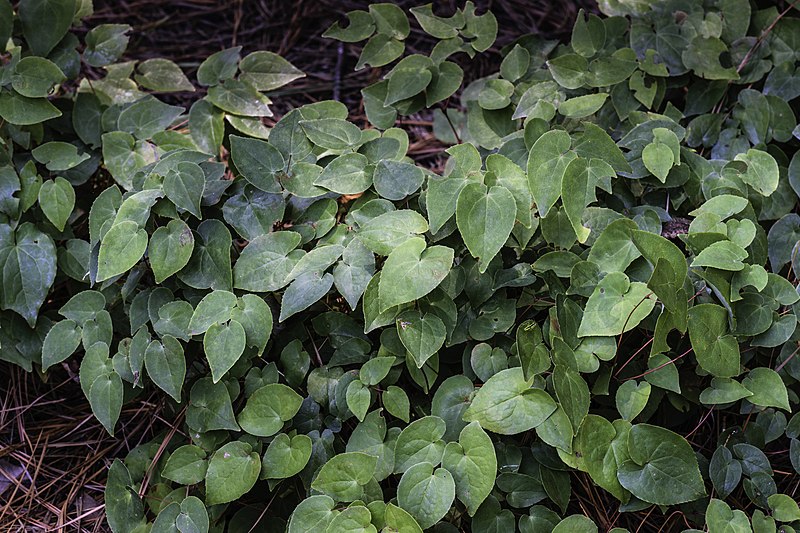
Epimedium, commonly known as barrenwort, originates from the woodlands of Asia and offers a delicate, fern-like foliage that thrives in dappled shade. These charming groundcovers form small, nest-like clusters that not only provide a lush carpet under trees but also produce subtle, often fragrant blooms that attract pollinators! I’ve seen Epimedium transform the darkest corners of my garden into serene, natural retreats, where its soft leaves and gentle colors create a soothing ambiance.
In my experience, barrenwort is delightfully low-maintenance, thriving on minimal water and almost no fertilizer—ideal for gardeners who want beauty without constant fuss. Although it can spread slowly through rhizomes, it remains non-invasive and perfectly contained in its designated area. Each time I step into a patch of Epimedium, I’m reminded of its ancient heritage and the way it effortlessly adapts to the forest floor, providing a natural, living carpet that whispers of woodland secrets!
Vinca minor (Periwinkle)
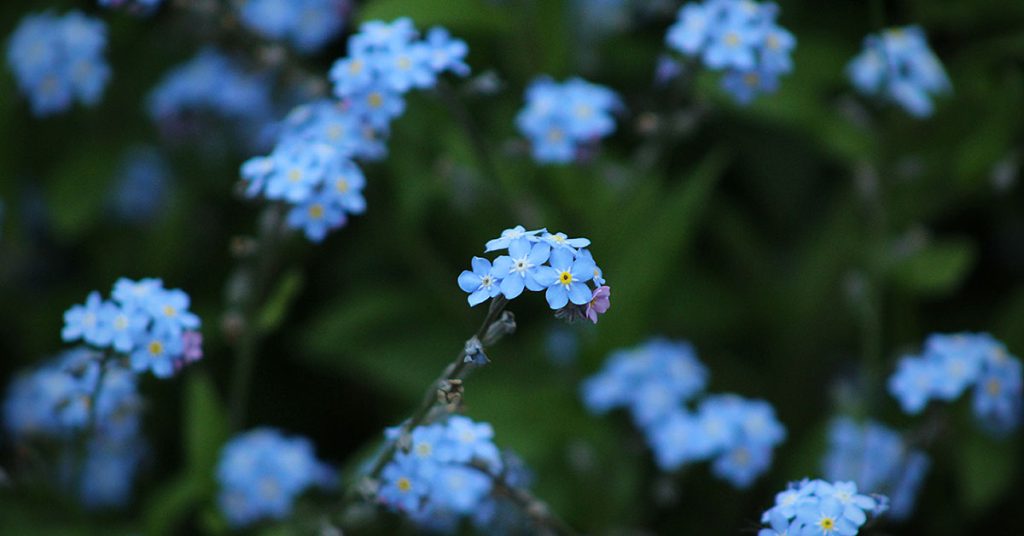
Vinca minor, or periwinkle, is native to Europe and has long been cherished as a resilient groundcover that excels in shady conditions. Its glossy, evergreen leaves form dense, overlapping mats that resemble intricate natural nests, inviting beneficial insects and even providing shelter for small garden critters! I’ve always admired how this plant adds a vibrant splash of blue or purple with its delicate flowers, creating an eye-catching display beneath the trees.
What makes periwinkle particularly appealing is its ease of care—requiring little water and minimal pruning, it’s a dream come true for busy gardeners. While Vinca minor can self-sow under optimal conditions, it’s generally well-behaved and non-invasive when managed properly. Every time I see its lush, carpet-like spread, I’m reminded that sometimes the simplest plants can transform a shadowy corner into a lively, inviting haven!
Liriope muscari (Lilyturf)
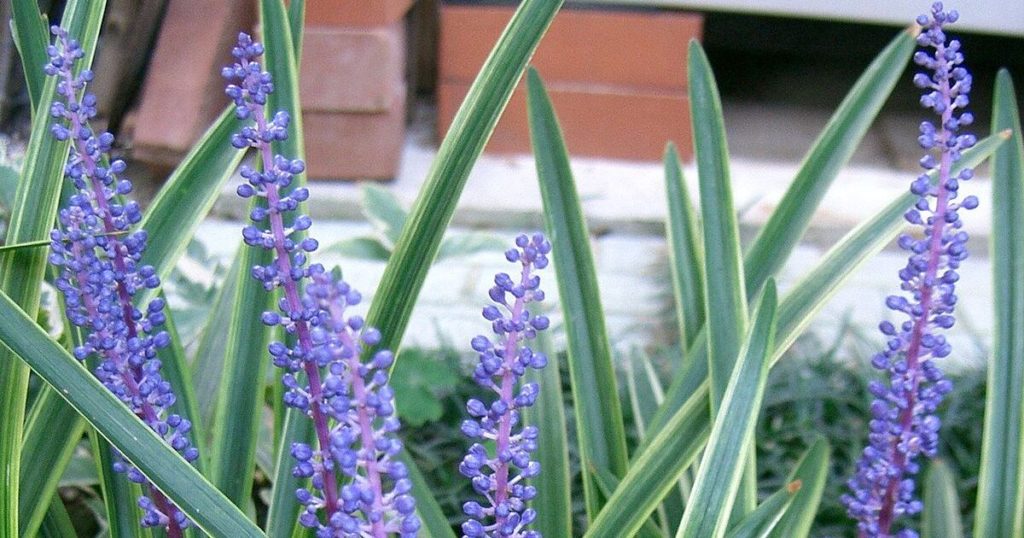
Liriope muscari, commonly known as lilyturf, is native to East Asia and serves as an excellent groundcover for shaded areas. Its strappy, grass-like leaves form tidy, nest-like clumps that create a soft, uniform carpet under tree canopies—perfect for softening hard edges in your garden! I find its subtle purple flower spikes add a touch of elegance that contrasts beautifully with the deep green foliage, making every patch of shade feel intentional and artfully designed.
I’ve seen lilyturf thrive with very little attention, proving to be a hardy option even in conditions where other plants might struggle. While it can spread slowly over time, it remains non-invasive and easy to control with simple maintenance. Every harvest of new growth in my lilyturf border is a little celebration of nature’s ability to adapt and beautify even the gloomiest corners of the garden!
Sweet Woodruff (Galium odoratum)
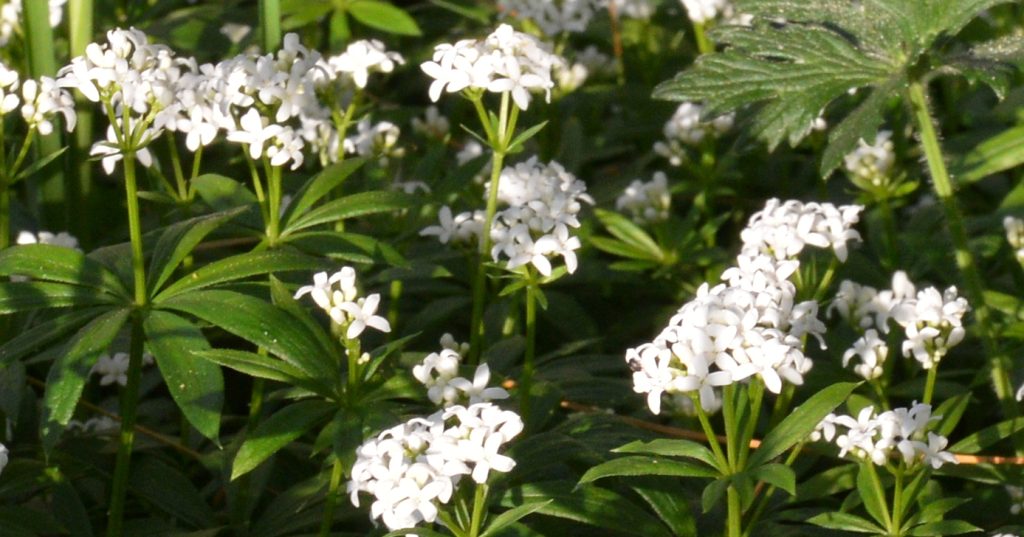
Sweet Woodruff, native to Europe, is a delightful groundcover that thrives in the cool, moist shade under trees. Its delicate, star-shaped white flowers and soft, whorled leaves form natural, nest-like clusters that exude a sweet fragrance—an absolute treat for both the senses and the garden’s ecosystem! I’ve been enchanted by its subtle charm and the way it transforms shaded areas into aromatic, fairy-tale-like settings.
In my own garden, Sweet Woodruff has been a consistent performer, flourishing in damp, shaded spots where other plants might wither. Although it can spread via runners, it typically remains non-invasive and beautifully contained, providing a natural carpet that’s as useful as it is visually pleasing. Every time I wander through a patch of Sweet Woodruff, I feel like I’ve stepped into a secret woodland retreat, where every leaf and bloom tells a story of natural harmony!
Ground Ivy (Glechoma hederacea)
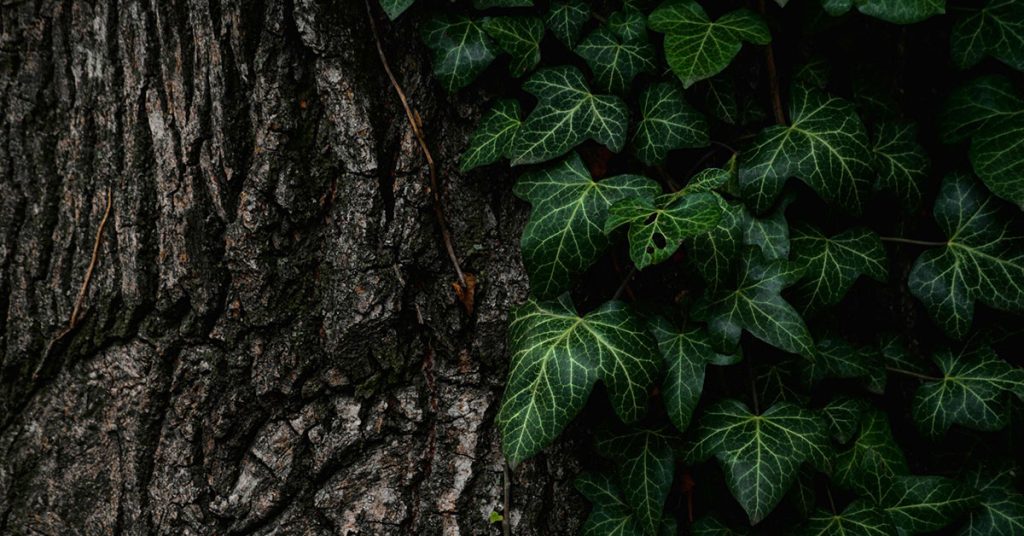
Ground Ivy, or Creeping Charlie, is native to Europe and is well-known for its vigorous spreading habit in shaded, moist environments. Its round, scalloped leaves form dense mats that resemble tiny, natural nests, creating a living carpet that not only beautifies but also helps prevent soil erosion! I’ve found that when managed properly, ground ivy can be a charming addition to the garden, offering a burst of green in areas where light is scarce.
While Ground Ivy can sometimes be aggressive, with careful maintenance it remains a non-invasive and delightful groundcover. Its natural ability to attract beneficial insects makes it a hidden ally against pest problems, and its vibrant green foliage provides a pleasing contrast to the more robust textures of overstory trees. Every time I see a lush patch of ground ivy, I’m reminded of nature’s resilience and its capacity to fill in the gaps with understated beauty!
Ajuga reptans (Bugle)

Ajuga reptans, commonly known as bugle, is a versatile groundcover native to Europe that thrives in partial to full shade. Its striking foliage, often tinged with deep purples and greens, forms natural clusters that create a vivid carpet beneath trees—almost like tiny, artful nests that invite pollinators and add a dash of drama to any garden! I’ve always been drawn to Ajuga’s bold colors and its ability to brighten up even the dimmest, most challenging spots.
In my garden, bugle is a reliable performer that requires little care once established, making it perfect for busy gardeners. Although it spreads through runners, it is generally non-invasive and can be easily controlled with regular pruning. Each time I see Ajuga’s brilliant patches emerge in the shade, I’m reminded of its rich native heritage and the way it effortlessly turns a shadowy area into a vibrant, living canvas!
Creeping Jenny (Lysimachia nummularia)
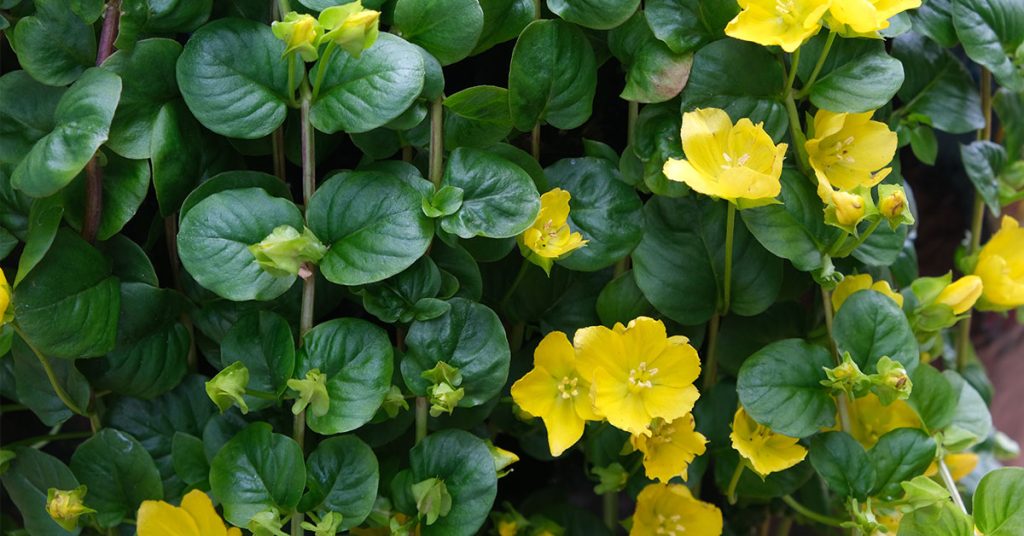
Creeping Jenny, or Lysimachia nummularia, hails from parts of Europe and Asia and is renowned for its bright, golden foliage that thrives in shady conditions. This groundcover forms low, trailing mats that resemble tiny nests spread across the soil, catching the light in a way that adds a warm, cheerful glow to the under-tree environment! I’ve found that its ability to cascade over rocks and garden borders makes it an ideal choice for softening hard edges and brightening up dark corners.
Despite its vigorous nature, Creeping Jenny is surprisingly manageable in small spaces and typically remains non-invasive when given proper boundaries. Its vibrant hues and rapid spread have turned many a dull, shaded area into a lively tapestry of color, inviting bees and butterflies to join in the celebration. Every time I notice its golden shimmer among the shadows, I feel an undeniable sense of optimism and joy—proof that even in low light, nature finds a way to shine!
Pachysandra terminalis (Japanese Spurge)

Pachysandra terminalis, commonly known as Japanese spurge, is native to East Asia and has long been valued for its evergreen, carpet-like growth in deep shade. Its glossy, dark green leaves form dense, nest-like mats that cover the ground under trees, creating a natural, low-maintenance barrier that suppresses weeds while adding texture to your garden! I’ve found that its steady, reliable growth makes it an excellent choice for gardeners looking to fill in the gaps in challenging, shaded environments.
One of the things I appreciate most about Japanese spurge is its adaptability—it flourishes in even the shadiest spots and requires very little upkeep once established. Although it spreads slowly by rhizomes, it remains non-invasive and well-behaved, ensuring that it won’t overrun your garden. Every time I walk past a bed of Pachysandra, I’m reminded of the beauty of simplicity and the power of nature to create lush, living groundcover with minimal effort!
Heuchera (Coral Bells)
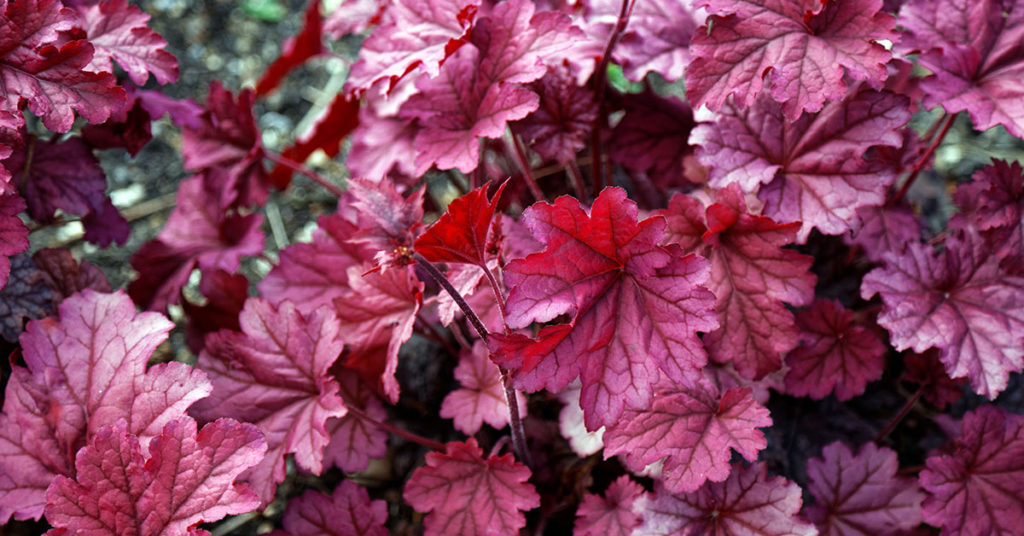
Heuchera, commonly known as coral bells, is native to North America and brings a burst of color and texture to shaded garden spaces. Its ornamental foliage comes in a range of hues—from silvery greens to deep burgundies—and forms natural clumps that resemble tiny nests, inviting beneficial insects and adding visual interest under the canopy of trees! I’ve always been enchanted by Heuchera’s versatility; it not only thrives in shade but also provides a delightful accent to other, more robust plantings.
In my own gardening adventures, coral bells have proven to be as resilient as they are beautiful. They adapt well to a variety of soil conditions and, while they may self-sow under ideal conditions, they remain non-invasive and perfectly manageable in a small garden setting. Every time I see a patch of Heuchera, I’m filled with the satisfaction of knowing that even in low-light conditions, nature can offer a vibrant splash of color and a touch of artistic charm!
Bearberry (Arctostaphylos uva-ursi)

Bearberry, native to the cool regions of North America and parts of Eurasia, is a low-growing evergreen groundcover that is perfect for shady, well-drained areas. Its small, leathery leaves and bright red berries form natural clusters that resemble tiny, protective nests—ideal for attracting birds and other small wildlife to your garden! I’ve observed how bearberry not only adds a splash of color beneath trees but also helps stabilize the soil, making it a dual-purpose plant that’s as functional as it is charming.
In my garden, bearberry has become a treasured component of the landscape, thriving in areas where other plants might struggle due to shade. It’s non-invasive and remarkably resilient, requiring minimal care while offering a delightful burst of red berries that provide both beauty and a hint of natural sweetness. Every harvest of bearberry reminds me of the plant’s rich native heritage and the understated elegance it brings to even the most challenging garden spots!