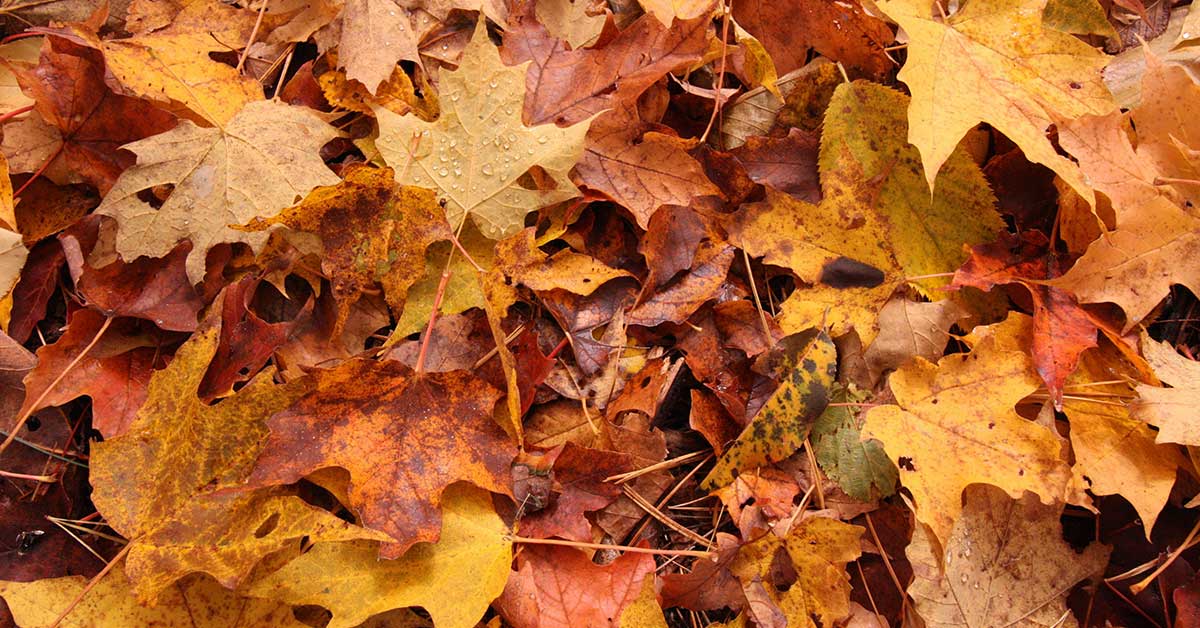

When autumn arrives and the trees start shedding their vibrant coats, it’s easy to think of fallen leaves as just another chore—something to bag up and send off to the curb. But those piles of crunchy gold are so much more than garden debris. In fact, they’re one of the most valuable natural resources your yard produces each year. Whenever I see a neighbor tossing theirs away, I can’t help but think of all the ways those leaves could be put to work improving soil, sheltering wildlife, and even saving money.
I know how tempting it is to clear everything out for a “tidy” garden before winter. But nature doesn’t waste leaves—it recycles them into rich organic matter, insulation, and habitat. By using your leaves wisely instead of discarding them, you’re keeping nutrients in your yard, supporting pollinators, and protecting your plants. Here’s why you should think twice before sending them to the landfill.
Free Mulch for Your Garden

Shredded leaves make one of the best mulches you can get, and the best part—it’s free. Spread them around perennials, shrubs, and trees to help insulate roots, conserve moisture, and suppress weeds. As they break down, they release valuable nutrients back into the soil, feeding your plants over time.
I especially like using shredded leaves around native plants because it mimics the natural leaf litter they’d have in the wild. It’s an easy way to create a more self-sustaining garden while cutting back on expensive store-bought mulch.
Natural Compost Ingredient
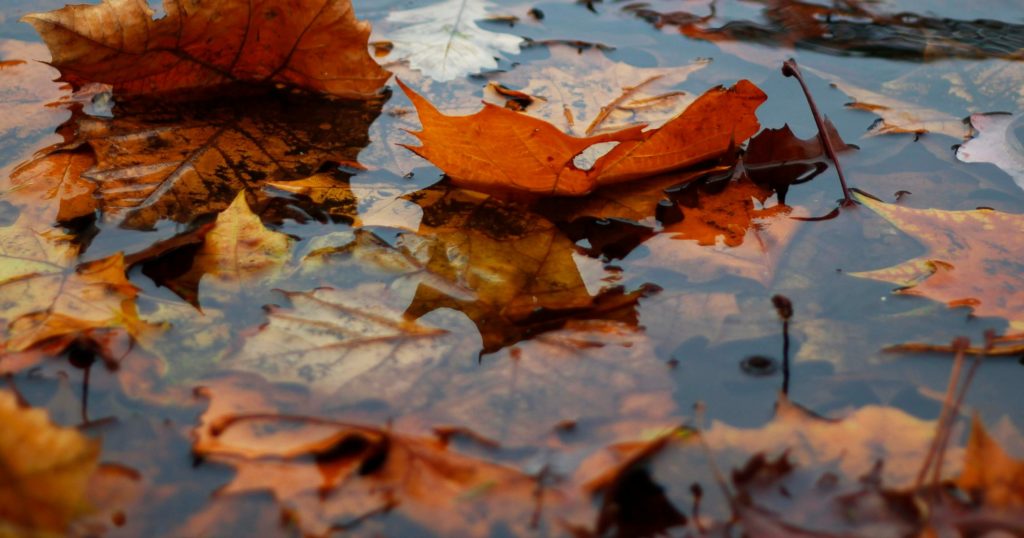
Leaves are loaded with carbon, which makes them the perfect “brown” material for balancing out “green” materials like grass clippings and vegetable scraps in your compost pile. Adding them helps keep the pile aerated and prevents it from becoming soggy.
I’ve found that mixing in shredded leaves speeds up decomposition, turning what could take months into rich compost in a fraction of the time. This homemade compost becomes a powerhouse soil amendment in the spring.
Winter Protection for Tender Plants

In colder climates, tender perennials and young shrubs benefit from a blanket of leaves in winter. Piling leaves over the root zone creates insulation that buffers temperature swings and protects against frost heave.
I’ve saved many borderline-hardy plants this way, especially herbs like rosemary or young berry bushes. In the wild, leaf litter naturally shields the soil—so it’s no surprise that recreating this in the garden works so well.
Habitat for Beneficial Insects

Fallen leaves provide essential winter shelter for beneficial insects like ladybugs, lacewings, and solitary bees. These predators help control garden pests, while pollinators emerge in spring ready to visit your blooms.
Leaving a leaf pile in a quiet corner of the yard creates a safe haven. I’ve noticed far fewer pest problems in gardens where these overwintering spots are left untouched.
Food Source for Soil Life

As leaves decompose, they feed an entire underground network of fungi, bacteria, and invertebrates. Earthworms, in particular, thrive under leaf cover, pulling bits of organic matter into the soil and improving its structure.
Healthy soil life means better water retention, nutrient cycling, and overall plant health. In essence, feeding the soil with leaves is feeding the entire garden ecosystem.
Weed Suppression
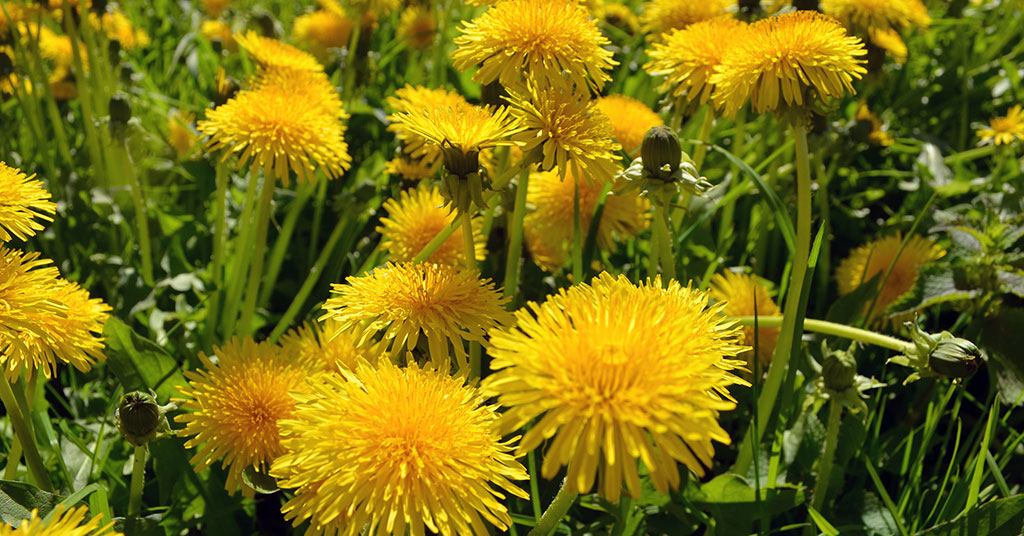
A thick layer of shredded leaves can smother weed seeds, preventing them from germinating in fall and early spring. This is especially helpful in vegetable beds or pathways where weeds can quickly get out of control.
By spring, many of those leaves will have broken down enough to work directly into the soil, eliminating the need to remove them. It’s a low-effort, high-reward way to reduce weeding time next year.
Lawn Enrichment

Instead of raking leaves off your lawn, try running them over with a mulching mower. The shredded pieces filter down between grass blades, where they decompose and return nutrients to the soil.
I’ve seen lawns treated this way become thicker and greener the following season without the need for extra fertilizer. It’s a great way to recycle nutrients right where they’re needed.
Pathway Cushioning

Shredded leaves spread over garden paths create a soft, natural walking surface that’s gentle underfoot and visually appealing. Over time, they break down into rich organic matter that can be added back to garden beds.
This method also keeps paths from becoming muddy in wet weather. I love how it gives a woodland feel to even a small garden space.
Erosion Control
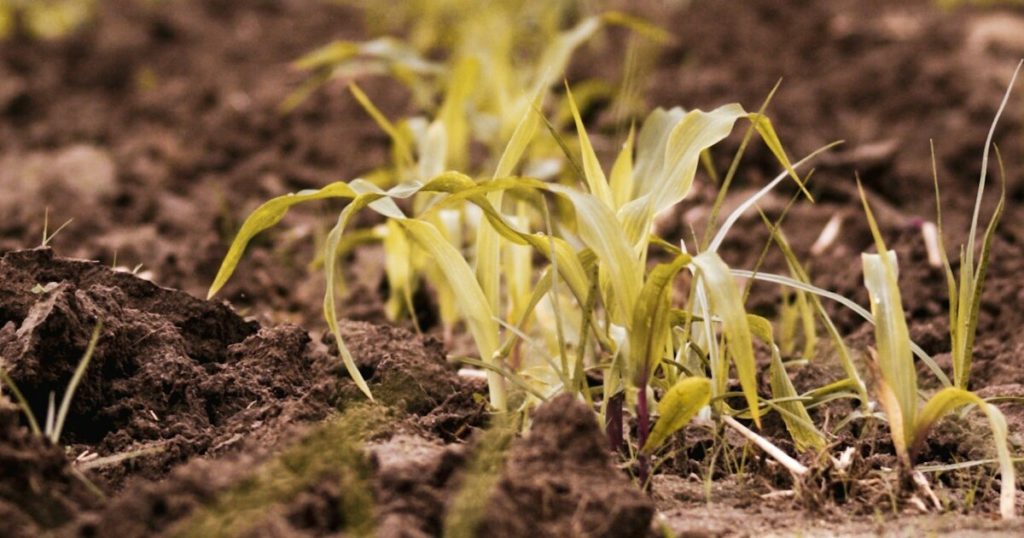
On slopes or bare soil areas, a layer of leaves helps prevent erosion by reducing the impact of rain and slowing water runoff. As they decompose, they also improve soil stability and moisture retention.
In my own garden, using leaves on a tricky slope stopped the seasonal washouts that used to leave roots exposed. It’s a simple, natural fix that works with the land rather than against it.
Seedling Protection in Spring
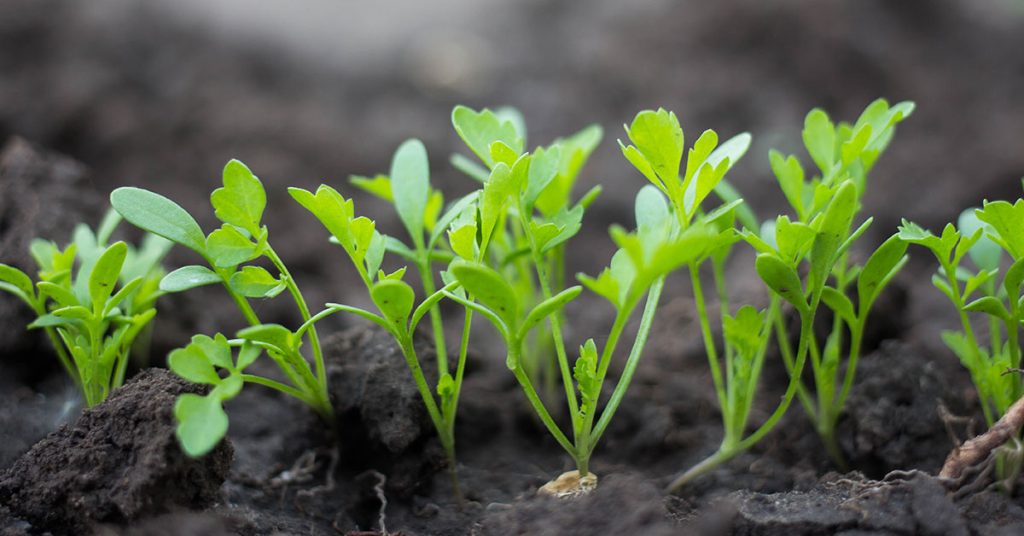
Even after winter, leftover leaves have value. I use them to protect delicate seedlings from heavy rain or unexpected frosts in early spring. The loose layer cushions tender plants and keeps soil from splashing onto leaves.
Once the weather settles, the leaves can be pulled aside and worked into the soil as extra organic matter. It’s a gentle way to give new plants a fighting chance.
Wildlife Shelter

Small mammals, amphibians, and reptiles often take refuge in leaf piles. While you may not want them right in your vegetable beds, setting aside a pile in a low-traffic area can give these creatures a safe winter home.
This kind of shelter can be life-saving during harsh winters. I’ve found that when wildlife has a safe spot on my property, they’re less likely to dig up other areas of the garden in search of cover.