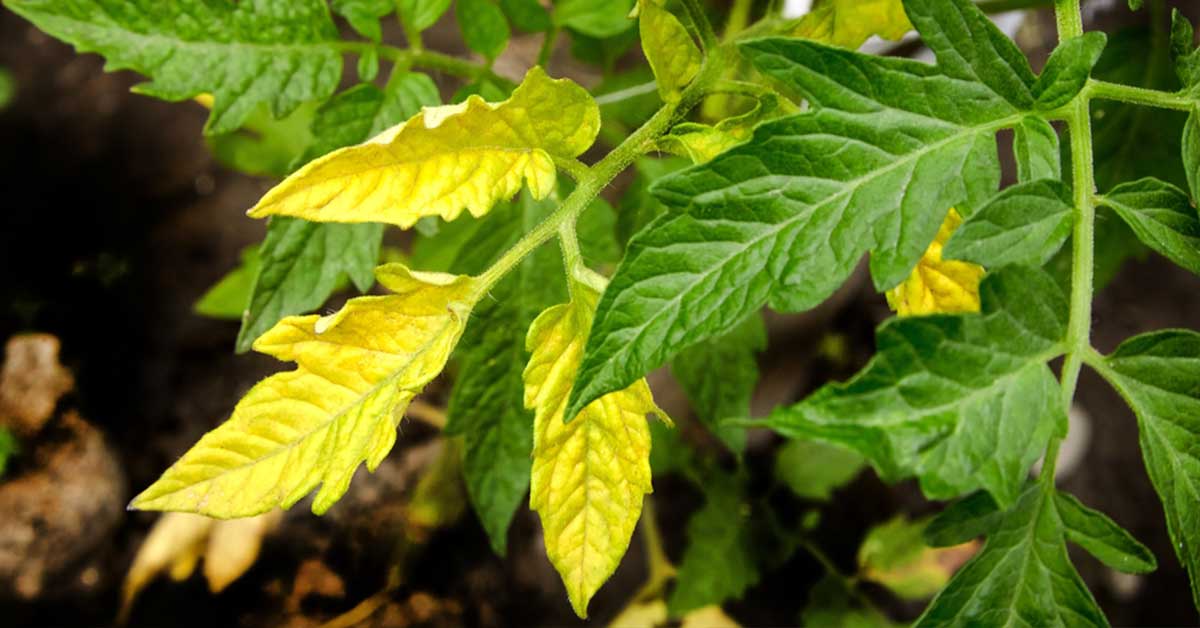

Yellowing leaves on your tomato plants can be heartbreaking—especially when you’ve envisioned a summer brimming with juicy, sun-ripened fruit! I know how frustrating it is to spot pale foliage instead of vibrant green, wondering what went wrong in your garden. Tomatoes (Solanum lycopersicum), native to western South America and generally non-invasive in home gardens, thrive on balanced care; when conditions stray, their leaves flash warning signs.
Before you resign yourself to store-bought salsa, let’s dive into eleven common culprits behind yellow tomato foliage. From watering missteps to nutrient glitches and environmental stressors, each section below explains the issue, how it impacts your plants (and the beneficial insects that nest in nearby bare soil!), and what you can do to restore that healthy emerald glow.
Nutrient Deficiency in Nitrogen
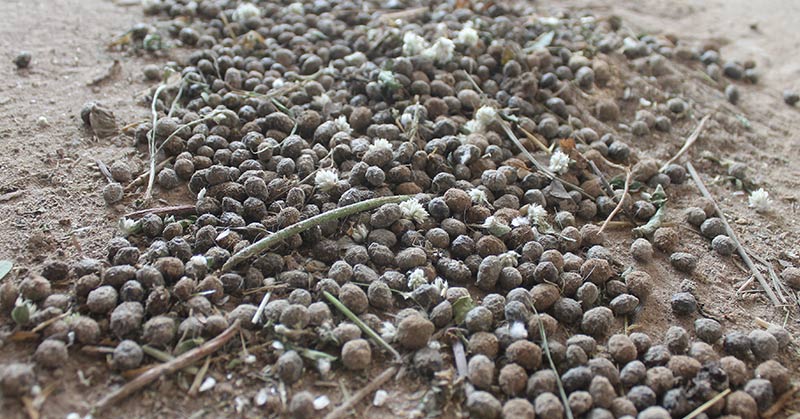
Nitrogen fuels leafy growth, so when levels dip, older tomato leaves turn uniformly yellow while veins stay oddly green. I remember my first tomato patch—lush and promising—suddenly developed pale lower leaves. A simple soil test revealed poor nitrogen, a fixable issue with a side-dressing of composted manure or a balanced organic fertilizer!
Tomatoes evolved in nutrient-poor Andean soils and aren’t invasive, so they rely on you to replenish essential elements. Correcting nitrogen deficiency not only restores leaf color but boosts the plant’s vigor, attracting more pollinators like bumblebees—who often nest in loose soil nearby—and improving fruit set and overall yield!
Overwatering and Root Oxygen Deprivation
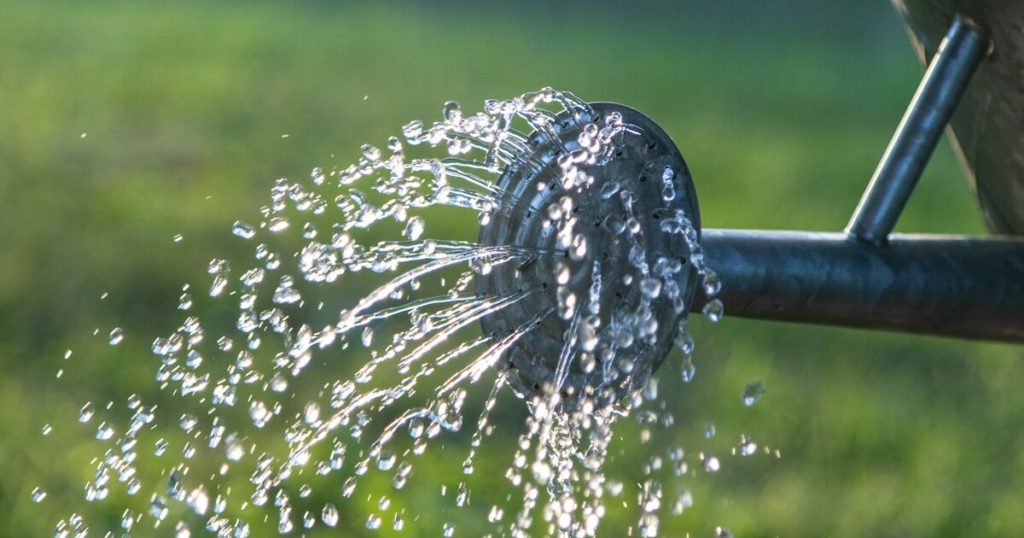
Tomatoes love consistent moisture, but soggy soil suffocates roots and leads to yellow, wilted leaves. When I planted in heavy clay without enough drainage, my seedlings looked droopy and chlorotic within days! Elevating beds and adding coarse sand or perlite to the soil cured that waterlogging and revived my patch.
Excess water can also wash away nutrients, compounding yellowing. Well-oxygenated roots support healthy foliage and provide sturdy stems for solitary bees and hoverflies seeking nesting sites in sun-warmed soil cracks—so ensuring proper drainage is crucial for both plant and pollinator health!
Underwatering and Drought Stress
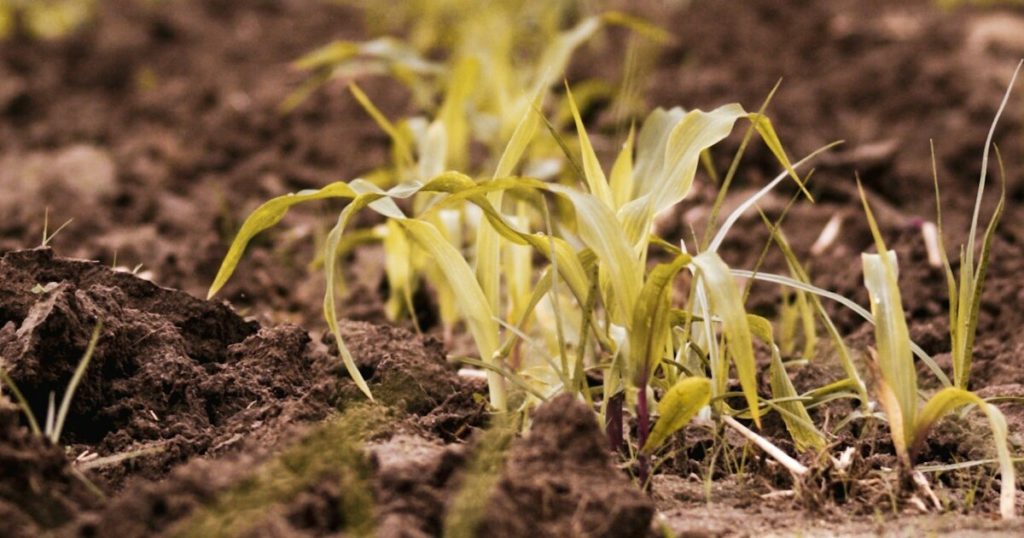
Conversely, allowing tomato soil to dry excessively triggers leaf yellowing at the edges and between veins. I once went on vacation without a drip system, only to return to parched pots of crispy, yellowed leaves! Deep, infrequent watering—soaking the root zone—encourages roots to grow downward and access moisture reserves.
Consistent moisture not only keeps leaves green but also supports the tiny ground-nesting bees that help pollinate your late-season blossoms. Mulching around the base conserves water and spares you from daily watering chores—giving you more time to watch pollinators dance among healthy canopies!
Soil pH Imbalance Locking Up Nutrients

Tomatoes prefer slightly acidic soil (pH 6.0–6.8). When pH drifts too high or low, critical nutrients like iron and magnesium become unavailable, causing interveinal yellowing. I discovered this when my plants developed yellow patches despite regular feeding—adjusting pH with garden sulfur and dolomite lime brought those green hues back!
Maintaining the right pH ensures nutrient availability and robust growth. Happy tomato roots in balanced soil foster vigorous foliar growth, which in turn provides shade and habitat for beneficial ladybugs and lacewings that prey on pests!
Transplant Shock and Disturbed Roots

Moving tomato seedlings too deeply or disturbing their roots can trigger yellowing as plants struggle to reestablish. I once plopped seedlings into deep holes and backfilled heavily—only to see wrinkled, yellow leaves the next week! Planting just deep enough to cover lower stems encourages sturdy root development without shock.
Anticipating transplant stress by gradually hardening off seedlings in their final pots ensures they adjust to outdoor conditions seamlessly. When plants root firmly, they support strong foliage that shelters tiny native bees nesting around the base!
Early Blight and Fungal Diseases

Early blight (Alternaria solani) often starts as small brown spots on older leaves, surrounded by a yellow halo. Left unchecked, the yellowing spreads upward. I used to ignore the first speckled leaf—until half my plant’s foliage browned, necessitating a fungicide and removal of infected leaves to restore health.
Good air circulation and mulch to prevent soil splashes reduce disease incidence. Removing lower yellowed leaves also helps prevent spore spread and gives pollinators clear landing zones on healthy blooms, ensuring fruit production remains uninterrupted!
Aphid and Whitefly Infestations
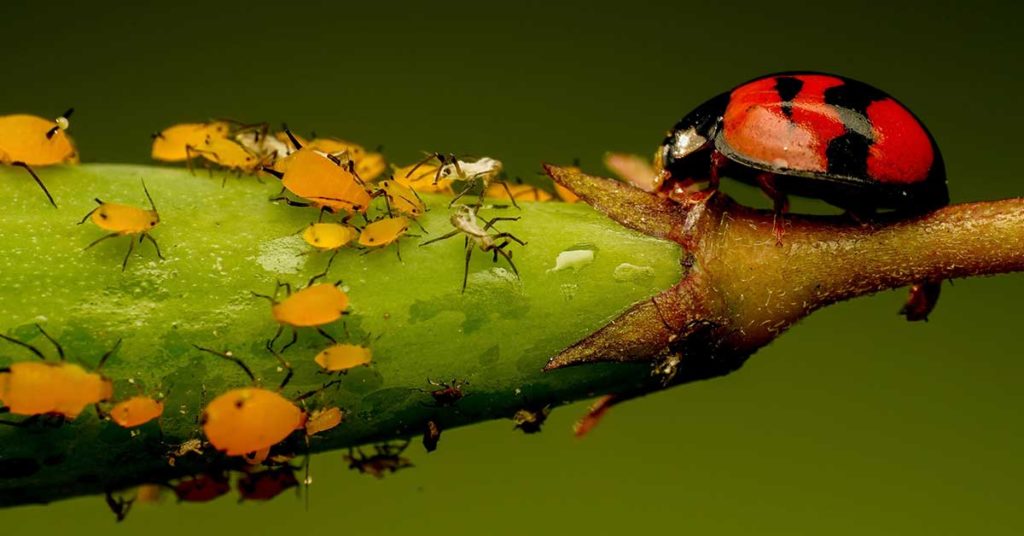
Clusters of sap-sucking pests like aphids or whiteflies can drain nutrients, causing yellow mottling on tomato leaves. I once found my new transplants cloaked in whiteflies—tiny yellow leaves followed soon after. A blast of water and insecticidal soap knocked them back, and my foliage greened up within days!
Encouraging predatory insects—ladybugs, lacewings, and parasitic wasps—by interplanting flowers like marigolds gives you a natural defense. Those allies often nest in nearby cover crops, so fostering a wildlife-friendly garden keeps yellowing pests at bay!
Herbicide Drift Damage
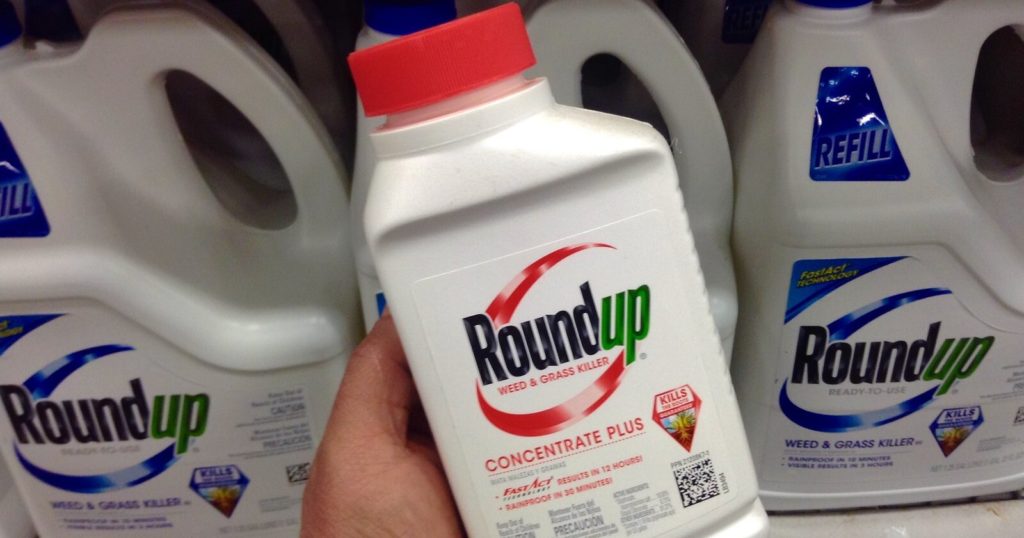
Drifting sprays from nearby lawn treatments or weed killers can scorch tomato leaves, leading to yellow streaks and distorted growth. I once lost a row overnight after a neighbor’s spray drift—heartbreaking! If you suspect drift, rinse foliage thoroughly and water deeply to flush residues from the root zone.
Tomatoes aren’t invasive but are sensitive to chemicals not intended for them. Keeping a buffer zone or planting a screen of tolerant ornamentals reduces the risk and preserves the lush, green canopy that attracts pollinators and beneficial insects!
Magnesium and Iron Deficiencies
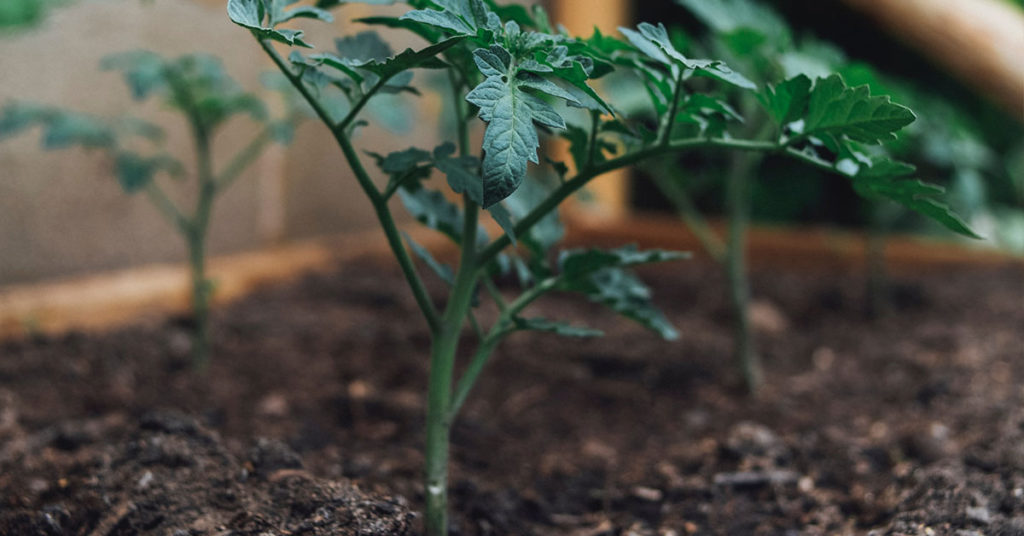
When magnesium or iron levels fall, newly emerged leaves turn pale between veins while veins remain dark green. I faced iron chlorosis in alkaline beds—yellow new growth was the first clue. A foliar spray of chelated iron and adding Epsom salts for magnesium turned my leaves vivid green again!
Maintaining balanced micronutrients is crucial for photosynthesis and strong growth. Well-nourished plants reward you with sturdy foliage and abundant flowers that welcome bees nesting in the warm spring soil!
Heat Stress and Sunscald

Prolonged temperatures above 95°F can cause yellow, bleached patches on leaves and fruit. I once left my tomatoes unshaded during a heatwave—those vulnerable spots shocked me! Providing afternoon shade with row covers or shade cloth prevents sunscald and keeps leaves healthy.
Temperature-stressed plants also produce fewer flowers for pollinators to visit. Protecting your tomatoes from extreme heat sustains both leaf color and the buzzing activity of bees and flies that ensure fruit set!
Natural Leaf Aging
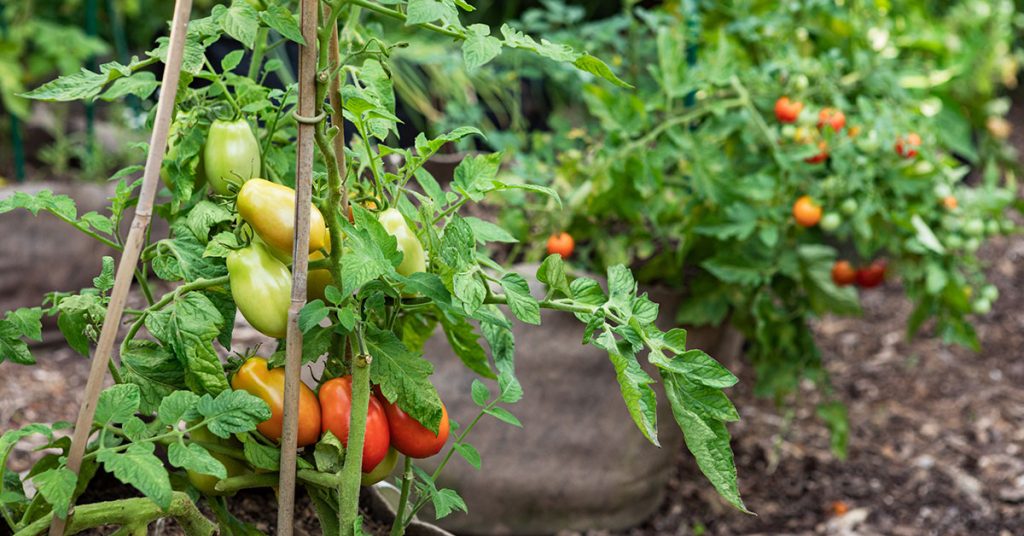
As tomato plants mature, the oldest leaves near the base naturally yellow and drop—this isn’t always a problem! I used to panic at every yellow leaf, only to learn that healthy plants cycle old foliage to focus energy on new growth and fruit.
Simply prune away these yellow bottom leaves to prevent potential disease and improve airflow. This routine maintenance also clears space for ground-nesting beneficial insects to burrow safely, bolstering your garden’s ecosystem!