

Gardening with houseplants feels like nurturing a slice of the tropics right in your living room—those glossy, fenestrated Monstera leaves can truly transform a space! But it’s such a bummer when those beloved green giants start showing yellow patches, signaling they’re unhappy. I know the sinking feeling of spotting a yellowing leaf after weeks of careful watering and placement.
In this article, we’ll explore eleven potential causes behind your Monstera deliciosa’s yellow leaves, drawing on my own experiences (and a few missteps!). Each section dives deep into why your plant might be stressed—covering its Central American rainforest origins, epiphytic climbing behaviors, and how to mimic those conditions indoors. Let’s get your Monstera thriving again!
Pest Infestation

Tiny invaders like spider mites, mealybugs, and scale insects are notorious for sapping vitality from your Monstera’s leaves. These pests pierce leaf tissue to feed, leading to chlorosis and yellow spotting. I once ignored a faint webbing on my Monstera’s lower leaves, and within days dozens of mites had spread, leaving yellow flecks in their wake—definitely a wake-up call!
Because Monsteras are epiphytic in their native Central American habitat—climbing up trees—their aerial roots and broad leaves can harbor pests if humidity is low or air circulation is poor. Regularly inspect leaf undersides and wipe foliage with a mild insecticidal soap. Boosting humidity and gently misting also deters pests and keeps your plant feeling like it’s back in the humid understory it loves!
Hard Water and Chemical Buildup

Tap water often contains chlorine, fluoride, and dissolved minerals that accumulate in potting mix and on leaf surfaces. Over time, these chemicals can scorch roots and interfere with nutrient uptake, manifesting as yellowing leaf margins. I was puzzled when my Monstera’s newest leaves browned and yellowed until I switched to filtered water—problem solved!
To avoid buildup, flush the soil monthly by watering thoroughly until excess drains away. Wiping leaves with distilled or rainwater removes surface salts and mimics the gentle, pure rains of the plant’s rainforest origins. Your Monstera will reward you with vibrant, chemical-free foliage!
Poor Drainage
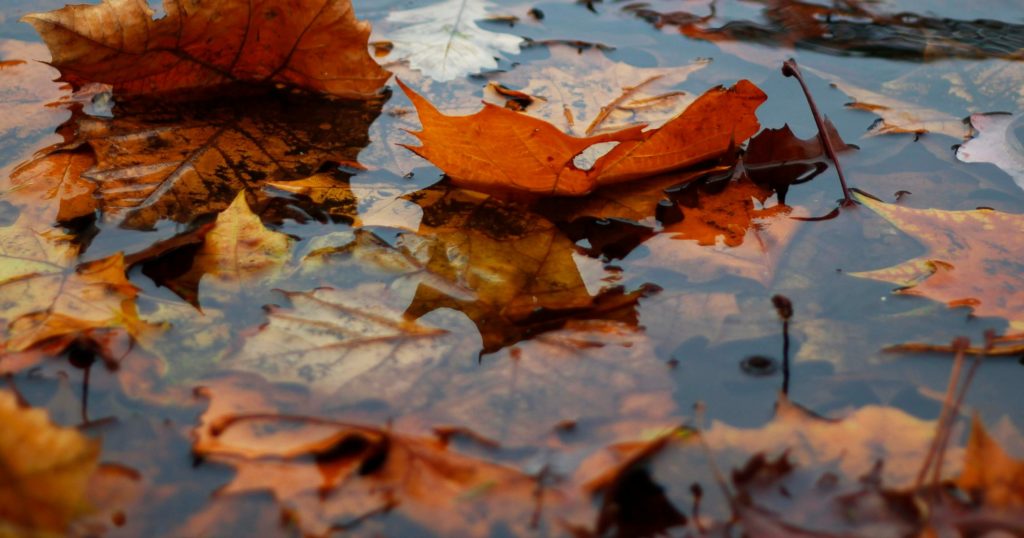
Even if you water sparingly, a poorly draining potting mix can trap moisture around roots, leading to rot and nutrient lockout. I once used a decorative ceramic pot without adequate drainage holes and watched my Monstera sulk—yellow leaves became the norm! In the wild, these plants cling to tree trunks where excess water drains freely.
Repot into a mix of peat, perlite, and bark chips to mimic the airy, fast-draining substrate Monsteras encounter in their native habitat. Ensure your container has drainage holes and let the top inch of soil dry between waterings. Healthy roots equal lush, green leaves every time!
Excessive Direct Sunlight

While Monsteras appreciate bright light, prolonged exposure to harsh midday sun can scorch their delicate leaves, turning them yellow or bleached. I placed mine too close to a south-facing window and ended up with yellow patches on new growth—lesson learned about balancing light!
These plants evolved under the dappled canopy of tropical forests, where sun filters through leaves above. Provide bright, indirect light—perhaps near an east-facing window or behind a sheer curtain—to replicate that gentle illumination. Your Monstera will flourish without risking sunburn!
Overwatering
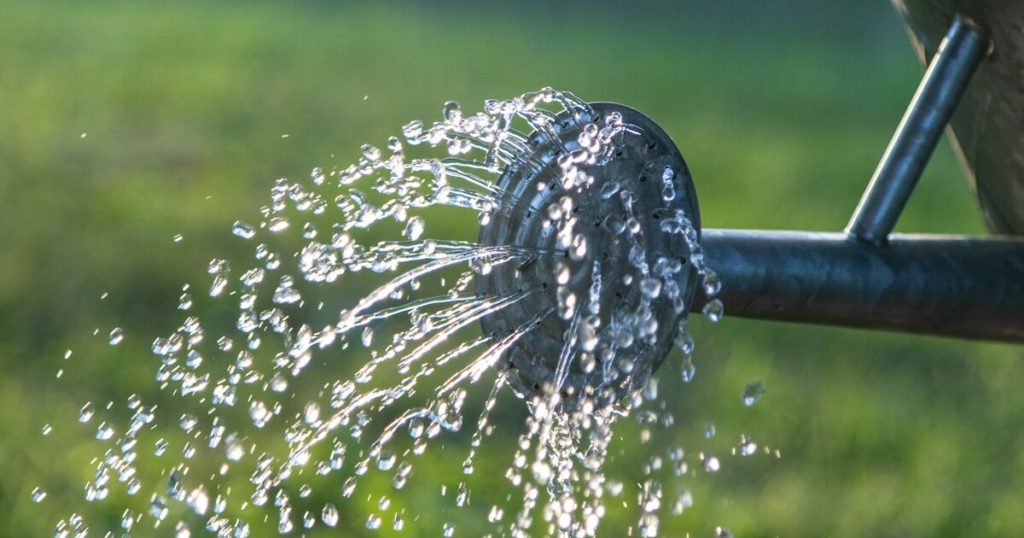
Too much love can lead to yellow leaves if you water before the previous watering has fully drained. Overwatering drowns roots, impeding oxygen uptake and triggering root rot. My Monstera once sat in a saucer of excess water for days after a heavy rainstorm, and yellow leaves appeared faster than I could react!
Allow the medium to dry out slightly between waterings, and always empty saucers after watering. Checking soil moisture with your finger or a moisture meter helps you gauge exactly when your Monstera is thirsty—no more guesswork, and no more yellowing from soggy roots!
Underwatering
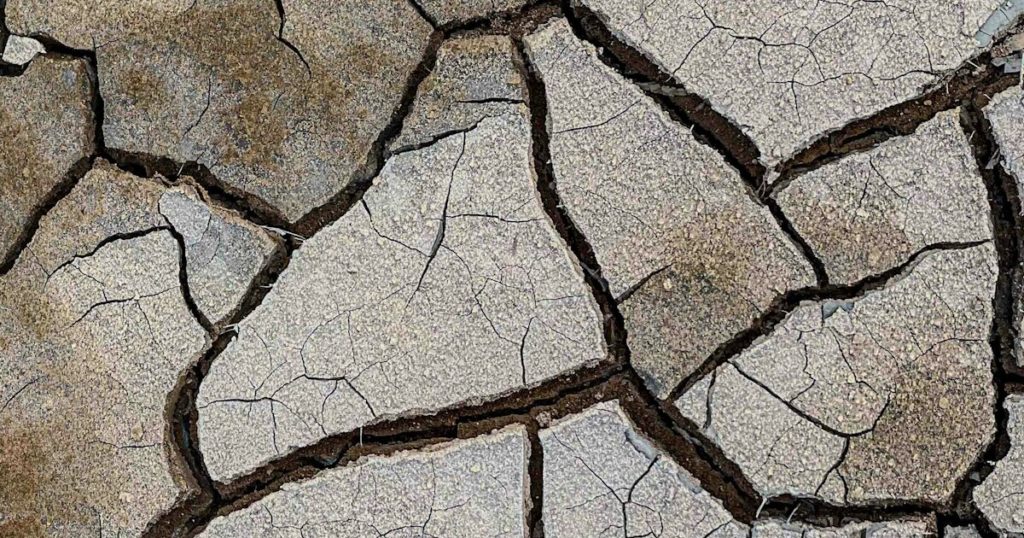
On the flip side, letting your Monstera dry out completely can stress the plant, causing older leaves to yellow and droop. I once left my Monstera for a weekend getaway, only to return to crispy, yellowing foliage—such a disappointment! In their tropical home, Monsteras enjoy consistent moisture without waterlogging.
Aim for a regular watering schedule that keeps the soil lightly moist but not soggy. Deep watering encourages roots to grow downward, making your plant more resilient. You’ll see new growth emerge bright green rather than pale yellow when your plant’s water needs are met!
Low Humidity
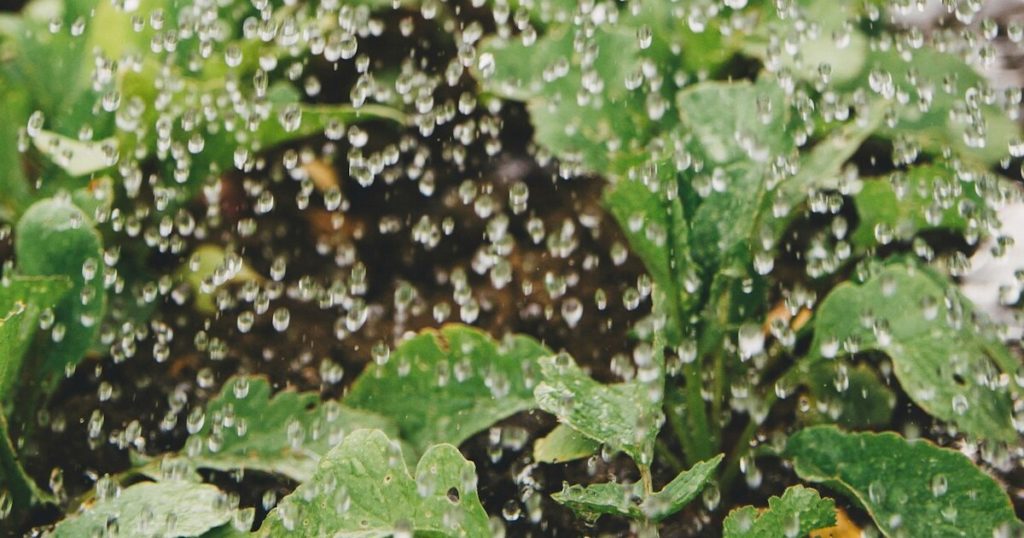
Monsteras thrive in humidity levels of 60% or higher, replicating Central America’s rainforest air. In dry indoor conditions—especially during winter heating—leaves can turn yellow at the edges and develop brown tips. I installed a small humidifier near mine and immediately noticed more robust, greener growth!
Grouping your Monstera with other humidity-loving plants, placing it on a pebble tray with water, or misting regularly helps maintain moisture in the air. Those higher humidity levels also benefit beneficial microfauna, like springtails in the soil, which help keep your Monstera‘s environment healthy!
Nutrient Deficiency

A lack of essential nutrients—particularly nitrogen—can cause older leaves to yellow while younger leaves remain green. I once neglected to feed my Monstera during active growth and saw a gradual yellowing that only reversed after I applied a balanced, water-soluble fertilizer formulated for foliage plants!
Feed your Monstera every 4–6 weeks during the growing season with a balanced 3-1-2 NPK formula. Slow-release granules in the potting mix can also provide steady nutrition. Healthy, well-fed Monsteras boast deep green leaves, not the sickly yellow tinges of starvation!
Insufficient Light
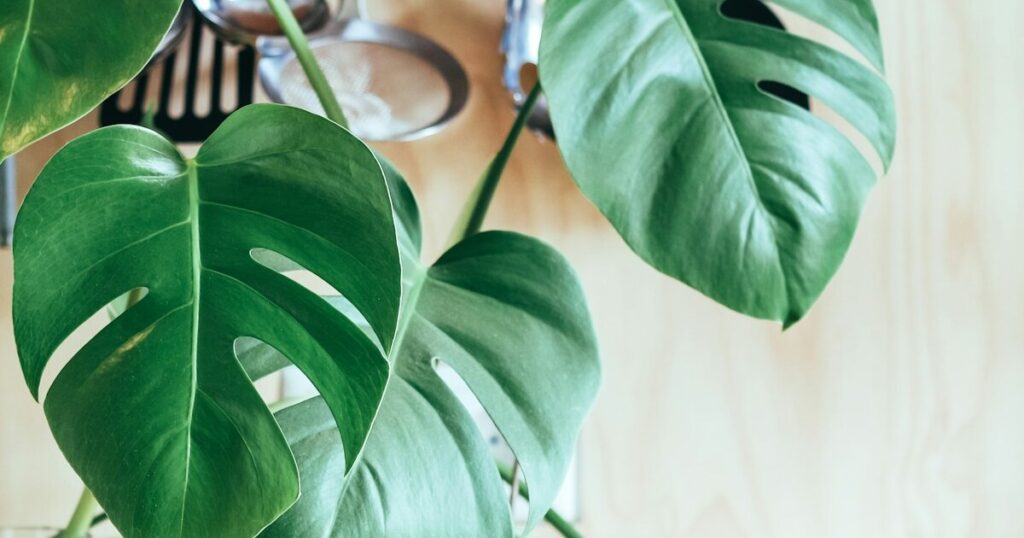
Too little light slows photosynthesis and can lead to general chlorosis across the leaf blade. I kept my Monstera in a dim corner thinking it preferred shade—only to see its leaves pale and yellow over time! While they tolerate lower light, bright indirect illumination is key to rich green coloration.
Move your Monstera closer to a bright window or supplement with a grow light if natural light is limited. Rotating the plant occasionally ensures all sides receive equal light, preventing one-sided yellowing. Soon, you’ll enjoy a full canopy of deep green, healthy leaves!
Rootbound Conditions

When Monsteras outgrow their pots, roots circle tightly and struggle to find water and nutrients, causing leaves to yellow and drop. I discovered this when roots peeked out from drainage holes, and repotting into a slightly larger container brought back vibrant growth almost overnight!
Check for rootbound signs every year or two, and repot into a container only a few inches larger to avoid overpotting. Fresh soil and more space let roots spread naturally, echoing how they expand among tree bark in their native habitat—supporting lush, green leaf production!
Temperature Stress

Monsteras prefer consistent temperatures between 65–85°F. Exposure to cold drafts or sudden heat spikes can trigger yellowing as the plant’s metabolism slows or becomes erratic. I once left mine near an improperly insulated window in winter and woke to yellow, drooping leaves!
Keep your Monstera away from air conditioners, heaters, and drafty windows. Maintaining a stable indoor temperature mimics the steady warmth of tropical understories. In that cozy environment, your Monstera’s leaves will stay a vibrant, healthy green rather than fading to yellow!