

It’s such a bummer when you carefully transplant your favorite pothos or fiddle leaf fig—plants that hail from the tropical rainforests of southern Mexico and Central America—into fresh soil, only to see them sulk, wilt, or worse, start fading away! I know how frustrating it is: you’ve given your green companions the promise of new nutrients and room to grow, yet they seem to react as if you’ve committed the ultimate betrayal. After all, repotting is supposed to be a fresh start—why, then, do so many plants go downhill after what should have been a positive change?
In this article, we’ll explore eleven common pitfalls that turn that hopeful repotting session into a plant drama. From root shock caused by jostling root systems to the perils of choosing the wrong potting mix, each section dives into a specific reason and offers insights drawn from my own trials (and errors!) as a passionate gardener. We’ll talk about how the repotting timing affects a snake plant (native to West Africa), why a pothos (Epipremnum aureum, native to the Solomon Islands and invasive in some tropical regions) can suffer if repotted at the wrong season, and how unintended pests—like fungus gnats—might use that new, moist soil as their nesting ground. By the end, you’ll have a clearer idea of how to repot successfully, keeping your indoor jungle thriving rather than watching it fade away!
Overly Large Pot Leading to Waterlogged Roots
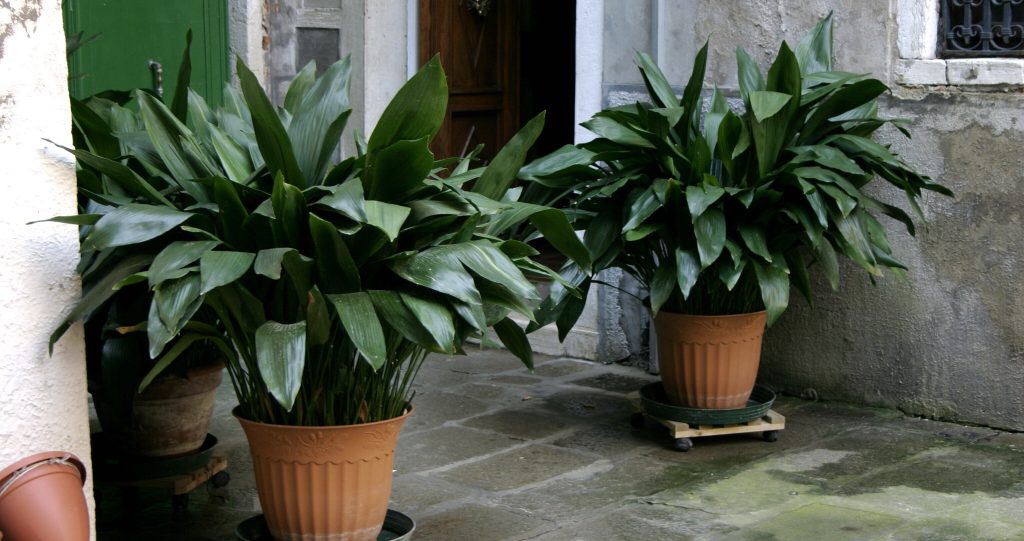
When you give a plant like a jade (Crassula ovata, native to South Africa and Mozambique) an enormous pot that dwarfs its root ball, you might think you’re setting it up for explosive growth—but often, the opposite happens. That oversized cavity fills with water each time you irrigate, and since the roots don’t occupy all that space, the soil stays perpetually damp. Jade plants, which evolved in arid regions with fast-draining, sandy soils, are particularly sensitive to soggy conditions. Roots deprived of oxygen become susceptible to rot, and soon your once-vibrant succulent starts to yellow and collapse.
Moreover, constantly wet soil can create a perfect nesting environment for fungus gnats and springtails, which feast on decaying organic matter and damaged roots. As these pests lay eggs in the moist potting mix, their larvae munch away at tender root hairs, further weakening the plant’s water uptake. Before you know it, the jade’s leaves drop one by one—an unwelcome surprise for anyone expecting a robust, full pot!
Using the Wrong Potting Mix
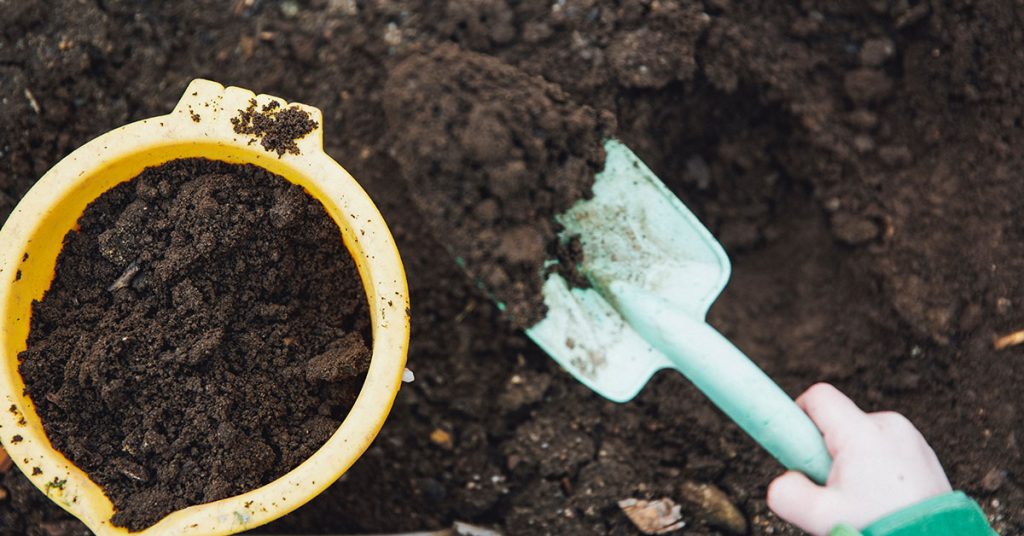
One of my favorite houseplants is the Swiss cheese plant (Monstera deliciosa), originally from the tropical rainforests of Central America. Monsteras thrive in chunky, well-aerated mixes that mimic the forest floor—think bark chips, peat, perlite, and charcoal. But when I first adopted mine, I used a generic all-purpose potting soil, which compacts quickly and retains too much moisture. Consequently, the roots became waterlogged, and the plant’s lower leaves turned mushy and brown. In effect, I created a breeding ground for root-rot fungi, and the Monstera’s root ball started to smell sour within days.
Similarly, orchids—like Phalaenopsis, epiphytes native to southeastern Asia—require airy, coarse media such as bark or sphagnum moss. By burying an orchid in dense soil meant for African violets, you smother its roots and invite microbial pathogens to jump in. If you’re caring for a dracaena (Dracaena fragrans, native to tropical Africa), remember they favor a slightly acidic, well-draining mix—too much clay or heavy peat and you’ll watch those glossy leaves droop sadly as root health collapses. Always match potting medium to plant origin and type, and you’ll sidestep needless repotting disasters.
Damaging Roots During the Repotting Process

I still cringe thinking about the time I repotted my ZZ plant (Zamioculcas zamiifolia), native to East Africa’s rocky grasslands. Eager to remove tightly bound roots, I pulled the root ball apart too aggressively, snapping off healthy rhizomes. While ZZZs tolerate some rough treatment, many houseplants can’t recover from severed roots. When you sever peripheral roots—especially the white, fibrous feeder roots—your plant’s ability to absorb water and nutrients plummets. In a matter of days, you’ll notice the leaves wilting and the stem base appearing lifeless, which is heartbreaking for any plant lover.
Furthermore, damaged roots create open wounds that invite pathogens like Pythium or Phytophthora to colonize. These root-rotting fungi then proliferate in the moist, fresh potting soil where they can quickly gain a foothold. Once root rot sets in, your beloved pothos, which in its native Solomon Island habitat benefits from well-draining canopy soil, can’t take up moisture effectively and may perish despite your best efforts. Always loosen root balls gently—teasing away soil with care rather than yanking or cutting—so you preserve as many root hairs as possible.
Insufficient Drainage in the New Pot
Even when you select an appropriately sized container for your peace lily (Spathiphyllum wallisii), native to Central American wetlands, you can doom it by forgetting drainage holes. I once repotted a thriving peace lily into a sleek ceramic pot without any bottom holes, thinking the tray would suffice. Within days, the water had nowhere to go, pooling under the roots. Despite wiping up visible puddles, the underlying soil remained waterlogged, triggering root rot so severe that the plant never recovered.
Plants adapted to wetland edges—like peace lilies—need ample drainage to keep roots moist but not immersed. Without it, pathogens nestle into constantly damp soil, munching on decaying roots and releasing toxins that further stress the plant. As the roots suffocate, leaves yellow from the base upward, signaling a systemic collapse you can’t reverse. Always choose pots with holes or add an extra layer of coarse gravel at the bottom (though this is no substitute for proper drainage!). Saving yourself from a future grey patch of moldy soil means prioritizing drainage—even when that stylish new pot tempts you.
Transplant Shock from Sudden Environmental Changes

Imagine moving your fiddle leaf fig (Ficus lyrata), native to warm, bright West African rainforests, into a darker corner after repotting. The sudden shift from ample light to partial shade jolts the plant’s energy cycle—photosynthesis slows, and stress hormones surge. I’ve seen Ficus leaves drop en masse simply because the new location lacked the bright, indirect light they crave. In nature, these giants grow under dappled forest light, so indoors they need similar conditions. Without them, their newly disturbed roots can’t support leaf retention, and those iconic violin-shaped leaves plummet to the floor.
Likewise, repotting often involves pruning a few roots to free the root ball. Combine that disturbance with a temperature drop—especially common when repotting by a chilly window in early spring—and you face double the shock. Your snake plant (Sansevieria trifasciata), accustomed to West Africa’s stable warmth, might protest by producing soft, yellowed leaves. To minimize transplant shock, repot during the growing season—spring to early summer—keep plants in a stable microclimate, and avoid moving them to drastically different light or temperature zones until roots re-establish themselves.
Improper Depth—Planting Too Shallow or Too Deep

Last autumn, I repotted my beloved African violet (Saintpaulia spp.), originally from Tanzania’s cloud forests, only to bury its crown too deeply. I didn’t realize that even though they prefer well-draining soil, African violets need their crown slightly above the soil line. Within a week, the base of the plant began rotting, and leaves slid into a soggy mess—an utterly avoidable tragedy. Conversely, when a plant like a spider plant (Chlorophytum comosum, native to tropical and southern Africa) sits too high, its thinner roots dry out rapidly, leaving the top exposed to air while the lower roots linger in dampness.
In nature, spider plants grow as understorey plants anchored just beneath the leaf litter on forest floors. When I didn’t replicate that, I ended up with exposed roots that curled up, desiccated, and then became prime real estate for root-eating gnats to lah-de-dah their larval lives. Whether you’re dealing with a philodendron (Philodendron hederaceum, native to Central and South America) that needs a shallow, stable base or a fiddle leaf fig that demands a deeper anchoring, make sure the potting depth matches the plant’s natural habit. Too shallow, and the roots struggle to access water; too deep, and you drown the stem in disease-prone conditions.
Failure to Acclimate to New Light Conditions

Philodendrons, native to tropical rainforests, often thrive in bright, filtered light. Yet if you rush a repotted philodendron from a dim shelf right into direct midday sunlight, you might scorch those tender leaves immediately after the stress of being moved to fresh soil. I once did this with a Peace Ivy (Aglaonema modestum, native to Indonesian rainforests), tossing it on my brightest windowsill post-repot. By the next morning, the leaves were bleached and curling—a classic sunburn on a plant that prefers gentle dappled shade, just like its wild counterparts.
On the flip side, moving a plant accustomed to bright conditions—like a staghorn fern (Platycerium spp., native to tropical and subtropical rainforests) that grows epiphytically high in tree branches—into low light immediately after repotting can lead to chlorosis and eventually cell collapse. Those radiating fronds become leggy and pale as they scramble for photons. To prevent this, acclimate gradually: keep your newly potted plant in a similar light zone for a week, then slowly shift it closer to its ideal illumination. This stepwise approach ensures leaves don’t lash out at intense sunshine or neglect in dim corners.
Underwatering During Root Establishment
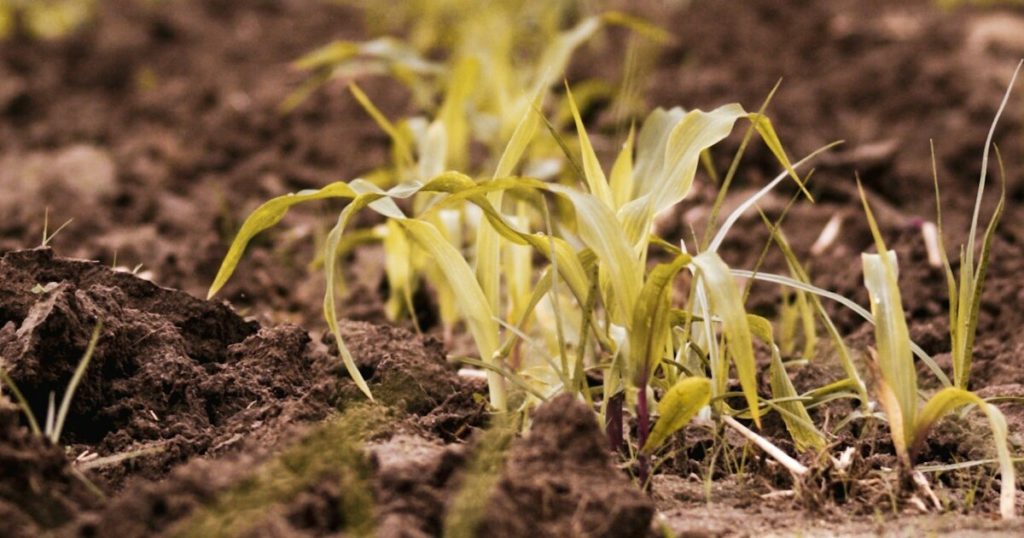
It’s tempting to see a newly repotted plant drooping—its leaves sad and droopy—and think, “This poor guy needs more water!” Yet overzealous watering at this stage can wash away the delicate root hairs that are trying to establish themselves in that fresh medium. For example, my African violet began to wilt soon after I gave it a deep soak post-repotting—only to realize the excess water had compacted the fine, mossy substrate, cutting off oxygen flow. That moisture saturation invited root pathogens, and within days, I was battling gnats and fungal molds instead of nurturing new root growth.
However, the flip side is underwatering. Some new roots need consistent moisture to penetrate the fresh soil, especially for moisture-loving perennials like Boston ferns (Nephrolepis exaltata, native to tropical and subtropical regions of the Americas). If you let the soil dry out too quickly, that fragile root network can shrivel before it fully establishes, leaving your fern gasping for water at the base. Striking that middle ground—keeping the medium evenly moist but not soggy—is tricky but crucial. A good rule of thumb: water thoroughly once, then allow the top inch of soil to become slightly dry before re-watering.
Introducing Pathogens or Pests via Unsterilized Tools or Soil

I’ll never forget repotting an innocent pothos (Epipremnum aureum, native to the Solomon Islands and invasive in many tropical zones) using some hand-me-down pots and old potting soil. A week later, those charming heart-shaped leaves were riddled with black spots, and tiny white larvae crawled in the top layer of soil. I had introduced root-rot pathogens and fungus gnat eggs that used the moist environment as their nesting ground. It’s heartbreaking to watch a resilient houseplant, known for tolerating low light and inconsistent watering, decline because of a minute oversight in soil hygiene.
Even commercial potting mixes can carry fungal spores—especially if stored in damp warehouses. And when you use the same trowel or pruning shears from one plant to another without cleaning, you risk spreading disease. For instance, anthracnose fungi, which can infect peace lilies (native to tropical Americas), easily hitchhike on unsterilized cutting tools. To prevent this, bake ceramic pots in the oven at low heat to kill lurking spores, discard any suspicious old soil, and wipe down your tools with isopropyl alcohol between every use. A little extra scrubbing now saves you plant funerals later!
Repotting During Dormant Season Instead of Active Growth Period

Repotting a snake plant (Sansevieria trifasciata, native to West Africa) in the dead of winter might seem harmless, but this is when its metabolic processes slow to a crawl. I learned this the hard way last December: after moving it to a fresh, larger pot, the plant sat in dim, cool conditions for weeks, refusing to produce any new roots. By spring, I noticed yellowing patches, and its rhizomes had begun to shrivel from lack of active growth. Snake plants, and many other species, prefer to repot in spring or early summer when temperatures warm up and daylight lengthens—their roots are primed to explore new soil.
Likewise, tropical begonias (Begonia spp., native to humid, forested regions of Asia and Africa) often die back or go semi-dormant in cooler months. Repotting at that time disrupts their nutrient reserves without the benefit of rising sap flow. They simply can’t bounce back until the growing season resumes, and sometimes they never do. Instead, aim to repot when you see new leaf or root tips—clear signs of active growth—so your plant, whether it’s a philodendron or a rubber plant (Ficus elastica, native to Southeast Asia), can immediately use the fresh resources rather than languishing in a winter lull.
Improper Fertilization Immediately After Repotting
I admit it—I’ve been guilty of that excited impulse to feed my repotted monstera (Monstera deliciosa) as soon as I laid down fresh soil. I thought, “New medium means hungry roots!” But that rush to fertilize caused fertilizer burn: the tender, regenerating roots couldn’t handle the sudden nutrient spike, and those iconic split leaves developed brown scorch marks at the edges. In the wild, Monstera’s roots glean nutrients slowly from decomposing forest litter, not a concentrated slug of synthetic fertilizer. By trying to accelerate growth, I inadvertently stressed that tropical beauty from Central America.
Similarly, while fertilizing can help replenish depleted substrates, a young ZZ plant (Zamioculcas zamiifolia) rerooting itself doesn’t need extra nitrogen right away. These plants store water and nutrients in rhizomes, so a month without added fertilizer is perfectly fine. Instead of reaching for a high-nitrogen formula immediately after repotting, wait until you see new root tips or fresh leaf emergence—clear signs your plant is ready to convert nutrients into growth rather than burning delicate tissues. Patience pays off; otherwise, you risk undermining the very fresh start you offered by repotting!
Inadequate Acclimation to New Humidity Levels
When I moved my Boston fern (Nephrolepis exaltata) indoors with fresh soil in early fall, I forgot that my home’s humidity plummets once the heater kicks in. These ferns, native to moist forest floors across Central and South America, require high humidity to keep their delicate fronds crisp. Instead, I left mine near the heater vents, expecting it to adjust. Instead, the frond tips turned brown within days, and powdery mildew found a perfect, moist shelter at the soil surface. Those spores, normally kept in check by the rainforest’s stable humidity, flourished in my uneven home environment.
On the flip side, placing a pothos that thrived in a steamy bathroom into a dry living room immediately after repotting can shock its tropical roots. The sudden drop from near-100% humidity to 30-40% forces the plant to conserve moisture—often by shedding leaves. It’s like transporting a rainforest species into a desert without warning! To avoid this, gradually acclimate humidity-loving plants by using a pebble tray or a small humidifier and moving them incrementally to less humid areas. This helps roots adjust to changing moisture levels without gasping for water or succumbing to mildew.