

Planning your cucumber harvest timing can make all the difference between crisp, refreshing slices and disappointingly tough, bitter monsters! Native to South Asia, cucumbers (Cucumis sativus) have been delighting gardeners for millennia with their cool, hydrating flesh, but letting them grow beyond peak size often leads to a less-than-stellar eating experience. It’s such a bummer when you bite into what should be a fresh snack only to find stringy pulp or a mouthful of oversized seeds!
I know how tempting it is to let a few cukes linger on the vine—after all, seeing those glossy green fruits swell feels rewarding. But as someone who’s learned the hard way, pulling too-big cukes can also stress your plants, invite pests, and reduce overall yields. That’s why I’m excited to share these eleven compelling reasons to pick your cucumbers at just the right moment—each backed by vine behavior, soil considerations, and seasonal insights to keep your garden thriving.
Overly Bitter Flavor
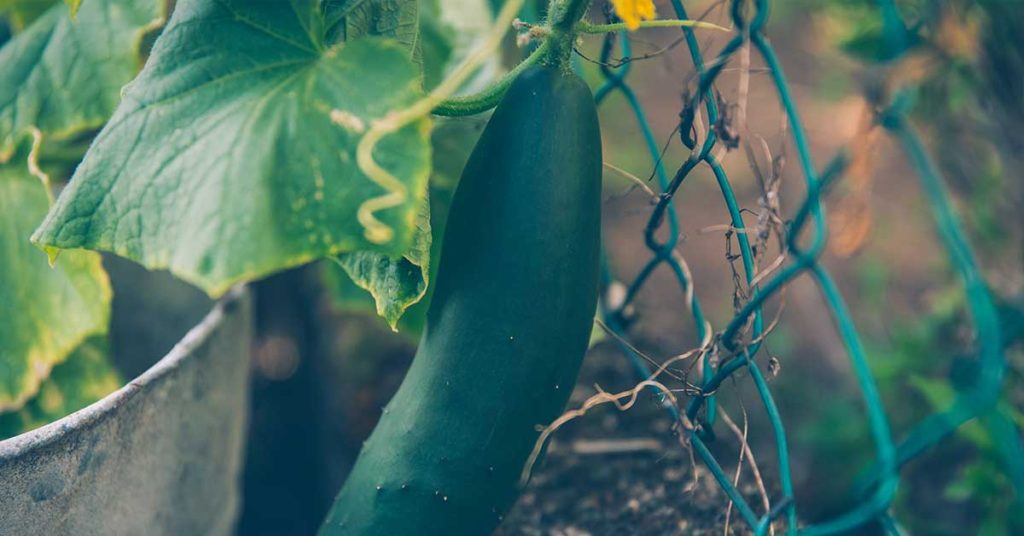
When cucumbers stay on the vine too long, they produce higher levels of cucurbitacins—bitter compounds meant to deter herbivores. This bitterness can linger in your salad, turning what should be a sweet crunch into an unpleasant bite. One of my favorite gardening tricks is tasting a small slice every few days; it’s such an easy way to track flavor development!
These compounds aren’t just chemical defense; they also signal to beneficial insects like predatory wasps and lady beetles that the plant is stressed. As vines age, they may drop leaf litter and create nesting spots for solitary bees—so timely harvest helps maintain plant vigor and the surrounding pollinator community.
Tough, Woody Texture
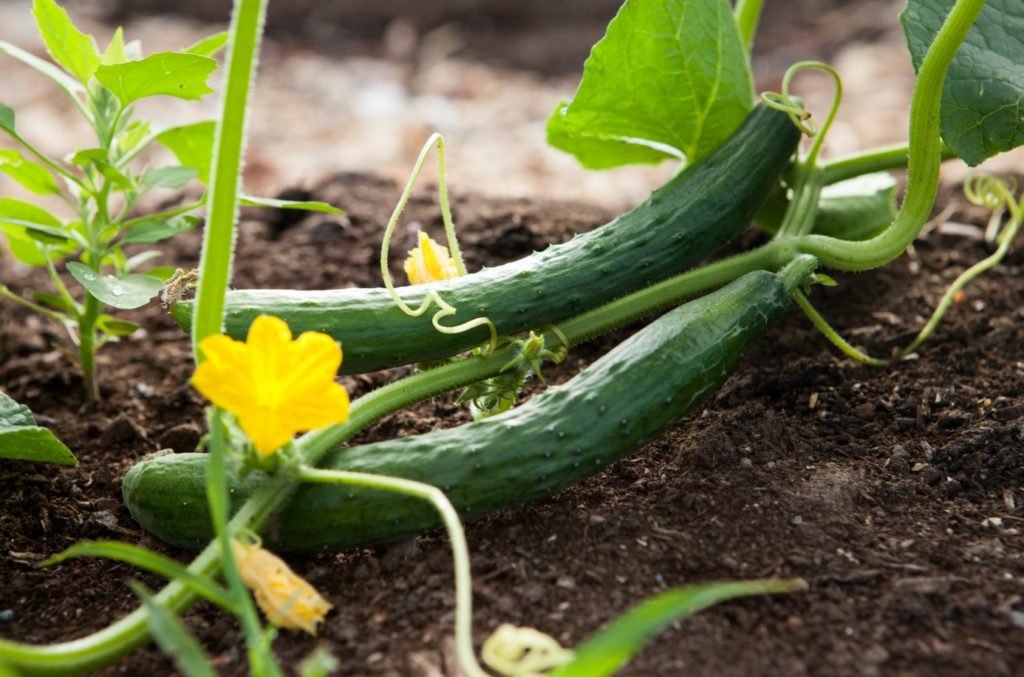
Mature cucumbers can develop thickened cell walls, leading to a stringy, fibrous interior that’s downright chewy. That woody texture isn’t just unappetizing—it also indicates that the fruit’s energy is spent on seed production rather than tender flesh. I always admire how quickly young cukes yield to a gentle squeeze; that crisp feedback tells me they’re at the peak of perfection!
Those rigid tissues also affect how decomposers like earthworms and springtails process spent vines once you pull them. When you harvest cucumbers at the ideal size, you encourage healthier vine regeneration and ensure that residual debris remains hospitable to beneficial soil fauna and ground‑nesting insects.
Oversized, Watery Seeds
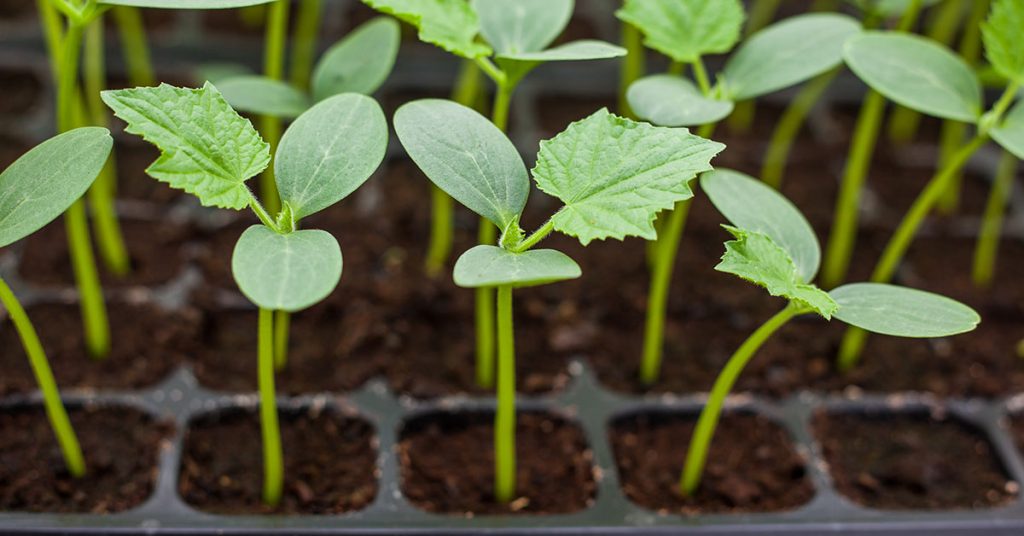
As cucumbers grow past their prime, their seeds expand, becoming large and gel‑filled. While edible, these plump seeds can overwhelm the flesh, imparting a watery mouthfeel. I know how frustrating it is to slice open what looks like the perfect fruit only to scoop out a mass of pithy seeds!
Those seed pockets also attract slugs and snails seeking moisture, putting young sprouts and seedlings nearby at risk. By harvesting before excessive seed development, you keep critters focused elsewhere and protect your tender cucumbers from nocturnal nibblers.
Decreased Overall Yield
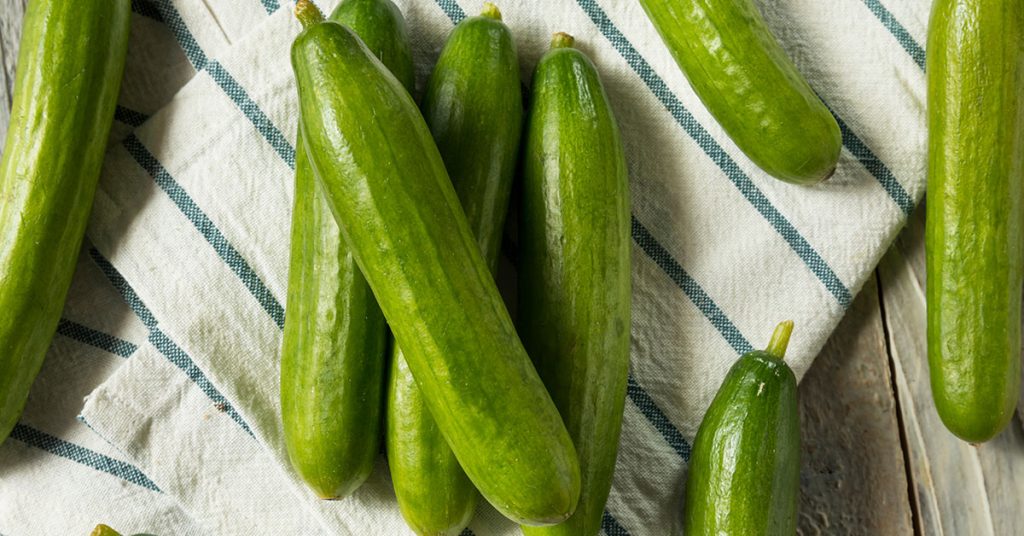
When a vine devotes energy to a single oversized cucumber, it often neglects to set or develop additional fruits. That means fewer cukes in your harvest basket! I’ve watched vines choke on a handful of giant fruits only to stop producing altogether—so learning when to pick keeps productivity humming.
Moreover, heavy fruits can bend and break vines, exposing internal tissues and inviting diseases like bacterial wilt. Frequent harvesting helps maintain a robust canopy, offering nesting sites for bees and maintaining a balanced microclimate around your plants.
Increased Pest Attraction
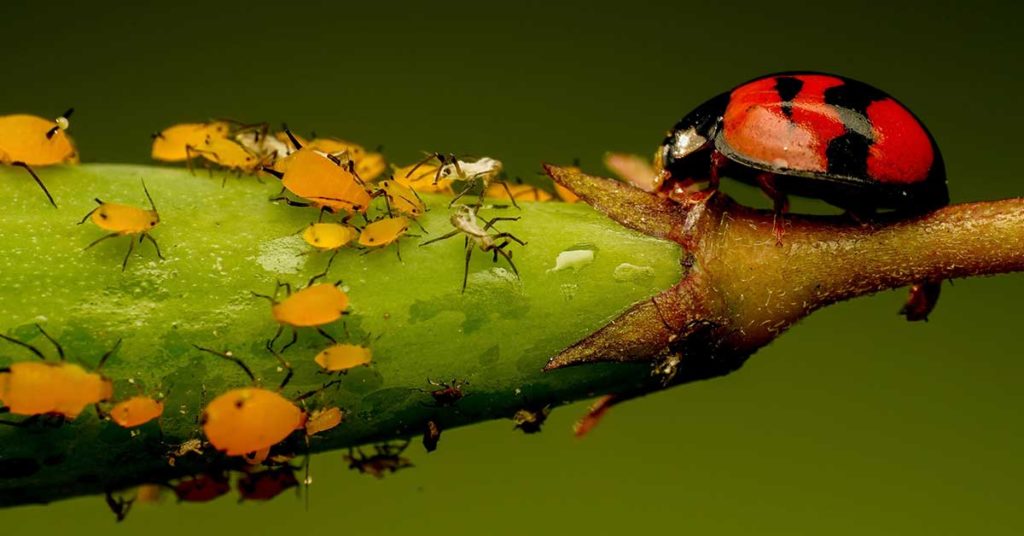
Giant cucumbers can harbor more hiding spots for pests such as cucumber beetles and aphids, which feed on mottled stems and sap. These insects also transmit bacterial diseases, and large fruits can mask early signs of infestation. It’s such a relief to reduce these harborage areas by picking fruits while they’re still compact!
Meanwhile, beneficial predators like lacewings may nest in nearby ground cover, but if pests concentrate on large fruits, they overwhelm local biocontrol. Smaller cukes encourage a healthy predator–prey balance, keeping your garden ecosystem humming.
Risk of Fruit Splitting

Rapid interior expansion in overgrown cucumbers often leads to split skin, creating open wounds that invite fungal spores and rot. There’s nothing worse than pulling a cracked cucumber only to find it oozing sticky sap! Prevent this by harvesting before internal pressure builds.
Those splits also provide entry points for opportunistic insects like vine borers, which can nest just beneath the surface. By picking early, you deny these pests nesting sites and reduce the spread of soil‑borne diseases.
Poor Pickling Quality
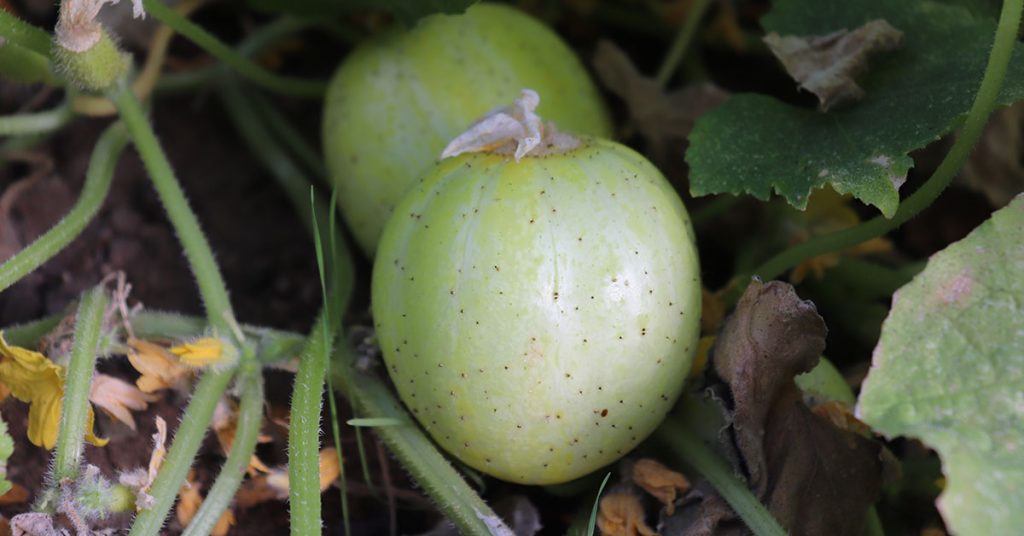
If you’ve ever dreamt of homemade pickles, oversized cukes are a pickle-maker’s nightmare. Large fruits develop thicker skins and seeds that prevent brine from penetrating evenly. I love a quick dill pickle, but giant cukes need peeling and extra prep time, cutting into the joy of preserving!
Smaller, uniformly sized cucumbers encourage beneficial lactic acid bacteria to colonize during fermentation, creating crisp, tangy pickles. Harvesting at the right size ensures robust microbial activity and delicious jars all winter long.
Lower Nutritional Density
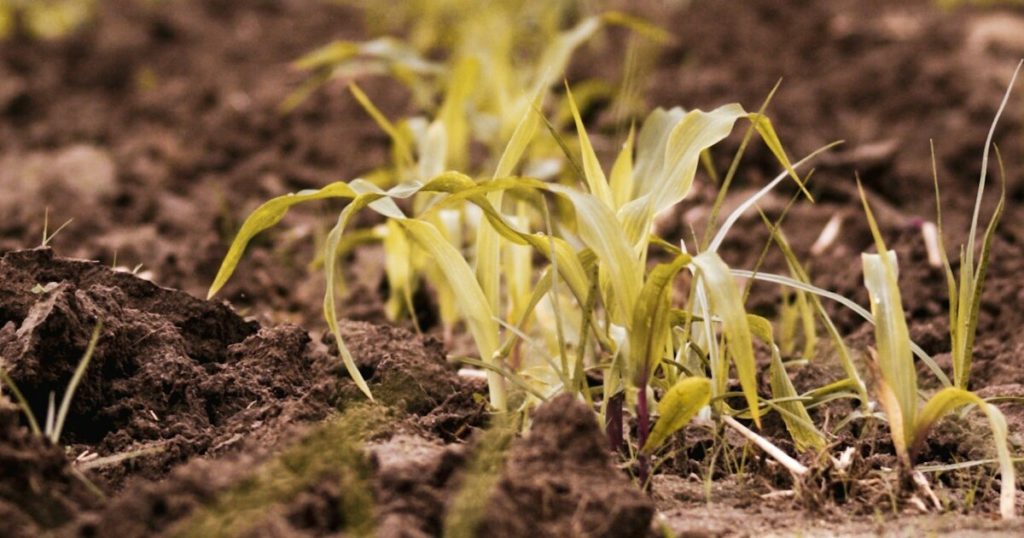
As cucumbers grow larger, their water content increases relative to vitamins and minerals, diluting nutritional value. While all cukes are hydrating, smaller fruits tend to pack more concentrated doses of vitamin K, potassium, and antioxidants per bite. I always feel good knowing each slice offers maximum nourishment!
Denser fruits also support a healthier digestive microbiome, whereas watery, seedy cucumbers can pass through quickly. By timing your harvest, you not only enjoy better flavor but also optimize the garden-to-table nutrient pathway.
Vines Under Increased Strain
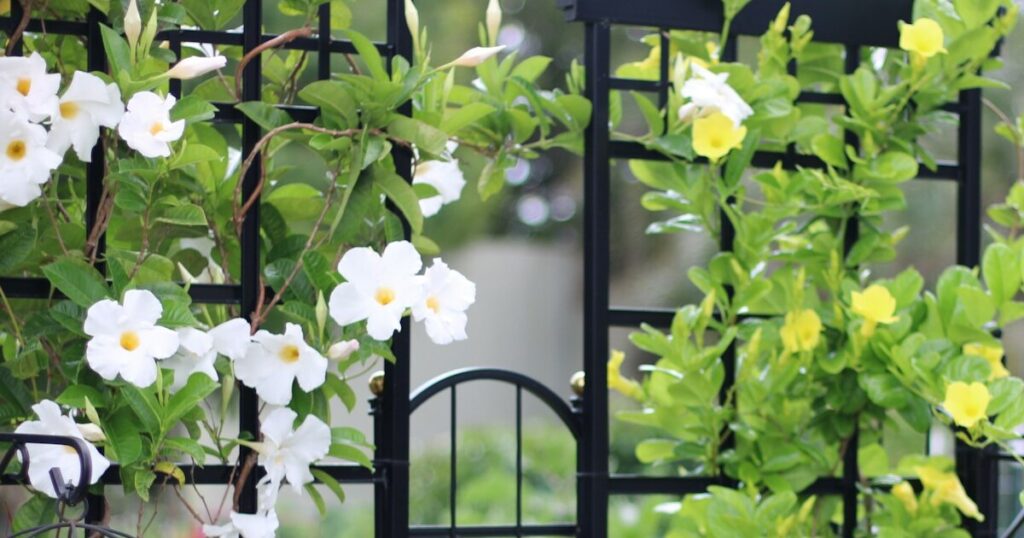
Weighty cucumbers pull heavily on the vine tendrils and stems, which can lead to snapped supports and broken joints. Watching vines droop under oversized loads is heartbreaking—especially when a sudden gust or rainstorm sends fruits crashing to the ground. Frequent picking keeps vines upright and healthy!
When vines remain vigorous, they continue to produce new flowers that attract pollinators like hoverflies and small carpenter bees. Those insects often nest in hollow stems or ground cavities near healthy, well-supported vines.
Missed Succession Planting Signals

Allowing cucumbers to oversized maturity can mask the vine’s true production timetable, making it harder to plan succession crops such as lettuce or spinach in the cleared beds. I once lost my window for cool-weather greens because I waited too long on that one giant cuke!
Prompt harvesting signals that it’s time to cut back vines or pull them entirely, freeing space and nutrients for fall plantings. Plus, cleared beds get more sunlight—inviting ground-nesting bees to establish new habitats in the freshly tilled soil.
Diminished Garden Aesthetics

While beauty isn’t everything, a patch of uniformly medium-sized, glossy cucumbers is far more pleasing than a tangle dotted with oversized, blotchy specimens. A tidy harvest not only looks great but also signals healthy plant care. It’s such a joy to show off a neat row of perfectly sized fruits to friends visiting the garden!
Clean, regularly harvested vines also maintain airflow and light penetration, which reduces fungal growth on leaves. That makes nesting areas for predatory insects like minute pirate bugs more inviting, helping you keep pests in check naturally.