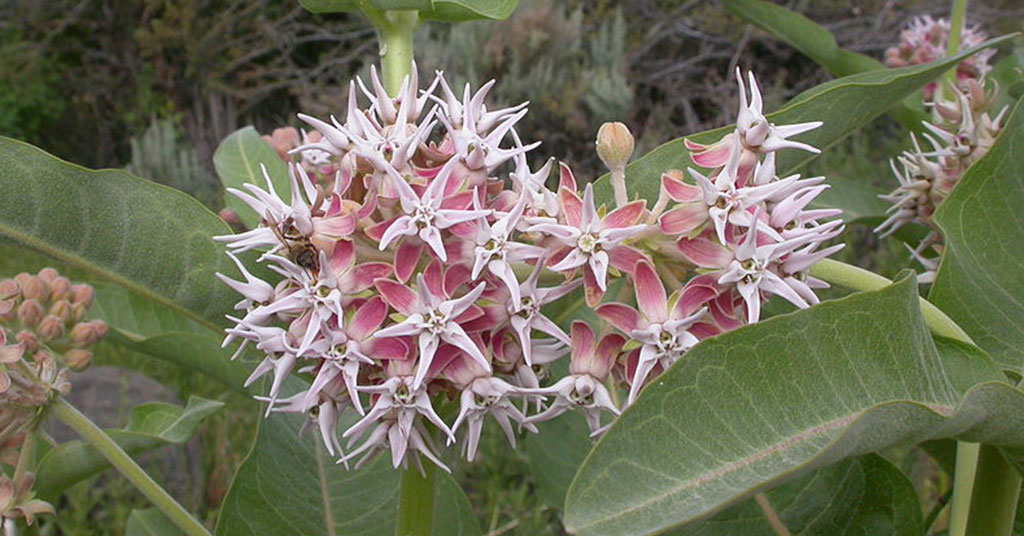

Milkweed is one of my favorite plants to welcome visitors with a burst of summer beauty and wildlife activity! Native to much of North America, this versatile perennial offers not only clusters of sweetly scented flowers but also vital habitat for monarch butterflies and a host of other pollinators. I know how frustrating it can be to have a front entry that feels sterile or uninviting; planting milkweed transforms that space into a living, buzzing ecosystem that delights the eye and fuels conservation efforts at the same time.
Growing milkweed isn’t just about pretty blooms by your doorstep—it’s about reconnecting with nature and supporting species that desperately need our help. While species like common milkweed (Asclepias syriaca) can spread in ideal conditions, you can manage volunteers easily by deadheading spent pods or containing roots. So let’s dive into eleven compelling reasons—presented in random order—to plant milkweed by your front door and enjoy the magic they bring!
Provide Essential Monarch Caterpillar Habitat

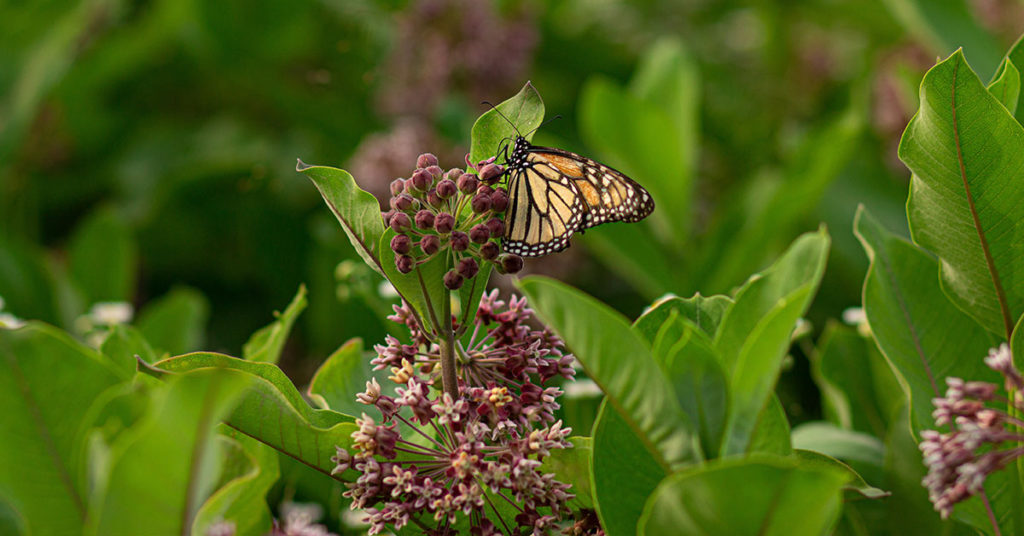
One of the most rewarding reasons to plant milkweed is that monarch butterflies lay their eggs exclusively on these plants. Watching tiny caterpillars hatch and munch voraciously on the leaves is like witnessing a miracle in miniature! It’s such a thrill to know your front doorstep garden is directly supporting the monarch lifecycle.
Because monarchs have faced steep population declines, each patch of milkweed you grow becomes a critical stopover during their epic migrations. By keeping a few leaves and stems undisturbed, you allow caterpillars to feed and grow safely—an act of ecological kindness right at your entrance.
Attract a Diversity of Pollinators
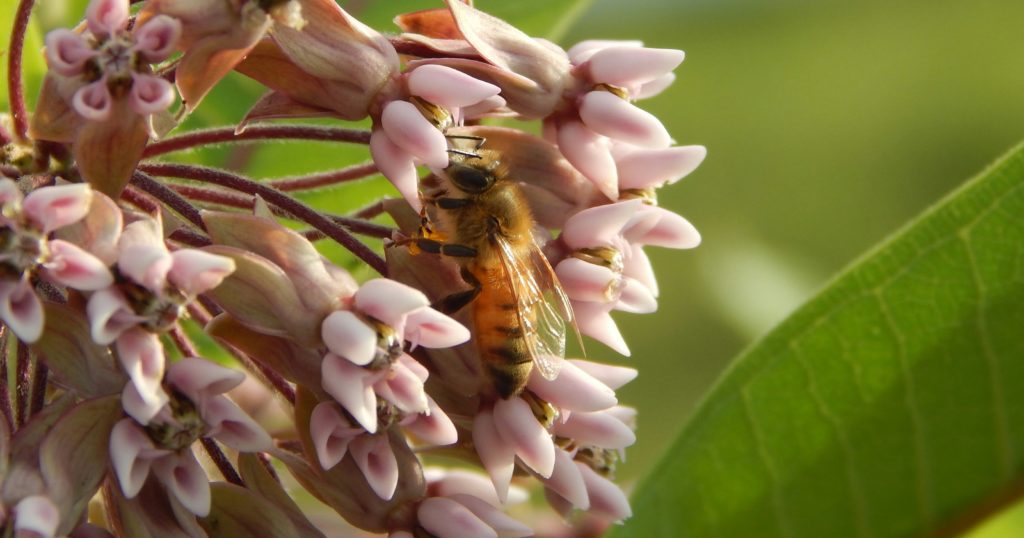
Milkweed’s umbrella-like clusters of nectar-rich flowers beckon not just monarchs but also bees, hoverflies, and hummingbird moths. I love seeing bumblebees wobble into those tight blossoms, and tiny sweat bees often nest in the bare patches I leave at the garden’s edge. The constant hum of wings makes your entryway feel alive and welcoming!
These pollinators, in turn, do double duty by visiting nearby shrubs and flowers, improving overall garden health. By growing milkweed, you create a buzzing freeway of beneficial insects right at your door—an invitation they simply can’t refuse!
Support Bird Nesting with Fluffy Seed Down
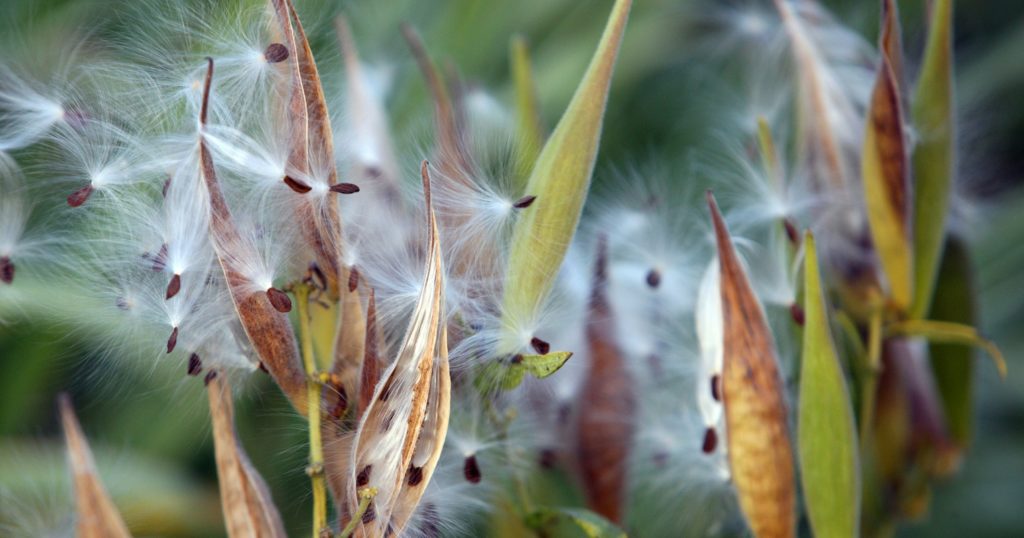
After blooming, milkweed forms pods filled with silky floss that birds like goldfinches and hummingbirds harvest for nest lining. It’s heartwarming to watch them tug at the fibers and carry them into nearby shrubs. Those milkweed floss tufts add insulation and softness to nests—nature’s perfect stuffing!
By letting some pods mature fully before harvesting seeds, you not only help perpetuate the plant but also offer valuable nesting material. Your front door plantings thus serve both as a nursery and a larder for winged families.
Offer Year-Round Interest
From the first green shoots in spring to the fragrant summer flowers and dramatic seed pods in fall, milkweed provides multi-season intrigue. Their sturdy stems hold upright through autumn, turning a rusty copper before frost, and even the silhouette of bare stalks adds architectural interest in winter.
That persistent structure can be left as habitat for overwintering insects or gently cut back in late winter to tidy the space. Either way, milkweed ensures your front border isn’t dull once the annuals have finished for the year!
Demonstrate Eco-Friendly Gardening
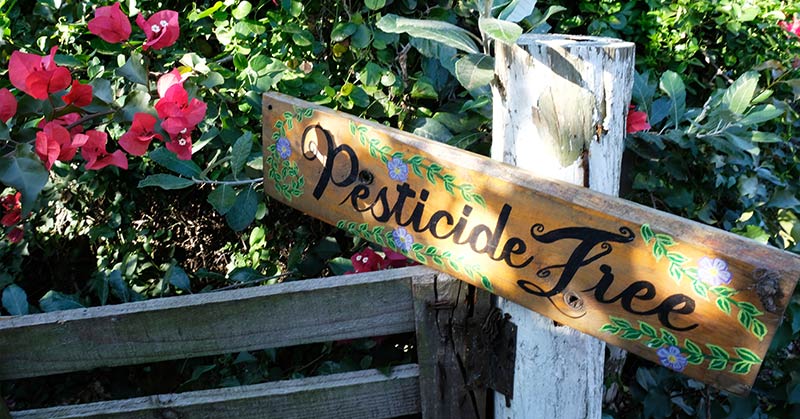
Choosing native milkweed by your front door sends a clear message: you care about local ecosystems and biodiversity. This simple act reduces the need for chemical inputs and supports sustainable landscaping. It’s such a bummer to see people rely heavily on fertilizers and pesticides—milkweed lets you garden responsibly!
Plus, by deadheading pods before they explode everywhere, you avoid unwanted volunteers while still reaping all the ecological benefits. Thoughtful placement and management mean you get good looks and good karma in equal measure.
Encourage Natural Pest Control
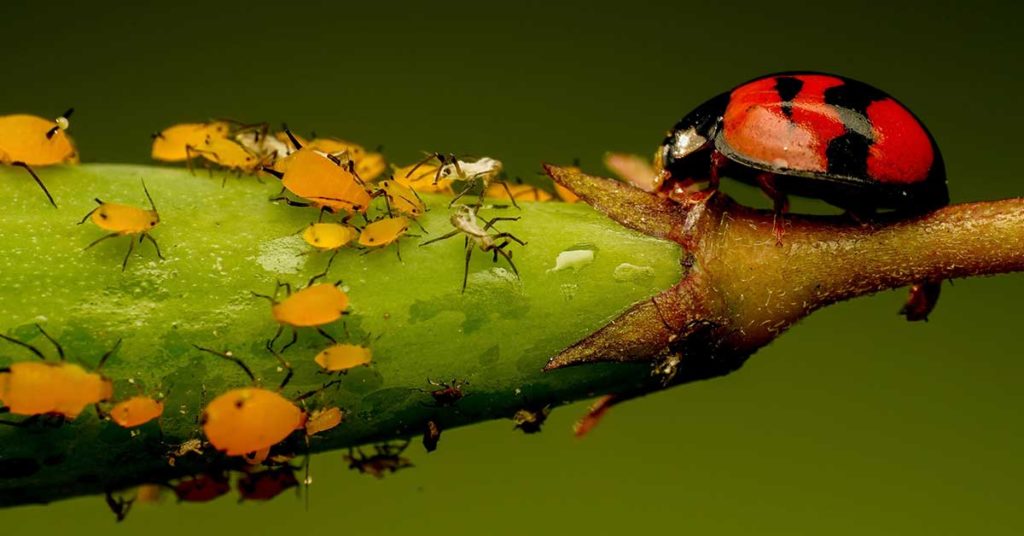
Milkweed flowers attract predatory insects like ladybugs and lacewings that feed on aphids and other sap-sucking pests. I’ve noticed that after milkweed blooms appear, aphid outbreaks on nearby ornamentals diminish significantly. It’s like hosting a pest-control party right by your front door!
Those beneficials often establish nests in the leaf litter beneath the plants, so I leave a thin layer of mulch rather than raking everything away. The result is a mini ecosystem that keeps pests in check without you lifting a finger!
Celebrate Native Plant Heritage
Milkweed has been part of North American landscapes for millennia, used by Indigenous peoples for medicinal fibers and as food after proper preparation. Planting it honors that heritage and connects us to traditional ecological knowledge. I find it so inspiring to grow a plant with such deep cultural roots!
By featuring milkweed prominently, you invite neighbors to ask questions and learn about native species. Your front door becomes a classroom where stories of nature and history intertwine.
Enhance Curb Appeal with Unique Flowers

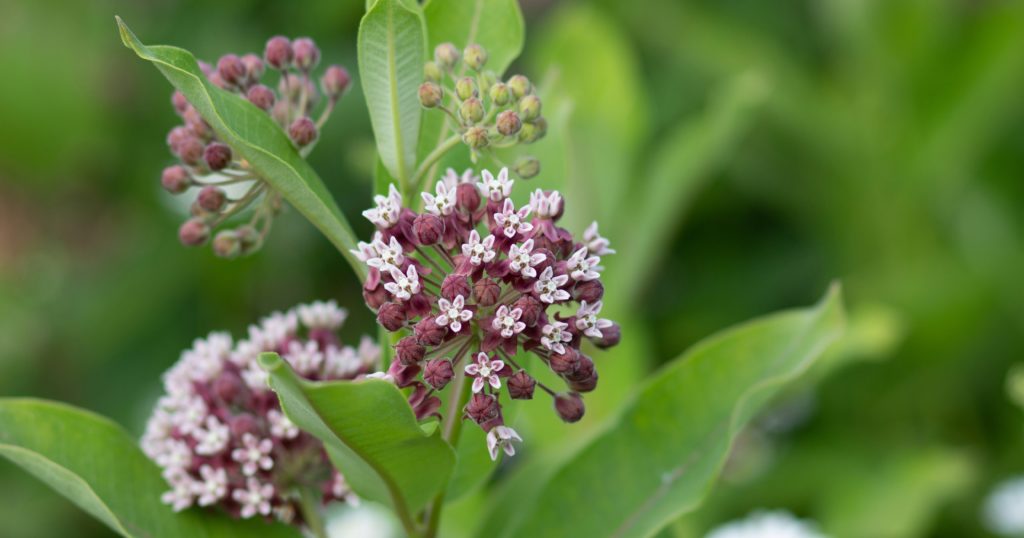
Few plants rival milkweed’s star-shaped blooms in both form and function. The clustered flowers, ranging from creamy white to coral-pink and deep orange, catch the eye of passersby and make your entryway pop! I get so many compliments on those unusual umbels that double as pollinator magnets.
Because different milkweed species bloom at slightly different times, mixing varieties can extend the flowering window. You’ll have color and interest from early summer right through fall’s first chill!
Teach Children About Life Cycles

If you have kids or grandchildren, milkweed is the perfect hands-on teaching tool. My niece was overjoyed when her first caterpillar emerged, and she learned about metamorphosis by watching chrysalises transform into butterflies on our porch. It’s a lesson that sticks far more than any textbook illustration!
By planting milkweed by your front door, you create daily opportunities for discovery: digging, watering, observing—tiny moments that spark lifelong curiosity and ecological stewardship.
Low Maintenance and Drought Tolerant
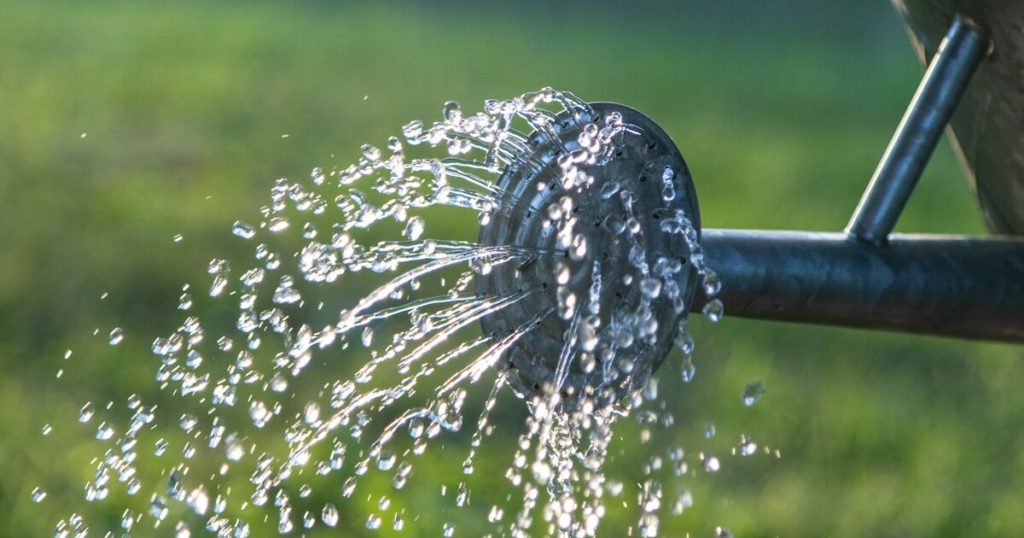
Once established, many milkweed species tolerate dry, sunny conditions with minimal fuss. I planted mine in a sunny spot with lean soil amendment, and they’ve thrived through heat waves with only occasional watering. That resilience makes them perfect for busy gardeners!
Of course, young plants appreciate regular moisture until roots are set, but long-term care is easy. A yearly division every three to four years helps rejuvenate clumps, keeping them vigorous without invasive spreading.
Contribute to Monarch Migration Corridors
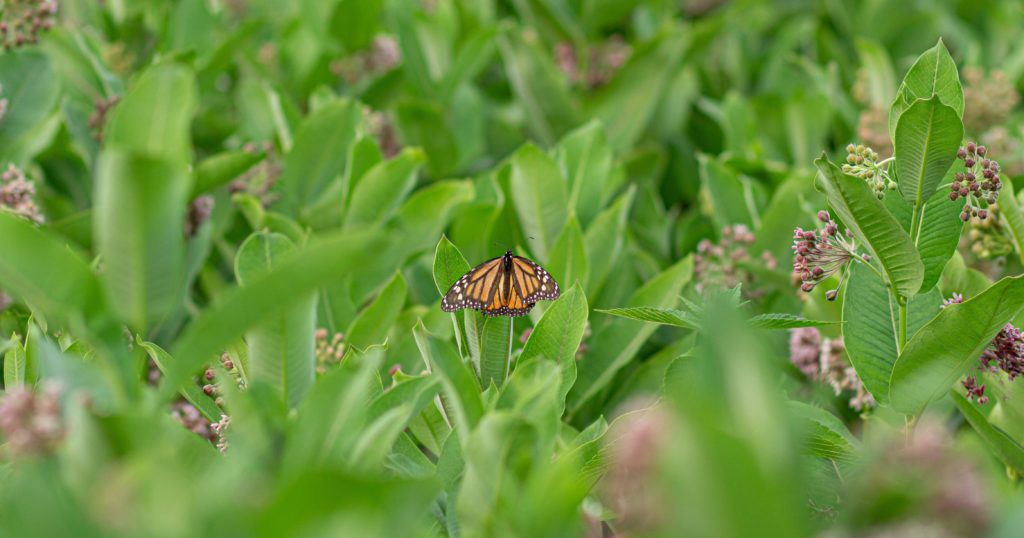
By situating milkweed at your front door—often directly adjacent to sidewalks and roads—you help fill critical gaps in monarch migration corridors. Each cluster you grow becomes a refueling station for exhausted butterflies making their epic journey south.
Knowing that your humble planting plays a part in a continental odyssey is profoundly satisfying. It transforms your entryway into a landmark in one of nature’s greatest spectacles!