

Tulips (Tulipa spp.) and daffodils (Narcissus spp.) are among spring’s most celebrated bulbs—together they create a breathtaking display that feels like nature’s confetti after a long winter! I know how thrilling it is to spy that first tulip bud and then witness daffodil trumpets unfurling side by side. Yet, it can be frustrating when one fades before the other even begins, leaving gaps in your border just as you crave lush color. Planting them together ensures continuous interest, practical benefits, and a harmonious blend of form and function.
Originating respectively from Central Asia’s steppes and the Mediterranean’s woodlands, neither tulips nor daffodils tends to escape cultivation or become invasive. By combining their different bloom times, pest‑resistant traits, and wildlife‑friendly habits, you build a resilient spring garden that delights both you and the local ecosystem. Ready to transform your beds into a dynamic, low‑maintenance spectacle? Let’s dive into eleven compelling reasons to team up these two springtime stars!
Succession Planting Ease
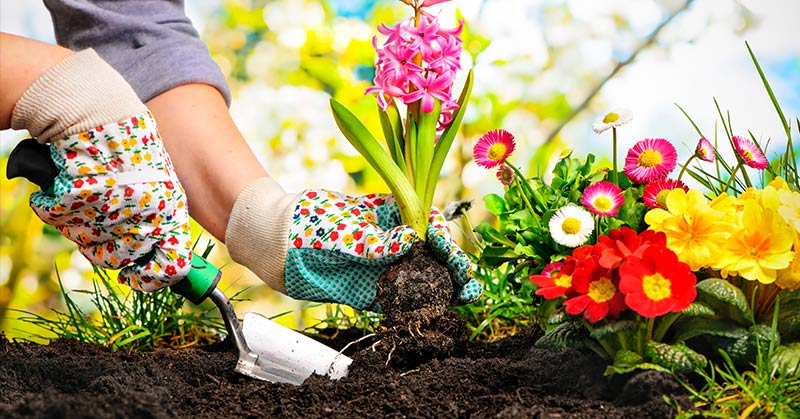
Timing bulb plantings to maximize bloom succession can be a juggling act, but tulips and daffodils make it simple. Early‑flowering daffodil cultivars like ‘February Gold’ open just as very early tulip varieties emerge, and mid‑season tulips then fill in as daffodils fade. I schedule my fall planting sessions by color and bloom window, ensuring a steady cascade of blossoms from late winter through late spring!
This succession strategy also streamlines maintenance: you apply fertilizer once in autumn, tidy spent foliage in late spring, and let nature handle the rest. The result is a continuous spring show without repeated soil disturbance or staggered care routines—perfect for busy gardeners craving effortless beauty.
Extended Color Palette
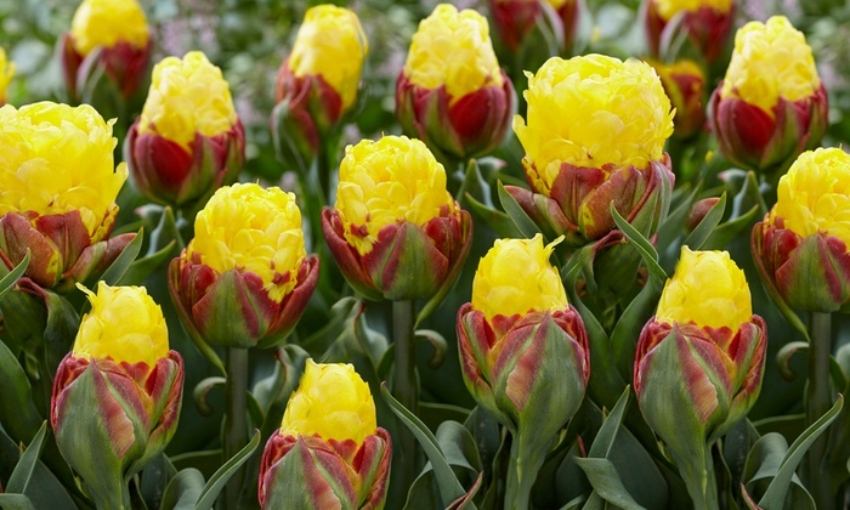
Tulips bring a rainbow of hues—from soft pastels to fiery reds—while daffodils shine in vibrant yellows, creams, and even soft pinks. Planting them together multiplies your palette, enabling bold contrasts or subtle transitions. I often pair orange ‘Daydream’ tulips with classic yellow ‘King Alfred’ daffodils for a zesty, sun‑lit pairing that practically glows in my front bed!
This color interplay isn’t just for looks: bright hues help pollinators locate blooms more easily, boosting early‑season foraging. You’ll delight in both the visual crescendo and the hum of bees flitting from trumpet to tulip—all thanks to your intentional color choreography.
Pollinator Attraction

Early bumblebees and solitary bees emerge hungry after winter, searching for shallow cups of nectar. Tulips offer these perfect landing pads, while daffodils—though less nectar‑rich—provide supplementary pollen that sustains insects until more flowers appear. I love watching bees buzz between the two, nesting in nearby bare patches of soil in my border!
By supporting pollinators when other blooms are scarce, you also enhance pollination for fruit trees and vegetable blossoms later in the season. That means more berries, tomatoes, and squash in summer—a ripple effect of your spring bulb choices!
Layered Heights for Visual Depth
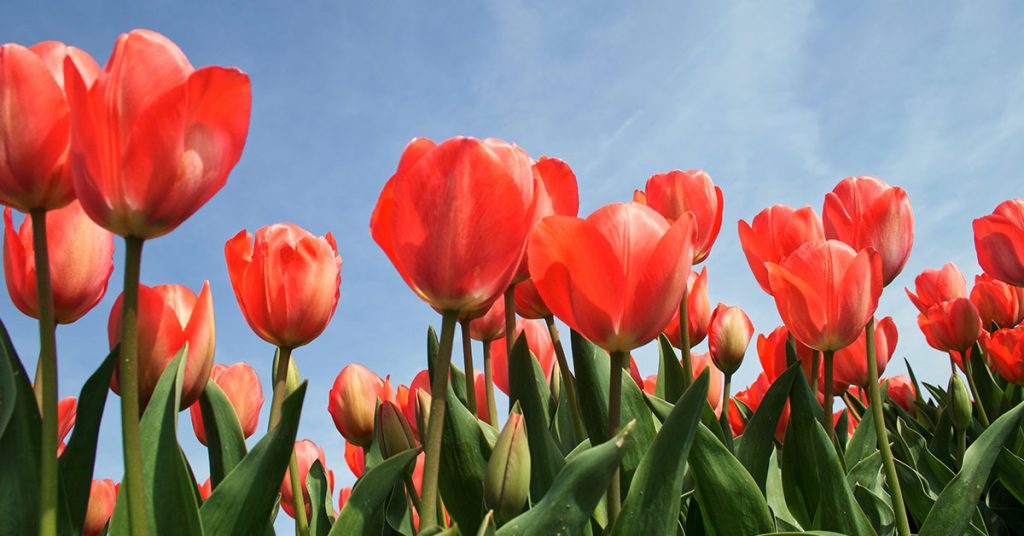
Daffodils range from compact jonquils at 6–8 inches tall to mid‑height trumpet varieties, while tulips span 8–24 inches. Planting shorter daffodils in front and taller tulips behind creates a dimensional tapestry that guides the eye through the garden. One of my favorite vistas features petite white daffodils stepping up to deep purple tulips—like a beautifully staged theater scene!
This tiered approach also offers practical benefits: taller tulip stems shield daffodil foliage from strong winds, while daffodils’ dense base foliage protects emerging tulip shoots from light frosts. It’s a win‑win for form and function in your spring display.
Deer and Rodent Resistance
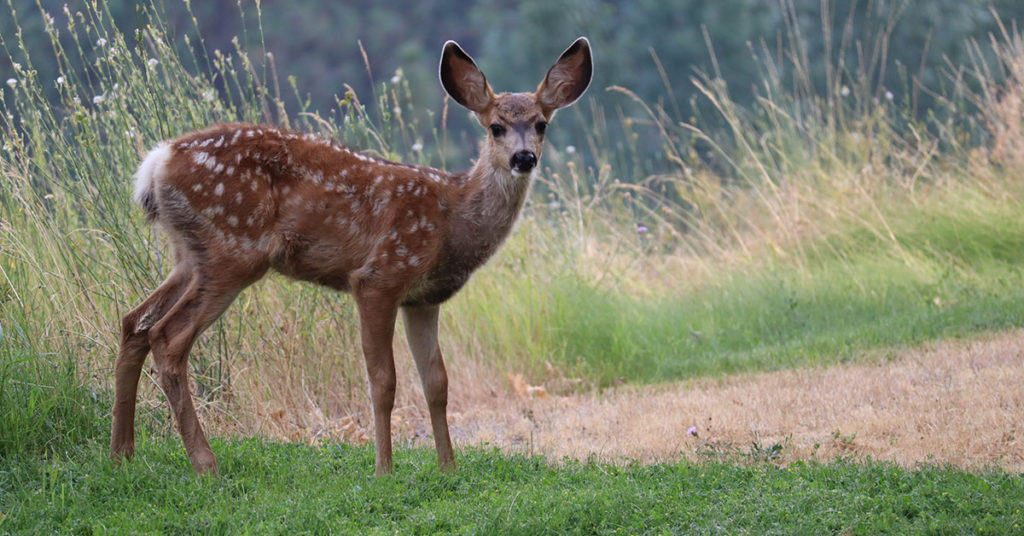
Many gardeners lament tulip bulbs dug up by curious squirrels or blossoms nibbled by deer. Daffodils contain lycorine, a toxin that repels mammals, effectively serving as living bodyguards for your more palatable tulips. I’ve seen critters bypass entire clumps of bulbs when daffodils flank the planting zones!
This natural deterrent spares you from chemical repellents and keeps your beds wildlife‑friendly. You’ll spend less time chasing nibblers and more time enjoying that vibrant spring spectacle—no catch‑up planting required.
Natural Pest Deterrent

Beyond mammal resistance, daffodil roots release compounds that inhibit harmful nematodes and certain soil‑borne fungi. When interplanted with tulips, this creates a protective buffer against root rot and damping‑off issues. My tulip beds show noticeably fewer fungal spots when I mix in narcissus bulbs!
The combined soil exudates foster beneficial microbial communities, balancing the underground ecosystem. Tulips benefit from healthier soil, translating into stiffer stems and more reliable bloom counts each year.
Low‑Maintenance Bulb Duo

Once established, tulips and daffodils require minimal fuss—just full sun, well‑drained soil, and a top‑dressing of compost in autumn. Neither bulb demands replanting annually, and both naturalize gracefully when left undisturbed. I love checking my spring beds each March to find ever‑denser clusters of blooms, year after year!
With this hands‑off approach, you’re free to focus on pruning spring‑flowering shrubs or starting seeds, rather than battling the spade. It’s the dream of effortless beauty: plant once, enjoy every spring.
Ideal for Cut Flower Arrangements

Tulips bring elegant, tapering stems and pure color blocks, while daffodils add architectural flair with their trumpet‑shaped corollas. Cut a few of each for your vases and you’ll have arrangements that dazzle guests and last impressively long in water—especially when you recut stems daily! I place mixed bouquets in bright spots around my home, and the fragrance and form lift my spirits every time I pass by.
Daffodils’ sturdiness helps support the softer tulip stems, extending bouquet life. Whether you’re crafting a mantelpiece display or a kitchen table centerpiece, this combination brings professional‑looking florals with minimal effort.
Complementary Cultural Needs

Both species thrive in slightly acidic to neutral soil (pH 6.0–7.0), appreciate a compost‑enriched bed, and crave six-plus hours of sunlight daily. Planting them together means one soil prep, one fertilizing schedule, and one maintenance routine. In autumn, I dig my trench, sprinkle bone meal, and tuck in bulbs side by side—no separate zones needed!
This shared regimen simplifies everything: watering, weeding, and tidying spent foliage happen in one sweep. Your autumn chores remain brief, and by spring you’re rewarded with a unified bloom spectacle born of streamlined care.
Staggered Bloom Times

While many daffodils and early tulip cultivars overlap, mid‑season tulips like Darwin hybrids often bloom just as early narcissus fade, and late‑season daffodil hybrids can extend the show even further. I experiment each year with combinations such as ‘Ice Follies’ daffodils with later‑blooming ‘Queen of Night’ tulips, and the result is a seamless transition that lasts weeks longer than either alone!
This natural handoff keeps your garden from looking sparse and ensures every phase of spring has its moment in the spotlight. You’ll find yourself cutting fresh blooms from March through May, no blank spaces in your color calendar!
Naturalizing for Year‑After‑Year Displays
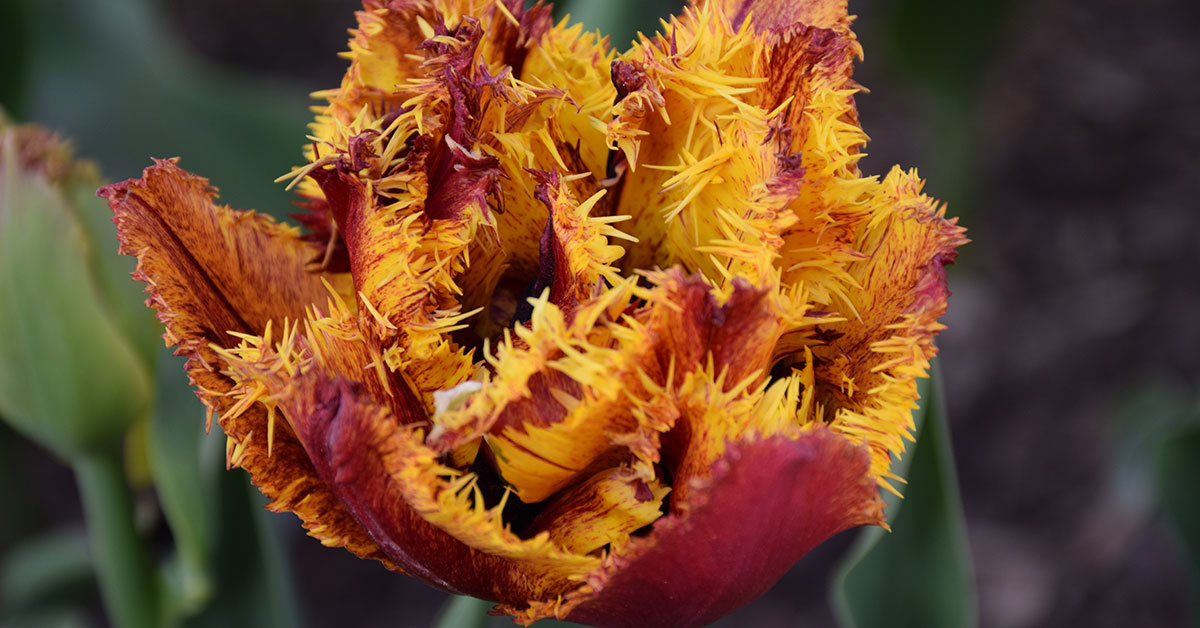
Daffodils are famous for forming expanding drifts, and many tulip species—especially the botanical and species tulips—come back reliably when foliage is allowed to die back naturally. By mixing them in perennial borders or beneath deciduous trees, you encourage each to increase over time, creating fuller, richer displays without replanting.
Year after year, your initial investment multiplies, and you’ll discover new clumps pushing up through the mulch each spring. This self‑renewing performance is one of gardening’s greatest joys: the anticipation of bulbs lurking below, ready to surprise you with ever‑greater splendor!