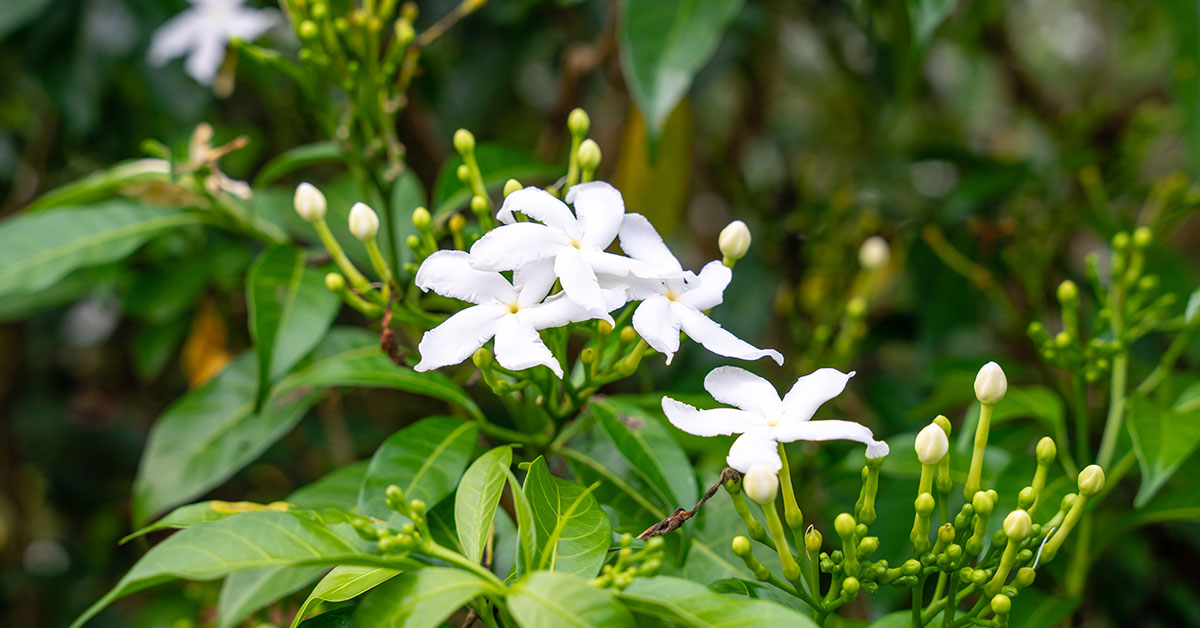

Jasmine (Jasminum spp.) is a beloved garden treasure, instantly transforming any entrance into a fragrant haven. Native to tropical and subtropical regions of Asia, Africa, and Australia, these twining shrubs and vines have captivated gardeners for centuries. Yet, it’s such a bummer when you plant one and never see it bloom—trust me, I’ve been there! With a little care and the right placement, jasmine will reward you with cascades of starry flowers that perfume the air day and night.
I’m thrilled to share eleven compelling reasons to welcome jasmine to your porch or doorway. From its intoxicating scent to its ability to charm beneficial insects and enhance your home’s aesthetic, each reason highlights how this adaptable plant can enrich both your garden and your daily life. Let’s dive in and explore why jasmine deserves prime real estate right by your front door!
Ideal Container Plant

Jasmine’s flexible growth habit makes it a superstar for containers—perfect for flanking your front steps or lining a walkway. Many jasmine species, such as Arabian jasmine (J. sambac), thrive in pots, where you can control soil mix, water, and sun exposure. One of my favorite tricks is using a trellis insert within a decorative planter, guiding the vines upward and creating a living green curtain that frames my entrance beautifully!
Keeping jasmine in containers also simplifies winter care in cooler climates; simply move pots indoors before the first frost. This practice mimics its native habitat’s seasonal shifts, where it naturally retreats from marginal conditions. You’ll enjoy vigorous spring growth and abundant blooms without worrying about invasive spread in garden beds.
Night-Blooming Delight
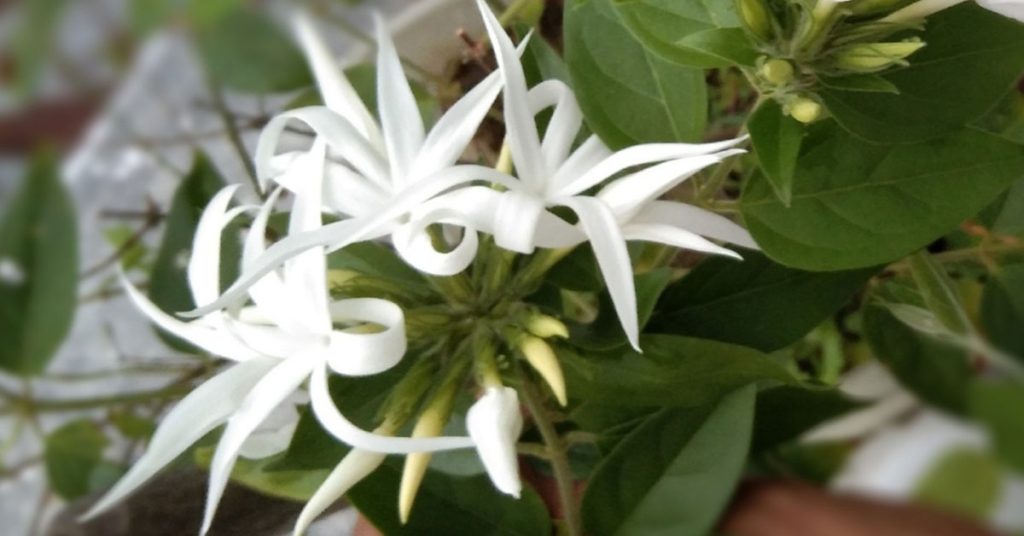
Certain jasmine varieties, like night-blooming jasmine (Cestrum nocturnum)—though technically not in the Jasminum genus—release their most potent fragrance after dusk. Imagine returning home on warm summer evenings to be greeted by waves of heady, sweet aroma drifting on the night air! I still smile thinking about those first moonlit blooms I discovered by my door, each flower opening like a tiny lantern.
These nocturnal blossoms also attract nighttime pollinators, such as moths and nocturnal bees, which hide among the foliage by day. Welcoming a night-blooming jasmine by your door creates a sensory experience that lasts well beyond daylight, making every evening feel like a garden party!
Attracts Pollinators
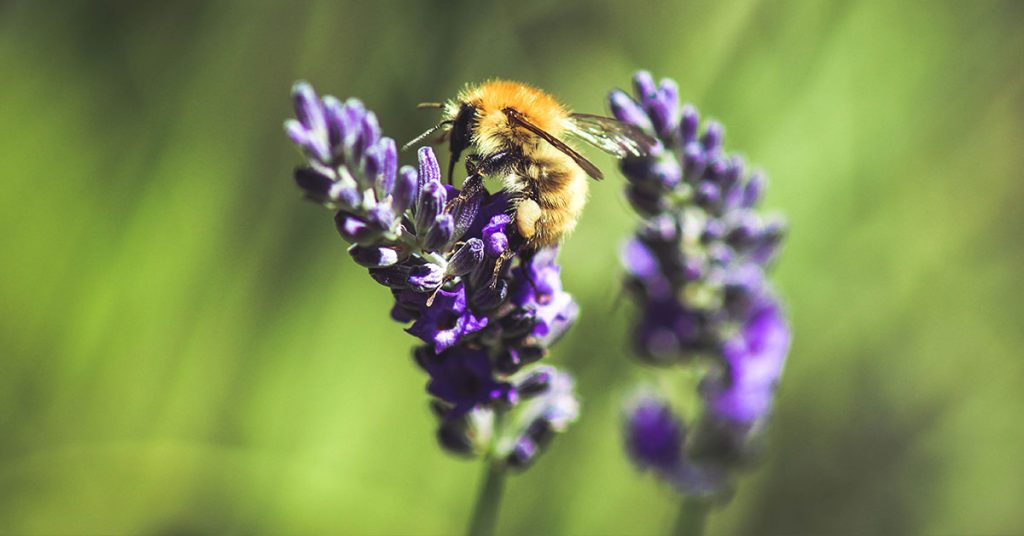
Speaking of pollinators, jasmine’s blossoms are magnets for bees, butterflies, and even hummingbirds in some regions. The nectar-rich flowers feed these beneficial visitors, encouraging nesting and regular visits to your garden. I’ve delighted in watching tiny bees burrow into the base of jasmine buds, imperceptibly pollinating each blossom as they feast!
By placing jasmine at your front door, you’re setting up a pollinator highway that supports local biodiversity. These hardworking insects boost fruit set in nearby vegetable beds and flower gardens, so you’ll see improvements across your landscape—nature’s own symphony playing at your doorstep.
Positive Feng Shui and Cultural Significance
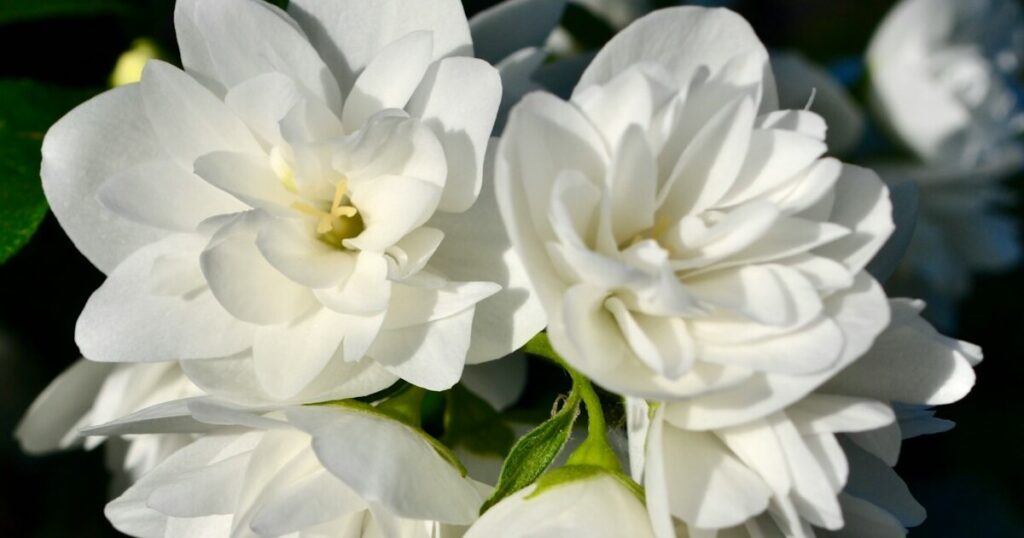
In many cultures, jasmine symbolizes love, purity, and appreciation. In Feng Shui, its uplifting fragrance and lush greenery are said to invite positive energy and harmonious relationships into the home. I remember planting a jasmine vine by my own entryway after researching its symbolic power—it felt like hanging a welcome sign for good vibes!
Across Asia, jasmine tea is brewed as a gesture of hospitality, and jasmine flowers are woven into garlands for celebrations. Having live jasmine by your front door allows you to connect with these traditions, offering guests not just a path, but an experience steeped in centuries of cultural meaning.
Heavenly Fragrance
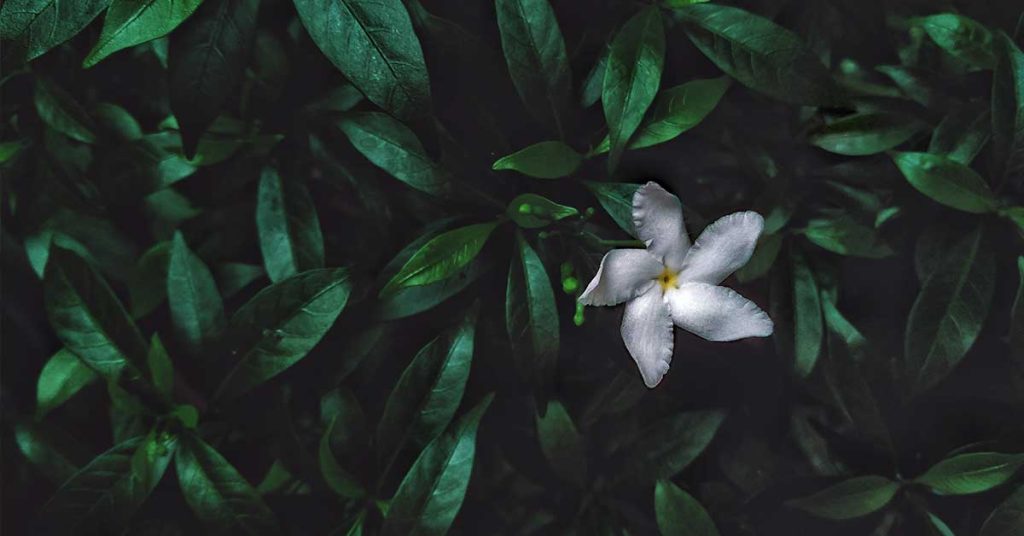
Few plants rival jasmine’s heady scent, which can carry dozens of feet on a gentle breeze. Each tiny white or pale pink bloom packs a powerful aromatic punch that delights the senses. I often pause on my porch just to inhale deeply, feeling instantly uplifted by those sweet, floral notes—no diffuser needed!
Because the fragrance is strongest in the cool of morning and evening, jasmine placed by your door extends natural aromatherapy benefits into daily comings and goings. It’s like having a personal perfumer tending your entrance, brightening your day with every breath.
Wildlife Habitat Support

Under its verdant foliage, jasmine provides shelter for small creatures—frogs, lizards, and even nesting birds find refuge within the dense twining vines. In my own garden, I’ve spotted tiny tree frogs using jasmine leaves as daytime hideouts, emerging to feed on insects under the moonlight. Those gentle drifts of flowers also offer perching spots for hummingbirds inspecting nearby blooms!
Supporting this micro-habitat echoes jasmine’s native understory roles, where it grows alongside larger trees and shrubs. Adding jasmine to your entryway creates a balanced ecosystem, where wildlife and plants harmonize right at your front door.
Medicinal and Tea Uses

Throughout its native ranges, jasmine has held a place in traditional medicine and wellness rituals. Infusions of jasmine flowers are used to soothe headaches, calm nerves, and aid digestion. I love snipping a few fresh blooms to steep for tea—within minutes, the warm, fragrant brew brings a sense of calm and well-being!
Beyond teas, jasmine essential oil is prized for its uplifting and antidepressant properties. Having live jasmine nearby means you can harvest blossoms at peak fragrance for homemade remedies, connecting you to nature’s pharmacy every time you step outside.
Elegant Ornamental Vines
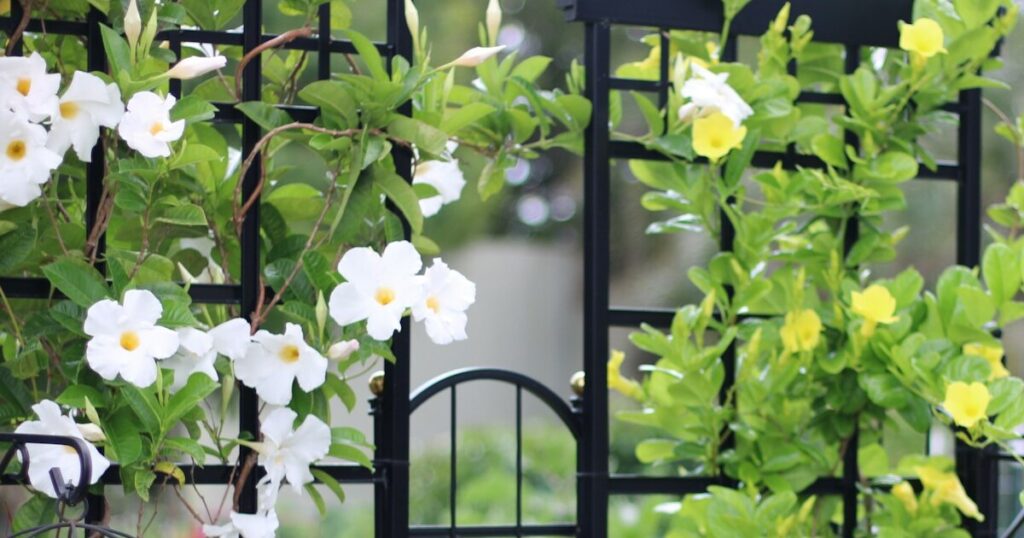
With their glossy, dark green leaves and profuse flowering, jasmine vines bring instant architectural interest to any facade. Whether climbing an arbor, trellis, or decorative ironwork, these vines soften hard surfaces and draw the eye upward. I always smile when I see jasmine draping gracefully over my porch railing—like nature’s own lacework!
Because many jasmine species are evergreen in mild climates, they provide year-round structure, not just seasonal bursts of color. Their climbing habit transforms plain walls into living tapestries, elevating curb appeal with minimal fuss.
Low Maintenance Growth
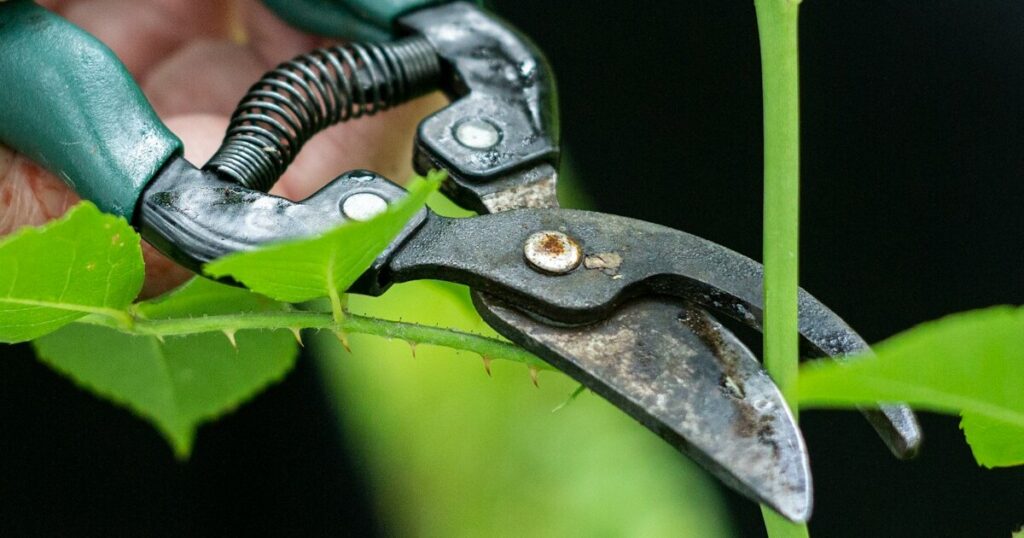
Once established in well-draining soil and given support, jasmine vines require surprisingly little care. Occasional pruning keeps them within bounds and encourages fresh blooms on new wood. I typically spend a few minutes each spring cutting back any straggly growth, and the plant responds with vigorous new shoots that quickly flower!
Drought-tolerant varieties, like some star jasmine (Trachelospermum jasminoides) cultivars, handle dry spells with grace, making them ideal for busy gardeners. These natural survivors—native to East Asia’s rocky slopes—thrive on neglect once settled, so you can enjoy beauty without constant attention.
Cut Flower Bouquets

Jasmine’s pint-sized blooms make charming additions to fresh-cut arrangements and corsages. Their delicate petals and intoxicating scent elevate simple bouquets into sensory masterpieces. I always snip a handful early in the morning, when the fragrance is strongest, and tuck them into vases lining my hallway—guests often pause to inhale!
Because jasmine blooms in succession over several weeks, you’ll have a steady supply for creative floral displays. Sharing a small posy with friends or neighbors is a delightful way to spread garden joy and connect through the gift of blooms.
Natural Privacy Screen
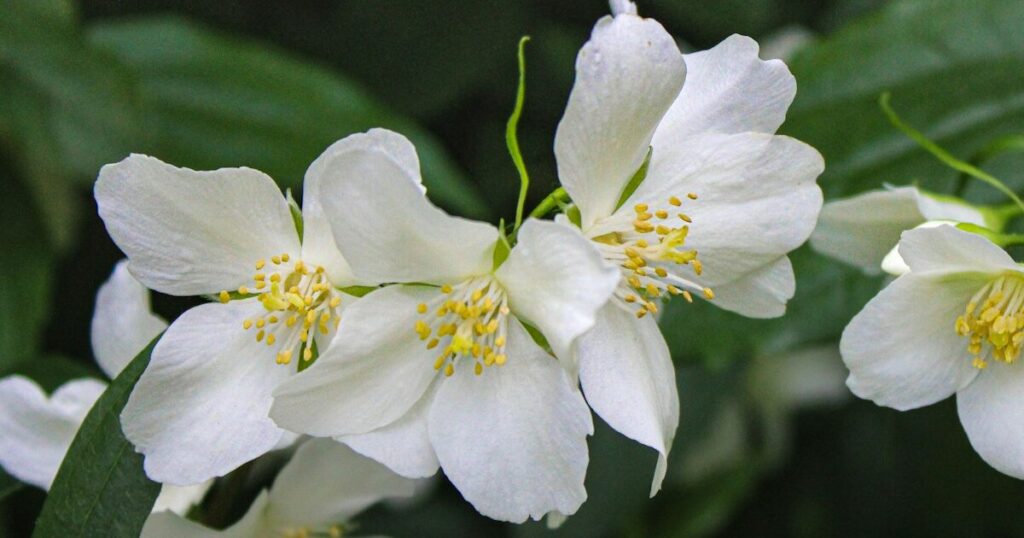
Finally, a dense jasmine vine can form a fragrant living barrier along fences or porch railings, providing both visual privacy and a gentle windbreak. In its native habitats, jasmine often entwines around other plants, creating layered canopies. By planting it near entryways, you gain an intimate enclave where you can enjoy morning coffee or evening chats shielded from the street’s bustle!
This green screen also muffles noise and traps moisture around its roots, benefiting companion plants nearby. It’s a beautiful, fragrant wall that welcomes you home each day.