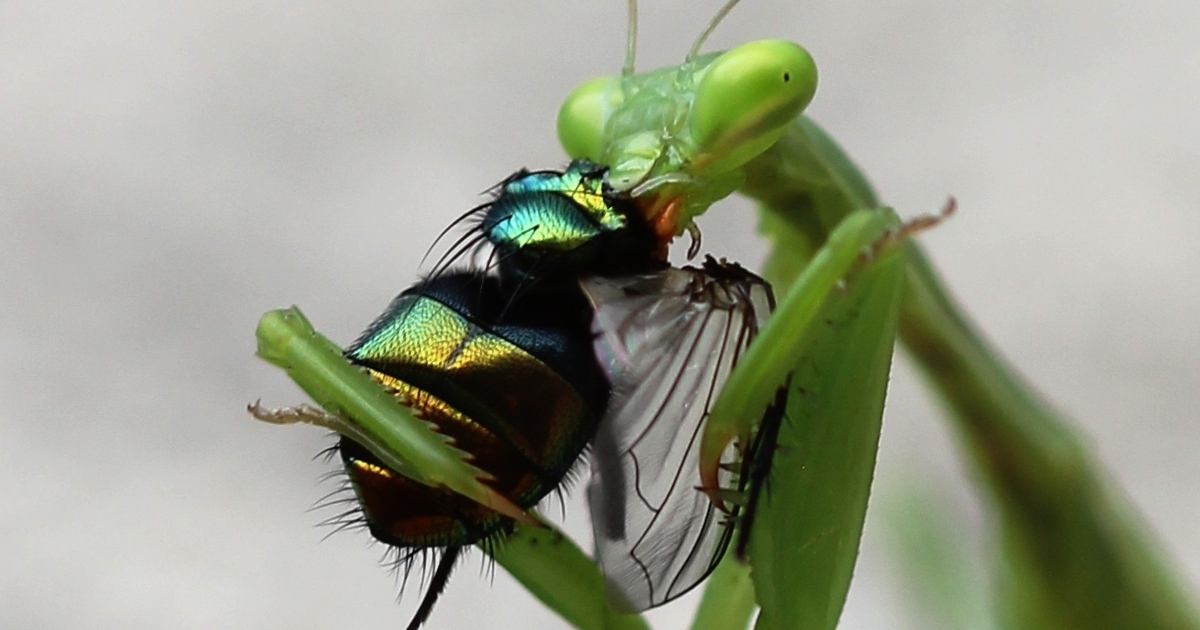

Praying mantises are truly one of nature’s most captivating gardeners’ allies! Native to warm regions worldwide—with species like the Carolina mantis (Stagmomantis carolina) indigenous to North America and the Chinese mantis (Tenodera sinensis) introduced from Asia—they bring both beauty and function to any garden space. I know how frustrating it is to see caterpillars defoliate your tomato plants or aphids swarm your lettuces, so having these stealthy predators on patrol can feel like having a miniature wildlife preserve right at your fingertips.
While some mantis species (like the Chinese mantis) can outcompete local varieties if released indiscriminately, a balanced approach—encouraging native species with appropriate habitat—lets you reap the benefits without disrupting local ecosystems. In the sections that follow, we’ll explore a lineup of eleven compelling reasons to welcome mantises into your garden, from chemical-free pest control to year-round fascination with their life cycle!
Year-Round Interest via Ootheca
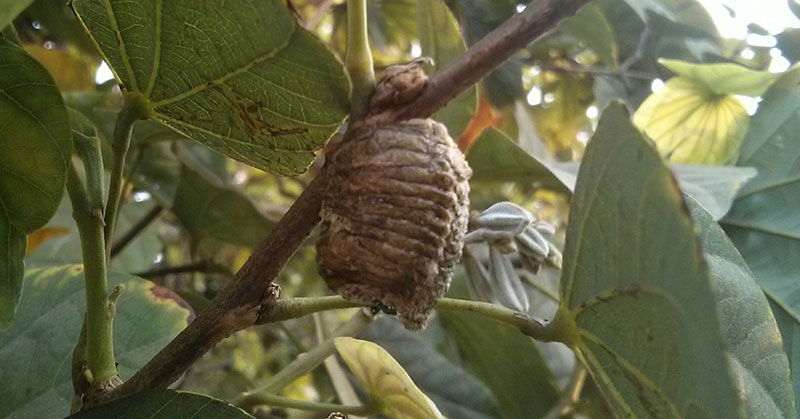
One of my favorite sights each spring is discovering small foam-like ootheca—mantis egg cases—clinging to sturdy twigs or fence posts. These fuzzy capsules can contain hundreds of eggs and overwinter safely, then hatch in late spring when insects are abundant. Watching first instar mantids emerge is like witnessing a tiny army spring to life, each one ready to patrol your garden for pests!
Encouraging ootheca deposition is easy: leave bare stems of shrubs such as viburnum or elderberry, and avoid heavy winter pruning. In their native ranges, mantises naturally affix ootheca to perennials and woody plants. While Chinese mantis ootheca are larger, Carolina mantis egg cases are smaller and less likely to dominate—plant diversity helps maintain balance!
Balancing Garden Ecosystems

A healthy garden thrives on balance, and praying mantises are top arthropod predators that help regulate populations of various insects. Their presence ensures that no single pest species—whether caterpillars, grasshoppers, or whiteflies—runs rampant. I love how they patiently perch among your basil or marigolds, waiting to ambush anything that wanders too close!
By keeping pest numbers in check, mantises indirectly support beneficial insects like lady beetles and lacewings, which tackle smaller prey such as aphids. In ecosystems from Asia to the Americas, mantises share space with a diversity of predators—mimicking that balance in your garden reduces the need for chemical interventions.
Seasonal Behavior Observations
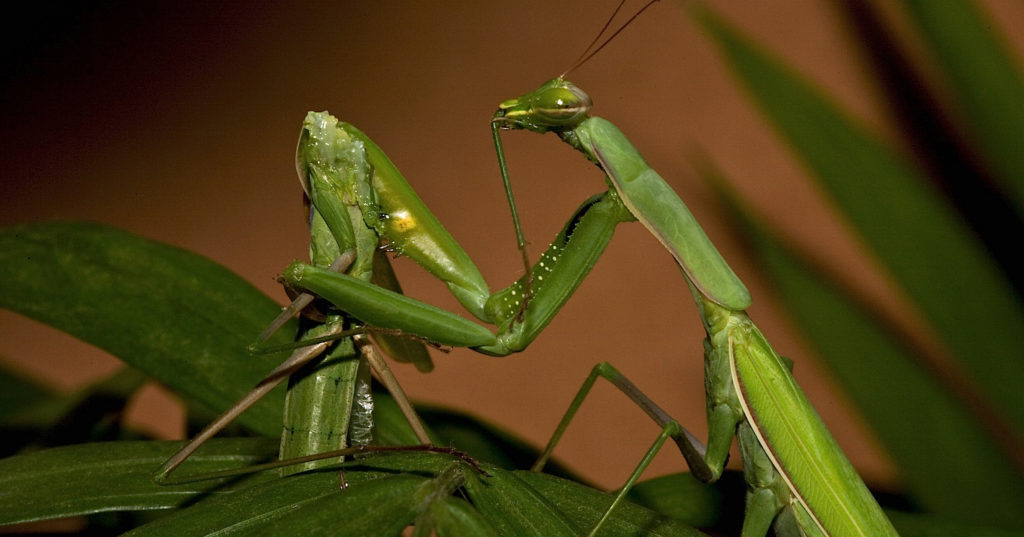
It’s such a thrill to follow a mantis through the seasons: nymphs emerging in spring, juveniles hunting alongside growing seedlings in early summer, and majestic adults displaying mating dances in late summer. Observing these stages gives gardeners a deeper connection to the natural rhythms of their outdoor space—one of the many joys of wildlife gardening!
Adult females often exhibit sexual cannibalism post-mating, a dramatic reminder of nature’s intensity. While it may seem shocking, this behavior provides extra nutrients for egg development. Carolina mantises are less prone to this than some exotic species, so if you’re concerned about invasiveness and want predictable behavior, prioritizing native mantises is a thoughtful choice.
Natural, Chemical-Free Pest Control
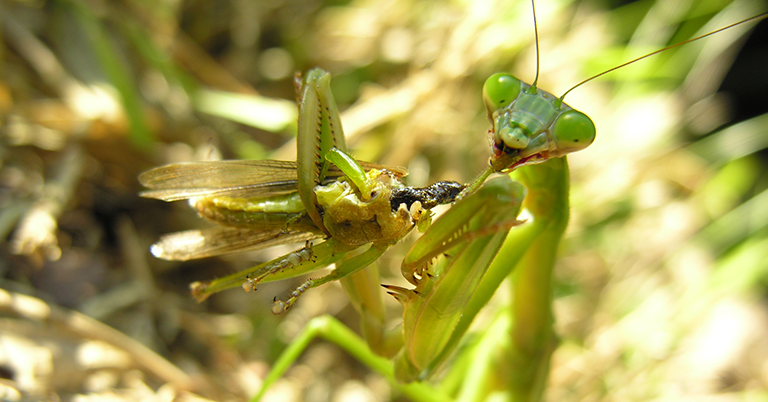
Praying mantises are generalist predators—meaning they feed on a wide variety of insects without discrimination. From slugs and leafhoppers to small rodents like young grasshoppers, they reduce pest populations quietly and effectively. I know how disheartening it is to lace up for morning harvests only to find chewed foliage; a vigilant mantis can patrol day and night, giving you peace of mind!
Releasing mantis egg cases or encouraging natural hatchings provides ongoing, organic pest suppression. Unlike chemical sprays, mantises won’t harm bees or butterflies when used responsibly, keeping your pollinator friends safe. In their native habitats—whether Asian woodlands or North American meadows—they’re part of integrated pest management by default!
Boosting Garden Biodiversity

When you invite mantises into your garden, you’re signaling that it’s a welcoming wildlife habitat. Their presence often correlates with diverse insect populations, including the prey species they depend upon. Gravel paths, native wildflowers, and patches of bare earth for ground-nesting bees create an ecosystem mosaic that benefits mantises and countless other creatures.
In Asia and North America alike, mantises co-evolved with a myriad of insects, birds, and small mammals. By planting nectar-rich blooms such as goldenrod or monarda, you attract pollinators and shelter for mantis nymphs. These layered habitats prevent any one species from dominating and foster long-term garden resilience!
Protecting Pollinators Indirectly
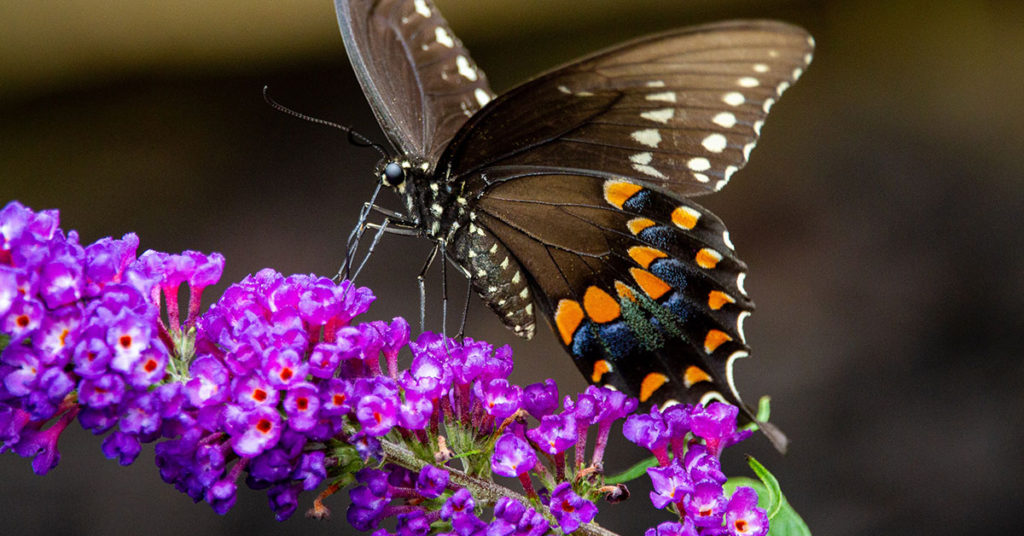
While mantises are opportunistic—occasionally snatching a stray bee—their primary focus is on pest species that damage flowers and foliage. By controlling aphids, caterpillars, and other leaf-eaters, mantises help your blossoms remain healthy and attractive to bees, butterflies, and hummingbirds. I love seeing bumblebees buzzing unhindered through my coneflowers, thanks in part to mantises thinning out competitors!
In native-prone gardens, Carolina mantises demonstrate less tendency to target pollinators than some exotic types. Supporting native mantis populations alongside pollinator gardens—like clover groundcovers—lets you achieve a thriving, balanced community where both pest control and pollination thrive!
Educational Wildlife for All Ages

It’s such a treat to share the wonder of a hunting mantis with curious children or friends. Their prayer-like posture, lightning-fast strikes, and egg-laying rituals spark questions about life cycles, predator–prey dynamics, and conservation. I still remember my first encounter—seeing a mantis capture a grasshopper in mid-air felt like a scene from a nature documentary!
Cultivating mantises turns your garden into a living classroom. Pairing mantis-friendly plantings—like flowering shrubs—with observation stations encourages hands-on exploration. Just remember: never release nonnative species indiscriminately; focus on fostering local varieties so your lessons promote ecological mindfulness too!
Indicator of a Healthy, Pesticide-Free Garden
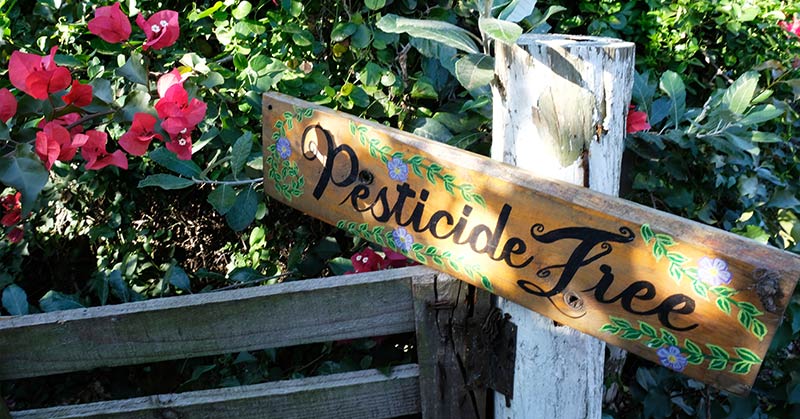
Spotting a mantis basking on a hollyhock leaf is a badge of honor for any gardener. Because mantises are sensitive to broad-spectrum insecticides, their presence indicates you’ve created a low-toxin environment. If you’re struggling with repeated pest outbreaks despite treatments, it may be time to reassess your spray regimen—mantises won’t thrive where chemicals persist!
Studies in both Europe and North America show mantis populations plummet in areas of heavy pesticide use. By adopting organic sprays like neem oil sparingly and planting diversified habitats, you’ll see these delightful predators return—and know your garden ecosystem is on the mend.
Low-Maintenance Garden Allies
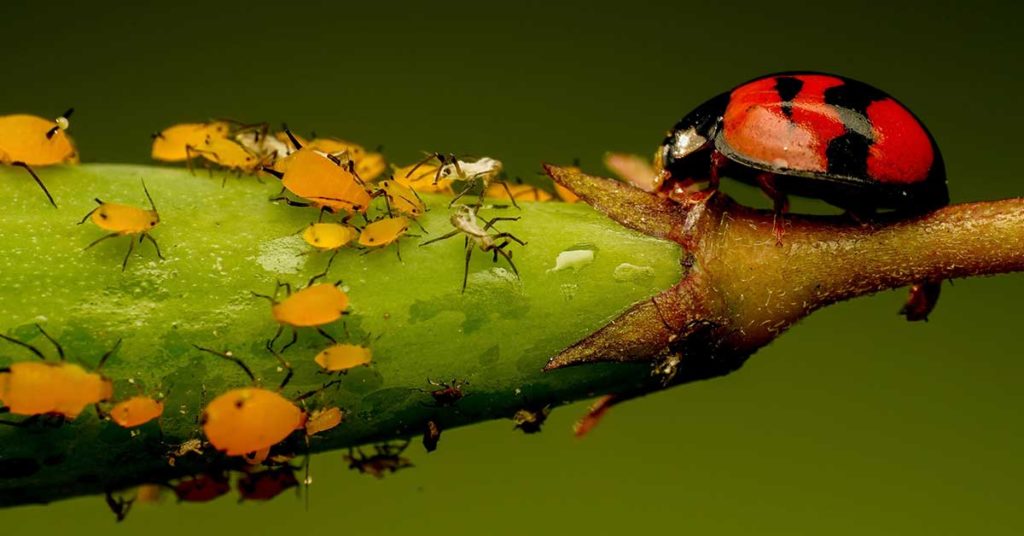
Unlike hummingbirds or frogs, mantises require no feeders or water bowls—nature provides everything they need. Simply offer perches (tall stems or stakes), shelter (brush piles or dense shrubs), and nesting sites (untouched branches for ootheca). Once they establish, they manage themselves, patrolling for prey with minimal human intervention.
This ease of care means you can focus on your plants without constant wildlife tending. In their native Asian and North American habitats, mantises roam woodlands and meadows without supplemental care. By mirroring those conditions—mixed plant heights, open spaces, and gentle groundcover—you cultivate an almost self-sustaining pest-fighting team!
Preying on Virulent Insect Pests

Some garden invaders—like tomato hornworms or Japanese beetles—can decimate crops overnight. Mantises are one of the few garden predators capable of tackling these sizeable prey items, ripping through chitinous exteriors with their powerful forelegs. I recall one summer when a pair of mantises thinned out an entire cluster of hornworms before they reached fruit!
Because they’re generalists, mantises help you manage outbreaks of tough pests that resist other biological controls. Just be mindful: while Chinese mantises can handle larger prey, they may outcompete smaller native mantises. Supporting local species with native plantings ensures balanced predation without unintended ecological side effects.
Encouraging Nesting with Habitat Features

Attracting mantises starts with giving them ideal real estate. I love sprinkling native grasses—such as little bluestem—and incorporating shrubs like elderberry, which provide sturdy branches for ootheca attachment. A few low-pruning cuts ensure egg cases remain intact through winter, offering a reliable spring hatch!
Providing a variety of perches—bamboo stakes, twig bundles, or even ornamental grasses—encourages both nymphs and adults to stake out hunting grounds. In their natural Asian and American environments, mantises choose vertical supports that catch morning dew and attract prey. Match those microhabitats, and you’ll see egg cases and mantids proliferate without ever buying a single release package!