

I know how daunting it can feel to chase that picture-perfect emerald lawn—constant fertilizers, endless watering, and never-ending mowing! But what if I told you that inviting a humble little plant, white clover (Trifolium repens), into your turf could lighten your workload and boost your lawn’s health? Native to Europe and Northwest Africa but now naturalized (and sometimes invasive!) across North America, white clover has quietly supported grazing lands and crop rotations for centuries—yet it’s been unfairly maligned in modern lawns.
In this article, we’ll delve into eleven compelling reasons to welcome white clover into your grass. From natural nitrogen-fixing powers to pollinator-friendly blooms, you’ll discover how this resilient groundcover transforms ordinary turf into a dynamic, low-maintenance ecosystem. So grab your gardening gloves—let’s explore the perks of clover together!
Encourages Biodiversity
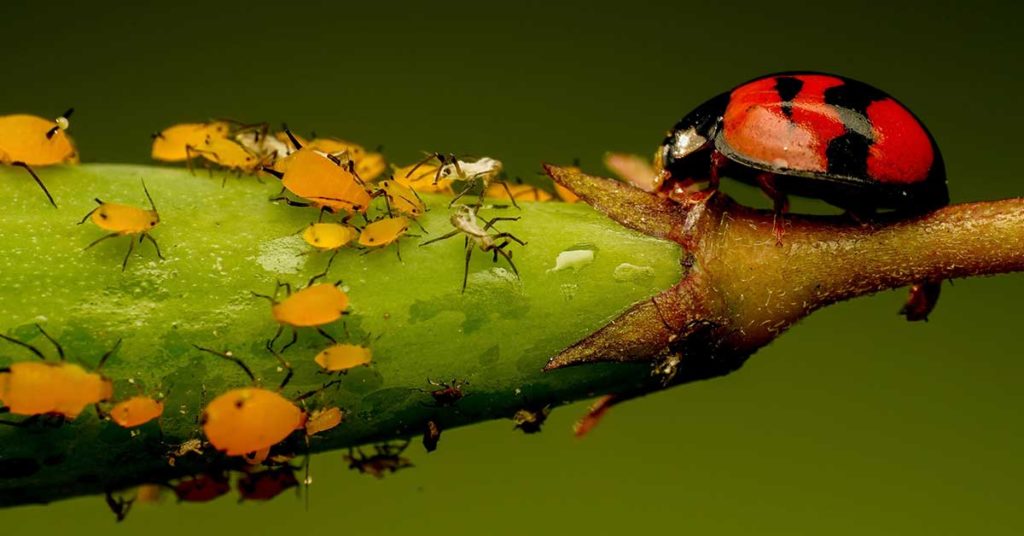
White clover’s delicate, trifoliate leaves and tight flower clusters create microhabitats for countless beneficial organisms. Lady beetles, predatory mites, and ground beetles often patrol clover patches, feasting on aphids and other pests that might otherwise trouble your turf. One of my favorite surprises was discovering tiny solitary bees tunneling into the soil beneath a clover patch—an effortless way to support native pollinators!
Because clover naturalizes readily, it forms a living carpet interwoven with grass blades, offering shelter for springtails, earthworms, and other soil dwellers. These creatures aerate and amend the soil organically, reducing compaction and thatch buildup. If you’ve ever felt frustrated by lawn chemicals that kill more than weeds, clover’s biodiversity boost feels like a breath of fresh air.
Suppresses Weeds

White clover spreads quickly by stolons, knitting itself into bare spots where opportunistic weeds often take hold. Its dense growth habit shades the soil, starving common invaders like crabgrass and chickweed of light. I once let clover fill in thinning patches under my maple tree, and within a season, fewer pesky seedlings emerged—saving me hours of weeding!
Moreover, clover’s deep roots compete aggressively for water and nutrients, making it tough for shallow-rooted weeds to establish. Unlike aggressive invasive species, clover plays well with turfgrasses when managed correctly—just mow at a moderate height to keep it in check and let its weed-suppressing magic unfold.
Softens Lawn Texture
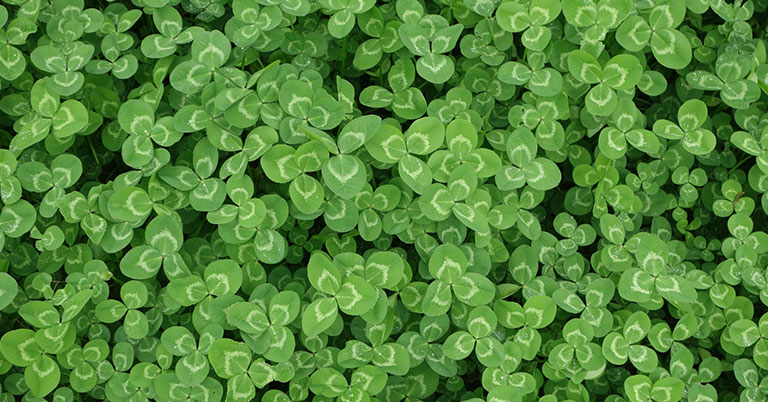
Tired of the stiff, scratchy feel of fescue underfoot? Clover’s tender, trifoil leaves create a cushiony carpet that’s a delight to walk on, especially for kids and bare feet! I love dipping my toes into a clover-clad patch on a warm afternoon—each step feels like nature’s own foot massage.
This softer texture also cuts down on soil erosion from foot traffic; the lush mat holds the earth in place, preventing bare, compacted trails. If you’ve struggled with worn-down pathways in your yard, introducing clover can turn those high-traffic zones into velvety green walkways.
Thrives Under Foot Traffic

White clover evolved in grazing pastures, where hoofbeats pound the ground daily. That resilience carries over into the home lawn—clover recovers rapidly after trampling, unlike many grasses that yellow or thin out. I planted clover along my garden’s main pathway, and the next season, it bounced back beautifully, even after countless trips hauling wheelbarrows and watering cans!
Its ability to tolerate low mowing heights (down to two inches) means you can keep a uniform lawn appearance without sacrificing clover’s benefits. If you’ve been frustrated by patchy turf in play areas or garden borders, clover’s traffic tolerance feels like a game-changer.
Natural Nitrogen Fixer

Deep in its roots, white clover hosts nitrogen-fixing bacteria (Rhizobium) that convert atmospheric nitrogen into plant-usable forms. This symbiosis enriches the soil, reducing or even eliminating the need for synthetic nitrogen fertilizers! I once skipped my spring feed on a clover-infused lawn and still enjoyed lush, green growth thanks to clover’s generous nitrogen gifts.
As nearby grasses tap into this nutrient reservoir, you’ll notice stronger blades and fewer yellow patches. If you’ve ever winced at fertilizer bills or worried about runoff polluting waterways, clover’s natural fertilization is a welcome, eco-friendly solution.
Low Mowing Maintenance
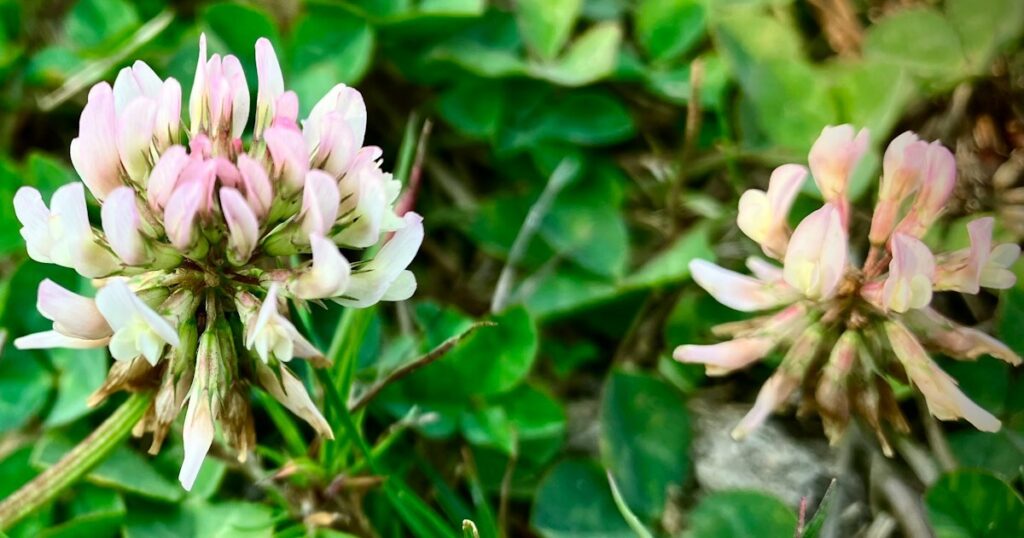
Because clover grows low and spreads flat, you can extend intervals between mowing without compromising aesthetics. Clover’s white flowers sit neatly below the typical mower blade height, so occasional blooming dots your lawn with pretty blooms rather than tall, straggly weeds. I relish longer weekends now that I don’t have to rush outside every week with my mower!
Plus, clover cuts cleanly, reducing turf shredding and machine wear. If you’ve battled mower clogs or uneven cut heights, integrating clover into your lawn mix makes maintenance smoother—and more enjoyable.
Improved Drought Resilience
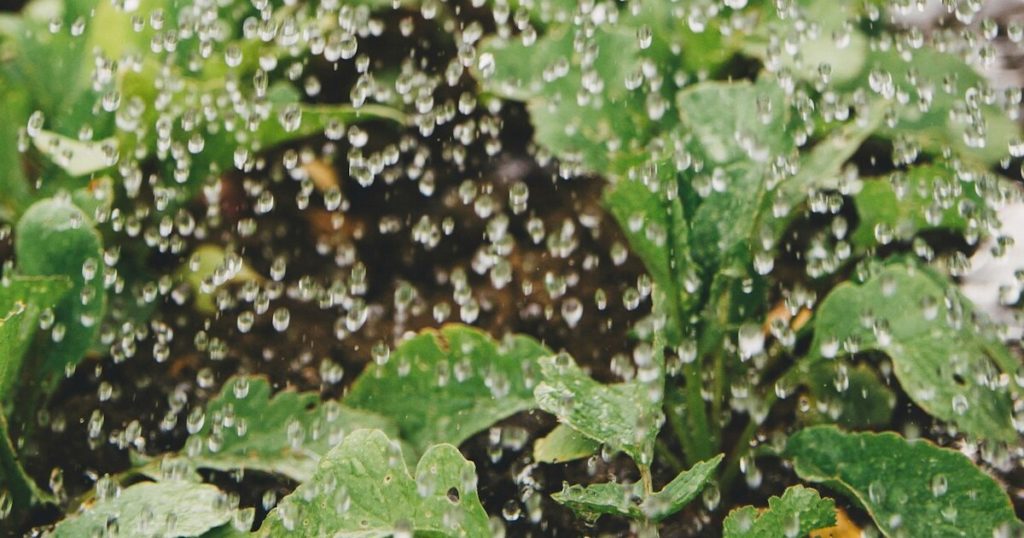
In dry spells, turfgrass often goes dormant and crispy, but clover remains green longer thanks to its deep, efficient roots. These roots delve into soil profiles, tapping moisture reserves grasses can’t reach. During last summer’s scorching weeks, my clover patches stayed verdant even as adjacent turf faded—providing an inviting green backdrop despite record heat!
That drought tolerance translates to fewer irrigation needs. If you’re frustrated by brown lawns or sky-high water bills, a clover-lawn blend helps maintain color with less water, fitting perfectly into sustainable gardening practices.
Erosion Control
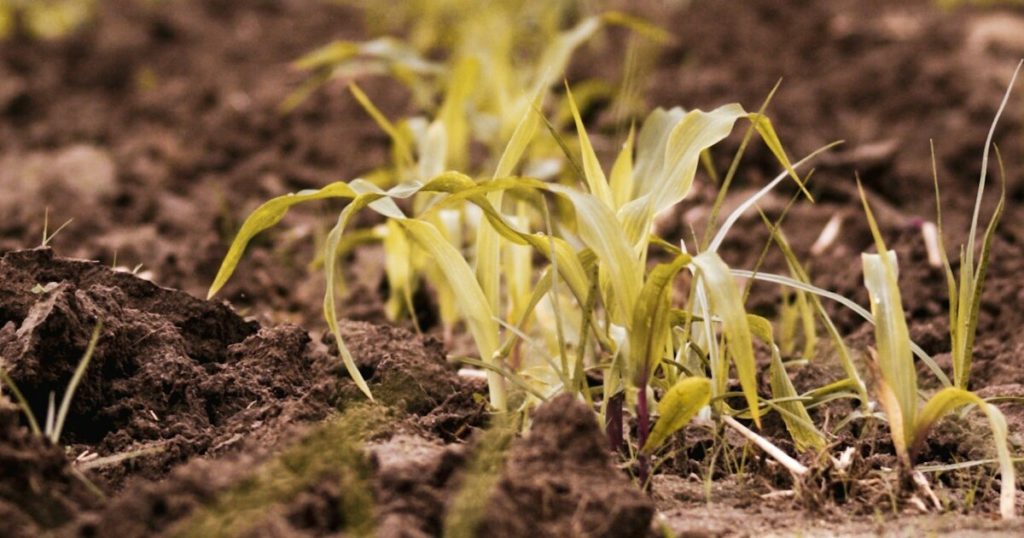
On gentle slopes and low-lying areas, rainfall can carve rills and wash away precious topsoil. Clover’s dense mats and fibrous roots lock soil particles in place, stabilizing banks and preventing runoff. I recently planted clover along a hillside section of my yard prone to washouts—after just one rainy season, the soil held firm, and sediment-free runoff ended!
Beyond holding soil, clover’s canopy diffuses raindrop impact, minimizing splash erosion. If you’ve battled muddy gullies or fertilizer-laced runoff, clover’s ground-hugging growth offers a simple, green solution to keep earth and nutrients right where they belong.
Boosts Soil Structure

As clover’s roots explore clay or compacted soils, they create tiny channels that improve aeration and drainage. Over time, those pathways invite earthworms and beneficial microbes, further enhancing soil crumb structure. One spring, I noticed my clay soil felt surprisingly friable after years of clover cover—turns out the combined work of roots and soil fauna had transformed it beneath my feet!
This natural tilling reduces compaction without heavy machinery or disruptive aeration. If you’ve wrestled with lifeless, dense soil that rejects water and roots alike, integrating clover can be a gentle yet effective remedy to breathe life back into troubled ground.
Reduces Fertilizer Needs
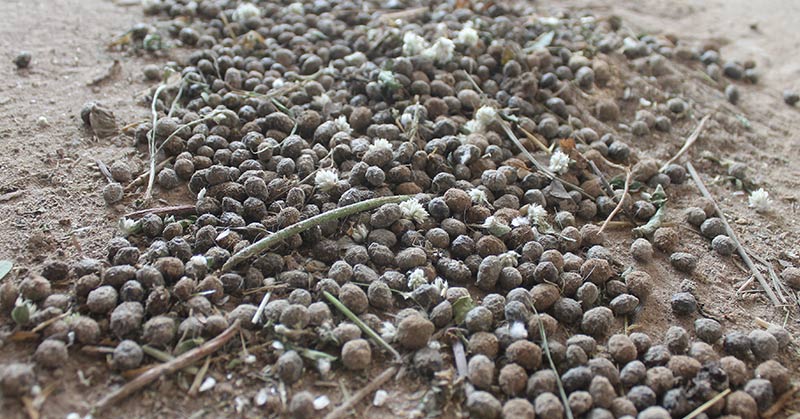
With clover’s nitrogen-fixing prowess and improvement of soil microbial life, your lawn’s overall nutrient demands drop substantially. I realized this when my usual summer fertilizer applications became optional rather than mandatory—my grass looked lush thanks to clover’s steady nutrient contributions!
Cutting fertilizer use not only saves you money, but also curbs nutrient runoff into streams and lakes. If you care about both your wallet and the environment, clover’s role as a living fertilizer makes it one of the smartest lawn strategies around.
Enhances Pollinator Habitat
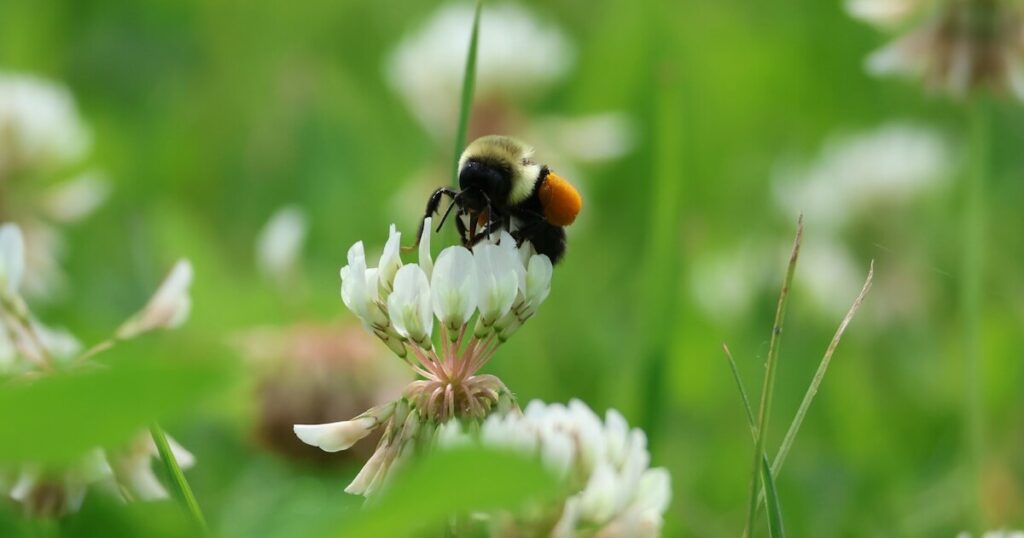
When white clover bursts into bloom with clusters of fragrant, creamy flowers, it becomes a hive of activity. Honeybees, bumblebees, and hoverflies flock to the nectar-rich blossoms, sipping away and pollinating nearby gardens. I adore those lazy summer mornings when my lawn hums with winged visitors, each flower serving as a tiny feeding station!
Beyond bees, small butterflies and moths also visit clover, and the dense canopy provides resting spots for beneficial predatory insects. If you’ve ever felt guilty about lawns being “green deserts,” sprinkling clover brings vital food and shelter to pollinators in need.