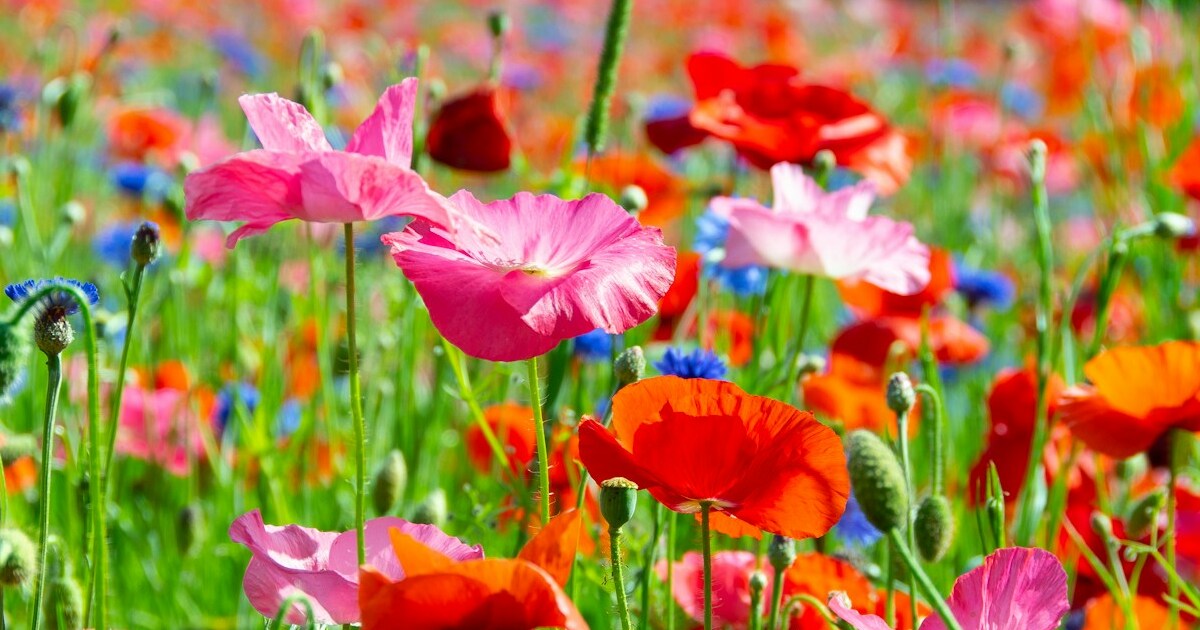

If you’ve ever been frustrated by the relentless onslaught of chemical pesticides in conventional agriculture, you’re not alone. There’s an inspiring, natural alternative that’s gaining momentum on farms everywhere—wildflowers. These vibrant, resilient blooms not only beautify the landscape but also serve as powerful allies against pests. I’ve seen firsthand how integrating wildflowers into farm margins can transform a barren, pesticide-reliant field into a buzzing haven of life, where beneficial insects thrive and help control pests naturally. It’s such a bummer when chemicals harm more than they help, so this innovative approach is truly a breath of fresh air!
In this article, I’m excited to share with you 11 compelling reasons why farmers are turning to wildflowers instead of synthetic pesticides. Each reason highlights how these natural blooms, native to various regions and carefully managed to remain non-invasive, create robust microhabitats that attract pollinators, predators, and even nesting birds. Whether you’re an urban gardener or a professional farmer, these insights will show you how wildflowers can boost biodiversity, improve soil health, and even reduce your chemical footprint—all while making your outdoor space more visually stunning.
Attract Beneficial Pollinators

Wildflowers are renowned for their ability to attract beneficial pollinators. Many species are native to diverse regions—from the meadows of North America to the Mediterranean wildlands—and their vibrant, nectar-rich blossoms lure bees, butterflies, and other essential pollinators into the garden. I love how these natural magnets help ensure robust pollination for nearby crops, ultimately leading to healthier, more bountiful harvests! When you replace chemical pesticides with wildflowers, you create a living corridor that supports nature’s pollination network and reduces the need for artificial interventions.
Moreover, wildflowers provide a continuous source of nectar and pollen throughout the growing season, ensuring that pollinators have ample resources even when crops aren’t in bloom. Their seasonal behaviors, like the early spring blossoms of certain native species, often serve as the first food source for emerging bees and butterflies, kickstarting a vibrant garden ecosystem. This synergy between wildflowers and pollinators is one of the key reasons farmers are embracing them over pesticides—it’s nature’s way of ensuring that every plant in your garden thrives!
Support Natural Predators
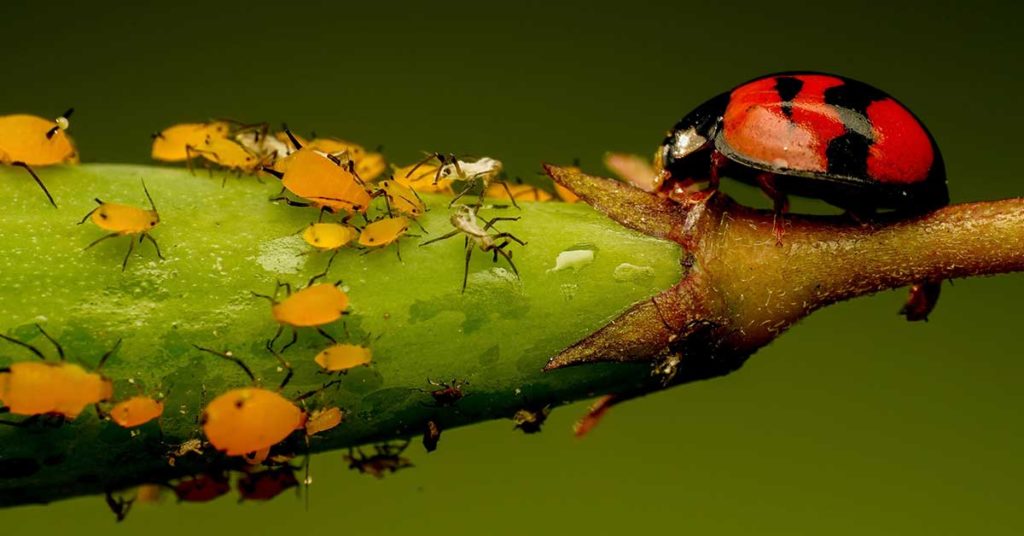
One of the most exciting benefits of planting wildflowers is their role in supporting natural predators. Many wildflower species provide critical habitat for predatory insects such as ladybugs, lacewings, and parasitic wasps. These beneficial critters help control pest populations by preying on aphids, mites, and other harmful insects that might otherwise devastate your crops. I’ve witnessed gardens transform into buzzing, balanced ecosystems where every flower supports a mini army of natural pest controllers! By using wildflowers, farmers can reduce the need for chemical pesticides, allowing nature to take care of the problem.
In addition to providing food and shelter for predators, wildflowers offer nesting opportunities and protective cover for these beneficial insects. Their dense clusters and varied structures mimic natural woodland edges, creating safe havens where predators can breed and flourish. This harmonious coexistence means that wildflowers not only beautify your garden but also foster an environment where natural pest control is in full swing. It’s a sustainable solution that encourages a dynamic, living ecosystem where every species plays a role in maintaining balance.
Enhance Biodiversity
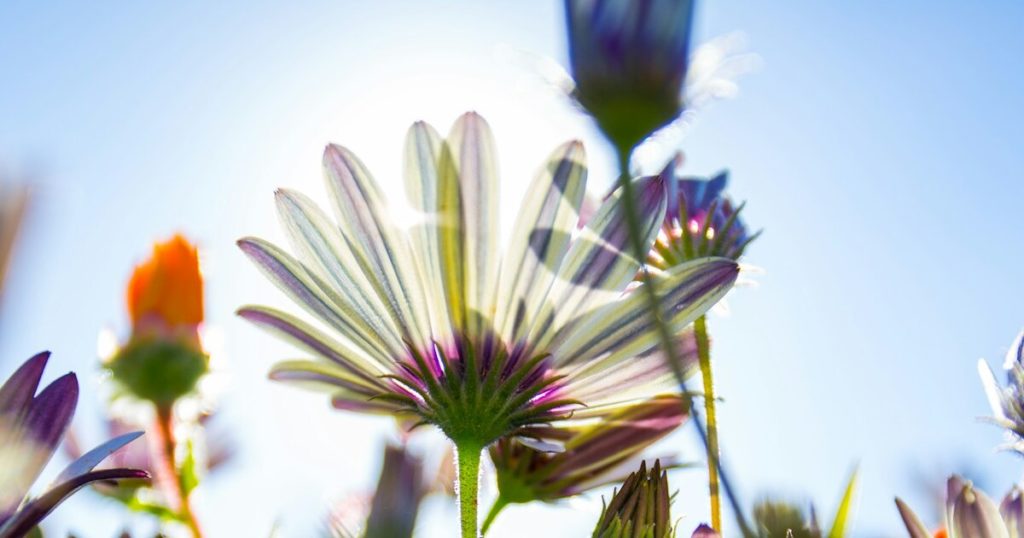
Incorporating wildflowers into a farm or garden setting dramatically enhances biodiversity. Wildflowers come in a dazzling array of colors, shapes, and sizes—many of which are native to specific regions and have evolved alongside local fauna. I’m always amazed by how a diverse mix of wildflowers can transform a monotonous field into a vibrant tapestry that supports countless species, from pollinators and predators to soil microbes and small mammals! This diversity is key to building resilient ecosystems that can naturally fend off pests without the need for harsh chemicals.
Furthermore, wildflowers create a complex mosaic of habitats that supports intricate ecological relationships. Their varied structures and bloom times ensure that there is always food and shelter available for different species throughout the year. This continuous cycle of support not only helps maintain a balanced ecosystem but also improves the overall health of the soil and the plants grown within it. By promoting biodiversity, wildflowers serve as a living insurance policy for your garden, making it more resilient against environmental stresses and pest invasions.
Provide Nesting and Shelter for Birds
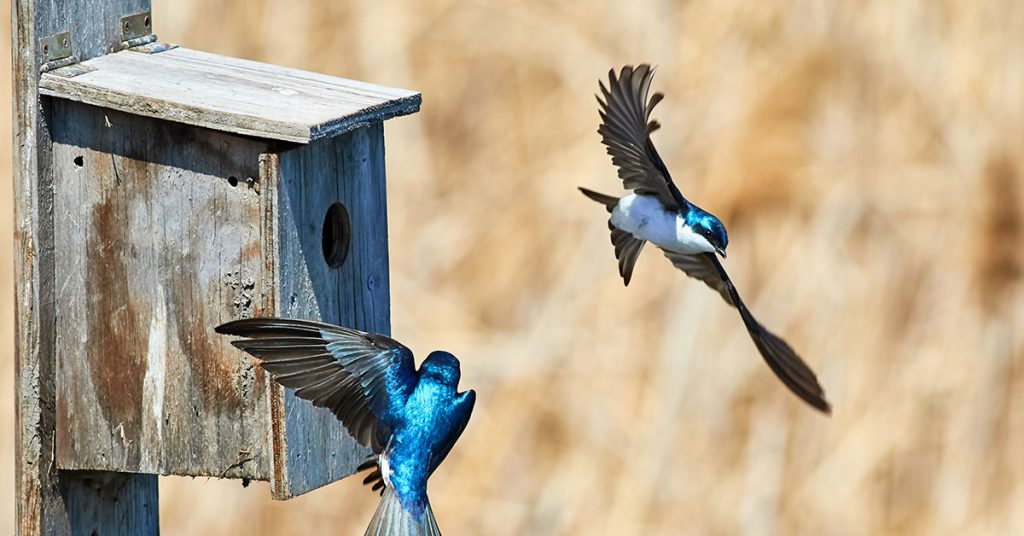
Wildflowers play a pivotal role in providing nesting and shelter for birds, which in turn help maintain the natural balance of your garden. Many bird species are attracted to the dense, flowering vegetation of wildflower patches, where they find safe places to build their nests and raise their young. I love how wildflowers transform a simple field into a vibrant aviary, where the cheerful chirps of nesting birds add life and melody to your outdoor space! Birds not only enhance the garden’s aesthetic but also contribute to natural pest control by feeding on insects that may harm your crops.
In addition to nesting, birds benefit from the diverse foraging opportunities provided by wildflowers. The seeds, nectar, and even insects that congregate around these blooms offer a rich source of nutrition throughout the year. This dynamic interaction between wildflowers and birds creates a synergistic ecosystem where every element supports the other. The natural habitats formed by wildflowers help ensure that birds can thrive, turning your garden into a sanctuary of life and color that you can enjoy every day.
Improve Soil Health and Nutrient Cycling

Wildflowers are more than just a pretty sight—they play an essential role in improving soil health and promoting nutrient cycling. Their deep, fibrous root systems help break up compacted soil, improving aeration and water infiltration, which is critical for the health of nearby crops. I’ve seen firsthand how wildflowers can transform barren or overworked soil into a rich, fertile bed that supports robust plant growth. Native wildflowers are particularly adept at thriving in local soil conditions, and many are non-invasive, meaning they work harmoniously with cultivated crops!
Moreover, as wildflowers bloom and shed their petals and leaves, they contribute organic matter that feeds beneficial soil microorganisms. These microbes break down organic material and release nutrients back into the soil, fostering a vibrant, self-sustaining ecosystem. This natural nutrient cycling reduces the need for synthetic fertilizers and creates a more resilient garden environment. The ecological benefits of wildflowers extend far beneath the surface, making them indispensable for a thriving, sustainable landscape.
Reduce Chemical Dependency

One of the most compelling reasons farmers are turning to wildflowers is their ability to reduce chemical dependency. By attracting a diverse range of pollinators and natural predators, wildflowers help control pest populations without the need for synthetic pesticides. I’ve experienced the relief of watching my garden flourish without a barrage of chemicals that can harm both the environment and human health. Wildflowers offer a natural, eco-friendly solution that not only protects your crops but also preserves the integrity of your garden ecosystem!
In addition to reducing pesticide use, wildflowers help prevent the development of pest resistance—a common problem with prolonged chemical use. Their diverse, natural habitat supports a balanced community of insects and microorganisms that work together to keep pest populations in check. This sustainable approach not only benefits the plants but also ensures that your garden remains a safe, healthy space for future generations. It’s a brilliant example of how embracing nature can lead to a more resilient and environmentally friendly gardening practice!
Boost Crop Yields Through Natural Pest Control

Integrating wildflowers into your garden has a profound impact on crop yields by naturally controlling pest populations. Wildflowers attract a variety of beneficial insects, such as predatory beetles and parasitic wasps, that act as nature’s own pest control agents. I’ve seen gardens transform when wildflowers are interplanted with crops—there’s a noticeable reduction in pest-related damage and a corresponding increase in yield. This natural synergy between wildflowers and crops reduces the need for chemical interventions, allowing your plants to thrive in a healthier, more balanced environment!
Moreover, the presence of wildflowers fosters an ecosystem where every species plays a role in supporting overall plant health. The continuous cycle of pollination, pest control, and nutrient cycling boosts crop productivity and resilience. By relying on nature’s own defenses, you can achieve higher yields and better-quality produce. It’s a win-win for both the gardener and the environment, proving that nature’s methods are often the most effective and sustainable!
Enhance Ecosystem Resilience
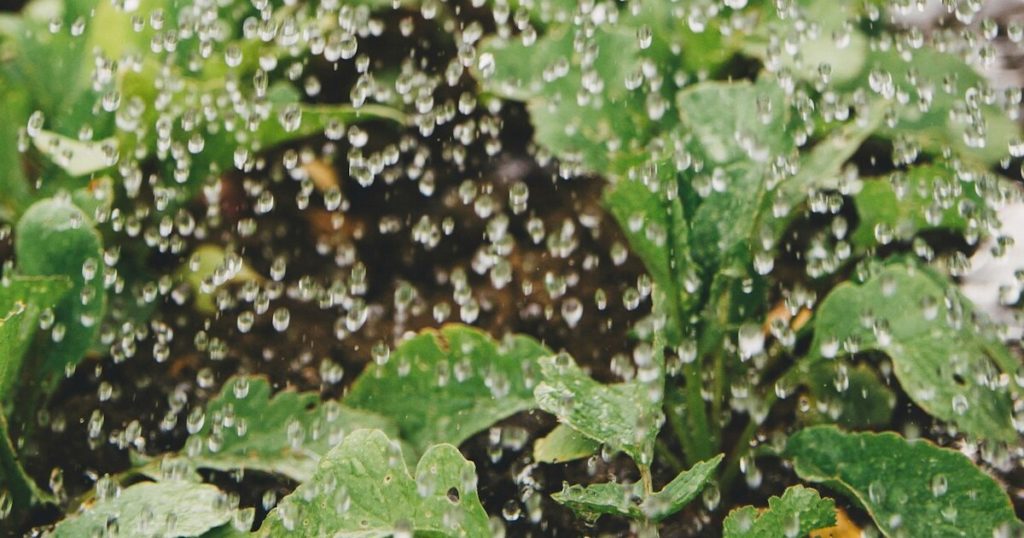
Wildflowers are a cornerstone of a resilient ecosystem, creating a natural buffer against environmental stressors and pest invasions. Their diverse mix, native to various regions, adds complexity and stability to your garden by supporting a broad array of beneficial insects, soil microbes, and even small vertebrates. I’m always amazed by how a well-planted wildflower patch can act as an ecological shield, reducing the impact of drought, disease, and invasive species. This resilience is a critical reason why many farmers and gardeners are shifting away from chemical pesticides toward natural solutions.
Furthermore, wildflowers contribute to the long-term health of your garden by promoting genetic diversity and ecological balance. Their varied bloom times and adaptive traits ensure that there’s always something in the garden to support beneficial life cycles. This dynamic interplay between different species creates a self-sustaining, resilient ecosystem that can better withstand challenges over time. Embracing wildflowers means investing in a garden that not only survives but thrives under changing conditions—an invaluable asset for any sustainable landscape!
Lower Pest Resistance
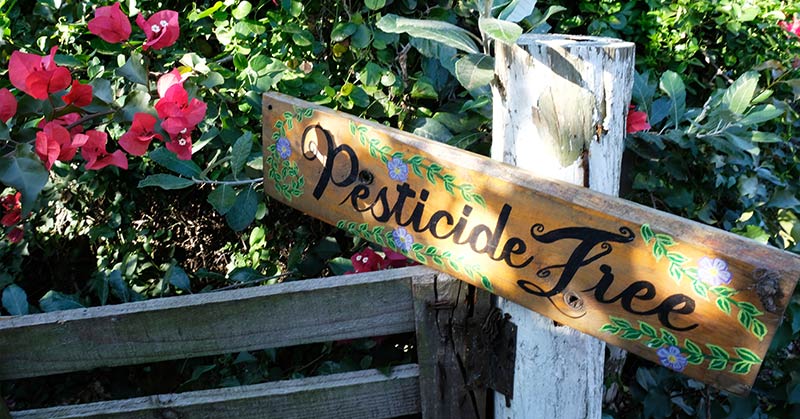
When farmers rely on chemical pesticides, pests eventually develop resistance, making it increasingly difficult to control infestations. Wildflowers offer an alternative by attracting a diverse array of natural predators that keep pest populations in check without the risk of resistance. I’ve seen how a garden rich in wildflowers fosters an environment where pest resistance is virtually nonexistent, as natural predators and beneficial insects work together to maintain balance. This dynamic system not only protects your crops but also preserves the long-term health of your garden ecosystem!
In addition, the use of wildflowers creates a varied habitat that discourages pests from becoming overly dominant. The constant turnover of blooms and the diversity of plant species prevent any single pest from monopolizing the environment. This natural method of pest control is not only more sustainable but also avoids the pitfalls of chemical resistance. By opting for wildflowers over pesticides, you’re investing in a future-proof garden where every plant can thrive without the looming threat of super pests!
Economic and Environmental Benefits

Switching from chemical pesticides to wildflowers offers significant economic and environmental advantages. By reducing the need for expensive synthetic chemicals, farmers and gardeners can save money while also protecting local ecosystems from harmful runoff and pollution. I’ve experienced how a garden rich in wildflowers not only lowers operational costs but also creates a more sustainable, eco-friendly landscape that benefits everyone. It’s a practical, cost-effective solution that proves nature’s wisdom can yield both financial and environmental dividends!
Furthermore, wildflowers contribute to a healthier, more biodiverse environment by supporting natural pest control and pollination processes. This, in turn, leads to improved crop yields and better quality produce, making your garden more productive and resilient over time. The shift toward natural, wildflower-based pest management reflects a growing awareness of the need for sustainable practices that benefit both the land and the community. It’s a win-win scenario where economic savings and ecological health go hand-in-hand, creating a legacy of responsible gardening for future generations!
Foster Sustainable Farming Practices

Embracing wildflowers instead of chemical pesticides is a fundamental step toward sustainable farming and gardening practices. Wildflowers, being native to various regions, have evolved to thrive in their natural environments without the need for artificial chemicals. I’ve witnessed how integrating wildflowers into agricultural fields not only boosts biodiversity but also creates a self-regulating ecosystem that minimizes the need for external inputs. This approach not only protects the soil and water resources but also builds long-term resilience in your garden—a crucial benefit for any modern gardener or farmer!
Moreover, sustainable practices built around wildflowers help reduce environmental impact and promote a healthier food chain. By encouraging natural pest control and enhancing pollination through wildflower habitats, you create a garden that supports both crop production and ecological balance. The result is a landscape that is as economically viable as it is environmentally friendly—a model for future sustainable agriculture. It’s a transformative way to work with nature, ensuring that every harvest is as green as it is bountiful!