

As the days grow shorter and temperatures dip, your raised beds still have plenty of life left in them! Fall is the perfect time to set your garden up for success next spring, whether that means protecting tender roots from frost or boosting soil health. With just a handful of simple actions, you can transform your beds into flourishing ecosystems that reward you with bountiful harvests down the road.
I know how frustrating it is to watch summer’s success slip away into cold, bare beds—especially after all that hard work! That’s why I’ve gathered these eleven speedy tips, each designed to take you no more than a few minutes (or an hour, tops!) and bring big benefits. From attracting helpful insects to fortifying your soil, let’s dive in and get your raised beds fall-ready!
Clean Up Debris and Spent Plants

Removing old tomato vines, pepper stalks, and other spent summer crops keeps disease and pests from overwintering in your beds. Since these plants aren’t invasive—we grow them seasonally—you can pull them out completely, roots and all, without worrying about them popping back up. I like to add any healthy foliage to my compost pile, while diseased material goes straight into the green waste bin!
Clearing debris also exposes bare soil, which many ground-nesting bees and beneficial beetles use this time of year to find winter shelter. One of my favorite fall moments is spotting little solitary bee burrows in the loosened earth, a sure sign they’ll return next spring to pollinate my early blooms!
Sow a Crimson Clover Cover Crop
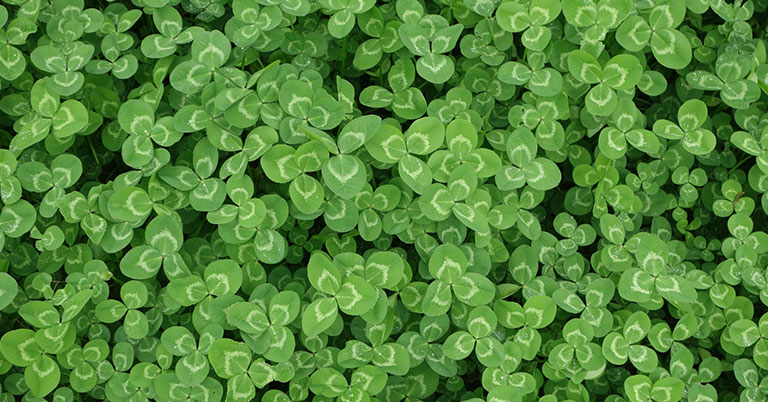
Crimson clover (Trifolium incarnatum), native to the Mediterranean region, makes an excellent quick-growing cover crop for fall. It isn’t aggressively invasive but does self-seed if you let it flower, so I recommend cutting it before full bloom if you want to prevent volunteers. Simply rake in the seeds now, and you’ll have a living green blanket that fixes nitrogen and suppresses winter weeds.
Beyond its soil-building powers, crimson clover flowers support late-season pollinators. Bumblebees and honeybees flock to those rosy blooms, sometimes nesting in small cavities under flat stones or in potted edges. Watching them busily harvest nectar in cooler weather always feels like a special treat!
Apply a Layer of Compost

A generous top-dressing of finished compost enriches your raised beds with organic matter, essential microbes, and balanced nutrients. Since compost is inert in terms of invasiveness, you can spread it right over your entire bed surface without fear of unwanted growth! I typically fork in about an inch of compost, which helps improve soil structure and moisture retention.
Those microbes in the compost aren’t just there for show—they help ward off soil-borne diseases and support earthworms, which tunnel deep through the bed. I love lifting a shovel full of soil in fall and seeing those wriggling allies at work; their tunnels guarantee better aeration and drainage by spring!
Install Floating Row Covers
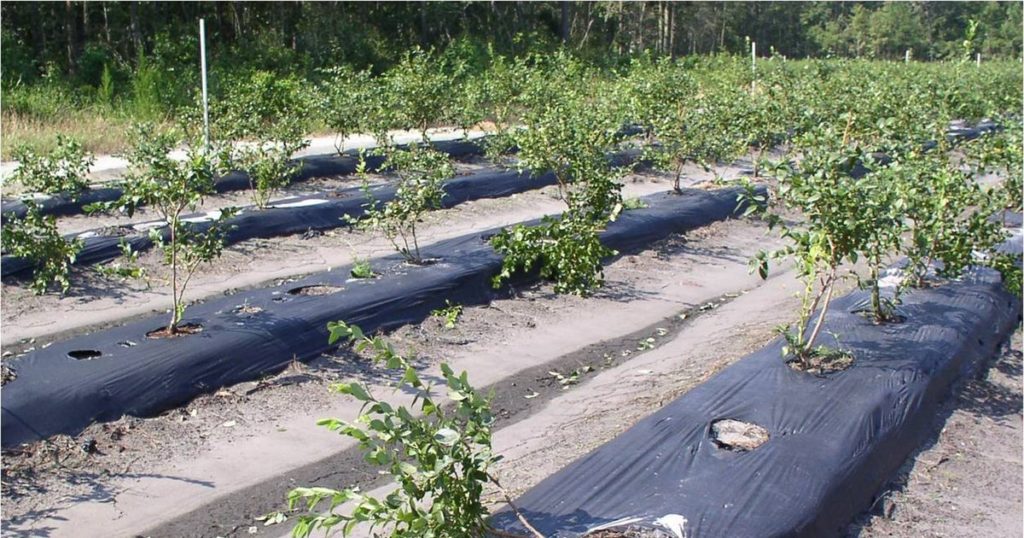
Lightweight row covers trap warmth and shield tender winter greens from early frosts, wind, and hungry cabbage worms. Because these fabrics breathe, they won’t suffocate your plants—just drape them over low hoops and secure the edges with soil or landscape pins. It’s such an easy way to extend your harvest of spinach or lettuce well into November!
Underneath the covers, beneficial insects like lacewings and ladybugs continue patrolling, as long as you remove the fabric when temperatures rise above 60°F. I’ve watched lacewing eggs hatch beneath a row cover, with tiny larvae emerging to feast on any lingering aphids—nature’s integrated pest control right inside your fall beds!
Adjust Your Irrigation Schedule

With cooler weather and occasional rain, your raised beds will need less frequent watering. Overwatering in fall can leach nutrients and encourage root rot, so I switch to a deep soak every 10–14 days or when the top two inches of soil feel dry. Raised beds drain faster, so a thorough drink less often is better than daily spritzes!
Maintaining consistent moisture also benefits ground-nesting bees and solitary wasps, which dig their tunnels just below the surface. Dry soil can collapse their nests, so keeping the bed evenly damp helps them overwinter successfully. I love checking moisture levels with a finger test—it takes two seconds and keeps everyone happy!
Edge Beds with Creeping Thyme
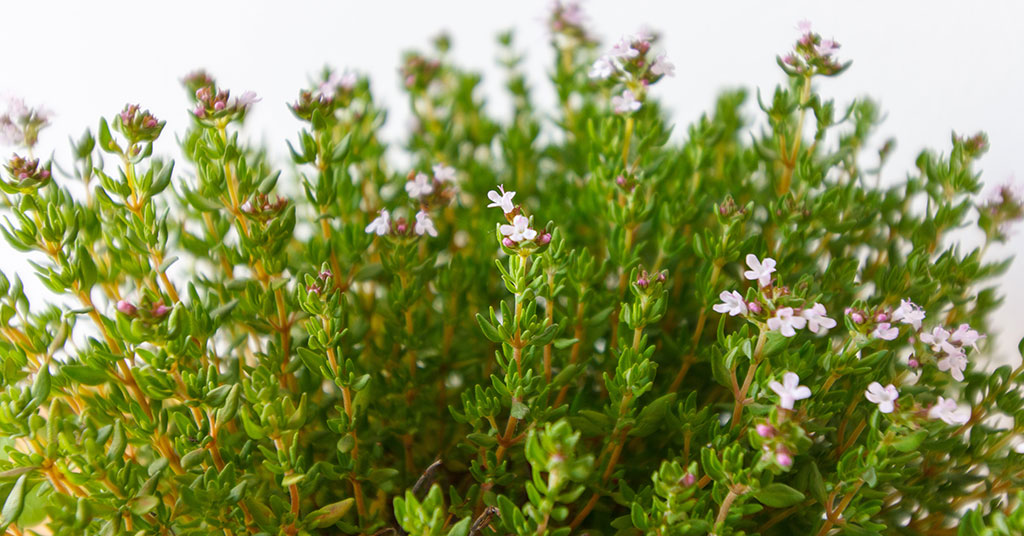
Creeping thyme (Thymus serpyllum), native to Europe, makes a charming border for raised beds—just press plugs along the edge before first frost. It isn’t invasive, forming neat mats that won’t overrun your veggies. Come spring, those tiny thyme blooms will carpet the edge, looking gorgeous and releasing a gentle aroma when you brush past.
Those fragrant flowers are a magnet for early-season pollinators like solitary bees and small butterflies. I’ve seen mason bees emerge from cracks right beside thyme patches, immediately starting their pollen-collecting rounds. It’s like putting out a welcome mat for beneficial insects!
Plant Garlic Cloves Between Crops
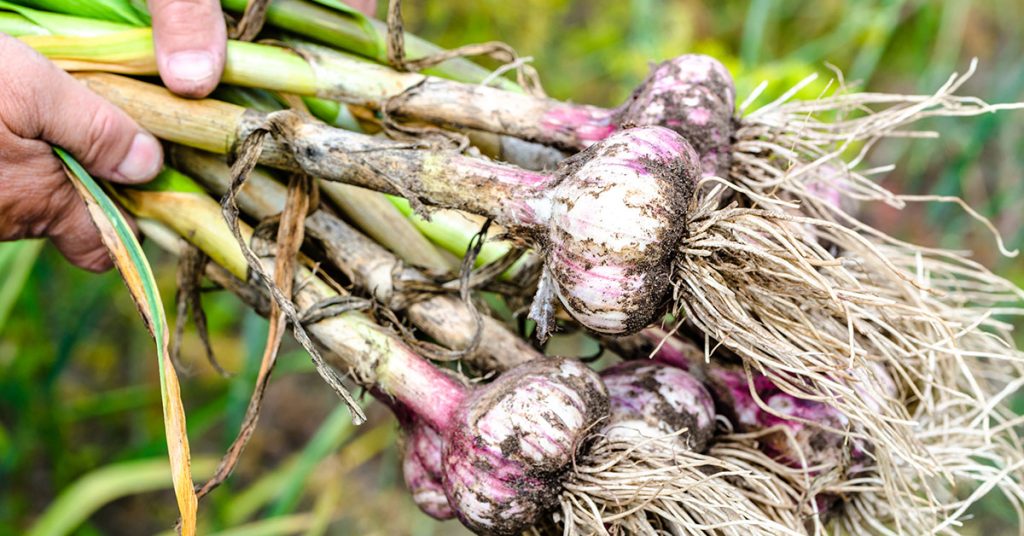
Garlic (Allium sativum), originating in Central Asia, is a perfect late-fall bulb to tuck between empty rows. It isn’t invasive, and each clove you plant becomes a head of garlic next summer. Simply press cloves pointed-end up about two inches deep, cover with soil, and mulch for winter protection.
While garlic isn’t a pollinator staple, its strong scent deters rodents and some nematodes, giving your beds natural pest resistance. Plus, I always spot ground beetles under the mulch—little predators that hunt slugs and cutworms, making your garlic and future spring crops that much safer!
Plant Native Goldenrod for Pollinators
Goldenrod (Solidago canadensis), a North American native, brightens fall borders with golden plumes and thrives in raised beds with good drainage. It can spread by rhizomes, but in a contained bed, it stays neatly clumped—just divide every few years to prevent overcrowding.
Come October, goldenrod is a lifeline for late-season bees and wasps. Carpenter bees tunnel in nearby old stems, and tiny sweat bees nest in bare soil pockets between roots. Watching a patch hum with activity is one of my favorite autumn garden spectacles!
Prune Spent Foliage
Cutting back dead or diseased leaves on perennials and leafy greens improves air circulation and reduces fungal issues. Since you’re removing just the old growth of non-invasive plants, there’s no risk of stopping new shoots—they’ll bounce back vigorously in spring. I use clean pruners to snip at the base of each stem, then tidy up any stray debris.
This pruning also reveals overwintering habitats for beneficial insects; I often find ladybird beetles tucked under protected leaf clusters. Noticing those hidden allies reminds me how every cut contributes to a balanced garden ecosystem!
Mulch with Fallen Leaves
Shredded deciduous leaves create an insulating blanket that moderates soil temperatures and suppresses weeds. Leaves aren’t invasive, and shredding prevents them from matting—just spread a two- to three-inch layer across your beds. By spring, they’ll have broken down into rich organic matter, ready to nourish your soil.
Underneath that leaf mulch, I often spot ground-nesting bees and small rodents seeking shelter. It’s heartening to think your simple leaf layer supports both soil health and wildlife habitat through the winter months!
Rotate Summer Vegetables
Avoid planting another solanaceous or cucurbit crop in the same spot next spring—rotating families helps break pest and disease cycles. Since your raised beds are a defined space, you can easily note this year’s tomato or squash areas and plan to follow them with legumes or brassicas. A simple garden map on paper or your phone works wonders.
Crop rotation also balances soil nutrients: heavy feeders like tomatoes benefit from following nitrogen-fixing beans the year before. Seeing healthier, more vigorous plants in rotated beds always feels like a gardening victory!