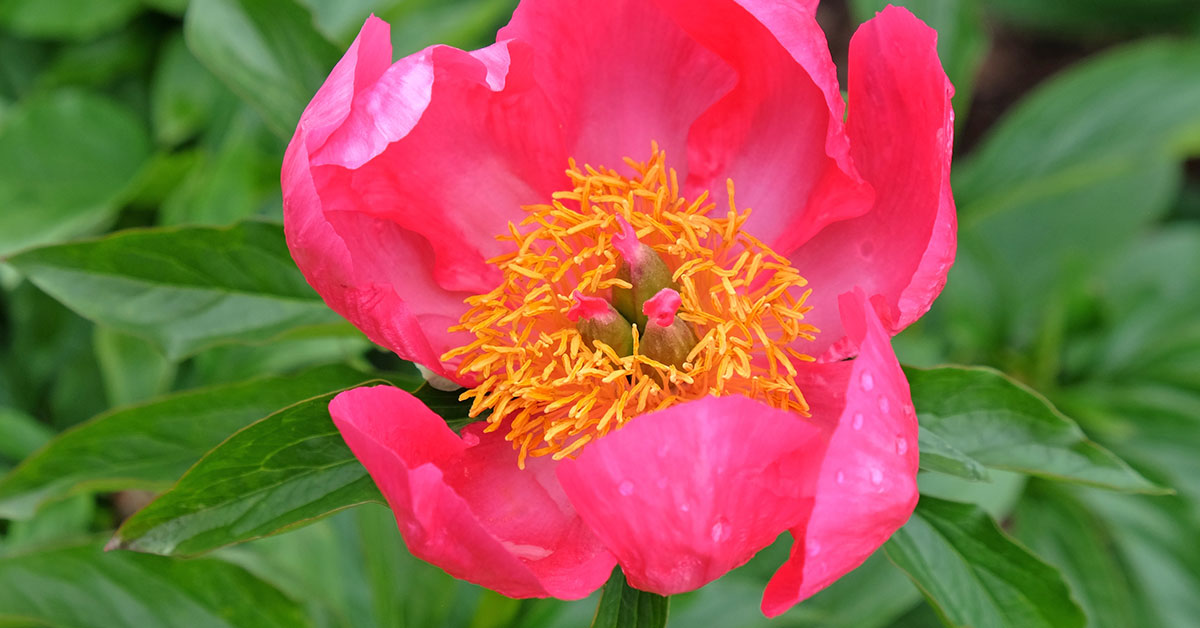

Spring brings with it the promise of renewal and the irresistible allure of nature’s delicate beauty! As an enthusiastic gardener who’s spent countless hours tending to every petal and leaf, I’m excited to share my passion for 11 pretty pink flowers that can transform your garden into a romantic paradise. I understand how frustrating it is when unexpected pests or unpredictable weather disrupts your gardening dreams, and I’ve learned that nurturing these charming blooms takes a blend of care, knowledge, and a dash of heart. In this article, I’ll delve into the unique traits of each flower, including where they are native, whether they’re invasive, and the delightful ways they attract local wildlife and support nesting behaviors.
I’ve always believed that every garden tells a story, and the vibrant hues of pink can set the perfect scene for romance and tranquility. From attracting pollinators to offering cozy spots for nesting, these flowers play an essential role in creating an ecosystem that’s both visually enchanting and ecologically balanced. So grab your gardening gloves and a cup of tea, and join me as we explore these botanical treasures with enthusiasm and a friendly, down-to-earth perspective!
Dianthus
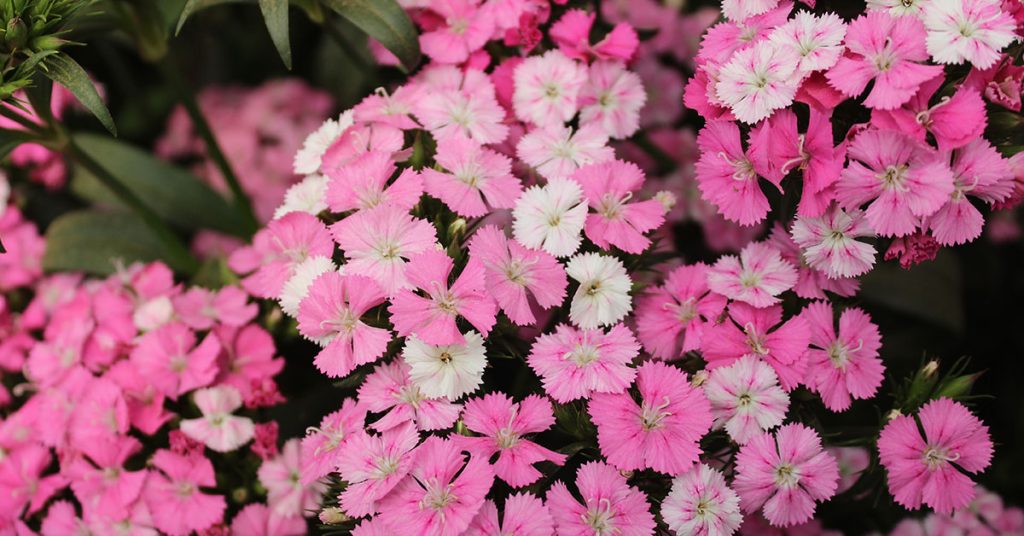
Dianthus, often known simply as “pinks,” are a perennial favorite for their ruffled, sweetly scented blossoms that bring a touch of vintage charm to any garden. Native to Europe and parts of Asia, these resilient plants are prized not only for their beauty but also for their ability to attract an array of pollinators, from delicate butterflies to busy bees that sometimes even choose the soft clumps of Dianthus foliage as a nesting haven! Although they are not considered invasive, their spreading habit can require careful management in smaller garden spaces.
In my own garden, Dianthus always creates a stunning border that invites admiration and compliments alike. I’ve witnessed firsthand how these flowers encourage a vibrant ecosystem, with insects fluttering around in search of both nectar and a cozy spot to settle. Their enchanting aroma and eye-catching hues evoke memories of classic English gardens, and every time they bloom, I feel like I’m stepping into a timeless romantic setting that’s both comforting and exhilarating!
Pink Roses
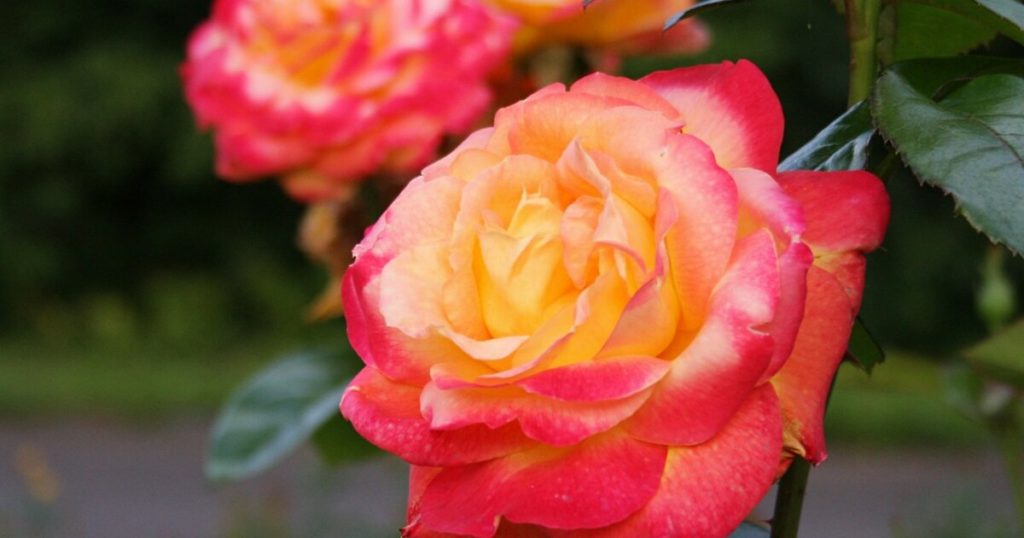
Pink roses have long been a symbol of love and elegance, gracing gardens around the world with their lush, velvety petals and irresistible fragrance. Originating from various regions including Asia, Europe, and North America, these iconic blooms are celebrated for their ability to attract not only admiring gazes but also essential pollinators like bees and butterflies. While roses are generally cultivated with care, some wild varieties can be surprisingly robust and spread more than expected—though they aren’t typically labeled as invasive!
Every time I see my pink roses in full bloom, it feels as though the garden is wrapped in a warm, romantic embrace! Their lush clusters provide hidden nooks where tiny insects and even the occasional bird find shelter and nesting spots. Caring for these timeless beauties requires patience and precision, but the reward is a living testament to nature’s power to inspire love and serenity, making every moment spent tending them absolutely worthwhile!
Camellias
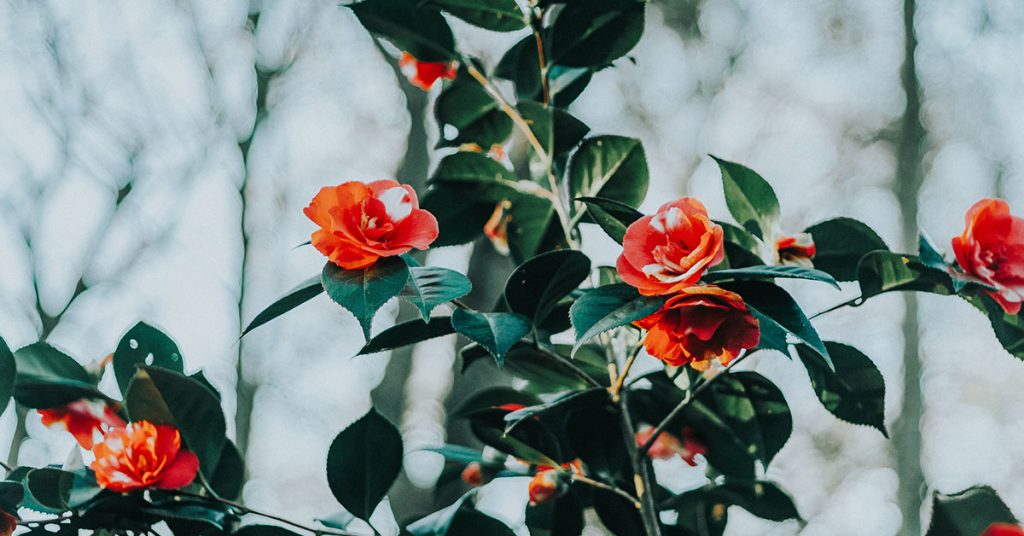
Camellias are a true delight for any gardener seeking a touch of elegance and romance in their outdoor sanctuary. Native to eastern and southern Asia, these evergreen shrubs boast glossy leaves and exquisite blooms that can range from soft pastels to vibrant pinks. While not typically invasive, camellias demand a bit of extra attention to ensure they flourish in the cooler climates of spring, where they can sometimes struggle with fluctuating temperatures.
I always find joy in watching camellias gradually unfurl their delicate petals, inviting local bees and hummingbirds to feast on their nectar and even find temporary shelter in the dense, lush foliage. Their understated charm and the romantic ambiance they evoke make them one of my garden’s prized possessions! Every blooming season feels like a fresh start, filled with the promise of beauty and the gentle reminder that sometimes, nature’s treasures require just a little extra love and care.
Pink Pansies
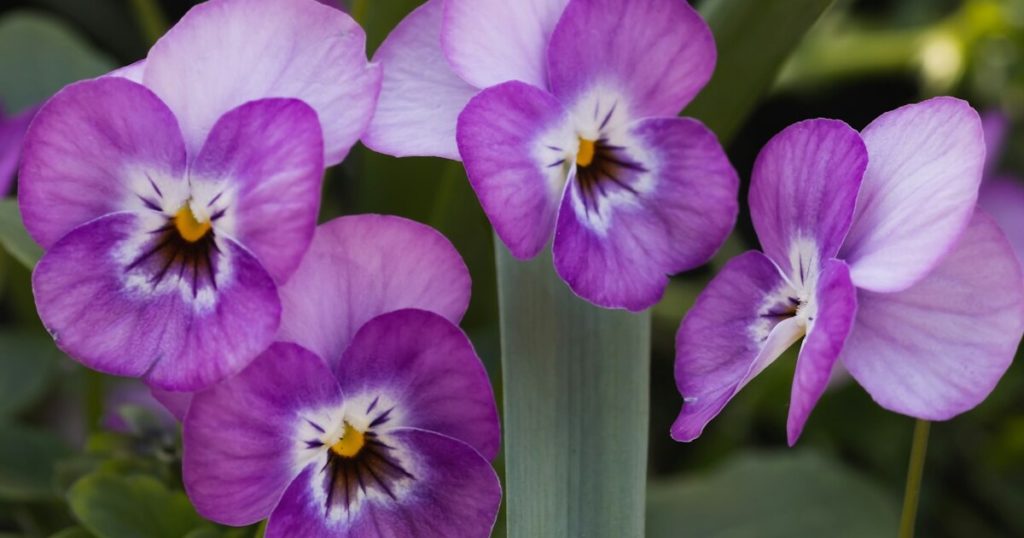
Pink pansies are an absolute treat for any garden, offering vibrant splashes of color that instantly elevate the mood of any outdoor space. These charming annuals are native to Europe and have been embraced worldwide for their versatility and resilience. Although not generally invasive, pansies do tend to spread rapidly under the right conditions, so it’s always wise to keep an eye on their growth to maintain balance in your garden design.
I adore how pink pansies not only bring beauty but also play an important role in attracting an assortment of pollinators—like bees and small butterflies—that are critical for a thriving garden ecosystem. Their cheerful presence and the gentle, almost nostalgic allure of their petals remind me of childhood memories and the simple joy of watching nature bloom! Each time I plant pansies, I’m excited by the prospect of a burst of color and life that transforms my garden into a vibrant and welcoming haven.
Azaleas
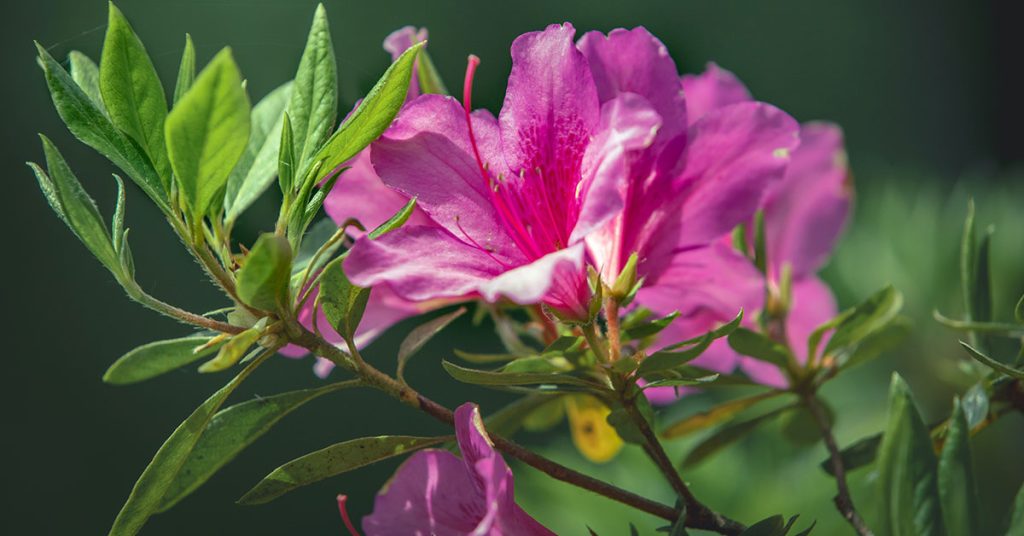
Azaleas are celebrated for their spectacular, cascading blooms that can turn any garden into a living canvas of soft pink hues and rich textures. Native to Asia and parts of North America, these flowering shrubs bring a sense of opulence and romance to any landscape. While they are generally non-invasive, azaleas can sometimes spread more widely than expected in ideal growing conditions, so careful planning is key to keeping their growth in check.
In my experience, azaleas are a magnet for local wildlife, especially butterflies and hummingbirds, which are drawn to their abundant nectar. I find it incredibly rewarding to observe these delicate visitors flitting about the vibrant clusters, occasionally pausing to explore the protective nooks offered by the dense foliage. Their presence adds an extra layer of enchantment to my garden, creating an atmosphere where nature and romance intertwine in the most delightful way!
Pink Hydrangeas
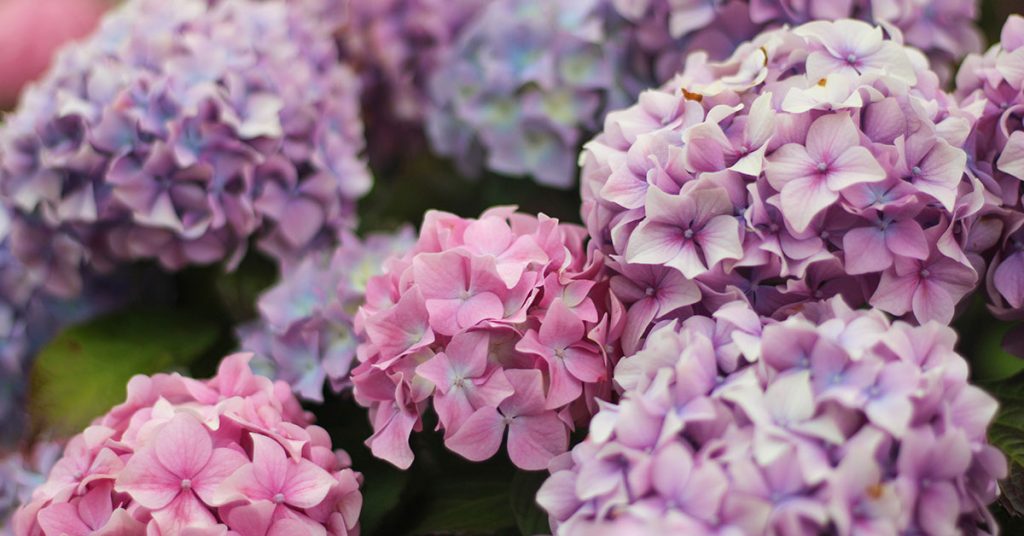
Pink hydrangeas are a breathtaking addition to any garden, known for their large, mop-like clusters of blossoms that exude a sense of soft romance and charm. Native to Asia and the Americas, these shrubs have become a favorite among gardeners for their ability to create dramatic focal points. Although cultivated hydrangeas are rarely invasive, their vigorous growth can sometimes encroach on nearby plants if not properly managed, demanding a thoughtful approach to garden design.
I’m always thrilled when my pink hydrangeas burst into bloom—each cluster seems to invite bees and butterflies to linger, turning the garden into a buzzing haven of life. Their lush, voluminous heads not only create a romantic ambiance but also offer little hideaways where beneficial insects might find a temporary nesting spot. Caring for these majestic shrubs requires a balance of attention and respect for their natural tendencies, and the result is a breathtaking display that transforms the garden into a picturesque retreat!
Pink Tulips
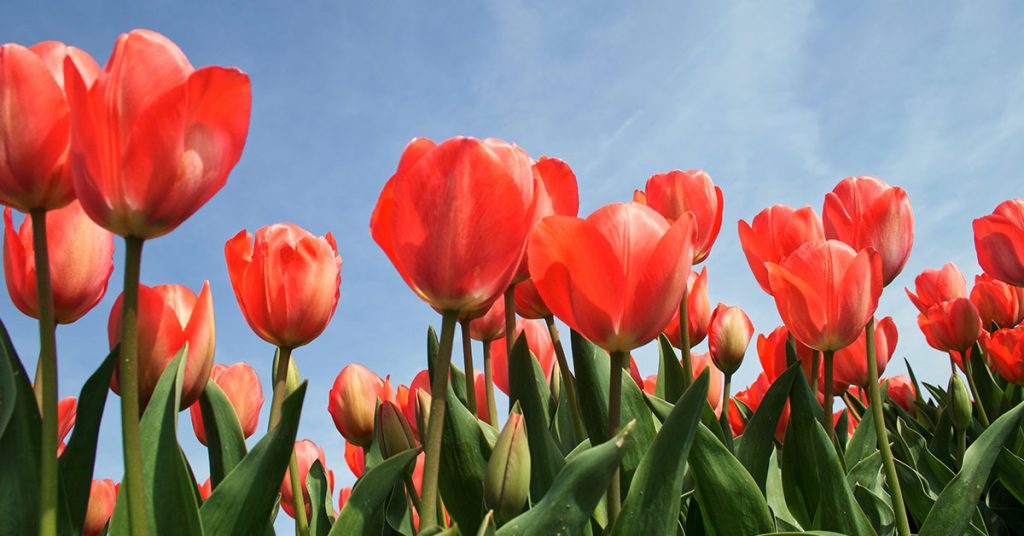
Pink tulips are among the most cherished springtime flowers, renowned for their elegant shape and striking color that exudes a delicate yet powerful romance. Native to Central Asia, these bulbs have been cultivated and adored worldwide for centuries. Tulips are not known for being invasive; instead, they are carefully managed in garden settings to ensure their stunning blooms appear just when you need a burst of color and grace!
Every spring, as I prepare my garden for the arrival of tulips, I feel an undeniable sense of anticipation and joy. These flowers attract a range of pollinators—from bees that dart from bloom to bloom to butterflies that pause to sip their nectar—contributing to the natural vibrancy of the garden. There’s something magical about arranging tulips in artful groupings, as each blossom seems to tell its own story of beauty, resilience, and the timeless charm of nature’s design!
Peonies
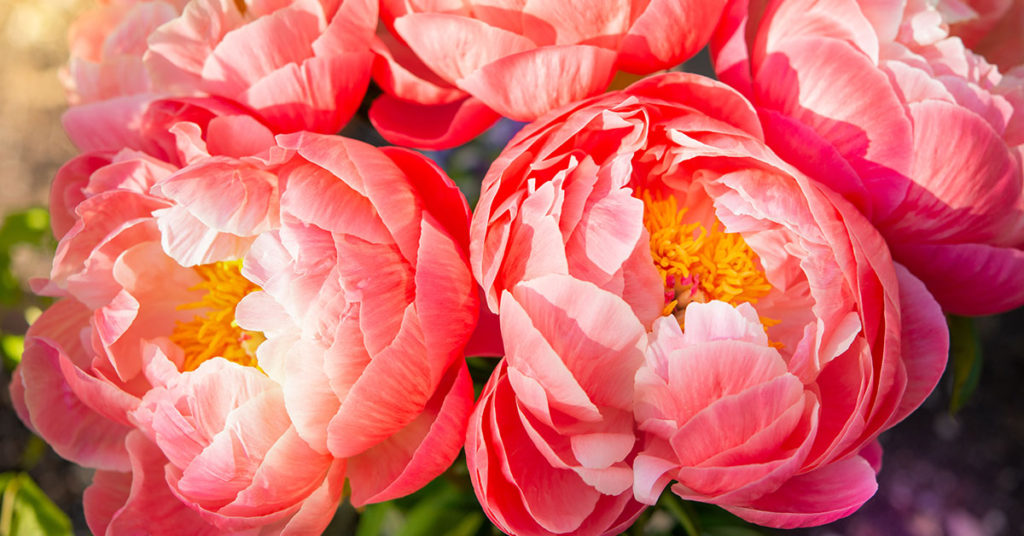
Peonies are one of my absolute favorites when it comes to creating a romantic garden, thanks to their lush, full blossoms and intoxicating fragrance that fills the air with a sense of timeless elegance. Native to regions in Asia, Europe, and North America, peonies have long been a staple in traditional gardens, celebrated for their impressive size and sumptuous texture. Although they are not typically considered invasive, their vigorous growth can sometimes require careful pruning to maintain balance and avoid overshadowing other delicate blooms.
I relish the way peonies effortlessly attract local wildlife, particularly bees and butterflies that relish the generous nectar on offer. Their sprawling foliage provides a natural haven for these pollinators, and I’ve even noticed small insects seeking shelter among the leaves during the cooler evenings! Each bloom feels like a soft whisper of romance, reminding me of the beauty that arises when nature is nurtured with care and passion. Peonies truly embody the spirit of a garden designed for both aesthetic delight and ecological harmony!
Sweet William

Sweet William is a charming perennial that adds a delightful splash of pink to any garden setting, creating a tapestry of color that’s both whimsical and sophisticated. Native to southern Europe, these clustered blooms have been a garden favorite for centuries, admired for their intricate petals and subtle fragrance. Although Sweet William is not typically invasive, its ability to self-seed means it can spread more than anticipated in a well-tended garden, requiring a bit of periodic management to keep the romance contained!
In my garden, Sweet William has a special place as it attracts an array of beneficial insects, including bees and small butterflies, which sometimes even find temporary nesting spots among its dense clusters. The sight of these lively visitors flitting from flower to flower is a heartwarming reminder of the delicate balance of nature. Every bloom feels like a tiny celebration of beauty and resilience, encouraging me to experiment with companion planting and thoughtful design to create a garden that’s as nurturing for wildlife as it is enchanting for the soul!
Pink Salvia
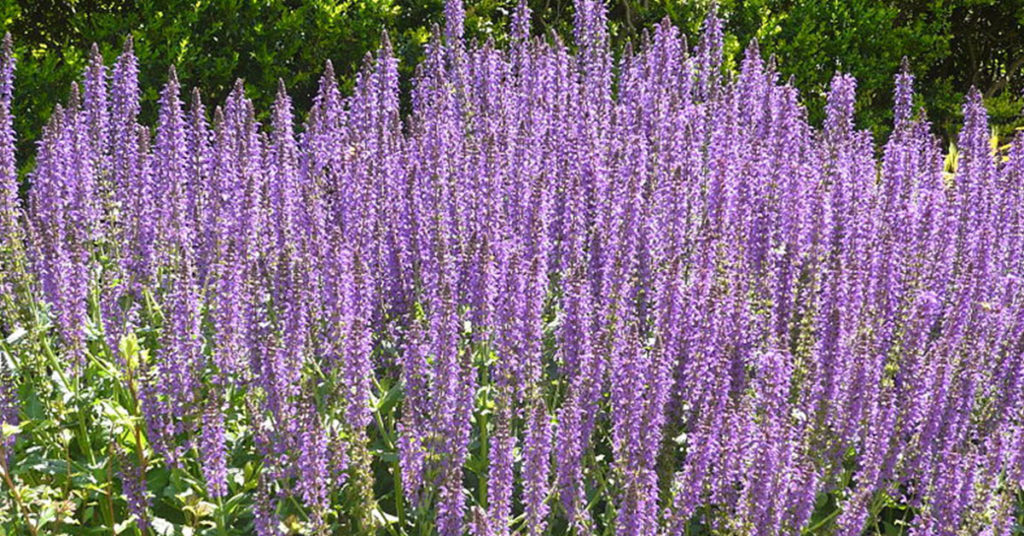
Pink salvia is a vibrant and dynamic addition to any romantic garden, known for its spiky clusters of flowers that bring energy and a touch of the unexpected to your outdoor space. Native to parts of Central America and North America, these flowers are admired for their durability and ability to attract a wide variety of pollinators. Although salvia is generally not considered invasive, some species have been known to spread quite enthusiastically in the right conditions, making it essential to monitor their growth and ensure they complement rather than overwhelm your garden layout!
I find pink salvia particularly exciting because of the way it seems to invite life into the garden—bees, butterflies, and even hummingbirds are drawn to its nectar-rich blooms! Their vertical form and vivid color create a striking contrast against softer, rounded blossoms, giving the garden a multi-dimensional appeal that’s both visually and ecologically stimulating. Tending to salvia has taught me the importance of balance and careful planning, as each spike of bloom contributes to a vibrant mosaic that makes every gardening moment feel like a celebration of nature’s artistry!
Gerbera Daisies
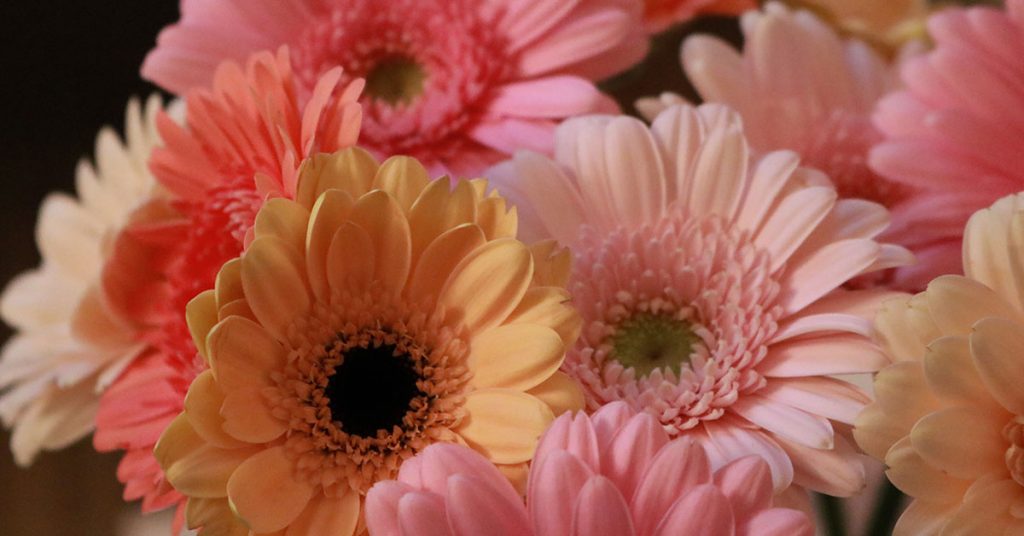
Gerbera daisies, with their bold and bright pink petals, are a delightful way to infuse a garden with a sense of playfulness and romance. Native to the tropical regions of Africa, these striking flowers have become a popular ornamental choice around the world due to their long-lasting blooms and ability to attract attention from all corners of the garden. Although they are typically cultivated as non-invasive annuals or perennials, in some climates they can spread under ideal conditions, so it’s always a good idea to keep an eye on their proliferation to maintain a harmonious garden design!
In my own garden, gerbera daisies are a beacon of cheer, attracting an array of buzzing bees and fluttering butterflies that are drawn to their vivid colors and generous supply of nectar. I’ve noticed that the lush clusters of petals sometimes even serve as impromptu nesting spots for small beneficial insects, adding yet another layer of life to the outdoor space. Their energetic presence not only elevates the aesthetic appeal of the garden but also reinforces the interconnectedness of nature, where every bloom plays a part in creating a vibrant, thriving ecosystem!