

August is the perfect month to get a head start on next year’s garden by propagating plants you love. As daylight begins to shorten and growth slows, many species allocate energy into their roots, making cuttings and divisions especially successful now. I know how frustrating it is to lose a favorite bloom each year—been there!—so taking cuttings or separating clumps in late summer means you’ll have robust, established plants ready to burst into flower when spring arrives.
Whether you’re snipping tip cuttings of tender herbs or dividing clumping perennials, understanding each plant’s native habitat and behavior helps you choose the best method. You’ll also learn which of these common favorites can naturalize—or even become invasive—so you can keep them in check. Let’s dive into eleven easy-to-propagate plants to multiply in August and watch your garden flourish next season!
Sedum (Sedum spectabile)
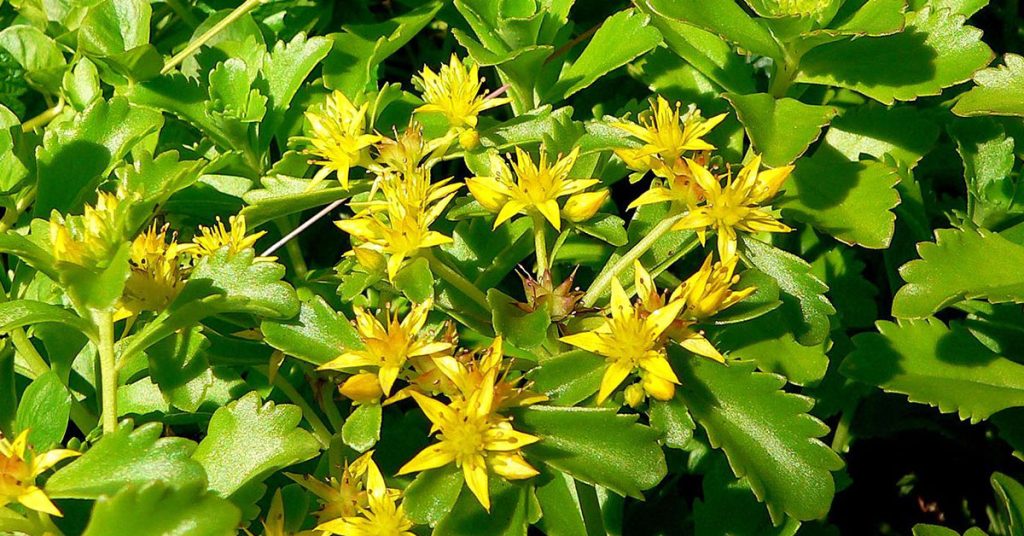
Stonecrop sedums hail from the rocky slopes of East Asia, where they endure both heat and drought. In August, select healthy, non-flowering stems and cut 3–4-inch sections just below a leaf node. Strip lower leaves and press the cuttings into well-draining mix; roots will form in a week or two. Because sedum rarely spreads aggressively in garden beds, you won’t risk an unwanted takeover—yet you’ll enjoy an abundance of fleshy, drought-tolerant succulents next year!
These late-season blooms are lifelines for bees and hoverflies gathering nectar before cold weather arrives. Although not nesting plants, their low, clustered leaves create cool microhabitats for springtails and beneficial soil mites that help break down organic matter. One of my favorite parts? Watching those tiny pollinators flit around the pink flower clusters as summer wanes!
Pothos (Epipremnum aureum)
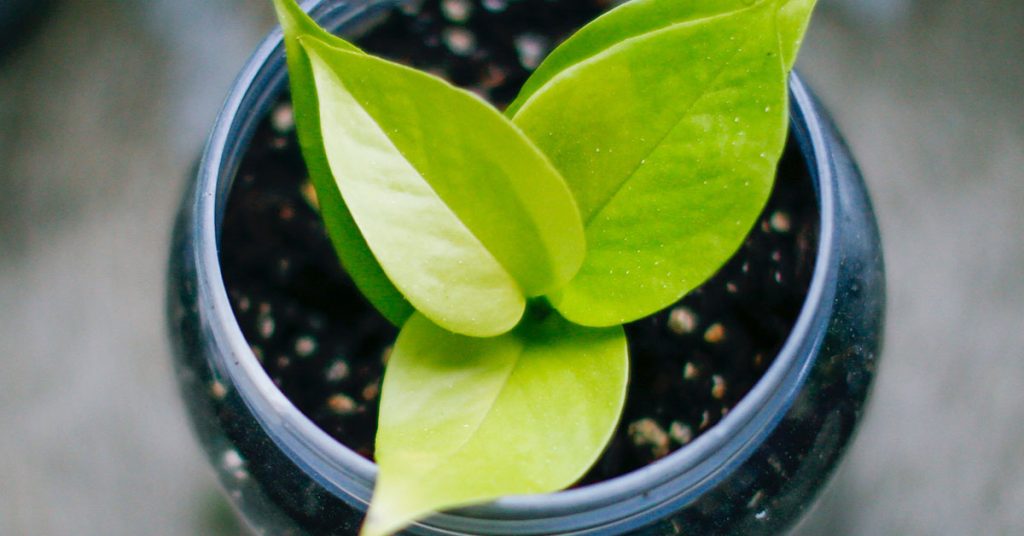
Native to the Solomon Islands’ tropical forests, pothos thrives on warm, humid air. You can’t beat August for snapping off 4–6-inch stem cuttings with at least one node, then placing them in water or moist potting mix. Within days, roots emerge, and soon you’ll have new vines to fill hanging baskets or share with friends. Pothos isn’t invasive indoors, but outdoors in warm climates it can naturalize—so keep your cuttings potted for a tidy display!
While pothos doesn’t host nesting wildlife inside, its dense foliage creates pleasant humidity pockets for springtails and tiny beneficial microbes in the soil. I love watching those micro-creatures busily aerate the roots—proof that a simple houseplant can foster an ecosystem all its own!
Hosta (Hosta spp.)
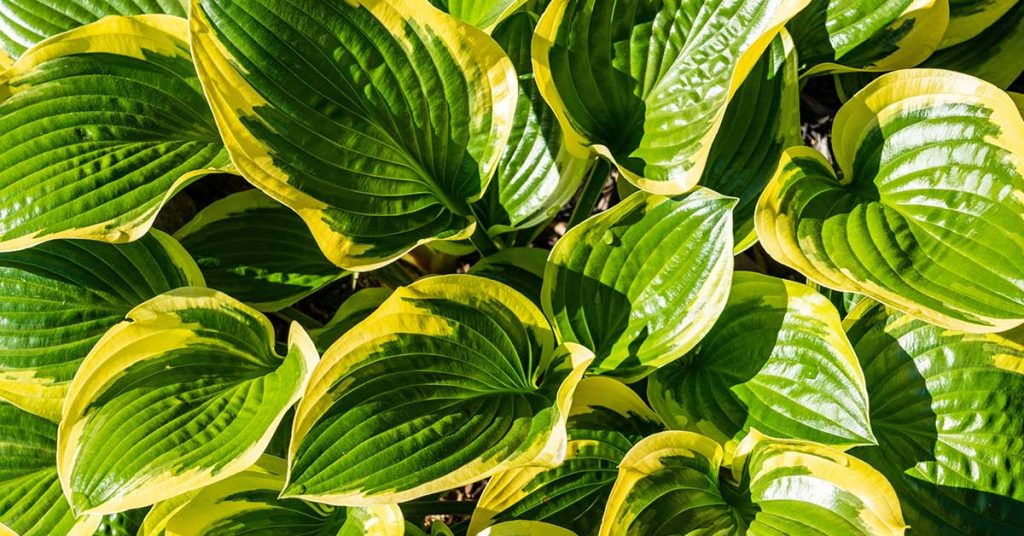
Hostas are native to Northeast Asia’s shady woodlands, forming clumps that benefit from division every 3–4 years. In August, dig up a mature clump, gently tease apart sections with healthy shoots and roots, and replant each division at the same depth. Because hostas rarely escape cultivated borders, you can safely multiply your favorite variegated or blue-leafed varieties without ecological worry.
Under their broad leaves, ground beetles and springtails shelter from sun and predators; dividing your clumps gives these beneficials new soil to inhabit, promoting decomposition and aeration. I always get a sense of renewal when I see divided hostas settling into fresh mulch, ready to unfurl lush foliage come spring!
Geranium (Pelargonium spp.)
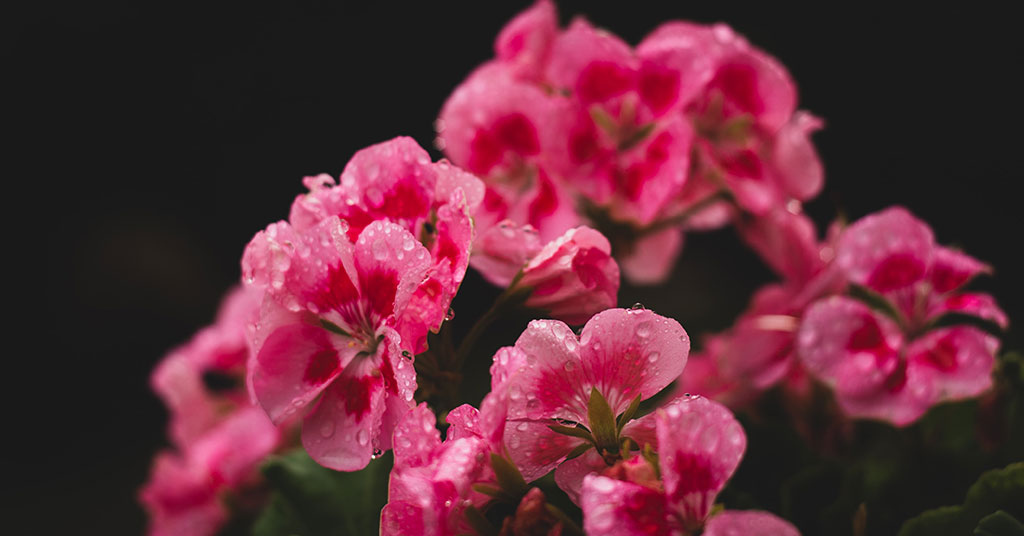
True geraniums—pelargoniums—originate from South Africa’s dry hillsides and root readily from tip cuttings. Snip 4–5 inches of non-flowering stem, remove lower leaves, and let the cutting callous a few hours before inserting into damp mix. Roots develop within a couple of weeks, giving you stocky plants for next spring’s sunny containers. Since pelargoniums don’t self-seed outdoors in cooler regions, you’ll avoid invasive spread while multiplying a favorite!
Their clusters of blooms attract hoverflies and small bees, and when grown in protected spots, you may even find tiny predatory wasps nesting under nearby rocks. I love how these vibrant flowers brighten a windowsill in winter—even a little propagation project brings a splash of summer magic indoors!
Mint (Mentha spp.)
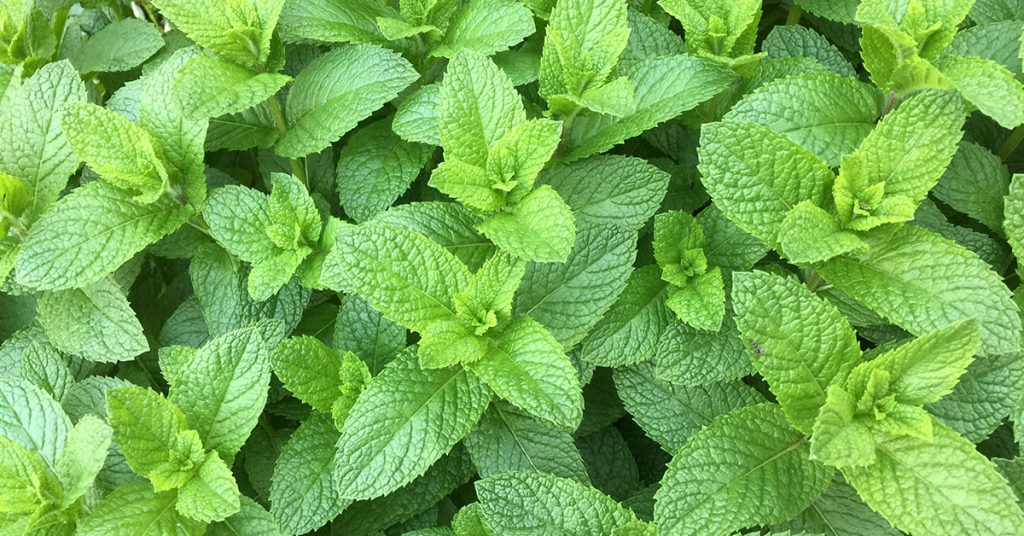
Mint traces its origins to the Mediterranean and Europe’s damp streamsides, and it’s infamous for spreading by runners. In late summer, take 3–4-inch stem cuttings, remove the lower leaves, and root them in water or soil. You’ll quickly build new mints without risking outdoor invasiveness—simply keep them in pots on a balcony or kitchen sill!
Though potted mint won’t host nesting insects, moving a pot outdoors in spring reveals how bees and butterflies relish its tiny flowers. Plus, mint containers harbor springtails and beneficial soil mites that help maintain healthy root zones. One of my favorite rituals is sniffing fresh leaves as I plant them—a minty aroma that transports me to sunlit riverbanks!
Daylily (Hemerocallis spp.)
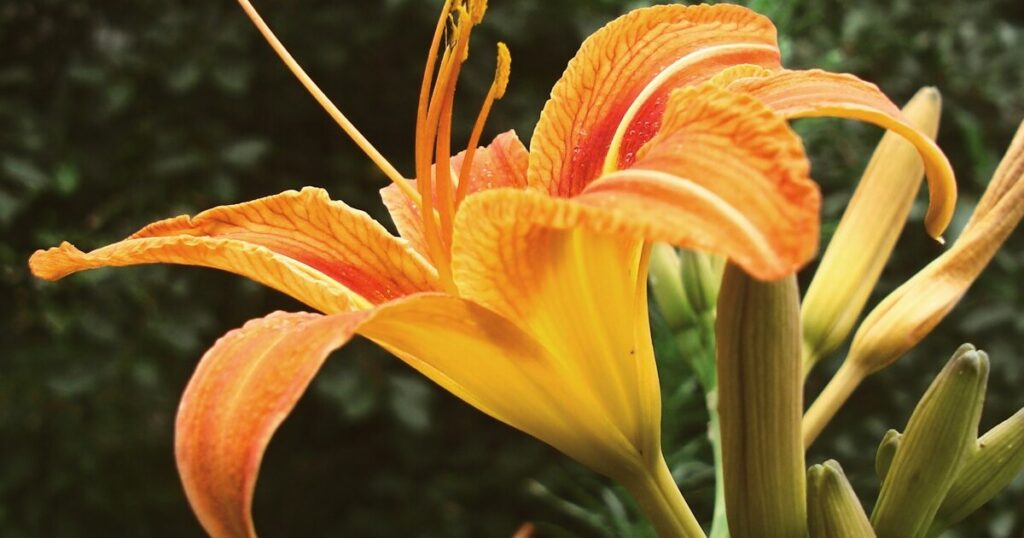
Daylilies hail from Asia’s meadows and marsh edges, forming dense clumps that bloom profusely before summer’s end. August is ideal for dividing: lift the plant, slice the crown into sections with 2–3 fans and healthy roots, and repl ant immediately. As long as you give them well-draining soil and water, these divisions establish quickly without becoming invasive.
Their strap-like foliage provides shelter for ground beetles and spiders, who in turn help control pests around your beds. I find it so satisfying to see new daylily fans emerge in autumn rains—knowing they’ll reward me with vibrant orange, yellow, or burgundy blooms next June!
Coleus (Plectranthus scutellarioides)

Native to Southeast Asia and northern Australia, coleus thrives on tip cuttings taken before stems become woody. Snip 4–5 inches below a node, strip lower leaves, and place in water or moist mix; roots often appear in less than a week. These cuttings flourish in bright, indirect light, and because coleus doesn’t naturalize in most climates, you can multiply colorful foliage freely without ecological concerns.
Coleus leaves can create humid microclimates beneficial to springtails and tiny soil arthropods, improving soil health. I’m always thrilled when my vibrant purple-and-green varieties fill out so quickly—I get to mix new color combos for next year’s shade borders!
Spider Plant (Chlorophytum comosum)
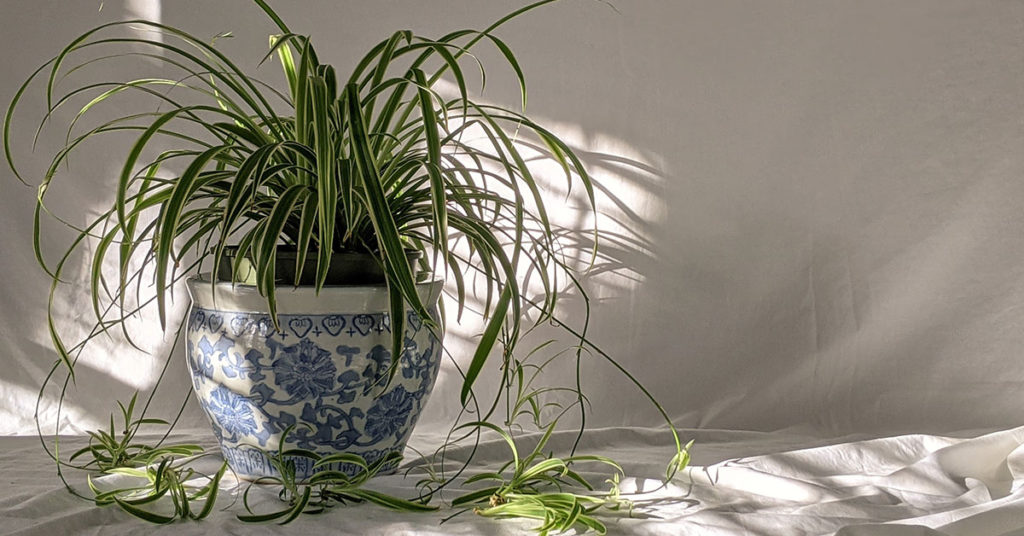
Originally from tropical Africa’s forest understorey, spider plants produce plantlets on long shoots. In August, simply detach these baby plants, tuck them into small pots of moist potting mix, and watch roots form within days. Spider plants aren’t invasive in containers, making them perfect for gifting or expanding your collection without worry.
Their arching leaves offer hiding spots for tiny springtails and beneficial microbes in the soil. One of my favorite moments is seeing that first bud fall—proof the miniature spiderling is ready to grow into a full, arching rosette!
Lavender (Lavandula angustifolia)

Mediterranean lavender thrives in well-drained soil and low humidity. In late summer, take semi-hardwood cuttings—stems that are partly mature—to propagate. After removing lower leaves, dip the base in rooting hormone and plant in gritty mix. With patience and bright light, you’ll cultivate fragrant, drought-tolerant shrubs that seldom escape containment.
Lavender’s flowers attract bees, butterflies, and hoverflies when it blooms next year; though your cuttings won’t flower immediately, you’re setting the stage for a pollinator magnet! I love the thought of walkways lined with these silvery, aromatic plants—each cutting is a promise of sunny, fragrant gardens to come.
Begonia (Begonia rex and wax begonias)
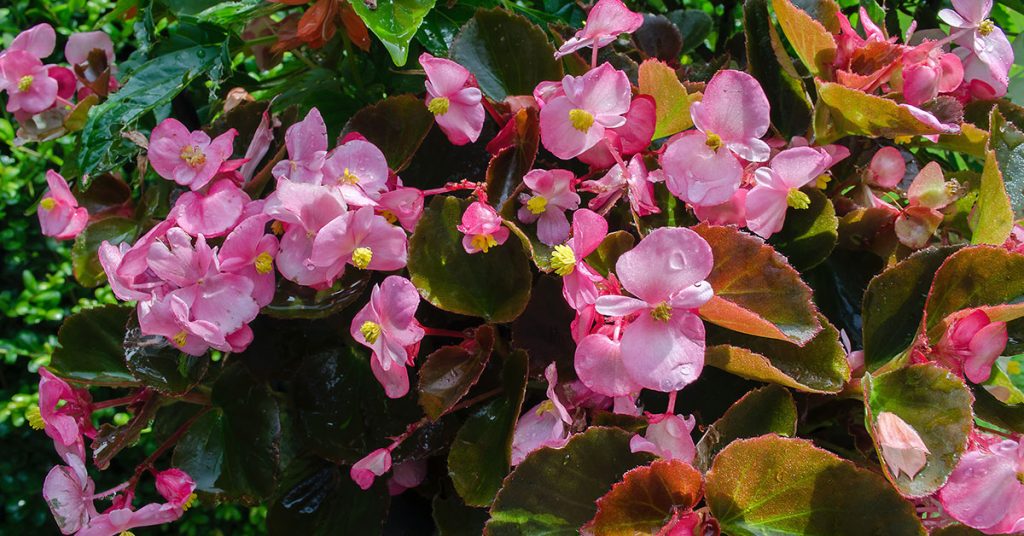
Tropical begonias originate from Asia and South America’s humid forests. In August, leaf or stem cuttings root readily: place a leaf half with petiole in moist mix, or insert stem tips after stripping lower leaves. Keep the medium damp, and within weeks you’ll have lush new plants without risking outdoor invasiveness.
Once established, their rich foliage can foster microhabitats for springtails and soil mites, which help decompose organic matter. I always smile when I see those patterned leaves emerge—knowing I expanded my collection with just a single cutting!
Rosemary (Salvia rosmarinus)
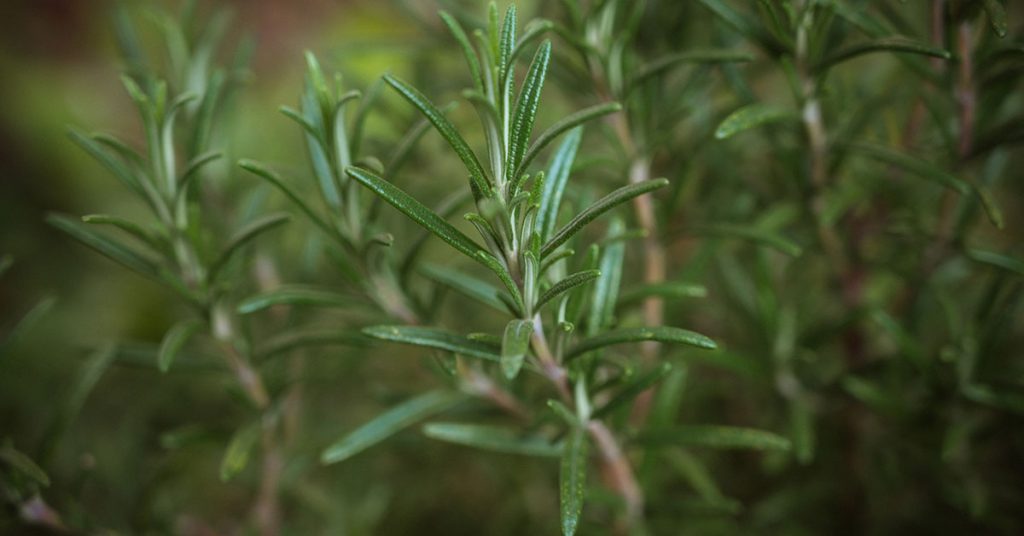
Native to the Mediterranean’s rocky coasts, rosemary takes 4–6-inch semi-hardwood cuttings in August. Strip bottom leaves, dip in rooting hormone, and plant in well-draining mix. Keep cuttings warm and bright, and by fall you’ll have hearty young shrubs. Because rosemary rarely spreads from seed in cooler climates, you can multiply without invasive worries!
When mature, rosemary flowers attract bees and tiny beneficial wasps that prey on garden pests. While your new shrubs won’t bloom immediately, you’re cultivating future nectar bars—and every cutting feels like a fragrant gift to next year’s garden!