
When the crispness of fall starts settling in, the greenhouse becomes more than just a shelter—it’s a lifeline for keeping your gardening season alive. While the outdoor beds may be winding down, inside your greenhouse you can still nurture lush growth and even enjoy fresh harvests long after your neighbors have put their tools away. The trick is knowing which plants actually love the cooler, stable environment of a fall greenhouse. Over the years, I’ve experimented with dozens of varieties, and I’ve learned that some plants truly shine during this transition period.
A fall greenhouse gives you more than just vegetables—it can be a place for fragrant herbs, vibrant flowers, and even tender plants that would never survive the coming chill outdoors. Many of these species are adapted to temperate or subtropical climates where seasonal shifts are gentle, making them perfect candidates for the protection and controlled environment of a greenhouse. Whether you want a table full of greens for salads, a splash of late-season color, or herbs to dry for winter use, these plants will thrive in the cozy microclimate you create.
Lettuce
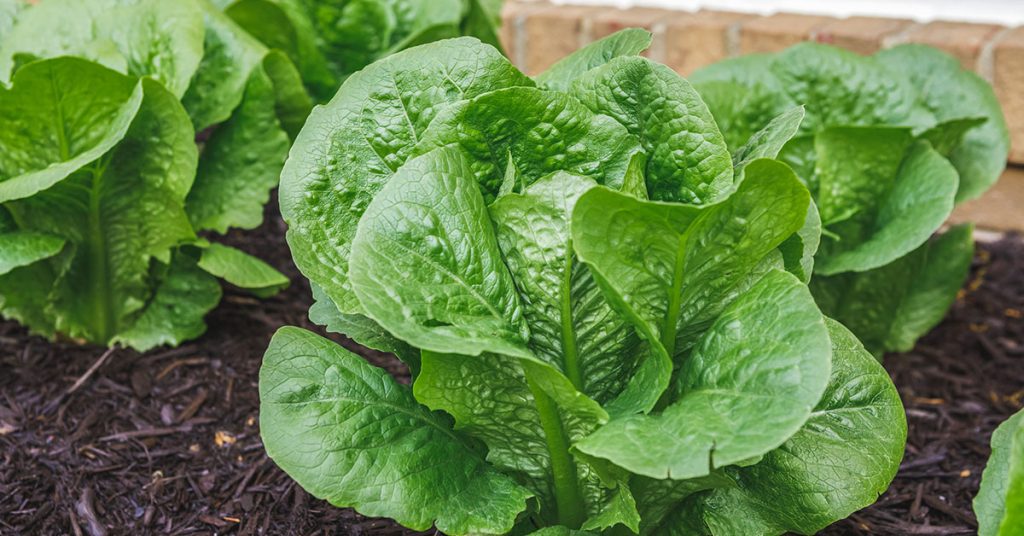
Lettuce, native to the Mediterranean, is one of the easiest and most rewarding crops to grow in a fall greenhouse. The cooler temperatures bring out its sweetest flavors, and it grows quickly enough that you can enjoy multiple harvests before winter. Loose-leaf varieties, romaine, and butterhead types all adapt well to greenhouse growing in fall.
Because lettuce grows so fast, it’s perfect for cut-and-come-again harvesting. It’s not invasive and won’t take over your space, making it an excellent choice for succession planting alongside other crops. Plus, growing lettuce in the greenhouse means you can protect it from pests like slugs, which can be a nightmare in damp autumn gardens.
Basil
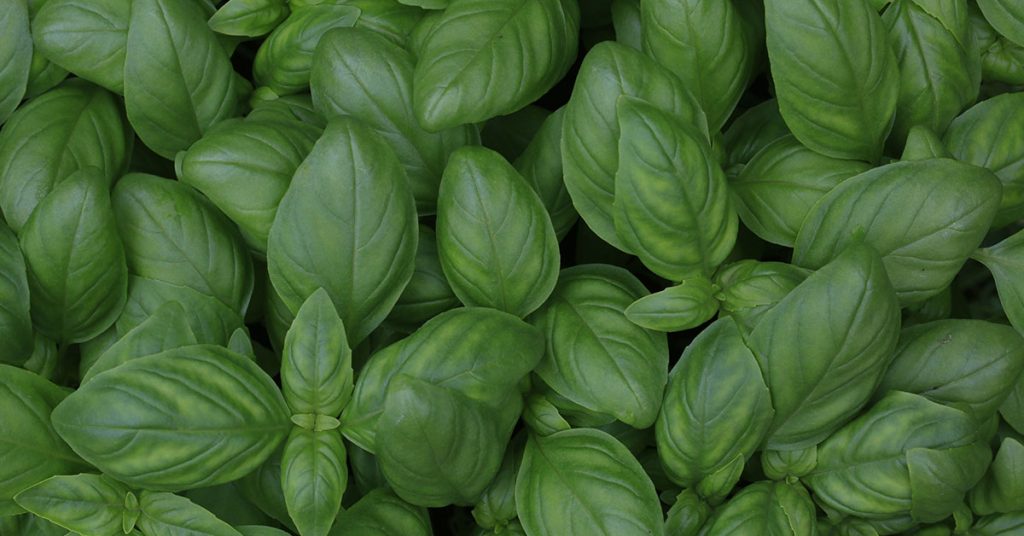
While basil is a tropical native of Africa and Asia, it can keep producing well into fall if given the warmth and light of a greenhouse. Outside, even a light chill will stunt its growth, but inside, it will keep giving you fragrant leaves for pesto, salads, and garnishes.
Basil’s flowers, if allowed to bloom, attract pollinators such as bees, but in the greenhouse, you’ll likely pinch blooms to encourage more foliage. It’s not invasive, though it can self-seed in warmer climates, so keeping it contained indoors is actually a great way to manage it.
Spinach
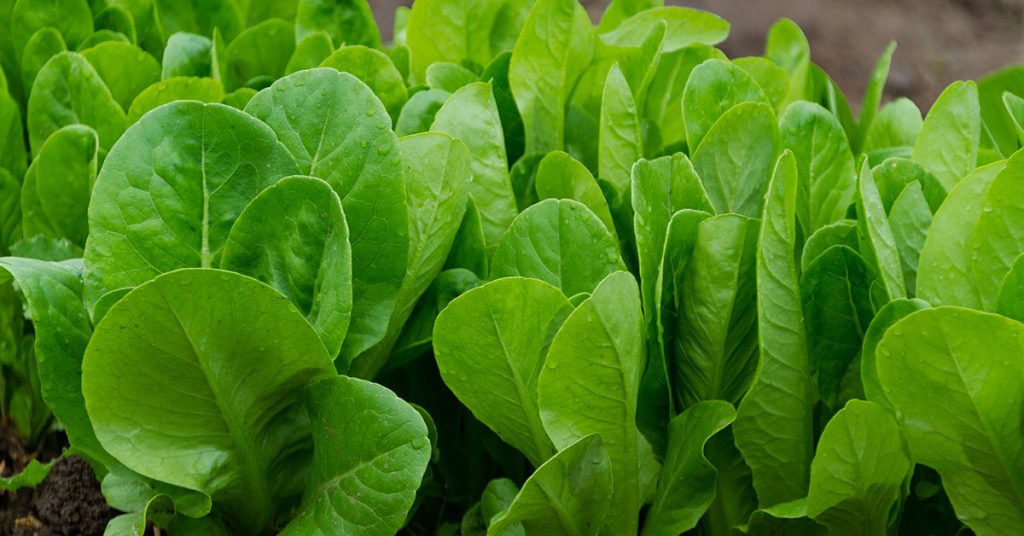
Spinach, native to central and western Asia, thrives in cooler conditions, making it a star in fall greenhouse beds. The controlled environment means you can avoid the bolting issues that often plague it in summer, and the steady temperatures help produce tender, nutrient-rich leaves.
Because spinach is so cold-tolerant, you can continue harvesting it into early winter. It’s non-invasive and plays nicely alongside other greens, making it a great companion crop in the limited space of a greenhouse.
Chard
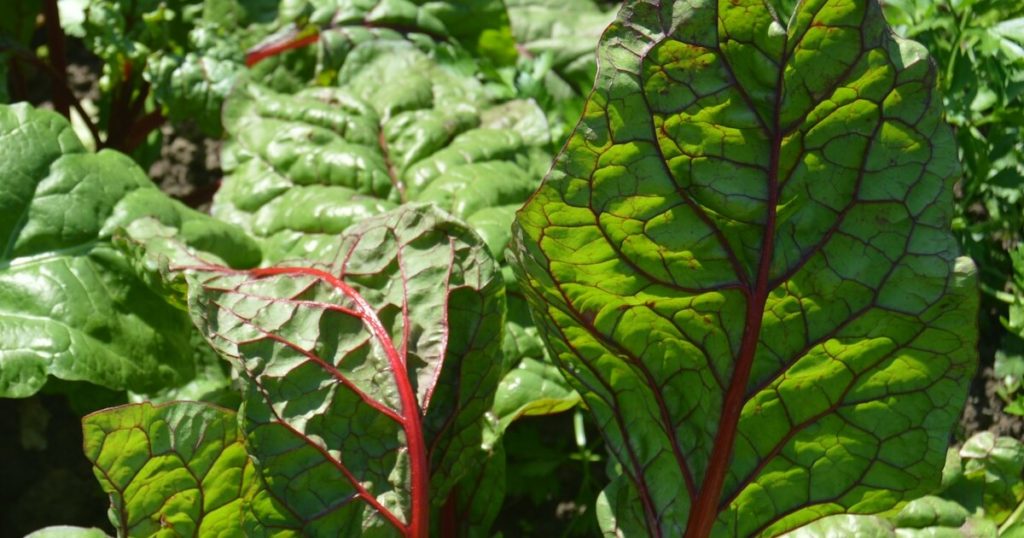
Swiss chard, originally from the Mediterranean, is both ornamental and edible, with its colorful stems and glossy leaves. It’s extremely resilient in the cooler months and can keep growing even when light levels drop.
Chard isn’t invasive and works beautifully in a greenhouse setting, where you can control pests like leaf miners more easily. The leaves are attractive to beneficial insects if you let a few plants flower in spring, so overwintering them is a bonus for next year’s pollinator population.
Parsley
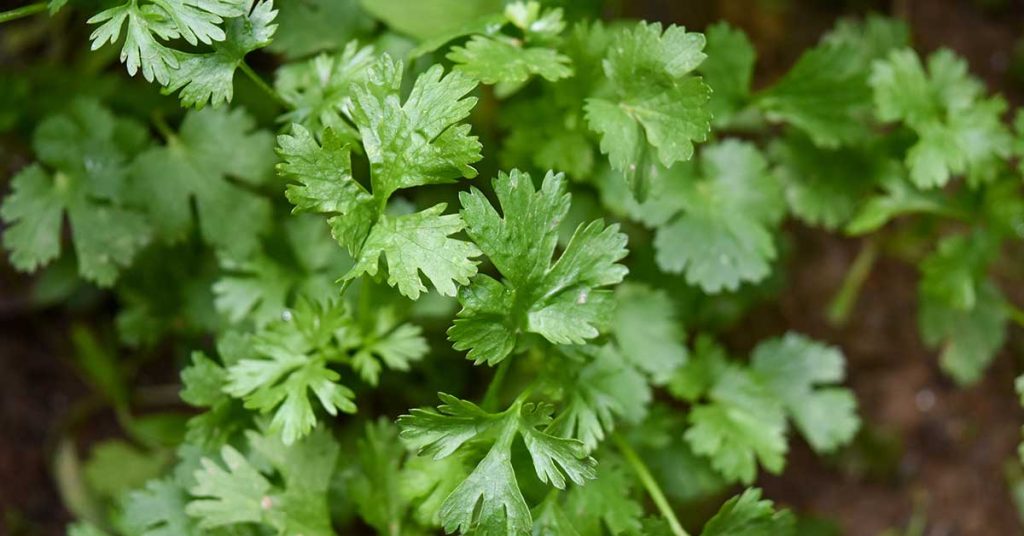
Parsley, native to the Mediterranean region, is a biennial herb that often acts like an annual in cold climates. In a fall greenhouse, it can continue producing lush, aromatic foliage for months, giving you fresh flavor for cooking all season long.
While parsley flowers in its second year attract beneficial insects like hoverflies, most gardeners grow it for the leaves. It’s not invasive, and because it grows slowly in cool weather, it’s easy to manage in small greenhouse beds or containers.
Kale
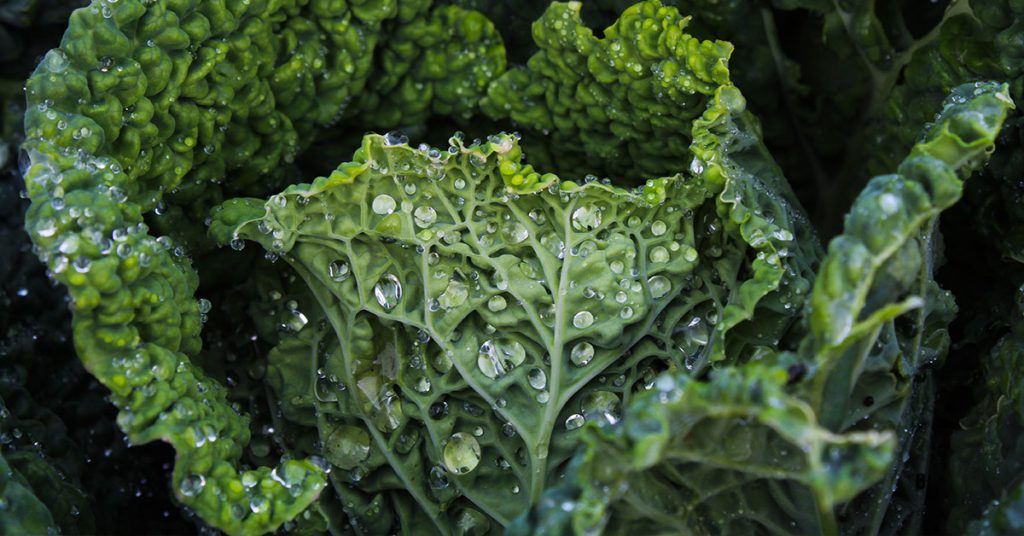
Kale, with origins in the eastern Mediterranean and Asia Minor, thrives in cool weather, and a greenhouse helps it maintain steady growth during fall’s temperature swings. The cooler it gets, the sweeter and more tender the leaves become.
Non-invasive and space-efficient, kale can be harvested leaf-by-leaf for a steady supply. It’s also a great habitat plant if left to flower in its second year, attracting bees and other pollinators early in spring.
Cilantro
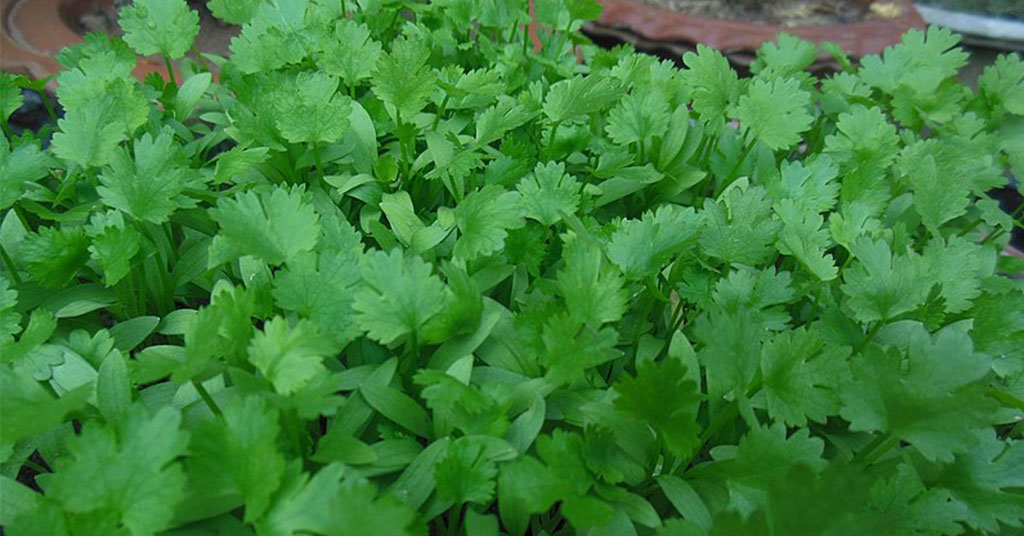
Cilantro, native to the Mediterranean and southwestern Asia, bolts quickly in summer heat but becomes much more manageable in the cooler conditions of a fall greenhouse. This is the season when it produces the most flavorful leaves.
Its flowers, if allowed to bloom, are loved by beneficial insects, but in fall you’ll likely keep it in leafy growth mode. Cilantro isn’t invasive, though it can self-seed, so growing it in pots inside the greenhouse makes reseeding easy to control.
Carrots

Carrots, originally from Persia (modern-day Iran and Afghanistan), can grow exceptionally well in a fall greenhouse. The even soil temperatures and protection from frost give you uniform, sweet roots that develop beautifully without cracking.
Carrots aren’t invasive and make a great companion crop in greenhouse beds. Because they stay in the soil for a long time, they also help keep your beds active while other crops are being rotated in and out.
Dill
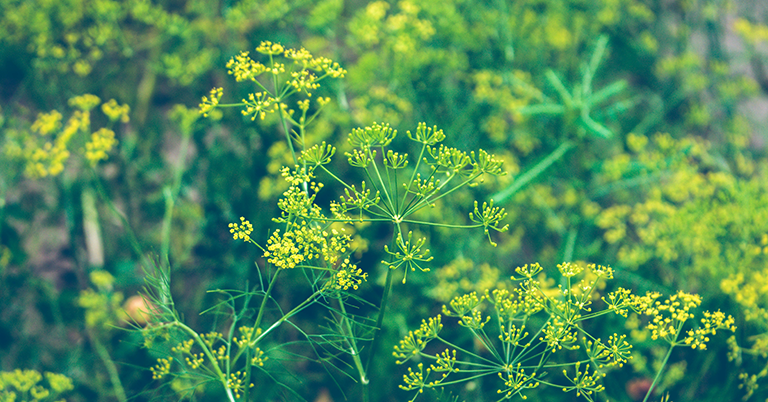
Dill, native to Eurasia, loves cooler temperatures and can be a flavorful addition to your fall greenhouse lineup. In the protected space, it grows lush and upright, with tender leaves perfect for cooking or pickling projects.
If you let it flower, dill becomes a pollinator magnet, attracting beneficial insects like ladybugs and lacewings. It can self-seed, so growing it in containers inside the greenhouse makes it easy to control.
Radishes

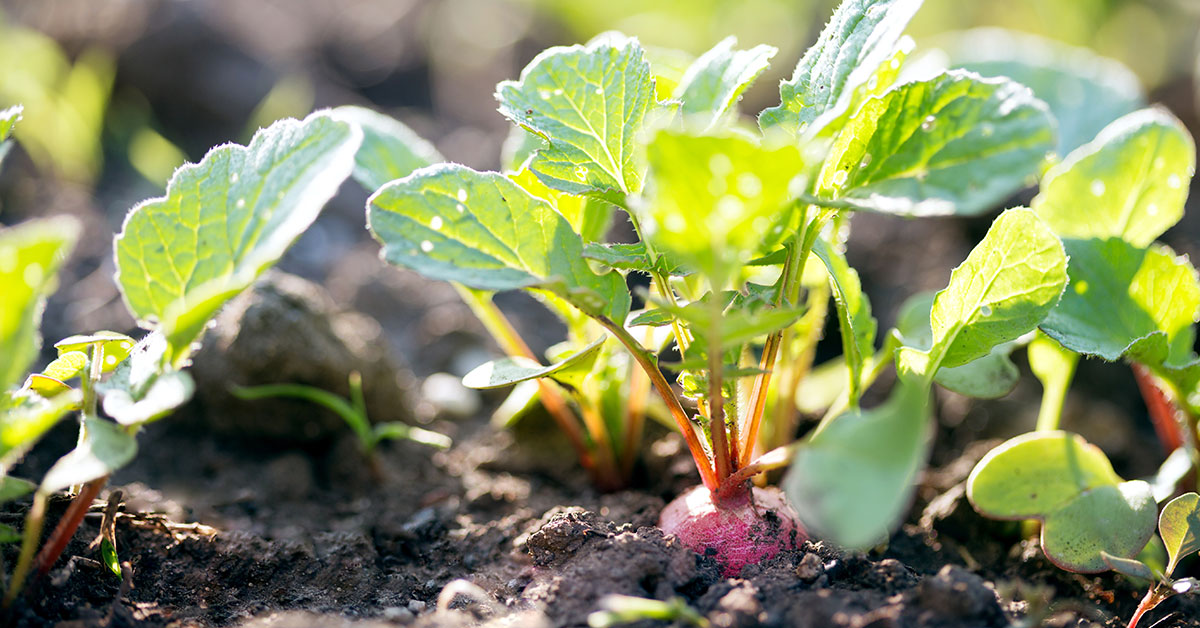
Radishes, native to Southeast Asia, are one of the fastest crops you can grow in a fall greenhouse, often ready in less than a month. They thrive in cooler conditions, producing crisp, mild roots and leafy tops you can also eat.
Radishes don’t spread or become invasive, and their quick turnaround makes them perfect for filling gaps between slower-growing crops. They also help break up compacted soil in greenhouse beds.
Arugula
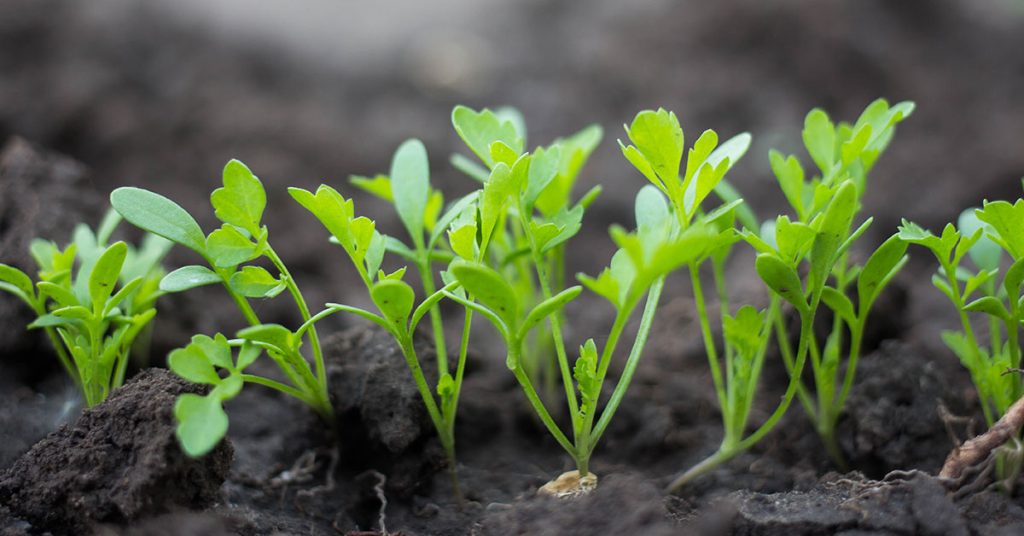
Arugula, native to the Mediterranean, loves cooler temperatures and grows quickly in a fall greenhouse. The protected environment allows you to extend the harvest well into winter without the leaves becoming tough or overly bitter.
Non-invasive and fast-growing, arugula is great for succession planting. Its flowers, if allowed, are attractive to bees, making it a nice crop to keep going into the early spring season as well.