
There’s nothing quite like basking in the warm glow of the afternoon sun while surrounded by plants that not only thrive under bright skies but also offer delightful textures, fragrances, and even a bit of wildlife magic. I know how frustrating it is when plants wilt in shady spots or when your outdoor space feels dull despite all your hard work. That’s why I’m excited to share 11 incredible plants that were made for sun-drenched porches—each one hand-picked for its resilience, beauty, and ability to create an inviting outdoor sanctuary!
We’ll explore a diverse mix of perennials and annuals, all of which are native to sun-loving regions and have been celebrated for their ability to flourish in full sunlight. From the aromatic allure of Mediterranean herbs to the vibrant, colorful blooms of wildflowers, these plants not only add visual splendor but also attract beneficial pollinators, provide nesting spots for small critters, and even help improve soil health. Whether you’re battling pests on a rainy day or simply longing for a touch of natural artistry on your porch, these plants are sure to transform your outdoor space into a year-round retreat full of life and energy!
Portulaca (Moss Rose)

Portulaca, also known as Moss Rose, is a succulent annual native to tropical and subtropical regions of the Americas. Its low, spreading habit and vibrant, rose-like blooms make it a perfect ground cover for sun-drenched porches. I love how Portulaca thrives in hot, dry conditions with minimal water, making it an ideal choice for those who want a burst of color without the hassle of constant upkeep! Its bright, cheerful flowers come in various shades of red, pink, orange, and yellow, instantly transforming any outdoor space into a lively oasis.
In addition to its stunning visual appeal, Portulaca attracts a variety of beneficial pollinators like bees and butterflies. Its drought-tolerant nature and non-invasive growth mean that you can let it carpet your porch without worrying about it overtaking your garden. The succulent leaves not only store water but also add a unique texture that contrasts beautifully with more delicate flowering plants. With its effortless charm and robust resilience, Portulaca is truly a plant made for sun-soaked, carefree living!
Lavender
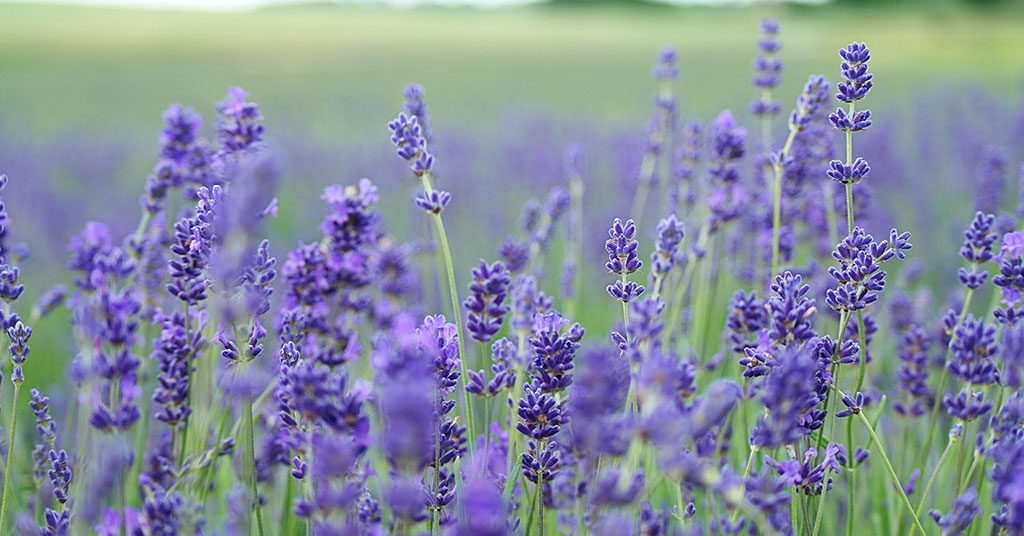
Lavender, native to the Mediterranean, is one of my all-time favorite herbs for sun-drenched spaces. Its silvery-green foliage and fragrant purple spikes create an atmosphere of calm and elegance that is perfect for a porch setting. I love how lavender not only offers a soothing scent that relaxes the mind but also attracts a swarm of buzzing bees and delicate butterflies, turning your porch into a natural haven! Best of all, it requires minimal watering and maintenance, thriving in full sun and well-drained soils.
Lavender’s non-invasive nature ensures that it won’t overrun your garden, even if left to grow freely on a sunny patio. Its flowers can be used in homemade sachets, teas, or simply enjoyed as a natural air freshener, making it as versatile as it is beautiful. Native to the sun-drenched landscapes of Southern Europe, lavender embodies resilience and grace, proving that sometimes the simplest plants can have the most profound impact on your outdoor space. It’s a timeless addition that never fails to elevate the ambiance of a sunlit porch!
Agastache (Anise Hyssop)
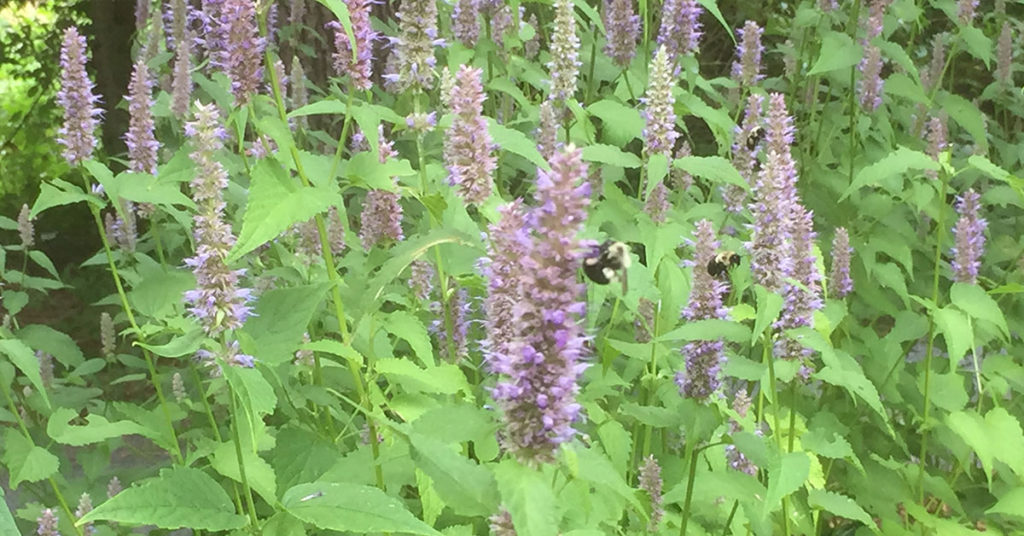
Agastache, commonly known as Anise Hyssop, is a perennial herb native to North America that thrives in full sun. Its aromatic, licorice-scented leaves and spikes of vibrant purple flowers create a stunning visual display that is perfect for sun-drenched porches. I’m always delighted by Agastache’s ability to attract hummingbirds, bees, and butterflies, making it not only a feast for the eyes but also a lively hotspot for beneficial wildlife! Its drought-tolerant nature and non-invasive growth make it an ideal choice for urban gardens where every bit of space counts.
In addition to its ornamental and ecological benefits, Agastache has a rich culinary and medicinal heritage. The leaves can be used to brew a soothing tea, while its essential oils have been used in natural remedies for centuries. Growing Agastache on your porch not only enhances your outdoor space with its brilliant color and sweet aroma but also creates a dynamic microhabitat that supports natural pest control. It’s a delightful, multi-functional herb that truly elevates any sunlit corner!
Black-Eyed Susan (Rudbeckia hirta)
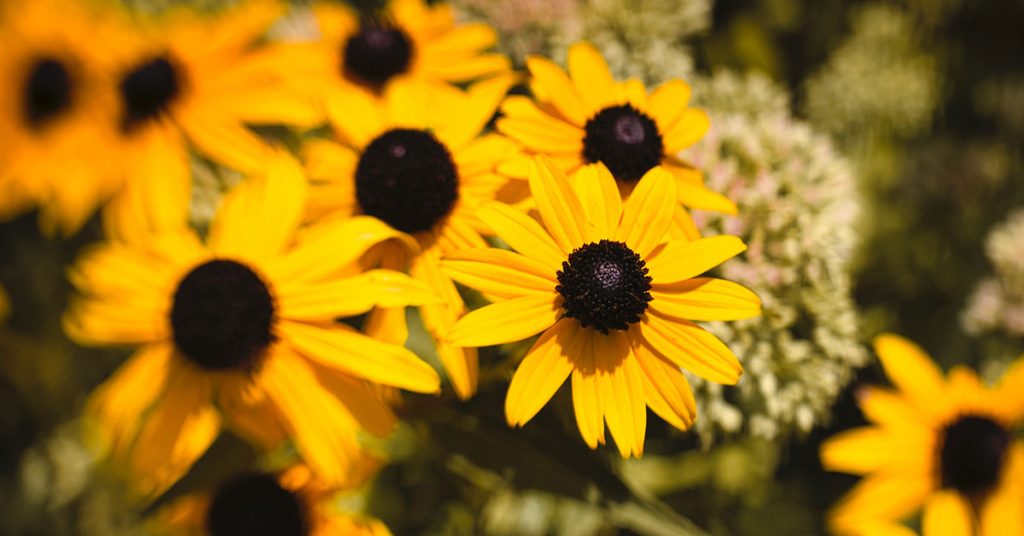
Black-Eyed Susan, native to North America, is a hardy perennial that brings a burst of cheerful yellow to any garden. Its striking, daisy-like flowers with dark centers are perfectly suited for sun-drenched porches, where they flourish in full sunlight and minimal water. I love how Black-Eyed Susan not only adds a vibrant splash of color but also attracts a variety of pollinators, including bees and butterflies, which help keep the garden buzzing with life! Their robust growth habit ensures that they remain non-invasive in most garden settings, making them a reliable, low-maintenance choice.
Beyond their undeniable beauty, Black-Eyed Susans provide excellent habitat for small insects and ground-nesting bees. The open, welcoming structure of the flower creates natural nesting sites and foraging opportunities, contributing to a balanced ecosystem. These plants are perfect for adding natural charm to your porch while supporting biodiversity. Their easy care and long blooming period make them a true staple for any garden that craves both style and ecological function.
Rosemary

Rosemary, native to the Mediterranean, is a versatile, drought-tolerant herb that is perfect for sun-drenched porches. Its aromatic, needle-like leaves and striking blue flowers bring a touch of rustic elegance to any outdoor space. I’m always impressed by how rosemary’s robust, evergreen nature not only enhances the flavor of your culinary creations but also attracts beneficial pollinators like bees and butterflies. Its ability to thrive in full sun with minimal water makes it an ideal, low-maintenance addition that never fails to add charm and character to your porch!
In addition to its aromatic and culinary benefits, rosemary plays an important role in supporting soil health. Its deep, fibrous roots help improve soil structure and moisture retention, which benefits all the plants growing nearby. Native to sun-drenched Mediterranean climates, rosemary remains non-invasive and robust in managed gardens. Its timeless appeal and versatility make it a perfect companion for other sun-loving plants, ensuring that your porch remains a vibrant, sustainable sanctuary all year long!
Society Garlic (Tulbaghia violacea)
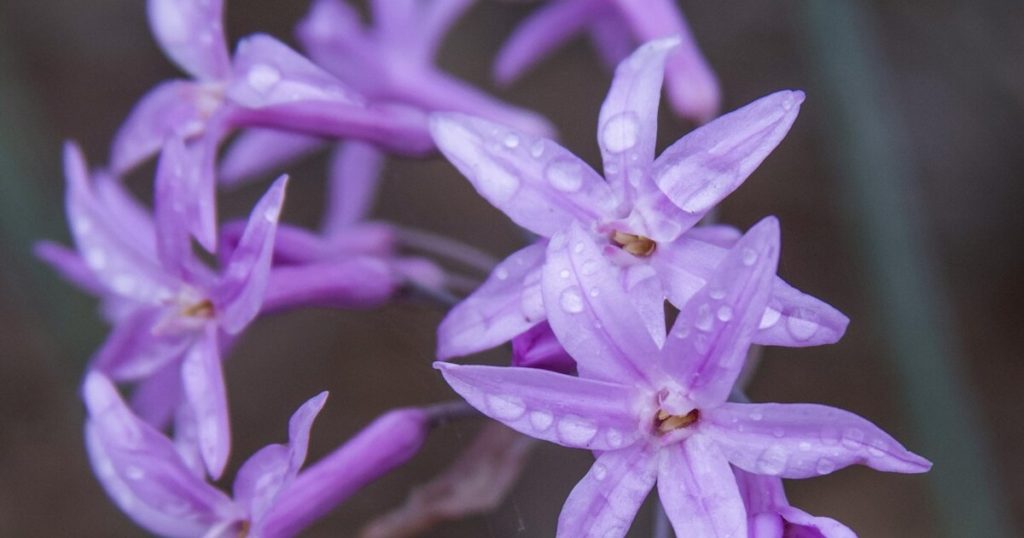
Society Garlic, native to South Africa, is an attractive and low-maintenance perennial that offers a subtle garlicky aroma—without the pungent intensity of true garlic. Its slender, grass-like leaves and clusters of star-shaped white to lilac flowers make it an excellent choice for sun-drenched porches. I love how Society Garlic effortlessly adds texture and fragrance to your outdoor space, while also attracting beneficial pollinators like bees and butterflies! Despite its vigorous growth in its native habitat, Society Garlic is non-invasive when cultivated in gardens, making it a charming, easy-to-manage companion plant.
In addition to its aesthetic and aromatic appeal, Society Garlic is incredibly versatile in the garden. Its soft, fibrous foliage forms a delicate, unobtrusive ground cover that pairs beautifully with other sun-loving plants. The plant’s natural resilience makes it ideal for warm, dry conditions, and its gentle scent can help deter certain pests. Growing Society Garlic on your porch not only elevates the overall design but also supports a thriving ecosystem where every plant contributes to natural harmony. It’s a subtle yet impactful choice that enhances both beauty and function.
Creeping Thyme

Creeping Thyme, native to the Mediterranean, is a perfect low-growing ground cover that thrives in full sun and exudes a delightful fragrance. Its tiny, aromatic leaves form a dense, carpet-like mat that not only adds visual interest but also attracts beneficial pollinators such as bees and butterflies. I’m always thrilled by how creeping thyme softens the look of a sun-drenched porch, offering both aesthetic appeal and practical benefits like weed suppression and moisture retention! Its non-invasive nature makes it a fantastic alternative to traditional grass, ensuring your porch remains a vibrant, sustainable space.
In addition, creeping thyme’s natural resilience and drought tolerance mean it requires minimal maintenance while continuing to flourish in harsh, sunny conditions. Its delicate blooms provide a gentle burst of color and serve as a haven for tiny beneficial insects that contribute to a balanced microhabitat. Whether used along walkways or as a border between planters, creeping thyme creates a charming, living mosaic that captures the essence of a Mediterranean garden. It’s a delightful, eco-friendly option for anyone looking to elevate their outdoor space with natural elegance!
Verbena
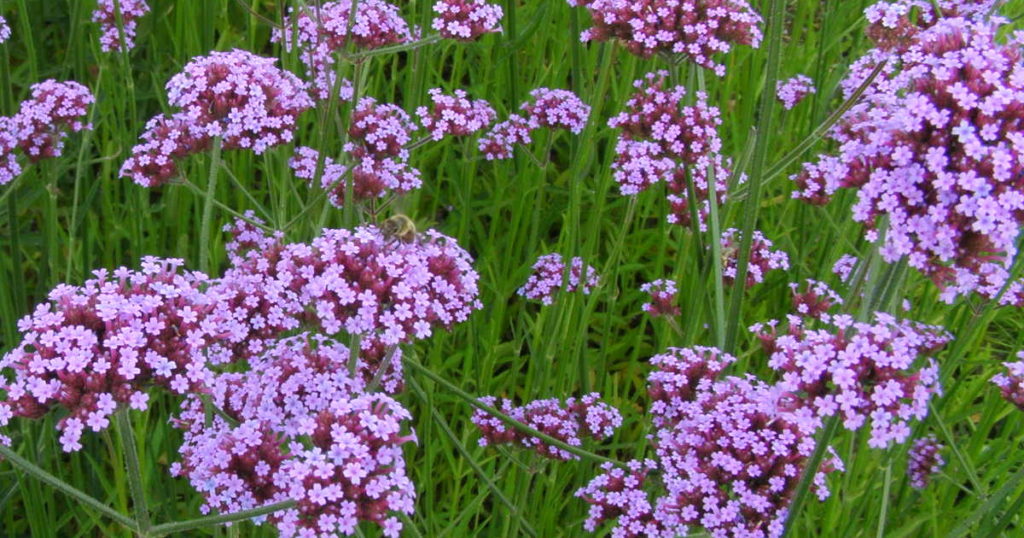
Verbena, native to South America, is a sun-loving annual that produces clusters of vibrant purple and pink flowers perfect for brightening up your porch. Its sprawling, low-growing habit makes it ideal for filling in gaps and adding a burst of color to sunny outdoor spaces. I love how Verbena not only brings a dynamic visual appeal but also attracts a variety of pollinators like butterflies and bees, which help create a lively, natural microhabitat! Although Verbena can self-seed in the wild, cultivated varieties in a managed garden remain non-invasive and are easy to care for.
Beyond its colorful blossoms, Verbena contributes to the overall vibrancy of your garden by encouraging natural pest control. Its delicate flowers provide a nourishing food source for beneficial insects, fostering an ecosystem where every plant supports the next. This natural synergy enhances the beauty and productivity of your porch while reducing the need for chemical interventions. Verbena’s striking hues and effortless growth make it an ideal choice for anyone who wants to add a touch of tropical flair and sustainable charm to their outdoor space!
Coneflower (Echinacea)

Coneflower, native to North America, is a robust perennial that offers a stunning display of daisy-like blooms with a distinctive, spiky central cone. Its vibrant purple petals are a magnet for bees, butterflies, and other pollinators, making it an excellent addition to sun-drenched porches where natural beauty meets ecological function. I’m always inspired by coneflowers’ ability to create a lively, interconnected microhabitat, attracting beneficial insects that aid in natural pest control and soil enrichment. Although they can spread in the wild, coneflowers in a managed garden remain non-invasive and add a timeless elegance to any landscape.
In addition to their aesthetic appeal, coneflowers are renowned for their medicinal properties and nutritional benefits, making them a favorite among herbal enthusiasts. Their robust growth and deep root systems help improve soil structure and moisture retention, which benefits surrounding plants. Planting coneflowers on your porch not only brings a burst of color and resilience but also creates a nurturing environment for local wildlife. They’re a true symbol of natural endurance and a must-have for any garden that values both beauty and functionality!
Blanket Flower (Gaillardia)
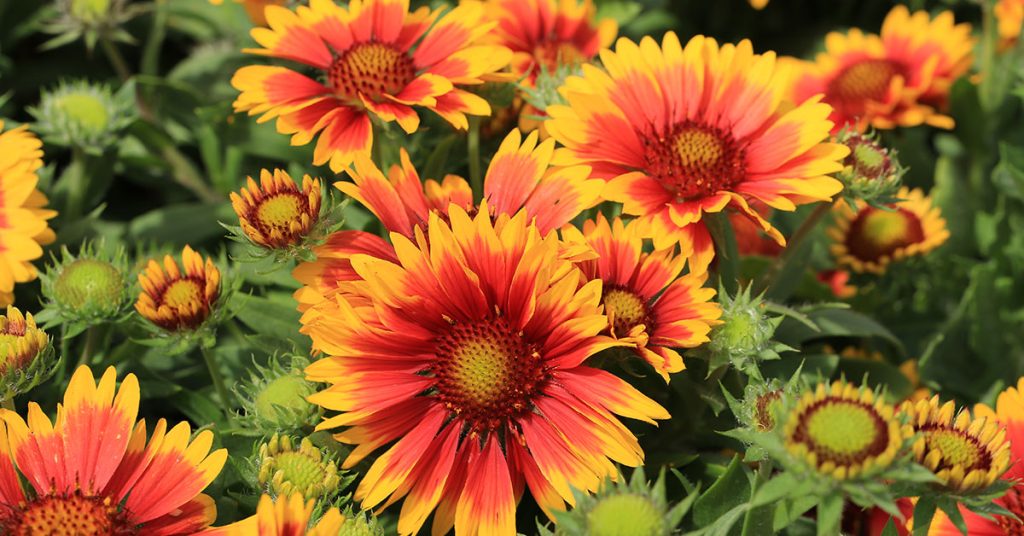
Blanket Flower, native to North America, is a dazzling annual known for its vivid red, orange, and yellow blooms that seem to capture the warmth of the sun. Its daisy-like appearance and rugged resilience make it a perfect choice for sun-drenched porches where it can thrive with minimal water. I’m always excited by how Blanket Flower adds an energetic burst of color to any outdoor space, while also attracting a myriad of pollinators like bees and butterflies. Its natural, non-invasive growth habit makes it ideal for sustainable gardening—adding beauty without overwhelming your space!
In addition to its striking visual impact, Blanket Flower enhances the garden’s ecological balance by supporting beneficial insects and enriching the soil with organic matter as it blooms and fades. Its natural tolerance for heat and drought makes it a reliable and low-maintenance option for those sun-drenched areas that others might struggle with. Growing Blanket Flower not only transforms your porch into a vibrant, lively retreat but also contributes to a diverse, resilient ecosystem. It’s a brilliant choice for gardeners seeking a splash of bold, natural color and ecological vitality!
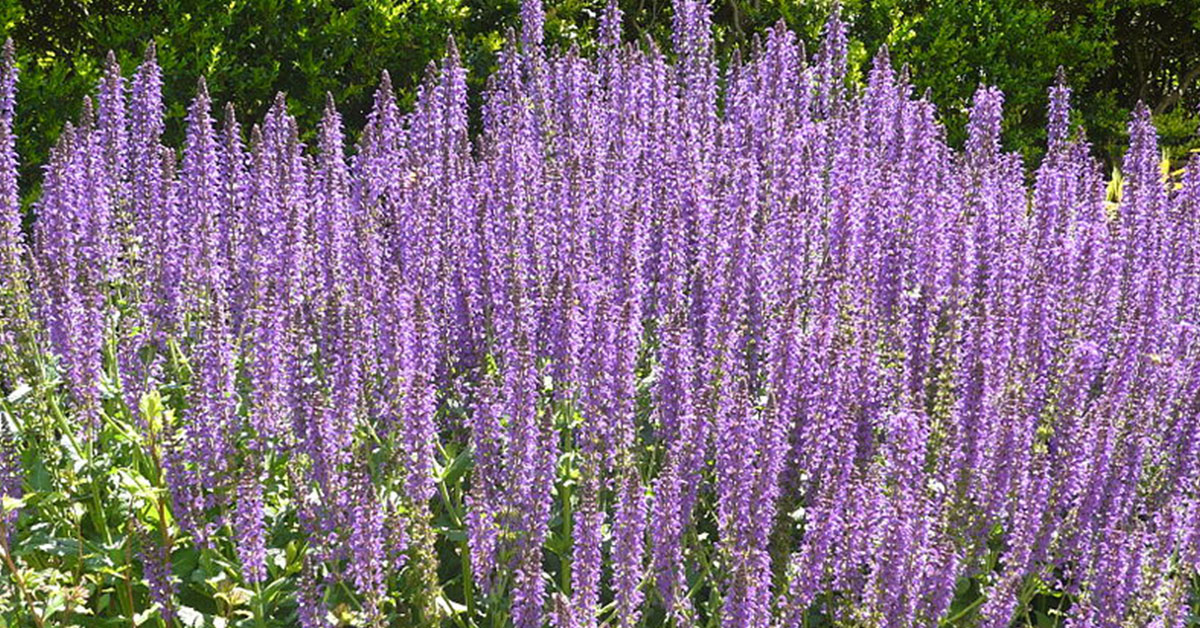
Salvia
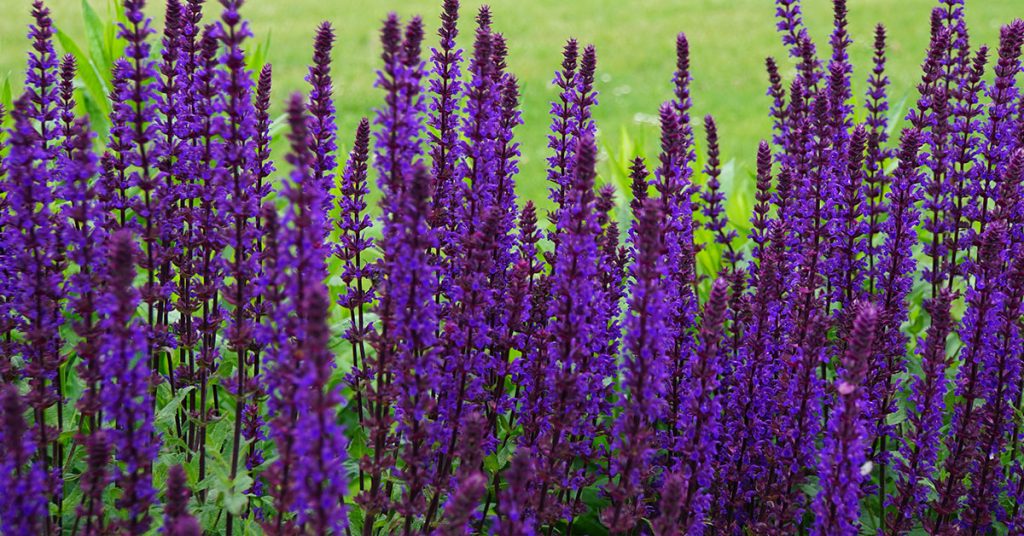
Salvia, with its myriad varieties, is a dynamic perennial native to Europe and Central America that thrives under the sun’s warm embrace. Its striking spikes of purple, red, or blue flowers add a dramatic, vertical accent to any porch, attracting an abundance of pollinators such as bees and hummingbirds. I love how salvia creates an elegant, eye-catching display that not only elevates your outdoor space but also contributes to natural pest control through the attraction of beneficial insects. Most salvia varieties are non-invasive, making them a dependable choice for sunny gardens that demand both beauty and resilience!
Beyond its visual appeal, salvia is celebrated for its medicinal properties and its ability to enhance soil health. Its deep root systems help stabilize the soil and improve moisture retention, creating a robust microhabitat for local wildlife. When planted alongside complementary species, salvia forms a dynamic ecosystem that supports natural pollination and nutrient cycling. Its long-lasting blooms and low-maintenance care make it an indispensable addition to any garden seeking year-round vibrancy and ecological harmony!