
After a long day of hustling between work, errands, and endless digital notifications, there’s something undeniably soothing about slipping into your garden and letting nature’s calm wash over you. As a gardener who’s spent more than one evening nursing a cup of homemade herbal tea and listening to the gentle rustle of leaves, I understand how crucial it is to cultivate plants that actively help reduce stress and promote relaxation. If you’ve ever felt that heart-sinking moment when aphids swarm your prized bloom or your herb bed turns into a jungle, you know how quickly the calming potential can vanish!
This guide will introduce you to eleven exceptional plants—ranging from fragrant shrubs to versatile herbs—that not only thrive in a variety of garden settings but also offer potent therapeutic properties. You’ll learn about their native origins, non-invasive growing habits, and the delightful ways they attract helpful wildlife, whether it’s bees sipping nectar or small birds seeking nesting shelter. By the end, you’ll be ready to design a tranquil garden sanctuary filled with living aromatherapy, gentle teas, and the serene hum of a balanced ecosystem.
Gardenia (Gardenia jasminoides)
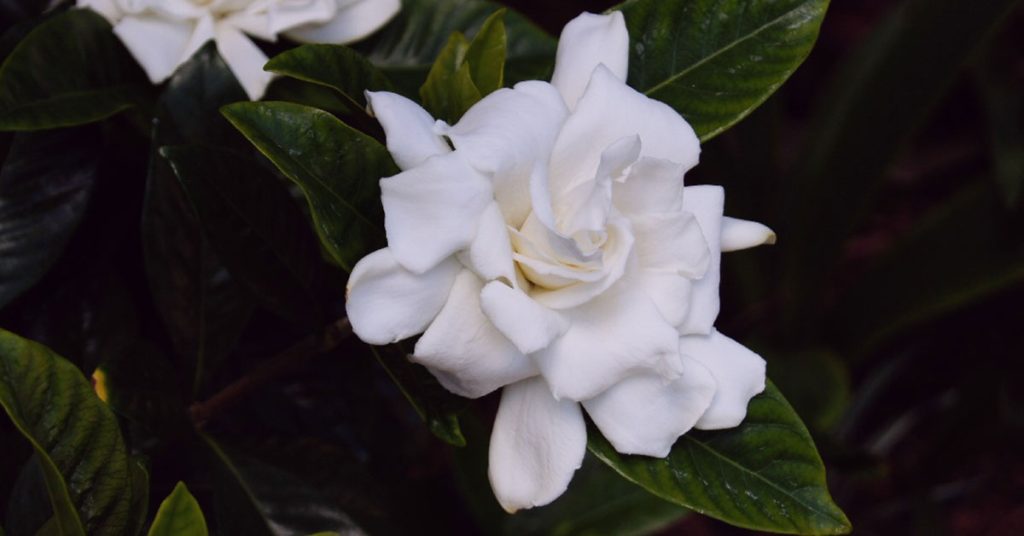
Gardenia is native to the tropical and subtropical regions of Africa, Asia, and Oceania. Renowned for its glossy evergreen leaves and large, creamy-white flowers, gardenias fill evening air with an intoxicating, jasmine-like fragrance that can melt away stress. In my own shade garden, I’ve watched these blooms unfurl each night, releasing their scent at dusk and inviting evening pollinators like hawk moths to visit.
Despite their tropical origins, gardenias adapt well to temperate climates when given well-drained, acidic soil and partial shade. They are not invasive, forming compact shrubs. Beneath their canopy, I often find ground-dwelling insects—like predatory beetles—taking refuge, helping to keep snail and slug populations in check without requiring chemical controls.
Holy Basil (Ocimum tenuiflorum)
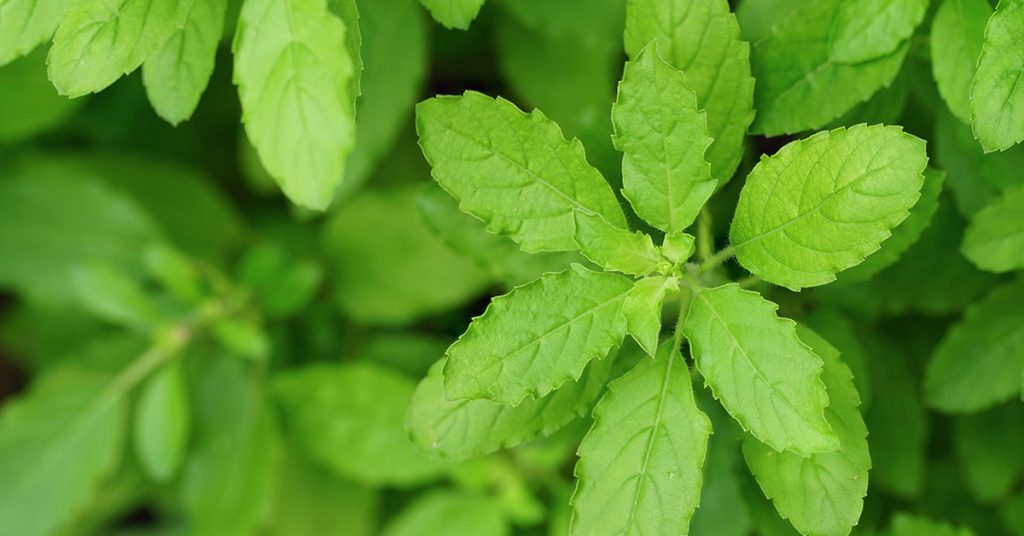
Holy basil, or Tulsi, hails from the lush riverbanks of India and has been revered in Ayurvedic traditions for millennia. Its spicy-sweet leaves are steeped into calming teas that balance cortisol levels and soothe the mind. In my herb patch, Tulsi grows as a scrambling subshrub with purple stems and pale lavender flowers, offering both beauty and stress relief.
This basil prefers full sun and well-drained soil, rarely spreading beyond its intended borders. Its delicate blooms attract a variety of small bees—especially solitary mason bees—that not only pollinate Tulsi but also neighboring flowers. The harmonious insect activity it fosters adds to the garden’s peaceful ambience and natural pest patrol.
Lemon Verbena (Aloysia citrodora)
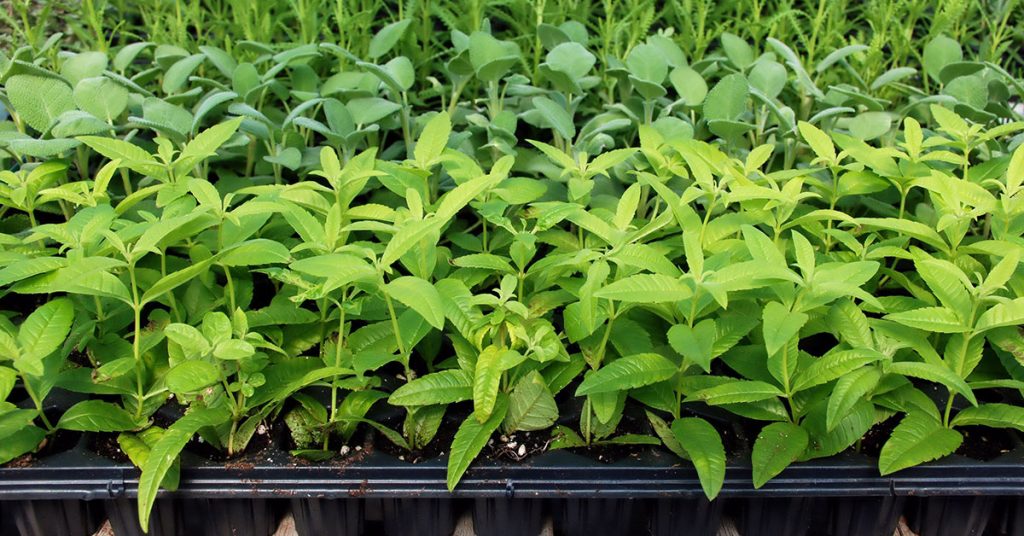
Lemon verbena, native to South America, is prized for its intensely lemon-scented foliage that brightens teas and enhances moods. I love snipping a few fresh leaves for a steaming mug of lemon verbena infusion—its citrus notes feel like an instant pick-me-up. In the garden, this tall, arching shrub reaches up to six feet, so I give it plenty of room to sway in the breeze.
Although tender in colder regions, lemon verbena thrives as a perennial in warm climates or as an annual elsewhere. It doesn’t self-seed aggressively, making it a well-behaved addition to herbaceous beds. Swarms of hoverflies and small butterflies often gather on its tiny lavender flowers, adding gentle movement and natural pest control to the relaxing setting.
Passionflower (Passiflora incarnate)

Passionflower, native to the southeastern United States, is a vigorous climber with intricate, fringed blooms in purple and white. Traditionally used as a natural remedy for anxiety and insomnia, its aerial roots and tendrils twist among trellises, creating a living screen of tranquility. I planted ‘Incense’ passionflower around my patio, and the nightly fragrance combined with gentle hummingbird visits has become a highlight of my evenings!
This vine can be somewhat robust but is not considered invasive when managed with regular pruning. Its blooms attract long-tongued pollinators like bumblebees and carpenter bees, which pollinate deep within the flower’s complex structure. Watching these insects works wonders in reminding me to slow down and observe life’s delicate rhythms.
Rose (Rosa spp.)

Roses have been symbols of beauty and serenity since ancient times, with origins stretching from Europe to Asia. Beyond their stunning blossoms, rose petals and hips are rich in vitamin C and calming aromatics that soothe frazzled nerves. In my garden, I favor shrub roses like ‘Gertrude Jekyll’ for their strong fragrance and disease resistance, ensuring I’m never disappointed by lackluster blooms.
When roses flower, they become magnets for bees—both honeybees and solitary mason bees—who collect both nectar and pollen. The dense thorny foliage also offers safe nesting sites for small birds like sparrows, adding cheerful bird song to your garden’s restful soundtrack. Cultivating roses thus supports multiple layers of wildlife while nourishing your senses!
Lavender (Lavandula angustifolia)
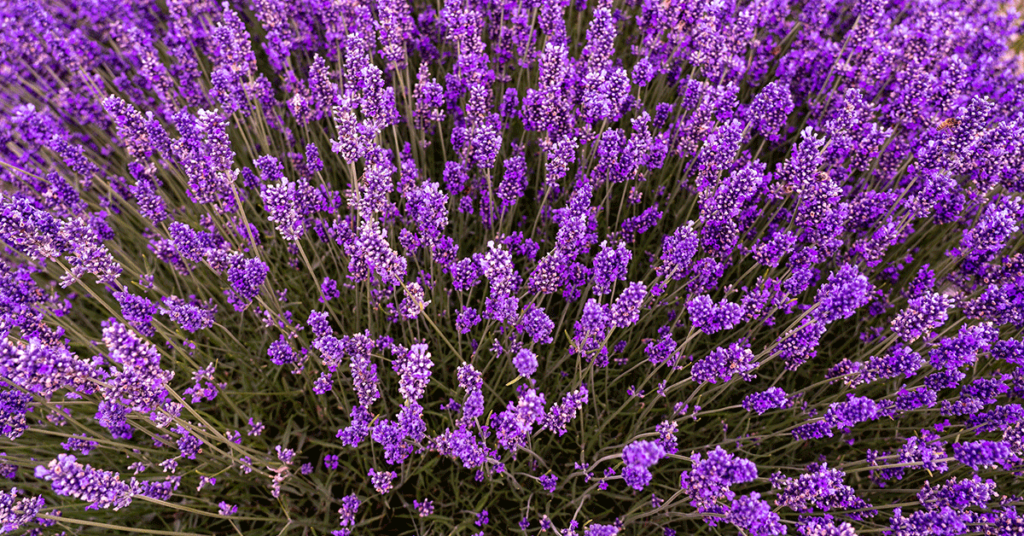
Lavender, native to the Mediterranean, is the quintessential relaxation plant. Its silvery foliage and fragrant purple spikes flourish in full sun and well-drained soil—conditions that mimic its native rocky hillsides. I’ve found that planting lavender along walkways not only creates a perfumed path but also confuses pests like whiteflies and aphids with its strong scent!
Bees, butterflies, and even hummingbirds frequent the nectar-rich flowers throughout summer, ensuring a buzz of calming activity. Lavender’s non-invasive growth habit and drought tolerance make it a reliable, low-maintenance choice for adding both structure and therapeutic aroma to your garden sanctuary.
Chamomile (Matricaria chamomilla)
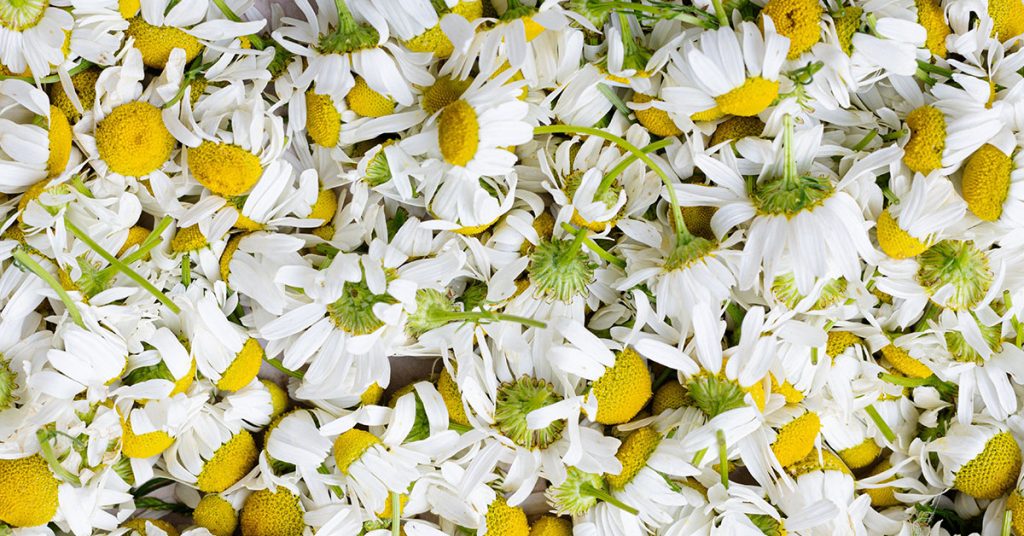
German chamomile, originally from Europe and Western Asia, forms delicate, daisy-like flowers that calm frazzled nerves when brewed as tea. In container or border plantings, chamomile self-sows sparingly and remains well-behaved, rarely overtaking your beds. I adore waking up to a fresh cup of chamomile tea made from blooms picked in the morning dew—it’s a gentle start that eases me into the day.
Chamomile’s small blooms attract hoverflies, whose larvae devour aphids, and native solitary bees that nest in bare soil patches. This gentle insect activity enhances garden health and offers a subtle reminder of how interconnected our stress-relief plants are with the broader ecosystem.
Jasmine (Jasminum officinale)

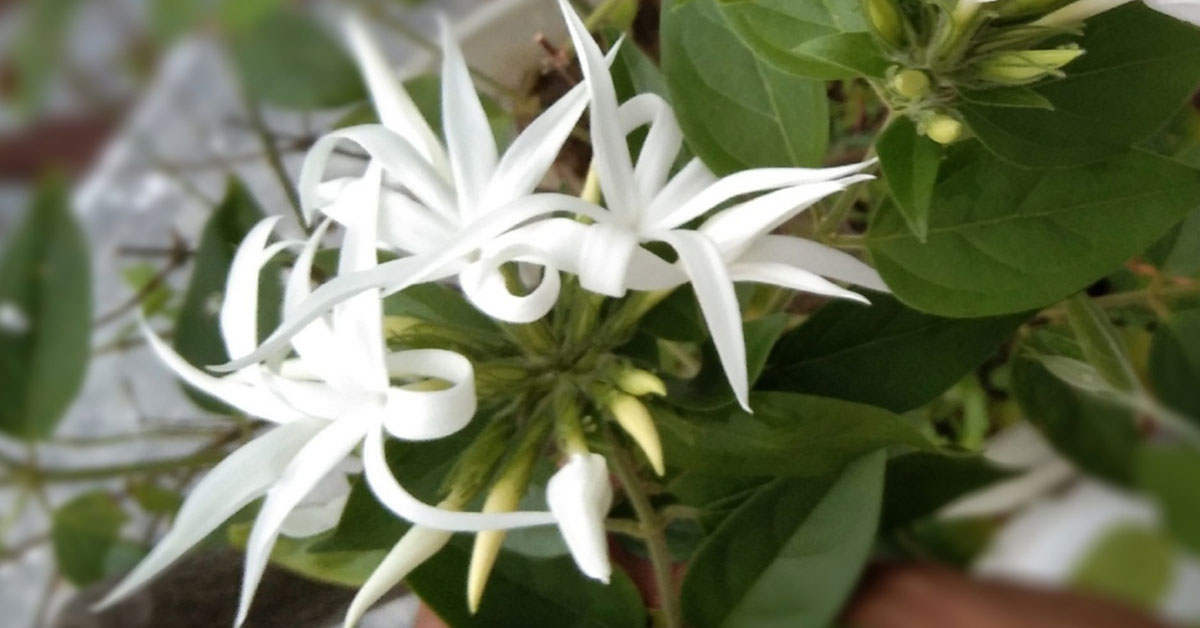
Common jasmine, native to the Himalayan foothills of India and Pakistan, captivates with clusters of pure white, intensely fragrant flowers. Training jasmine vines along arbors or trellises yields an evening fragrance that feels almost intoxicating. I’ve lost track of how many times I’ve paused mid-weed to breathe in deeply and let that scent melt my worries away!
Jasmine’s non-invasive habit and preference for full sun to partial shade make it adaptable in many gardens. As blooms open in twilight hours, night-flying moths visit in search of nectar, weaving a delicate aerial ballet that adds magic to dusk. This combination of scent and wildlife presence makes jasmine a cornerstone of any relaxation-focused garden!
Valerian (Valeriana officinalis)
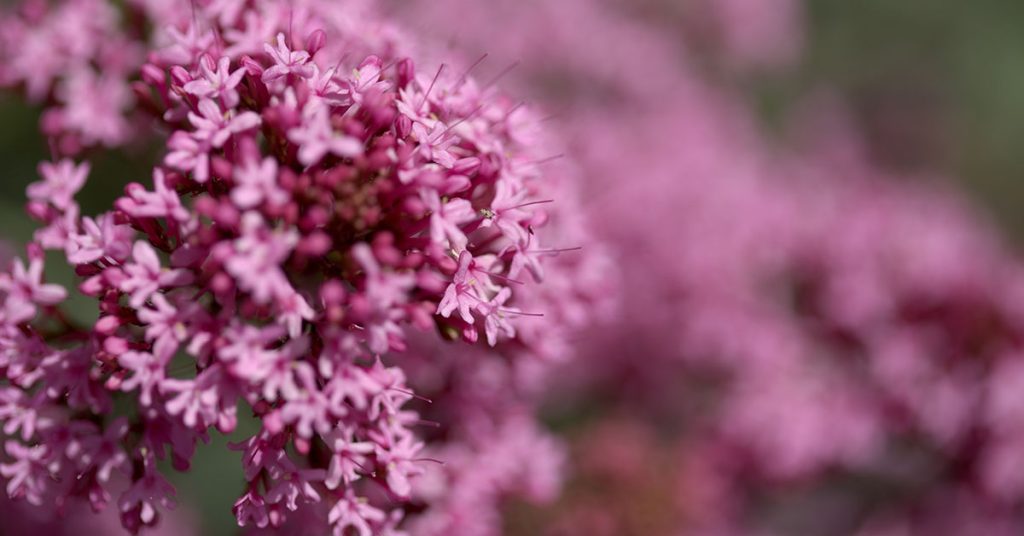
Valerian, native to Europe and parts of Asia, produces clusters of petite white or pink flowers that release a sweet, woodsy scent. Traditionally used as a natural sleep aid, its roots are steeped into tinctures that promote calm. In my partially shaded border, valerian reaches four to six feet, standing tall without becoming invasive if deadheaded before seeding.
The nectar-rich blooms draw hoverflies and butterflies alike, and the sturdy stems provide perching spots for small songbirds. With its calming aroma and gentle pollinator choreography, valerian adds both height and therapeutic value to a stress-relief garden palette!
Lemon Balm (Melissa officinalis)
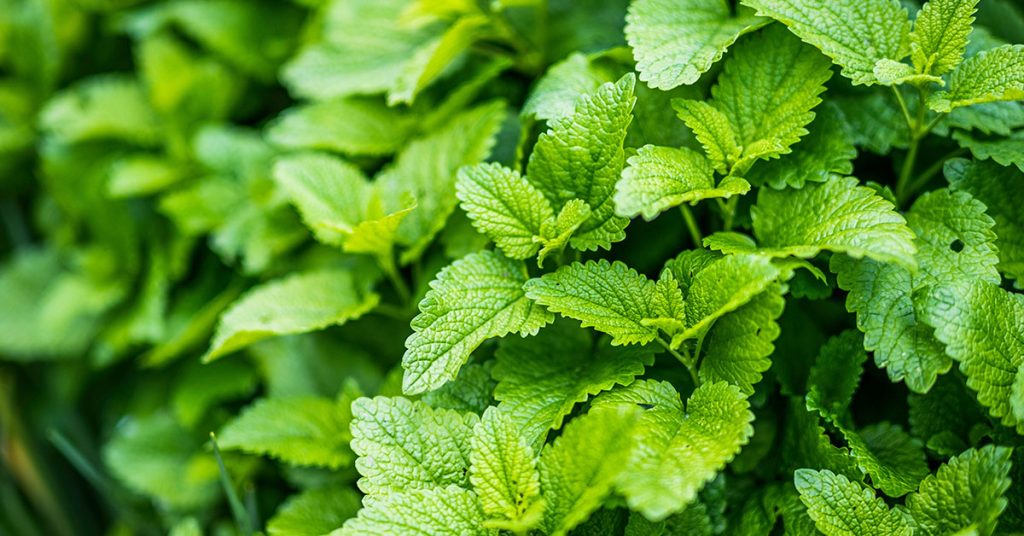
Lemon balm, a native of Europe and Central Asia, offers a bright citrus fragrance that uplifts mood and reduces anxiety. Its heart-shaped leaves grow vigorously in sun to part shade, and I’ve learned to contain it in raised beds to prevent it from spreading—though it’s far more manageable than its citrus-scented mint cousins!
In bloom, tiny white flowers attract bees and predatory insects like lacewings, which help ward off aphids. Harvested leaves make a refreshing tea that soothes frayed nerves, and the plant’s gentle growth habit makes it a reliable companion in both formal and cottage gardens.
Scented Geranium (Pelargonium graveolens)
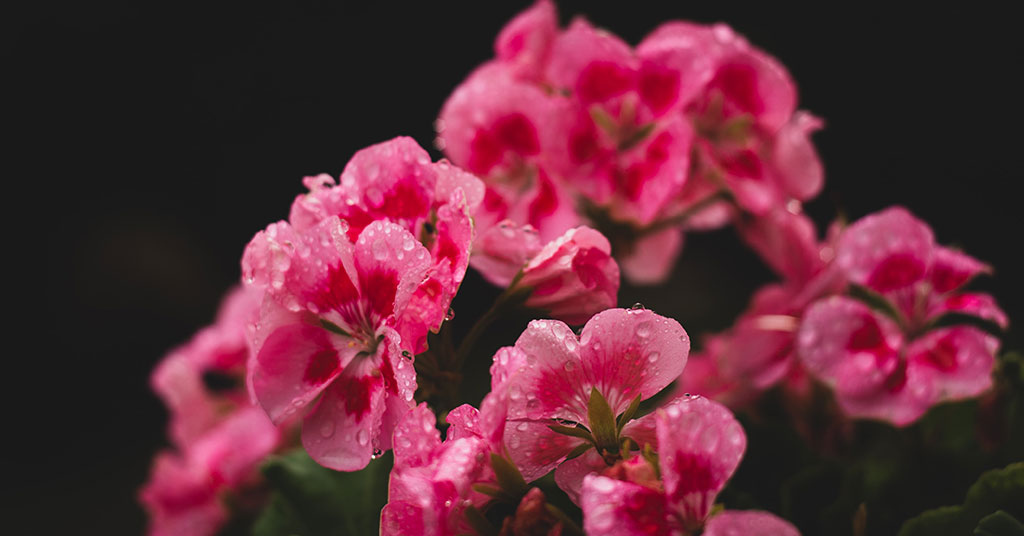
Scented geraniums, originally from South Africa, bridge the world between herbs and ornamentals. Their velvety leaves exude rose, lemon, or mint fragrances when brushed or crushed, offering instant aromatherapy. I love tucking them into patio containers where I can crush a leaf and release its calming scent before a yoga session!
These perennials survive mild winters and perform well in bright, indirect light indoors. Their airy flower spikes attract small bees and beneficial hoverflies, while the pungent foliage deters deer, rabbits, and unwanted pests. Scented geraniums thus serve dual roles: a natural bug repellant and a garden perfume that calms the mind!