

Let’s face it—some of us are just heavy-handed with the watering can. Whether it’s a humid climate, a forgetful moment, or just a deeply rooted fear of letting plants dry out, overwatering happens. And unfortunately, for many plants, it’s a fast track to root rot and heartache. But there are some green beauties that don’t just tolerate wet conditions—they actually prefer them! If you’ve been struggling to keep typical drought-lovers happy, switching to water-loving plants might be the perfect solution.
I know how frustrating it is to watch leaves turn yellow or soggy soil turn to muck, especially after you’ve been lovingly caring for your plants. That’s why I’ve gathered a list of eleven plant allies that thrive in moist conditions. Some are houseplants, others are garden-friendly, and all are forgiving when it comes to a little too much hydration. Whether you’re dealing with poor drainage, a rainy region, or you just can’t stop watering, these plants will soak it all up and still show off with lush foliage and blooms.
Elephant Ear (Colocasia esculenta)

If you’ve got a low-lying, soggy garden bed or love dramatic foliage in containers, elephant ears are a perfect fit. Their giant heart-shaped leaves drink in moisture and create a lush, tropical atmosphere. These plants actually thrive in very wet soil and can even grow in shallow water! I love planting them near rain chains or the edge of a garden pond.
Native to Southeast Asia and India, elephant ear is not typically considered invasive in most zones, but it can spread aggressively in warm, wet climates. It’s a favorite nesting spot for toads and frogs, and the large leaves can provide some shade and cover for small birds or insects. Just be sure to give them room—they’ll grow big and bold if they’re happy!
Peace Lily (Spathiphyllum spp.)
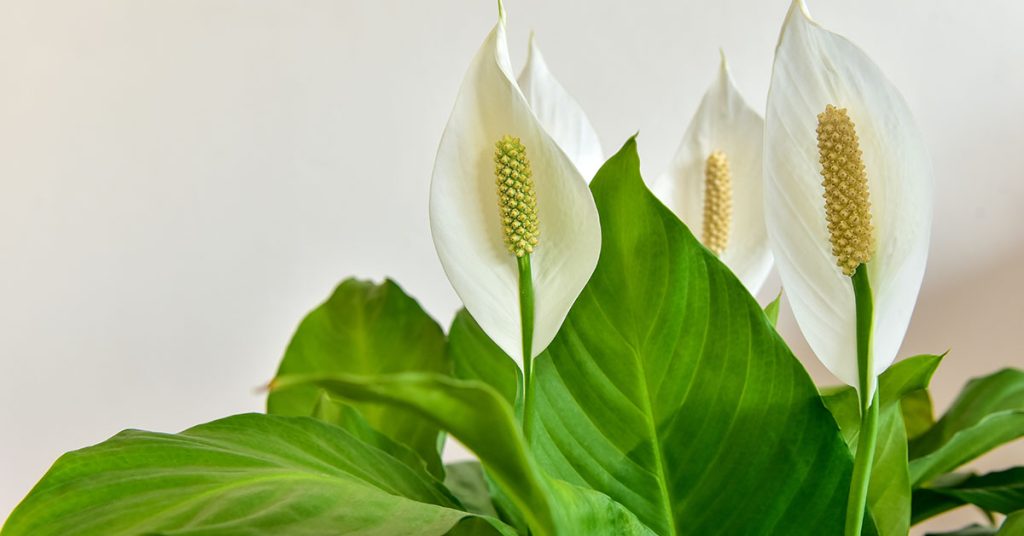
Peace lilies are beloved as houseplants, but they also make excellent candidates for overly moist corners. These plants genuinely appreciate damp soil and will droop dramatically to let you know when they don’t have enough water. In a consistently moist spot, they’ll stay upright, lush, and ready to bloom with elegant white spathes.
Native to Central and South America, peace lilies are not invasive and are commonly grown indoors around the world. They aren’t particularly attractive to pollinators, but their glossy leaves and air-purifying qualities make them valuable companions in damp indoor spaces like bathrooms or kitchens. Just keep them out of reach of curious pets, as they can be mildly toxic.
Canna Lily (Canna indica)
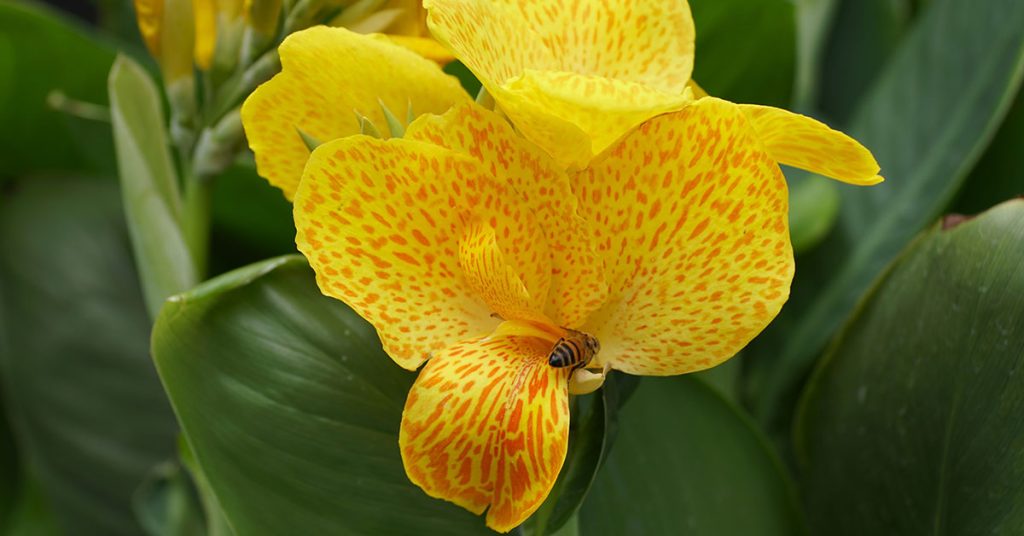
Cannas are one of my favorite go-to plants when I need color, drama, and a high tolerance for wet soil. These bold tropicals grow from rhizomes and love consistently moist conditions. In fact, they’re often used in water gardens and rain catchment areas. Their large, banana-like leaves and flame-colored blooms create a truly exotic vibe.
Native to tropical and subtropical Americas, cannas are not typically invasive but can naturalize in very wet climates. They attract hummingbirds and butterflies with their vibrant blooms and offer excellent vertical structure in garden beds. Just be prepared to divide them every few years if they get too enthusiastic!
Fiber Optic Grass (Isolepis cernua)
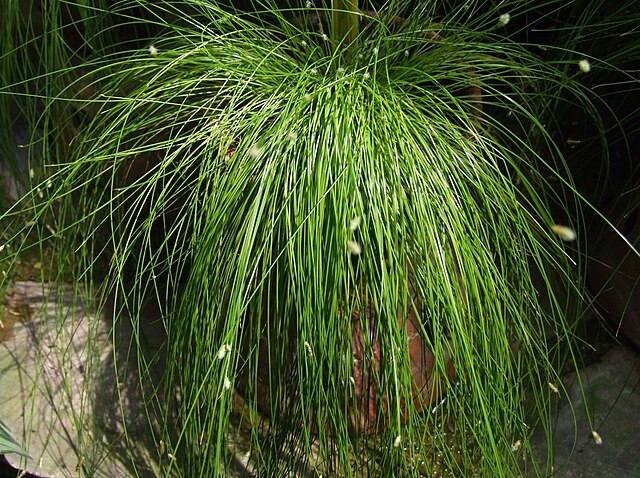
This whimsical, grassy plant looks like a miniature fiber optic lamp—hence the name! It loves boggy, soggy soil and can even handle being partially submerged in water. It’s perfect for container water gardens, the edge of ponds, or as a groundcover in perpetually wet spots that most grasses can’t handle.
Native to Eurasia and North Africa, fiber optic grass is not considered invasive and generally stays small and manageable. It doesn’t offer much in the way of pollinator support, but it provides great nesting material and cover for amphibians and small critters. I love using it as a playful accent in wet spots where most plants just flop.
Japanese Iris (Iris ensata)
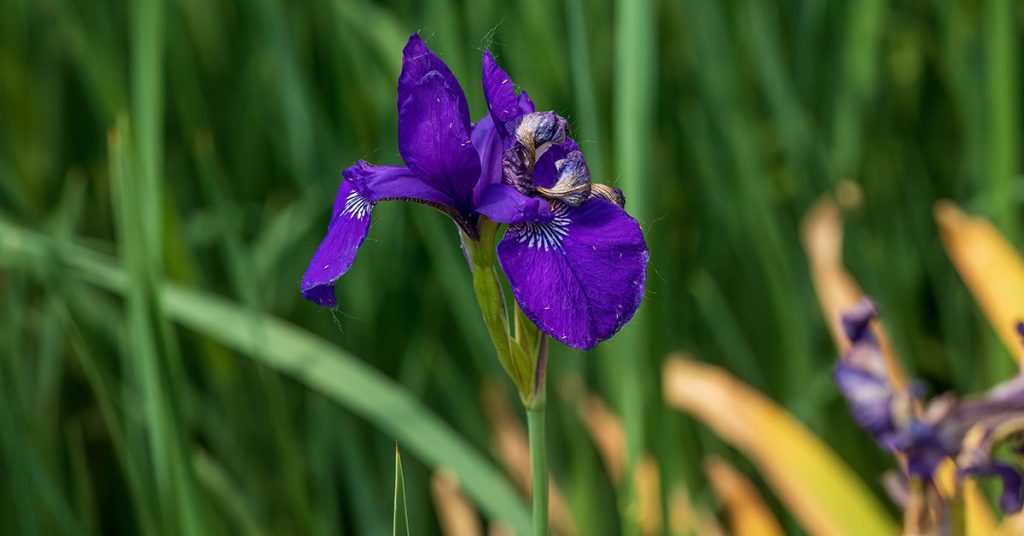
Japanese irises are made for wet soil, and they bloom like absolute royalty in early to midsummer. With their large, flattened blooms and graceful sword-like foliage, they bring an elegant, refined look to rain gardens and boggy borders. They do not like to dry out—so if you’ve struggled to keep irises alive in the past, try this variety where it’s constantly damp!
Native to Japan and surrounding regions, Iris ensata is not invasive and is often planted along the margins of ponds and slow-moving streams. Their flowers attract bees and butterflies, and their foliage provides shelter for frogs and toads. It’s one of the best ways to bring height and color to wet areas without fuss.
Marsh Marigold (Caltha palustris)
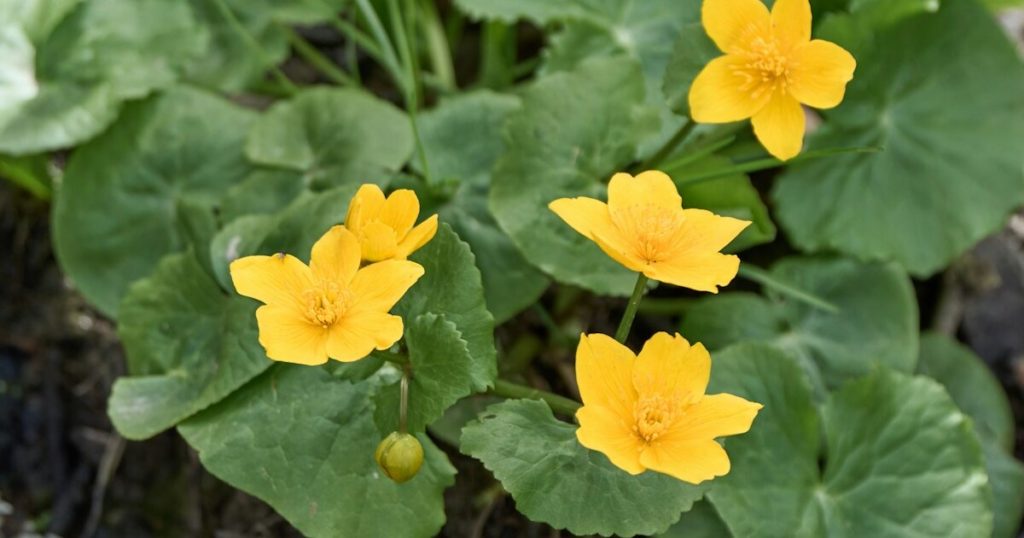
Marsh marigold is a sunny little perennial that thrives in boggy or marshy conditions. Its golden, buttercup-like blooms show up in early spring and offer one of the first sources of nectar for pollinators. I like planting it around the edges of garden ponds where it gets plenty of moisture without sitting fully underwater.
Native to temperate regions of the Northern Hemisphere, including much of North America and Europe, marsh marigold is not typically invasive and is a welcome addition to native plant gardens. It supports early pollinators like hoverflies and native bees and spreads slowly by clumping. Be mindful though—it prefers cooler climates and may struggle in extreme summer heat.
Swedish Ivy (Plectranthus verticillatus)

Despite the name, Swedish ivy isn’t really an ivy—but it does have a trailing, cascading growth habit that looks beautiful in hanging baskets. It loves consistently moist soil and will let you know it’s unhappy by dropping leaves if it dries out. In a damp, shady spot, though, it thrives and puts out tiny lavender blooms that pollinators enjoy.
Native to southern Africa, Swedish ivy is not considered invasive in most temperate zones and behaves well indoors or in contained porch planters. It’s not a magnet for insects but adds beauty and spill to mixed containers and hanging pots, especially when other houseplants are drying out too quickly for your watering style.
Ligularia (Ligularia dentata)
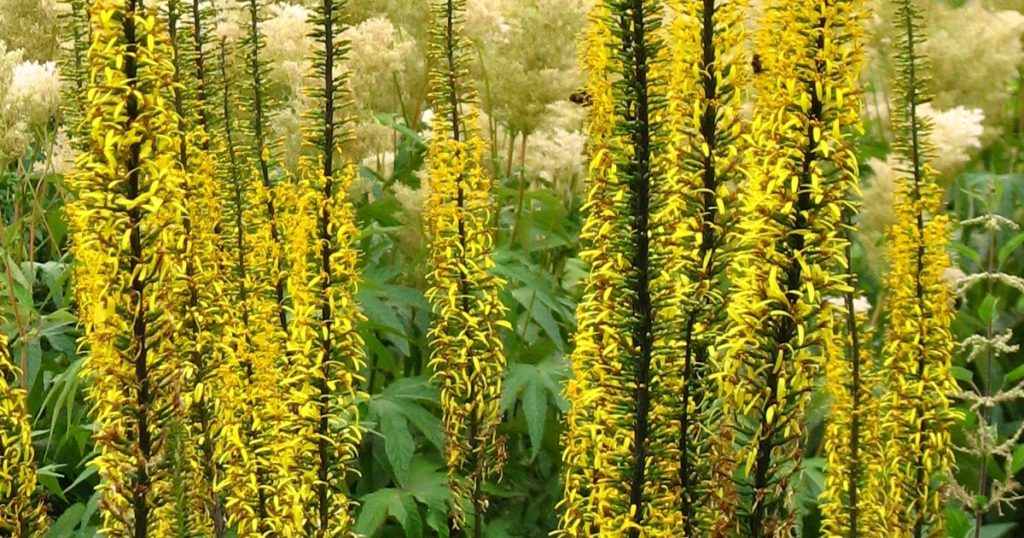
Ligularia is one of those plants that seems custom-built for wet shade. With bold, serrated leaves—sometimes heart-shaped!—and tall spires of yellow flowers, it brings color and texture to spaces where not much else wants to grow. It absolutely hates dry soil and will wilt dramatically if it doesn’t get enough water.
Native to East Asia, ligularia is not invasive and is typically used in moist woodland gardens. It attracts bees and butterflies when in bloom and can help fill out shady rain garden spaces with thick, textured foliage. I especially love pairing it with ferns and astilbes to create a lush, moisture-loving underplanting.
Taro (Colocasia esculenta)
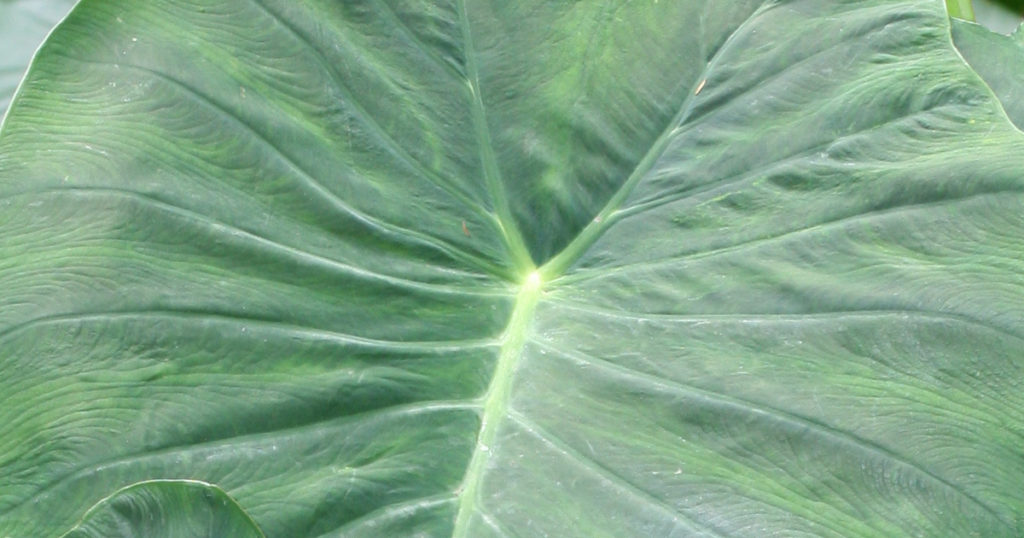
Taro is another elephant ear relative, and it thrives with its feet wet. In tropical regions, it’s even grown as a semi-aquatic crop! With bold, rounded leaves and tall stems, it makes a stunning architectural addition to water gardens or porch containers you tend to overwater. It doesn’t mind constant dampness and even standing water.
Native to Southeast Asia and India, taro is not invasive in containers but can spread if planted in natural wetlands in warm zones. It’s grown for both ornamental and edible uses—though preparation of the edible variety must be done carefully due to natural compounds that can irritate the skin. In the garden, it offers cooling shade and shelter for wildlife under its broad canopy.
Spiderwort (Tradescantia ohiensis)
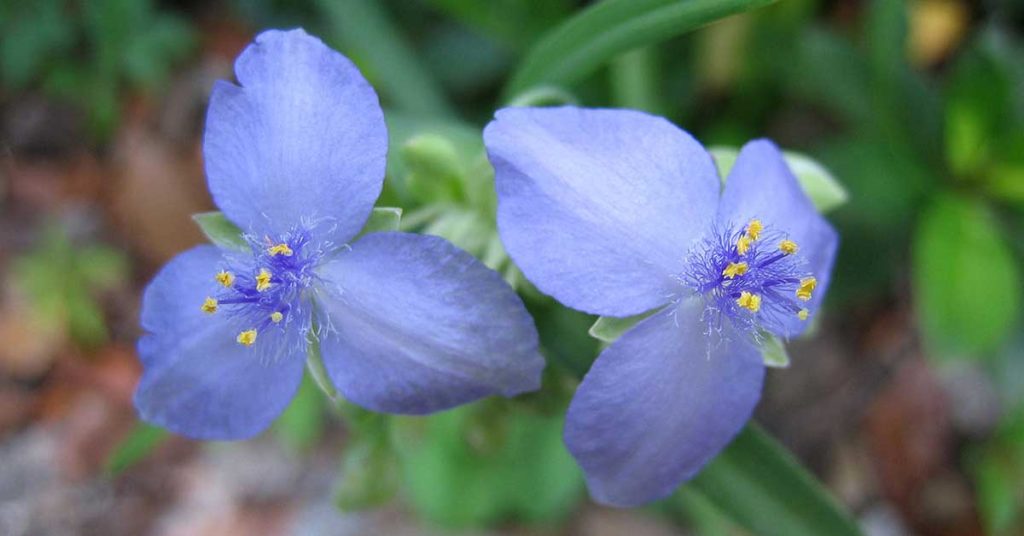
Spiderwort has slender grass-like leaves and three-petaled flowers that open each morning in shades of blue, purple, or pink. It’s a magnet for bees and thrives in wet meadows or damp garden beds. I find it works beautifully in rain gardens where its resilience and adaptability truly shine.
Native to North America, spiderwort is not considered invasive and is often included in native planting mixes for its pollinator support. It spreads slowly by clumping and reseeds lightly. While each flower only lasts a day, the plant produces bloom after bloom for weeks, providing a steady buffet for visiting insects.