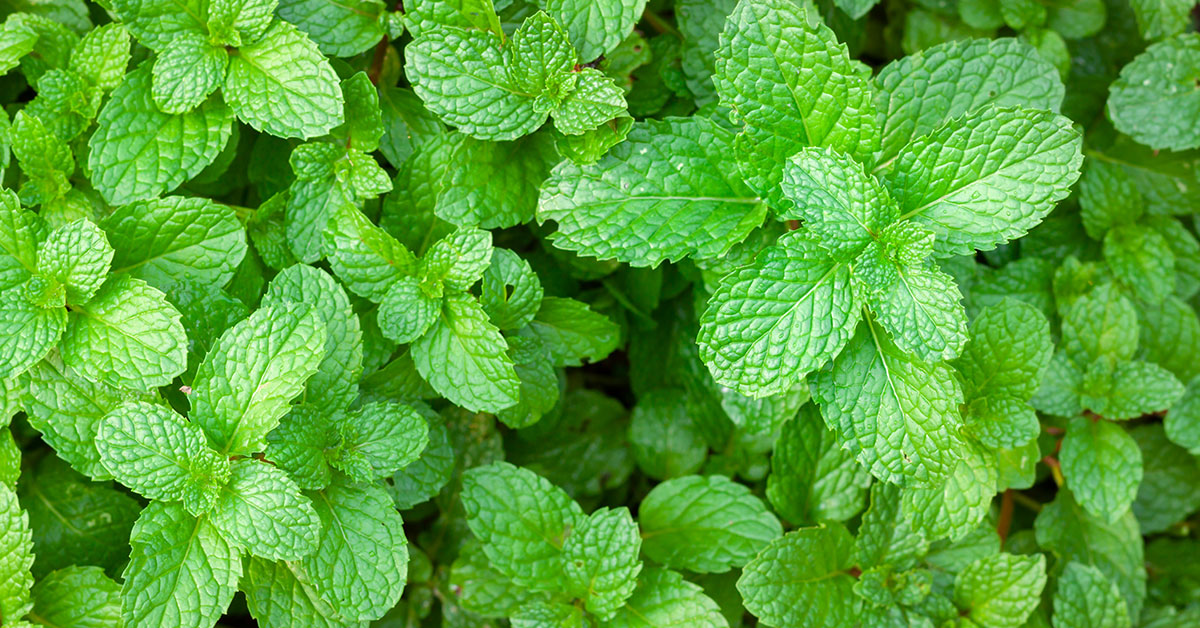

Creating a vibrant garden where perennial herbs grow alongside your vegetables has been one of my most rewarding gardening adventures! I understand how disheartening it can be when your carefully nurtured vegetable patch lacks that extra burst of aroma and natural pest control, but adding perennial herbs transforms your garden into a thriving, multi-functional ecosystem. Over the years, I’ve experimented with numerous herb varieties and discovered that each one brings its own unique charm—from historical roots in distant lands to behaviors that attract beneficial insects and even create cozy spots for tiny critters to “nest.” It’s a joy to watch nature’s teamwork unfold right before your eyes!
When pests threaten to upset the balance in your vegetable garden, these perennial herbs not only enhance flavors but also serve as natural allies that bolster your plants’ health. Every herb tells a story of resilience, tradition, and beauty. I’m thrilled to share with you 11 of my favorite perennial herbs that are perfect companions for your vegetables—each one offering unique benefits, native heritage insights, and an occasional burst of vibrant character to your garden’s landscape!
Mint
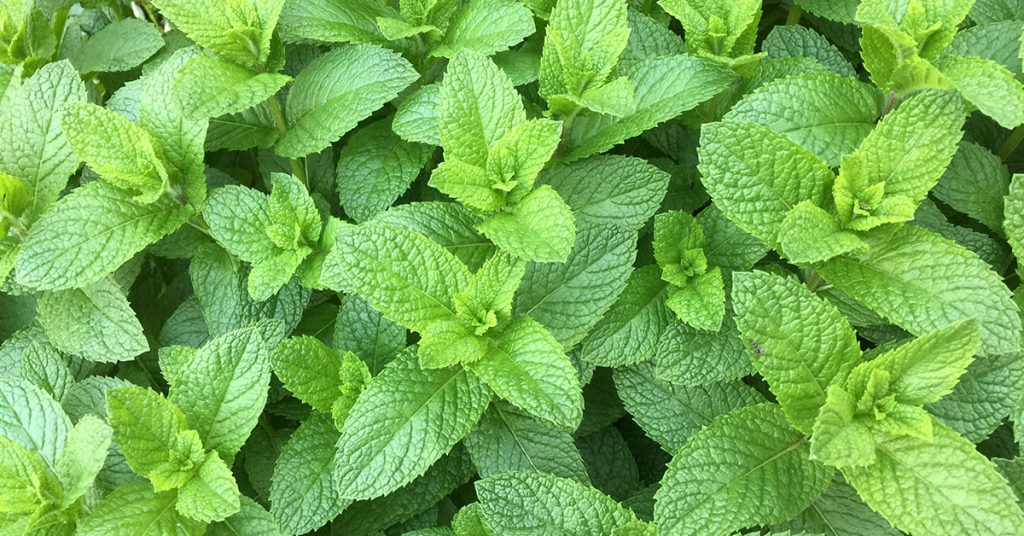
Mint is an aromatic dynamo that infuses your garden with a refreshing scent while warding off unwanted pests. Native to Europe and Asia, mint is a perennial herb known for its vigorous growth and culinary versatility. In my garden, mint’s sprawling habit creates a natural barrier against insects, yet its invasive nature means I always grow it in containers to keep its exuberance in check. Its lively aroma not only enhances dishes but also entices beneficial insects, making it a true multi-tasker in any vegetable patch!
I find it fascinating how mint attracts a flurry of pollinators and even small critters that sometimes “nest” in the denser parts of its foliage. Although it can be a bit overenthusiastic in spreading, proper management ensures that its benefits—like natural pest deterrence and flavor enhancement—shine through. For gardeners who appreciate a burst of freshness and dynamic energy, mint is an indispensable perennial herb that adds both utility and delight to your vegetable garden!
Rosemary

Rosemary is a robust and fragrant herb that pairs beautifully with a variety of vegetables while adding a touch of Mediterranean charm. Native to the sunny regions of the Mediterranean, rosemary is renowned for its woody stems and needle-like leaves that emit a pine-like aroma. In my garden, rosemary stands tall as a non-invasive perennial that attracts bees and other beneficial insects—these little helpers sometimes even “nest” in the plant’s dense, evergreen structure, creating a natural haven that enhances pollination and natural pest control.
What excites me most about rosemary is its resilience and the way it transforms the garden into a sensory delight. Whether you’re using its leaves to spice up your dishes or simply enjoying its aromatic presence, rosemary acts as a steadfast guardian for your vegetables. With regular pruning and a little love, it remains a reliable and stunning addition to any vegetable patch, contributing both beauty and practical benefits to your outdoor oasis!
Lovage
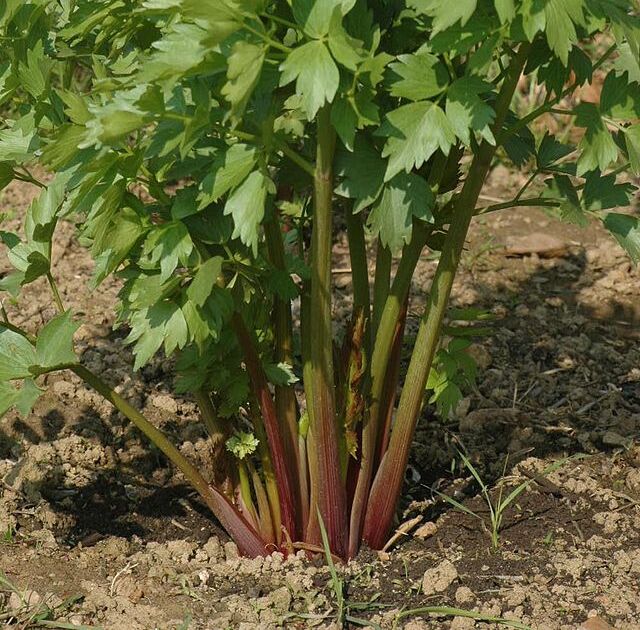
Lovage is a towering, aromatic herb that offers a unique flavor reminiscent of celery and can be an unexpected star in your vegetable garden. Native to the Mediterranean region and parts of Europe, lovage is a perennial herb with a robust growth habit and deeply textured foliage that provides excellent shade and shelter for small insects and beneficial pollinators. In my garden, lovage is prized not only for its culinary uses but also for its ability to enhance soil health by attracting a diverse array of tiny critters that often “nest” in its lush, green leaves.
I’m continually impressed by lovage’s versatility—it can be used in soups, stews, and salads while also acting as a natural companion that supports nearby vegetables. Its historical roots and non-invasive nature make it a dependable addition to any garden, and its towering presence adds a delightful vertical element to the landscape. For gardeners seeking both flavor and function, lovage is a superb perennial herb that bridges the gap between culinary tradition and sustainable gardening practices!
Thyme
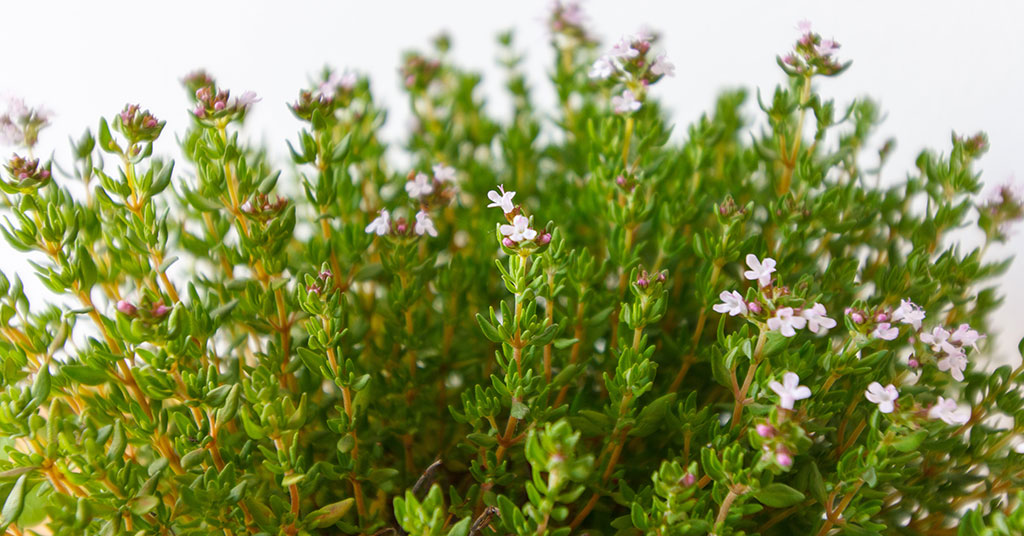
Thyme is a small but mighty herb that packs a punch of flavor and has an uncanny ability to attract beneficial insects. Native to the Mediterranean, thyme is celebrated for its tiny, aromatic leaves and delicate, purplish blooms that seem to create a living carpet in your vegetable garden. In my experience, thyme is non-invasive and forms a low-growing mat that not only suppresses weeds but also invites bees and other pollinators to “nest” among its blossoms. Its compact habit makes it a perfect companion for vegetables, adding both fragrance and natural pest control benefits!
I find that thyme’s versatility extends far beyond its culinary applications. Its subtle, persistent aroma creates an inviting atmosphere that enhances the overall sensory experience of the garden. Regularly trimming thyme encourages new growth and prolongs its blooming period, ensuring that your vegetable patch remains accompanied by a steady buzz of beneficial activity. For anyone looking to enrich their garden with a herb that’s as practical as it is beautiful, thyme is an absolute must-have!
Oregano
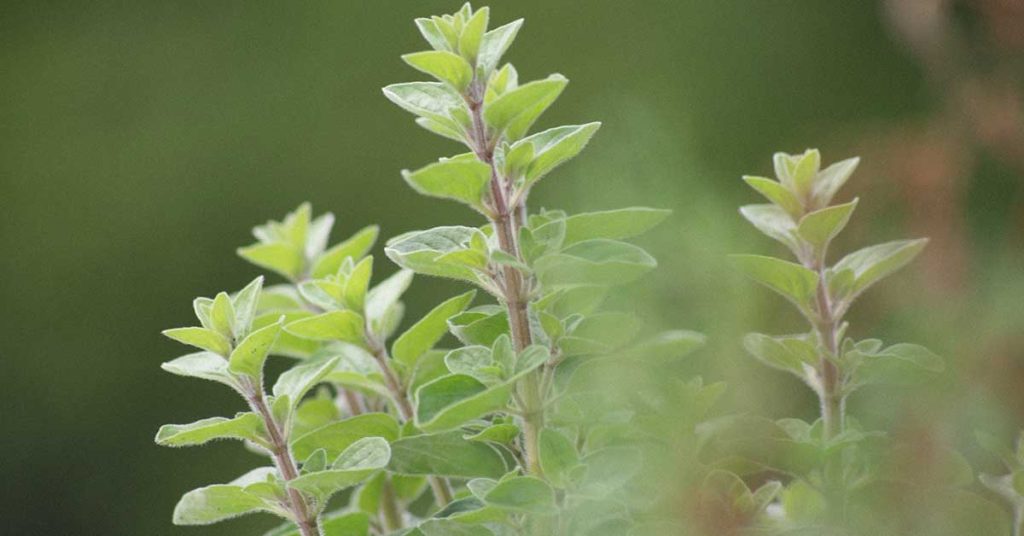
Oregano is a hardy, robust herb that brings a burst of Mediterranean spirit to your vegetable garden while naturally enhancing the flavors of nearby plants. Native to Southern Europe, oregano is celebrated for its aromatic leaves and its non-invasive yet spreading habit that creates a natural cushion beneath taller vegetables. In my garden, oregano’s dense clusters not only elevate the culinary potential of my dishes but also attract a multitude of beneficial insects, which sometimes “nest” in its foliage and help keep harmful pests at bay.
I appreciate oregano for its resilience and its ability to thrive even in challenging conditions. Its vibrant green leaves and occasional clusters of tiny flowers create a dynamic visual and functional element that perfectly complements vegetable gardens. By providing a protective ground cover and enhancing the soil’s microbial activity, oregano proves that nature’s most enduring recipes often come from the simplest ingredients. It’s a testament to the power of companion planting and the enduring allure of traditional gardening wisdom!
Lavender

Lavender is a perennial herb that adds an unmistakable splash of color and a soothing fragrance to your vegetable garden. Native to the Mediterranean, lavender has long been admired for its silvery-green foliage and its stunning spikes of purple flowers that attract a host of pollinators. In my own garden, lavender serves as both a natural insect repellent and a magnet for bees and butterflies that often “nest” near its aromatic blooms. Its non-invasive nature ensures that it coexists harmoniously with vegetables, contributing beauty, aroma, and even stress relief to your outdoor space!
I’m always enchanted by the way lavender transforms a garden into a serene retreat, where every gentle breeze carries hints of its calming scent. Its hardiness and low water requirements make it an ideal companion in a sustainable garden, especially when paired with nutrient-hungry vegetables. Whether you’re harvesting its fragrant blossoms for sachets or simply enjoying the tranquil atmosphere it creates, lavender is a perennial herb that enriches both the body and the soul. Its timeless charm and practical benefits make it an essential addition to any vegetable garden!
Sage
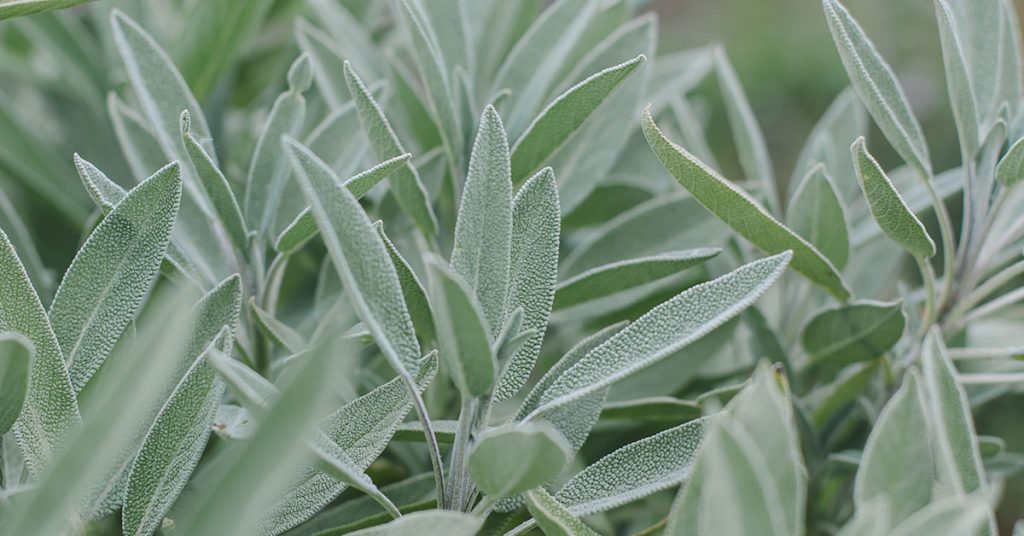
Sage is a venerable herb known for its earthy, robust flavor and its enduring ability to support vegetable growth through natural pest deterrence. Native to the Mediterranean, sage is celebrated for its soft, gray-green leaves and its modest yet effective blooms that attract a range of beneficial insects. In my vegetable garden, sage plays a dual role—it not only enhances the flavor of my culinary creations but also acts as a natural repellent to pests, ensuring a balanced and thriving ecosystem. Its non-invasive growth habit makes it an ideal companion, seamlessly integrating with surrounding vegetables without overpowering them.
What excites me about sage is its timeless appeal and its capacity to transform a garden into a living testament to tradition and natural harmony. The gentle rustle of its leaves in the breeze creates an inviting atmosphere that encourages pollinators to “nest” and flourish nearby. Regular pruning keeps sage compact and productive, making it an ongoing source of inspiration and flavor. For gardeners who value both practicality and a connection to nature’s ancient wisdom, sage is an indispensable perennial herb that truly elevates the vegetable garden experience!
Lemon Balm
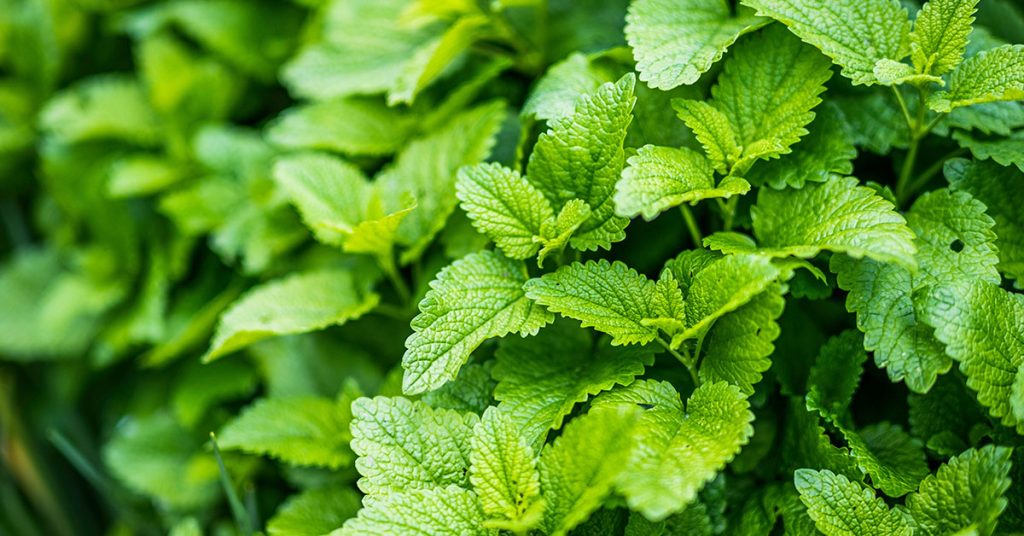
Lemon balm is a cheerful, aromatic herb that brings a burst of citrus fragrance and natural vitality to any vegetable garden. Native to Europe, lemon balm has a long history of use in both culinary and medicinal applications, and its vibrant, bright leaves are known for attracting beneficial insects. In my garden, lemon balm serves as a friendly companion that not only enhances the flavors of nearby vegetables but also creates a microhabitat where helpful critters can “nest” and contribute to natural pest control. Although it spreads moderately, it’s generally non-invasive when managed properly, making it a delightful addition to any garden bed!
I’m continuously impressed by how lemon balm transforms my vegetable patch into a lively, aromatic retreat. Its soft, lemon-scented foliage and gentle, rounded shape add an inviting, refreshing touch that uplifts the entire garden. By promoting a balanced ecosystem and drawing in beneficial pollinators, lemon balm helps ensure that your vegetables receive the natural support they need to thrive. It’s a reminder that sometimes the simplest ingredients in nature carry the most vibrant energy, making every garden a little brighter and more flavorful!
Chives
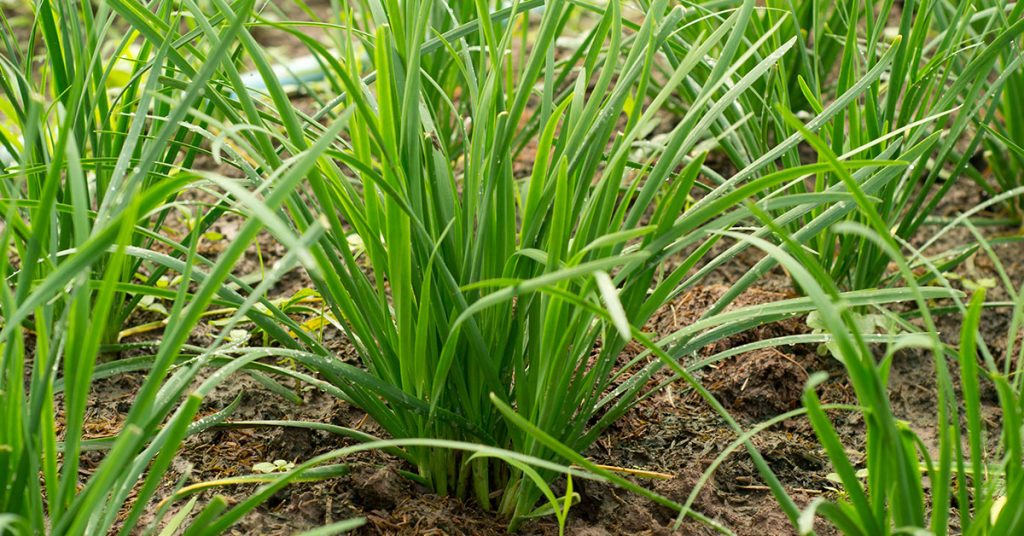
Chives are a delicate yet indispensable perennial herb that lend both culinary flair and natural benefits to your vegetable garden. Native to Europe and Asia, chives are celebrated for their slender, grassy leaves and mild onion-like flavor that enhances a wide array of dishes. In my garden, chives are interplanted with vegetables to help repel certain pests and attract beneficial insects that occasionally “nest” among their fine, fibrous strands. Their non-invasive growth habit and ease of maintenance make them a perfect companion that adds a touch of elegance and practicality to any garden layout!
What I appreciate most about chives is their ability to bring a subtle yet persistent burst of flavor and life to the garden. Their gentle blooms not only attract bees and other pollinators but also create a natural carpet that improves soil structure over time. Each time I harvest chives, I’m reminded that even the most modest plants play a vital role in creating a balanced, thriving ecosystem. For gardeners seeking a versatile herb that marries culinary delight with ecological benefits, chives are an absolute must-have companion in any vegetable garden!
Tarragon
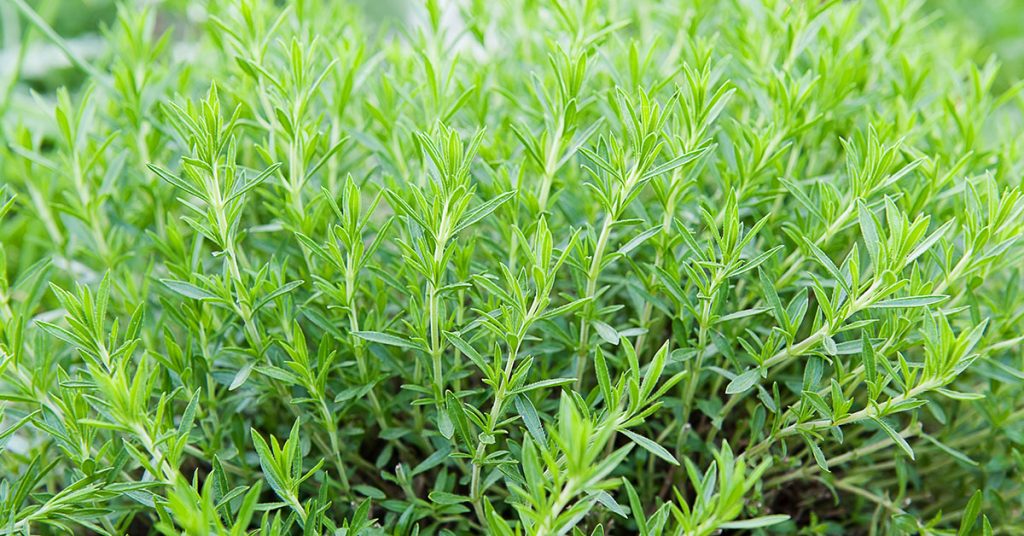
Tarragon is a sophisticated perennial herb known for its distinctive, slightly licorice flavor and its elegant, feathery foliage that enhances any vegetable garden. Native to Eurasia, tarragon has been a prized culinary herb for centuries, and its presence in my garden adds a refined touch that attracts beneficial insects with its delicate clusters of small flowers. While true French tarragon is a favorite for its robust flavor and non-invasive nature, I always ensure it’s planted in a well-drained spot to mimic its native environment. Its subtle beauty and practical benefits make it a charming ally for vegetables!
I’m always delighted by how tarragon creates a sense of understated elegance in my garden, drawing in a modest array of pollinators that help maintain natural pest control. Its graceful appearance and aromatic leaves offer a gentle contrast to the bolder vegetables, creating a harmonious and diverse ecosystem. With regular care and a bit of attentive pruning, tarragon remains a steady companion that enriches both the flavor of your meals and the overall health of your garden. It’s a testament to how a single, well-chosen herb can elevate the entire growing experience!
Catmint

Catmint is a charming and resilient perennial herb that infuses your vegetable garden with soft, silvery foliage and clusters of delicate, lavender-blue flowers. Native to Europe and Asia, catmint is highly valued for its ability to attract bees, butterflies, and other beneficial insects that often “nest” in its abundant blooms. In my garden, catmint serves as both a natural pest deterrent and a beautiful, low-maintenance companion that complements a wide array of vegetables. Its non-invasive growth habit ensures that it remains a delightful accent without overpowering the garden’s other inhabitants!
I love the way catmint transforms a simple vegetable patch into a lively, buzzing haven where natural pollinators play an essential role in maintaining balance. Its aromatic foliage and graceful, cascading blooms create a serene and inviting atmosphere that elevates the entire garden experience. Every time I see catmint swaying gently in the breeze, I’m reminded that nature has its own quiet way of bringing beauty and functionality together. For gardeners who appreciate a touch of elegance combined with practical benefits, catmint is an ideal perennial herb that truly stands out!