
When winter’s frost settles in and your tender annuals give up the ghost, it can feel like all life has left the garden. I know how disheartening it is to watch bare beds through snowy months, longing for a hint of greenery! That’s why I’m so excited to share eleven hearty perennial herbs that not only survive but thrive in very cold winter zones (USDA zones 3–5). These stalwarts will return spring after spring, giving you fresh flavor and year-round garden structure.
Beyond their culinary and medicinal uses, each of these resilient herbs offers ecological perks—think early nectar for overwintering pollinators, nesting cover for beneficial insects, or seeds that feed songbirds. We’ll explore where they hail from, any tendency to wander beyond their patch, and tips for keeping them vigorous through deep freezes. Let’s tuck in for the coziest, most flavorful cold-season garden yet!
Thyme (Thymus vulgaris)
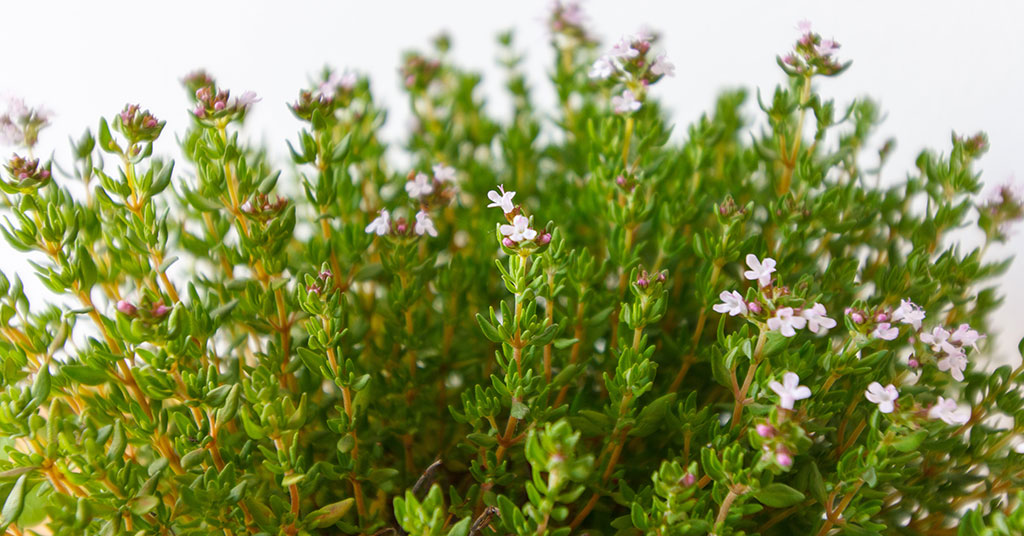
Thyme, native to the Mediterranean, is surprisingly tough—many varieties withstand temperatures down to −30°F when mulched. This low-growing herb forms dense mats of fragrant foliage, making it an excellent, noninvasive groundcover for cold-climate beds. Its woody stems store energy through winter, bursting into new growth come spring’s first thaw!
In late summer, thyme’s tiny lavender flowers attract bumblebees and solitary bees that may nest in nearby bare ground. Even under a blanket of snow, its evergreen leaves offer subtle scent and texture, while tiny winter birds sometimes perch on exposed stems, gleaning leftover seeds.
Mint (Mentha spp.)
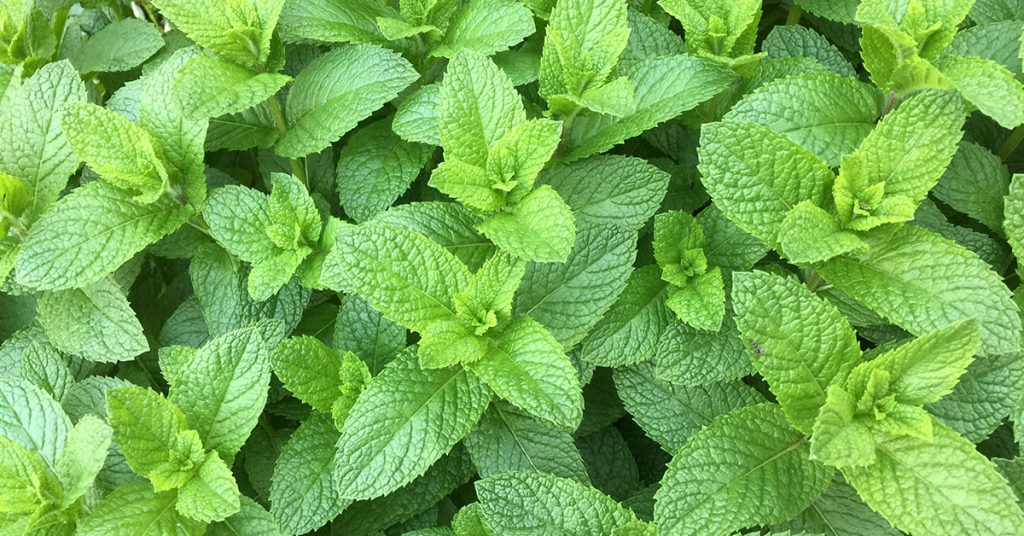
Several mint species—such as peppermint (M. × piperita) and spearmint (M. spicata)—originate from Europe and Asia and shrug off cold winters down to zone 3. Because mint can spread vigorously via rhizomes, it’s best grown in large containers sunk into the ground or tightly edged beds to prevent invasiveness.
Early spring sees mint’s pale lilac blooms drawing hoverflies and bees emerging from hibernation. The thick foliage also shelters overwintering predatory insects like ground beetles, which help tackle slugs and pests in spring’s wake.
Lavender (Lavandula angustifolia)

Lavender’s fragrant foliage and silvery leaves aren’t just a Mediterranean delight—they also endure cold down to about −20°F. English lavender, in particular, is hardy and noninvasive, forming tidy clumps that emerge from snow with surprising vigor. Plant in well-drained soil and add a winter mulch to protect roots from freeze–thaw cycles.
Its rose-purple flower spikes attract early pollinators like mason bees when conditions allow, and the woody stems offer nesting sites for solitary wasps looking for pre-drilled holes or hollow twigs. Plus, the aromatic foliage can deter rodents from nibbling at tender bulbs nearby!
Sage (Salvia officinalis)
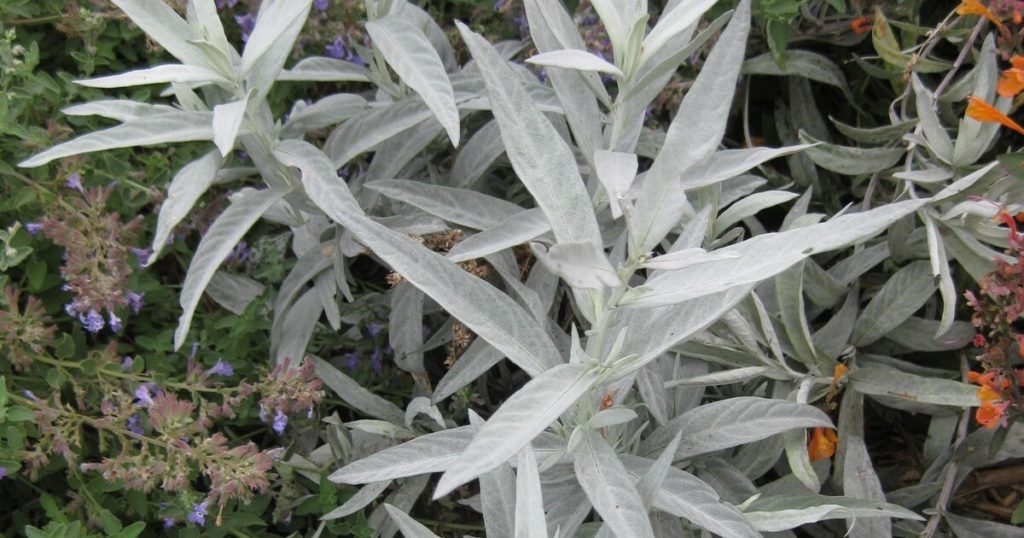
Garden sage hails from Mediterranean hillsides yet tolerates winters to around −20°F when given excellent drainage and winter straw mulch. Clumping sages are noninvasive and reward you with aromatic leaves year after year. I find cutting back dead stems in late winter kickstarts vigorous new shoots!
In summer, sage’s tubular flowers bring in bumblebees and hummingbird moths, and those sturdy stems often house tiny spiders that help manage aphids. During winter’s thaw, the leaf litter beneath sage bushes provides cozy overwintering habitat for beneficial ground insects.
Chives (Allium schoenoprasum)
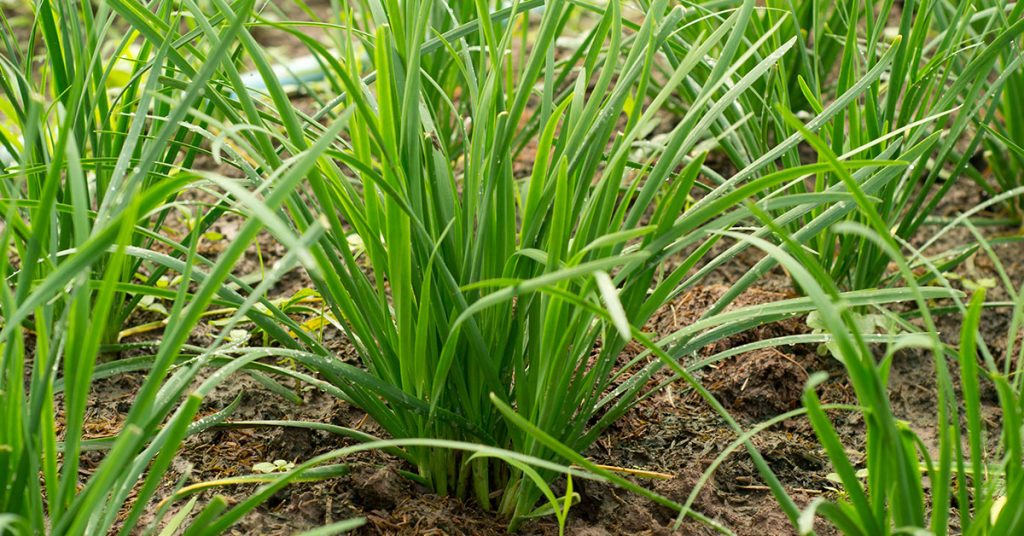
Chives, native to Europe and Asia’s cool regions, are fully hardy to −30°F and multiply in clumps without overrunning beds. Their hollow leaves remain green under light snow cover, offering faint onion scent even in the depths of winter. I love harvesting a few fresh snips for winter soups!
In summer, chive flowers attract pollinators like honeybees and solitary mining bees, which sometimes nest in adjacent bare soil. The sturdy bulbs and underground stems remain untouched by most pests, making chives a reliable garden stalwart.
Wintergreen (Gaultheria procumbens)

Native to North American woodlands, wintergreen is a low-spreading evergreen that survives well into zone 3. Its glossy leaves release a minty aroma when crushed, and bright red berries persist under snow if not foraged by wildlife. Wintergreen is noninvasive, slowly forming ground-hugging mats that suppress weeds.
In early spring, overwintered berries feed juncos and sparrows, while the dense foliage provides nesting cover for ground-nesting solitary bees seeking sheltered crevices. Its evergreen habit brings subtle color to winter landscapes, cheering the eye until crocuses appear!
Lemon Balm (Melissa officinalis)
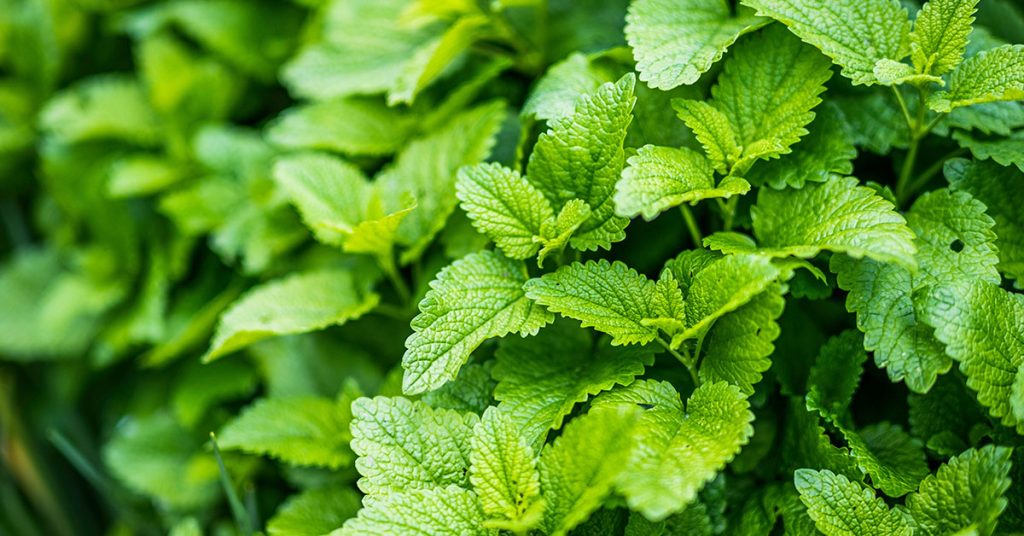
Lemon balm, from the Mediterranean region, endures winters to about −20°F and returns with fresh lemon-scented foliage. While it can self-seed, it rarely becomes invasive in cooler climates—still, pinching back flower spikes stops unwanted volunteers.
Once its pale yellow flowers appear in early summer, hoverflies and honeybees swarm to sip nectar. The bushy habit also shelters ladybird beetles in leaf litter during winter, reemerging to patrol for aphids in spring.
Oregano (Origanum vulgare)

Wild oregano, native to Europe’s dry slopes, thrives in winter zones down to −20°F when planted in well-drained soil. Clumping and noninvasive, it holds its ground and offers flavorful leaves long after frost. Prune lightly in spring to maintain shape and vigor!
Late-summer oregano blooms attract butterflies and solitary bees, some of which nest among stones near the plant. In winter, its woody base provides refuge for tiny spiders and predatory mites, kickstarting natural pest control next season.
Bergamot (Monarda didyma)

Also known as bee balm, bergamot comes from North America’s woodlands and survives into zone 3 with adequate moisture and winter mulch. It spreads slowly by rhizomes but rarely invasively, creating colorful clumps of orange or red flowers each July and August.
Its choice scent is irresistible to a variety of pollinators—bumblebees, honeybees, and hummingbirds—all of which may nest in nearby hollow stems or woody debris. Overwinter, the leafy crowns die back to the soil, protecting vital crowns until spring’s warmth reawakens them.
Tarragon (Artemisia dracunculus var. dracunculoides)
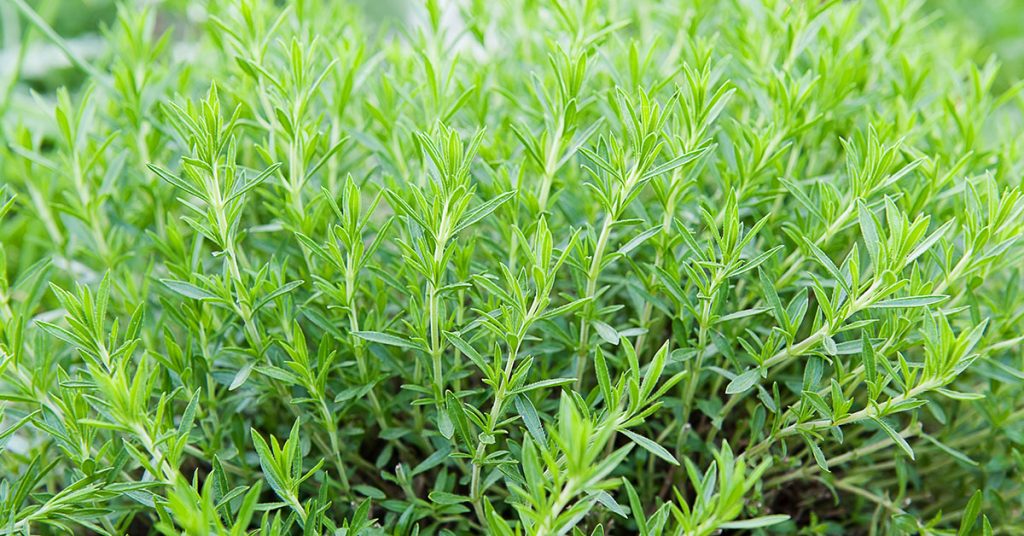
Russian tarragon, native to Siberia, is the cold-hardy counterpart to French tarragon, shrugging off winters down to −30°F. Its slender, glossy leaves offer a milder anise-like flavor and resist invasiveness, growing in tidy clumps for decades.
In midsummer, its inconspicuous yellow-green flowers attract tiny parasitic wasps that help control caterpillars and aphids. As snow deepens, the perennial roots remain safe underground, ready to produce fresh aromatic shoots come spring.
Winter Savory (Satureja montana)

Winter savory, native to southern Europe, tolerates winters into zone 5 and even zone 4 with proper drainage and mulch. Its low, shrubby habit is noninvasive, and its peppery leaves add depth to winter soups and stews when harvested under snow cover.
Small white or lavender flowers in late summer draw bees and hoverflies, which may nest in nearby ground cavities. In the cold months, the evergreen stems provide subtle structure in the garden, hinting at the lively herbs beneath.