

Your garden can be a haven of beauty and biodiversity—but lurking among the blooms, some seemingly innocuous plants harbor potent toxins. Whether you’re cultivating cottage-garden classics or exotic novelties, it’s so important to recognize species that can cause severe reactions if touched, ingested, or even inhaled. From Mediterranean oleander’s brilliant blooms to North American water hemlock’s watery stems, these eleven plants have a mischievous side you’ll want to respect—and, if they’re in your beds, manage carefully!
I know how heart-wrenching it is to discover that a beloved ornamental can pose risks to children, pets, or even wildlife. In each section below, we’ll explore one dangerous plant’s native origins, potential invasiveness, and how its flowers or foliage interact with pollinators and beneficial insects (like ground-nesting bees or hoverflies that vine among the leaves). Armed with this knowledge, you’ll be able to keep your garden both enchanting and safe!
Trumpet Vine (Campsis radicans)
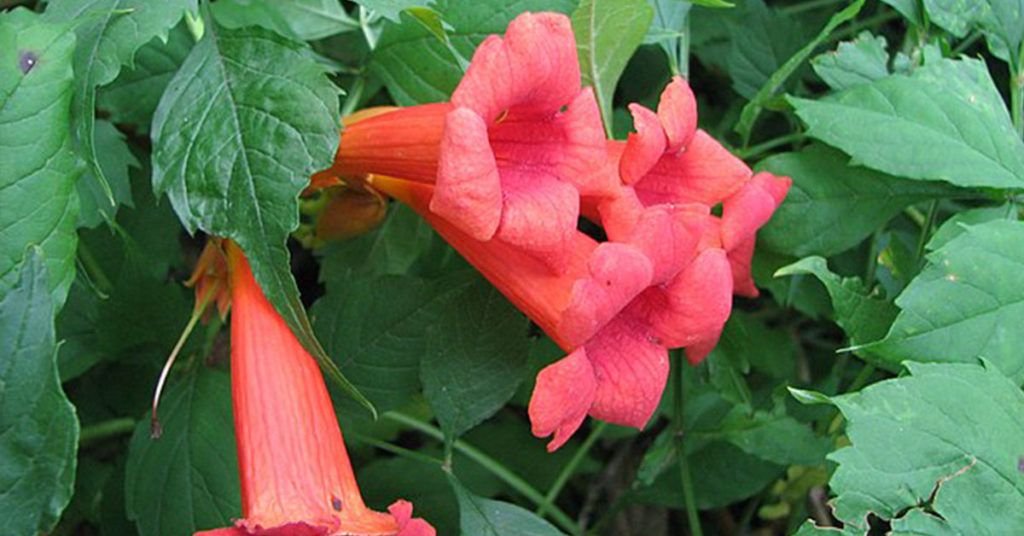
Native to the southeastern United States, trumpet vine is prized for its cascading orange blooms that hummingbirds adore! However, its sap can cause severe dermatitis—blisters, redness, and itching on contact. Although not strictly invasive everywhere, it can vigorously self-seed and climb, overtaking fences and nearby shrubs if unchecked.
Bees and hummingbirds nest and forage among its tubular flowers, making trumpet vine a pollinator magnet. But handle with gloves when pruning, and consider clipping back seedlings promptly to prevent unwanted spread. Once contained, its fiery blossoms remain one of my favorite pollinator magnets—just a bit more respect required!
Rosary Pea (Abrus precatorius)

With glossy green vines and striking red-and-black seeds, rosary pea—native to India and now pantropical—is deceptively lovely. Its seeds contain the deadly lectin abrin: even a single chewed seed can be fatal. Rosary pea is classed as invasive in many regions; pull out seedlings before they establish to keep gardens safe.
Despite its toxicity to humans, small birds sometimes nest in dense rosary pea thickets, feeding on insect prey around the foliage. I once watched a pair of sparrows darting through its vines—nature’s little acrobats navigating a perilous playground. Always wear gloves when handling, and never leave cut stems where curious children or pets might explore!
Monkshood (Aconitum napellus)

This classic cottage-garden plant, native to mountainous regions of Europe, sports hood-shaped deep blue flowers that bees flock to in late summer. Yet every part of the plant harbors aconitine, a powerful neurotoxin that can cause cardiac arrest if ingested or absorbed through broken skin. Although self-seeding, monkshood rarely becomes invasive if deadheaded regularly.
Beneficial hoverflies and solitary bees nest in the shelter of its thick foliage, helping control aphids that might otherwise plague the bed. I love those pollinator visits, but I always stake my monkshood clumps to prevent accidental contact. Admire from a safe distance—and teach children about its hidden danger!
Castor Bean (Ricinus communis)
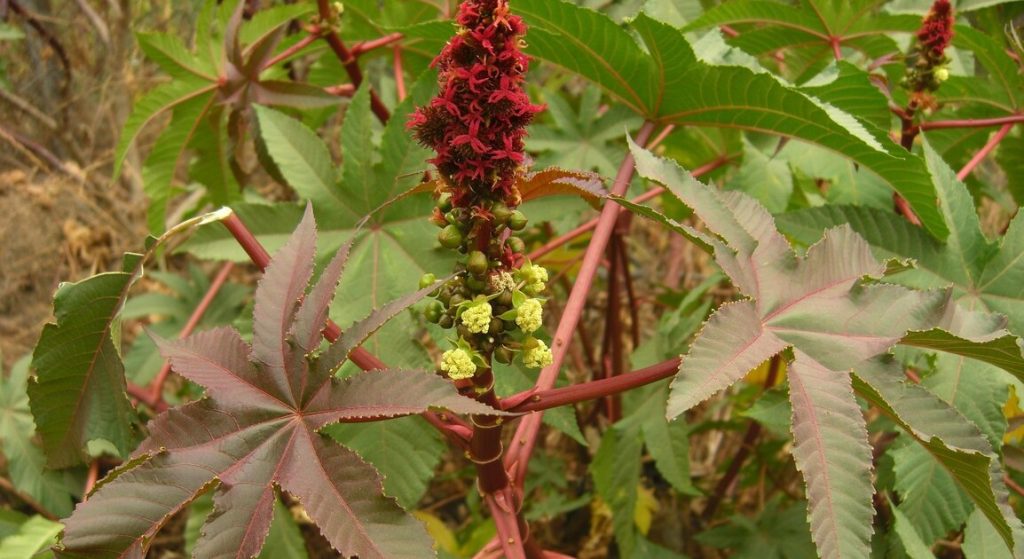
With glossy, star-shaped leaves and dramatic seed pods, castor bean—native to the southeastern Mediterranean—is a striking annual. Yet its seeds contain ricin, one of the most potent plant toxins known. A handful of chewed seeds can be fatal. While not truly invasive in temperate climates, it readily self-sows in rich, moist soils.
The cup-shaped seed clusters can attract small beetles and ladybugs seeking shelter. Always wear gloves and remove spent pods before they shatter, scattering deadly seeds. I find its bold foliage irresistible in mixed borders—but only when monitored closely!
Oleander (Nerium oleander)
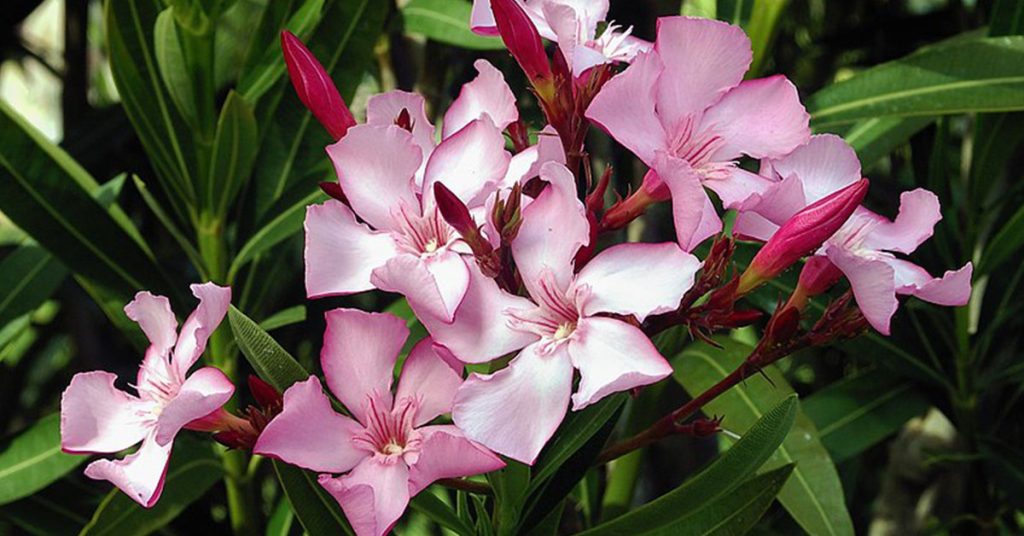
Beloved in Mediterranean and subtropical gardens for its clusters of pink, white, or red blooms, oleander is a cholinergic toxin factory. All parts—flowers, leaves, even smoke from burned branches—contain cardiac glycosides that can trigger heart failure if ingested. It’s not typically invasive in cooler zones, but in warm climates it can form thickets if left unchecked.
Despite its danger, oleander flowers attract hummingbirds and honeybees, and some solitary bees even nest in the surrounding mulch. I always prune oleander wearing full protective gear, and I carefully bag clippings so curious pets or children can’t nibble dropped blossoms. Its beauty is unparalleled—but handle with the utmost care!
Dieffenbachia (Dieffenbachia spp.)
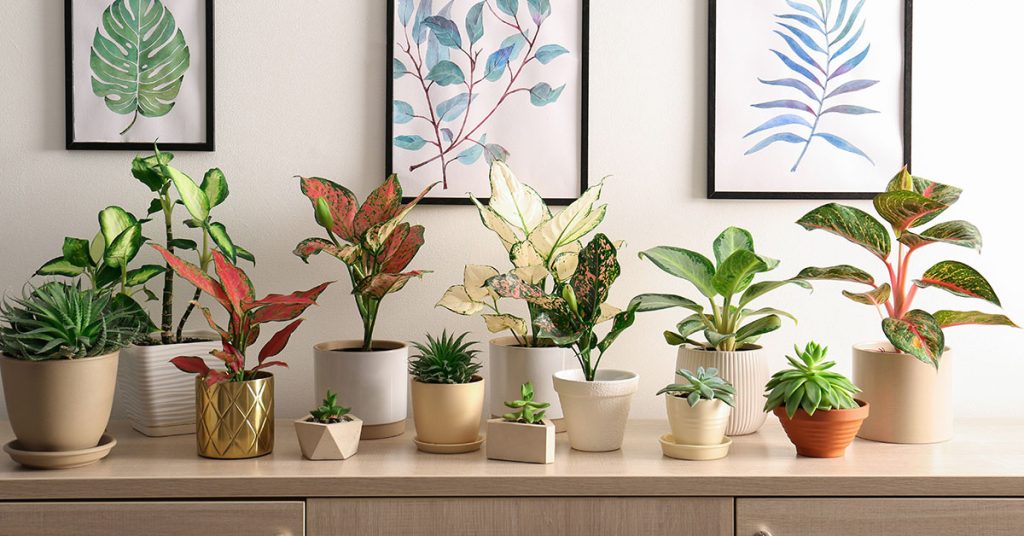
This popular houseplant, native to tropical Americas, features glossy green-and-white leaves that brighten dim interiors. But its sap contains calcium oxalate crystals that cause intense burning and swelling if chewed. It’s not invasive indoors, but outdoor escapes in warm regions can naturalize.
Occasional compost piles near dieffenbachia may harbor ground beetles and springtails, drawn by decaying leaf litter. When repotting or trimming, wear eye protection and gloves to avoid splash into eyes or onto skin. Its tropical flair is fabulous—just never let your guard down!
Foxglove (Digitalis purpurea)

Foxglove’s tall spires of bell-shaped blooms, native to Western Europe, are staples of shade borders. Bees and bumblebees nest in nearby rotten logs and forage heavily, drawn to its nectar. Yet all foxglove tissues contain cardiac glycosides: ingesting leaves can trigger life-threatening arrhythmias.
Control self-seeders by deadheading spent flowers. Wear gloves when handling, and remind guests that its pretty blooms belie a dangerous heart-poisoning potential. I still plant foxglove for pollinators—but with caution and clear signage!
Euphorbia (Euphorbia spp.)
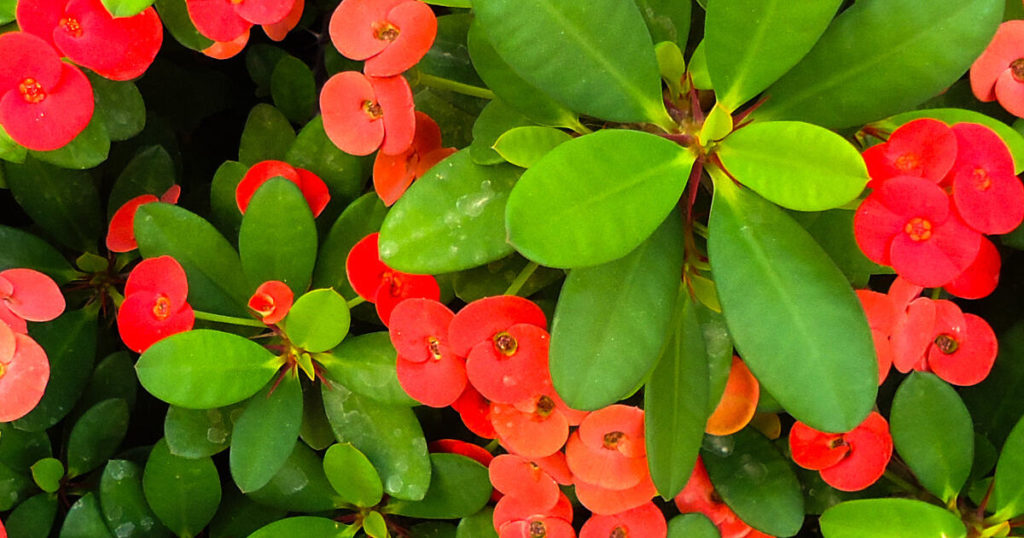
From ornate poinsettias to cushion spurge, Euphorbia (native worldwide) offers dramatic forms but exudes milky latex sap that can blister skin and cause ocular distress. Some species naturalize aggressively in milder climates; pull out escapes promptly to curb invasiveness.
Despite its toxicity, euphorbia flowers, called cyathia, attract pollinating wasps and hoverflies that later nest in adjacent bare soil patches. Always cut stems with gloves, seal trimmings in bags, and enjoy its architectural beauty without risking sap exposure!
Yew (Taxus baccata)
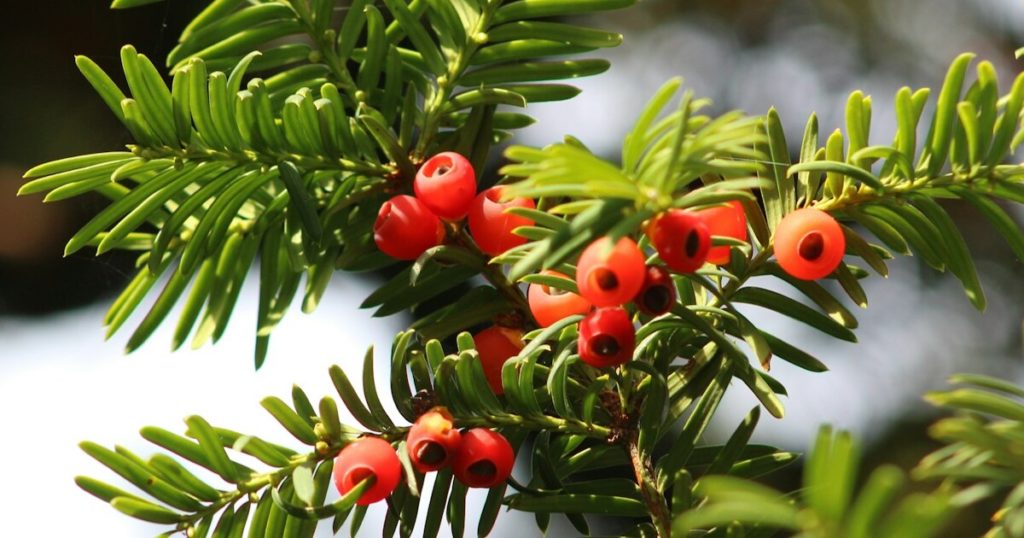
Yew trees and shrubs—native across Europe and Asia—feature dark green needles and bright red arils that enchant garden designers. However, every part except the fleshy aril hull is packed with taxine alkaloids that cause fatal cardiac arrest if ingested. Yew can form dense hedges, but rarely escapes in cooler zones.
Birds nest in yew’s thick branches and feed on arils, dispersing seeds safely—an intriguing ecological partnership! Still, fallen needles remain toxic to mammals. Always rake up dropped leaves promptly, and consider avoiding yew if you share your garden with curious pets or children.
Poison Hemlock (Conium maculatum)
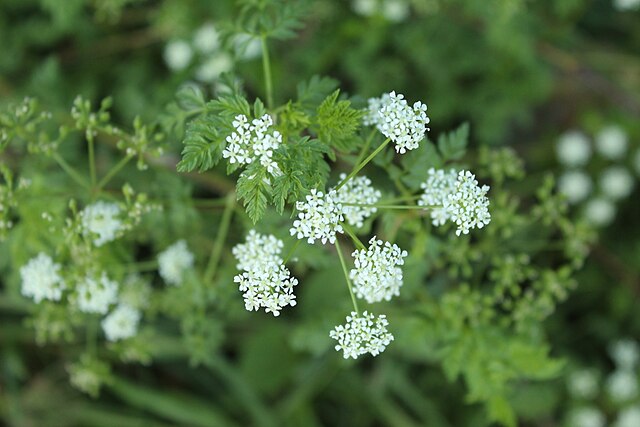
This towering biennial, native to Europe and Western Asia, has tiny white umbrella flowers that attract parasitic wasps seeking nectar—their larvae later prey on aphids in your vegetable garden. Yet poison hemlock’s entire makeup is a nerve-paralyzing cocktail; even small doses can kill humans or livestock.
Since it readily colonizes disturbed soil, pull plants before seed set. Wear gloves and a mask—the plant’s volatile alkaloids can irritate skin and lungs. Your garden will be safer once those poison-tipped umbrellas are banished!
Deadly Nightshade (Atropa belladonna)
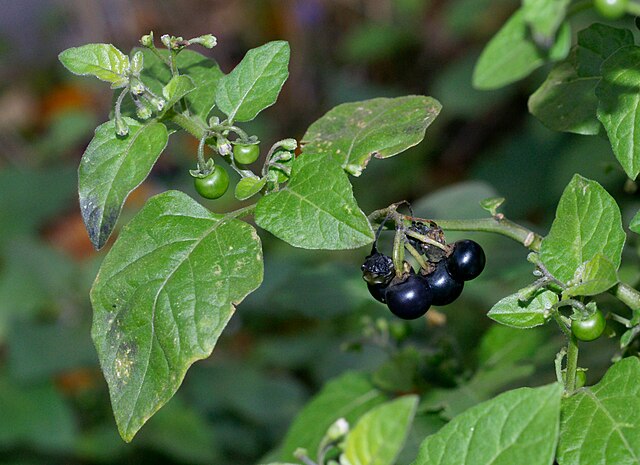
Belladonna, native to Europe, Asia, and North Africa, sports glossy berries that lure birds—and occasionally children—with their sweet taste. All parts contain atropine and scopolamine: the hallucinogenic compounds can cause delirium, convulsions, and death. Belladonna rarely escapes cultivation if you remove seedlings.
Beneficial solitary bees nest in hollow stems of dying perennials nearby. Recognize belladonna’s olive-green berries and uproot any volunteers immediately. Its medieval mystique is fascinating, but its toxicity demands respect!