
Bamboo, native to Asia, Africa, and the Americas, offers an exotic touch to gardens with its graceful canes and lush foliage. While many species are non-invasive clump-formers, several running bamboos can spread aggressively if left unchecked. It’s such a bummer to see a promising bamboo grove start popping up in unintended corners of your yard! Knowing the right strategies up front can help prevent runaway roots and ensure your bamboo remains a beautiful, well-behaved feature.
I’m excited to share these 11 tips—gleaned from my own bamboo adventures—to help you grow healthy, vibrant stands that also support beneficial wildlife. Bamboo’s hollow stems make perfect nesting tubes for solitary bees and small wasps, and its dense thickets provide shelter for ground-dwelling insects like beetles and springtails. Whether you’re dreaming of a serene bamboo screen or a focal planting in a container, these pointers will set you on the path to success!
Prepare Well-Draining, Fertile Soil

Bamboo thrives in soil that’s rich in organic matter yet drains freely. Heavy clay can suffocate roots, leading to rot, while pure sand lacks the nutrients bamboo craves. I once planted bambusa in compacted clay and watched new shoots struggle to break ground!
Amend your bed with generous compost or well-rotted manure, and incorporate coarse grit or perlite to improve drainage. This mix mimics bamboo’s natural riverbank habitats, encouraging strong rhizome spread without waterlogging—and giving ground-nesting bees plenty of dry tunnels to explore.
Choose the Right Species for Your Climate
Some bamboo species—like Phyllostachys aurea—excel in cooler temperate zones, while others, such as Bambusa vulgaris, prefer tropical warmth. Selecting a variety mismatched to your region can lead to poor growth or winter dieback. I learned this the hard way when I tried a tropical cultivar in a chilly spring!
Research your USDA zone and pick clumping or running types accordingly. Clumping bamboos stay tidy, while running varieties offer rapid coverage but need containment. Knowing a plant’s origin helps you anticipate its behavior and avoid invasive surprises.
Understand Bamboo’s Growth Habit
Running bamboo spreads via long, horizontal rhizomes and can cover yards in mere seasons if unchecked. Clumping bamboo, by contrast, expands slowly into tight circles. Misunderstanding this distinction can turn a neat grove into a full-blown jungle!
Observing new shoots each spring offers clues: slender sprouts far from the parent clump signal runners, whereas clusters close together reveal clumpers. Recognizing these habits lets you plan for containment, pruning, and harvesting—and gives nesting insects predictable shelter.
Install Containment Barriers to Prevent Spread
For running bamboos, a sturdy barrier (HDPE plastic or metal) sunk at least 24 inches deep around the planting perimeter stops rhizomes. I once rigged a plastic sheet too shallow and ended up trenching bamboo from my driveway!
Seams must be watertight, and the barrier should slope outward at the top edge to guide rhizomes upward for easy pruning. This containment not only tames spread but also creates a soil edge where beneficial ground beetles can patrol for pests.
Maintain Consistent Moisture Without Waterlogging

Bamboo loves regular water—especially in its first two years—but soggy feet spell root rot. I found myself overwatering during summer heatwaves, only to see yellowing leaves the next week!
Aim for deep, infrequent irrigation: soak the root zone thoroughly, then let the top few inches dry before watering again. This watering rhythm mirrors monsoon-dry cycles in bamboo’s native habitats and deters fungus gnats from laying eggs in constant moisture.
Monitor and Manage Pests and Diseases

Bamboo is generally hardy, but aphids, scale insects, and mites can colonize new growth. Left unchecked, they weaken culms and stunt shoots. I once discovered tiny mealybugs hiding in leaf sheaths—such a bummer!
Encourage natural predators—ladybugs and lacewings—by planting companion flowers nearby. For stubborn infestations, a gentle insecticidal soap spray does the trick without harming nesting solitary bees that use hollow canes.
Provide Adequate Sunlight or Shade Balance

Most bamboos prefer morning sun with afternoon shade, although some running types tolerate full sun. Planting in deep shade results in sparse culms and lanky growth. I tucked my grove under a tall cedar, only to regret the leggy canes that followed!
Aim for at least four hours of direct light or bright dappled shade. This balance promotes dense foliage, which attracts pollinators to the small bamboo flowers (though rare in cultivation) and offers cool retreats for butterflies and moths.
Use Mulch to Regulate Soil Temperature and Moisture
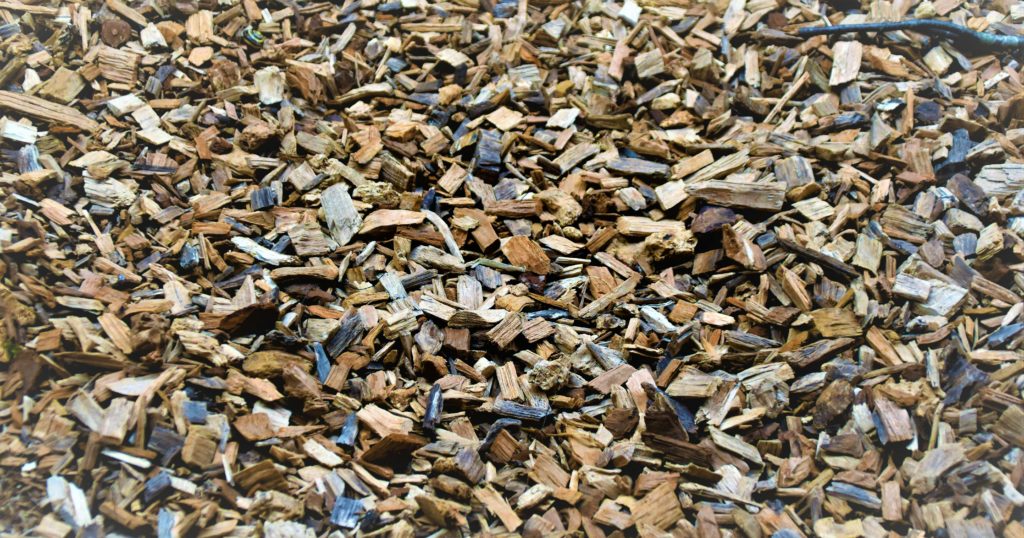
A two- to three-inch layer of organic mulch—wood chips, leaf mold, or straw—keeps roots cool in summer and insulated in winter. I once left mine bare and had shoots scorch during a heatwave!
Mulch also suppresses weeds that compete for nutrients and creates habitat for springtails and beneficial nematodes that cycle organic matter, maintaining healthy soil around your bamboo clump.
Prune and Harvest Strategically

Removing dead or weak canes at their base each spring encourages new, vigorous shoots and improves air circulation. I enjoy the annual ritual—like giving my bamboo a fresh haircut! Regular pruning also prevents overcrowding, which can invite fungal issues.
Harvest mature culms for stakes or crafts in late winter when sap flow is minimal. These harvested canes even attract nesting wasps looking for sturdy tubes, turning your harvested poles into insect hotels if you leave them in sheltered spots.
Fertilize Appropriately for Vigorous Growth
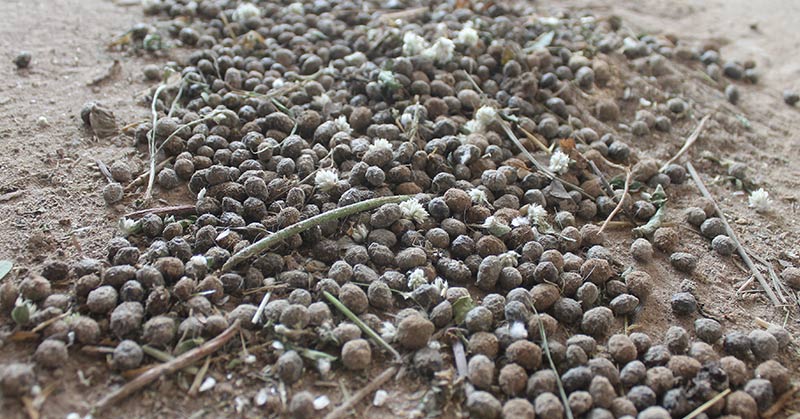
Bamboo benefits from a high-nitrogen feed in spring and midsummer to support its rapid shoot production. A balanced organic fertilizer or compost tea works wonders. I once overfed mine with synthetic fertilizer and ended up burning tip edges—so go light!
Apply around the drip line rather than at the crown, then water in gently. This encourages lush growth and ensures your grove provides consistent cover for tiny creatures like ground-nesting bees and rove beetles.
Consider Bamboo’s Winter Hardiness and Protection
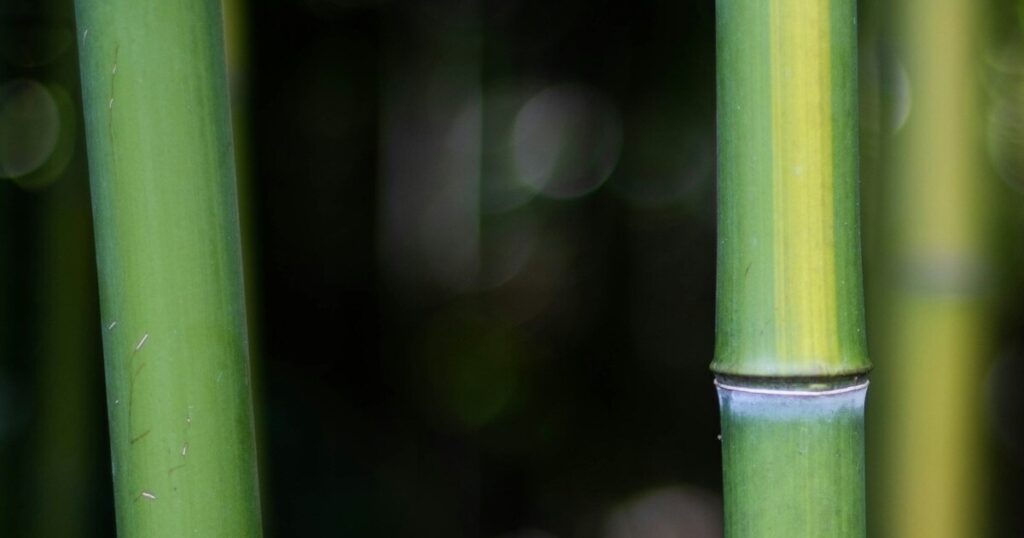
Even hardy clumping bamboos may need winter protection in colder zones—apply extra mulch around the crown to insulate rhizomes. I lost young plants in my first frosty spring until I adopted this simple measure!
For potted bamboos, move containers to sheltered spots or wrap pots in burlap. Maintaining a stable root temperature ensures vigorous springs and gives you time to check for overwintering pests or rodents seeking refuge in hollow stems.