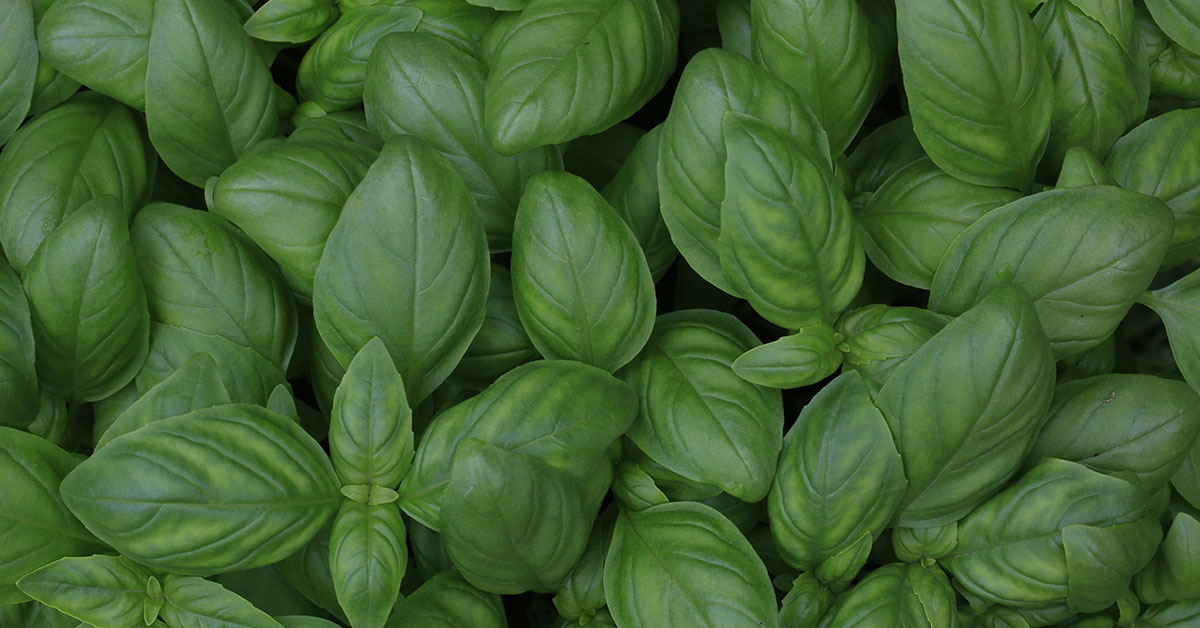

Basil’s bright green leaves and heady aroma make it a superstar in the kitchen, but even this heat-loving herb (Ocimum basilicum), native to tropical regions of central Africa and Southeast Asia and not considered invasive, can sulk when common mistakes creep into your care routine. I know how exciting it is to harvest that first handful of glossy leaves—only to watch your plants wilt, bolt, or fall prey to pests a few weeks later. It’s such a bummer when you’ve dreamt of pesto parties and Caprese salads, but instead spend your afternoons nursing stressed seedlings!
As someone who’s tucked countless basil plants into sun-drenched pots and garden beds, I’m thrilled to share eleven pitfalls to sidestep. From watering blunders to harvesting missteps, each two-paragraph section dives into why the error matters, how basil behaves (including its knack for attracting busy bees and pollinating hoverflies, which nest nearby in bare soil!), and tips to keep your fragrant annual thriving all season long.
Ignoring Sunlight Needs

Basil demands at least six to eight hours of direct sun daily to produce its fullest flavor and strongest stems. Planting it in a shady nook or beneath overhanging branches can lead to leggy growth and pale leaves that lack that punchy basil taste. I once squeezed my pots under a rose bush thinking they’d share bright morning light—only to find my basil stretching toward the sky and never filling out properly!
Full sun also heats the soil, encouraging basil’s essential oil production—the very compounds that give it that signature scent. When bees and butterflies flock to those glossy leaves and white flower spikes, they’re doing more than pollinating—they’re signaling your plant’s health! If your garden spot is on the shadier side, consider reflective surfaces like a light-colored wall or placing pots on a sunny patio.
Planting Too Closely
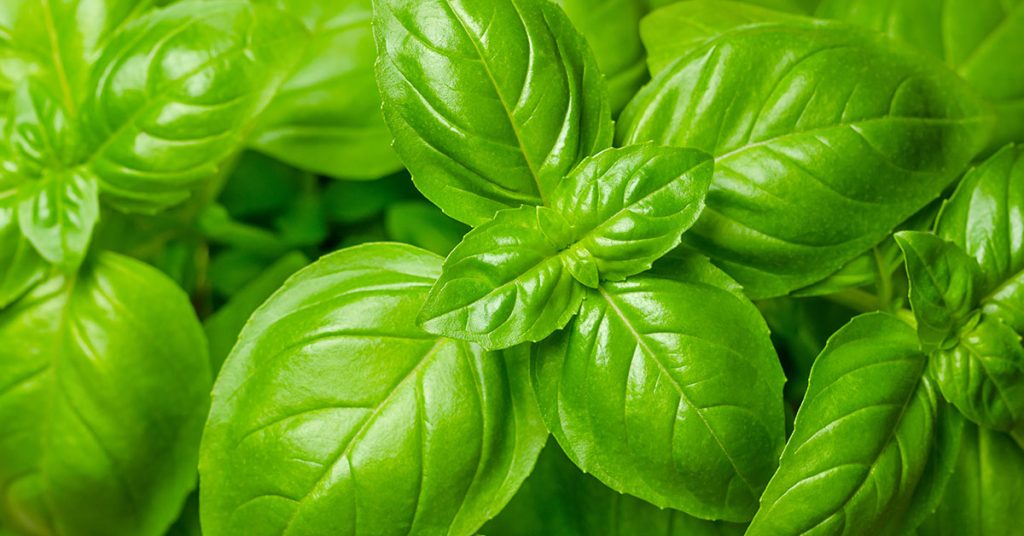
Crowding basil plants lessens airflow around stems and leaves, creating humid pockets where fungal diseases like downy mildew love to lurk. When I first planted basil seedlings an inch apart, I spent hours snipping yellowed leaves and wiping mildew off foliage! Giving each plant 12–18 inches of space lets breezes sweep through, keeping foliage dry and pests at bay.
Roomier spacing also ensures roots have enough soil to explore for nutrients and moisture—critical for supporting the lush growth that attracts beneficial insects. I’ve seen tiny solitary bees nest in the bare soil beneath well-spaced basil clumps, feasting on nectar from its occasional flower spikes. Those nests stay safe when plants aren’t jostling one another!
Overwatering and Poor Drainage
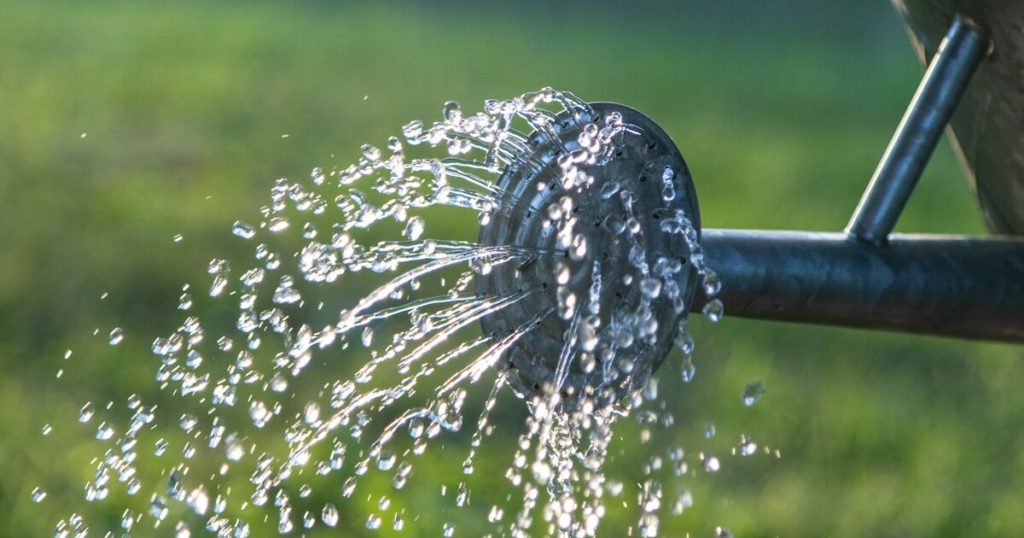
Basil appreciates consistent moisture, but soggy soil suffocates roots and invites root rot. If you’ve ever dug up a collapsed basil plant with mushy roots, you know how devastating it can feel after weeks of care. Well-draining soil—amended with organic compost and coarse sand—lets excess water escape and keeps roots happy.
Water early in the day, allowing the surface to dry before nightfall. That schedule lessens humidity around leaves, deterring fungal spores. I switched to watering only when the top inch of soil felt dry, and watched my basil go from droopy to dazzling—plus, I saved time and cut down on waste!
Letting Basil Bolt

When temperatures plunge below 50°F or soil dries out, basil can bolt—sending up a flowering stalk that signals the end of prime leaf production. I learned this the hard way by neglecting our cool spring nights; one morning, my basil sported spindly flower spikes and leathery, bitter leaves. While those blooms do attract bees and hoverflies (and I love watching the tiny pollinators nest in nearby ground), bolting shortens your harvest window!
To prevent premature flowering, pinch off flower buds the moment they appear, and keep plants well-hydrated. Mulching around the base with organic material helps regulate soil temperature. That way, you’ll enjoy lush, leafy growth instead of scrambling for replacement seedlings mid-season.
Skipping Regular Pinching and Harvesting
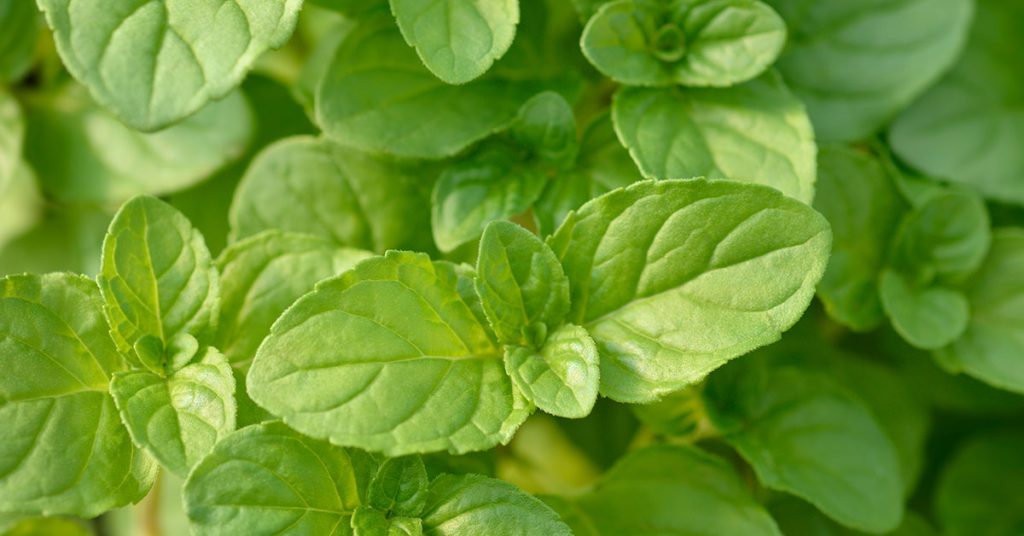
It’s tempting to let basil grow tall and glorious, but failing to pinch back stems regularly leads to woody growth and fewer leaves. One of my favorite tricks is to harvest the top two sets of leaves every week, which encourages lateral branching and bushier plants. If you wait too long, you’ll end up with lanky stems that flop over and require major pruning to revive!
Regular harvesting not only boosts yield but also keeps basil focused on leaf production instead of flowering. And every time you snip a fresh sprig for dinner, you’re giving your plant a little haircut it genuinely appreciates—while filling your kitchen with that irresistible basil aroma!
Using Low-Quality Seeds or Seedlings
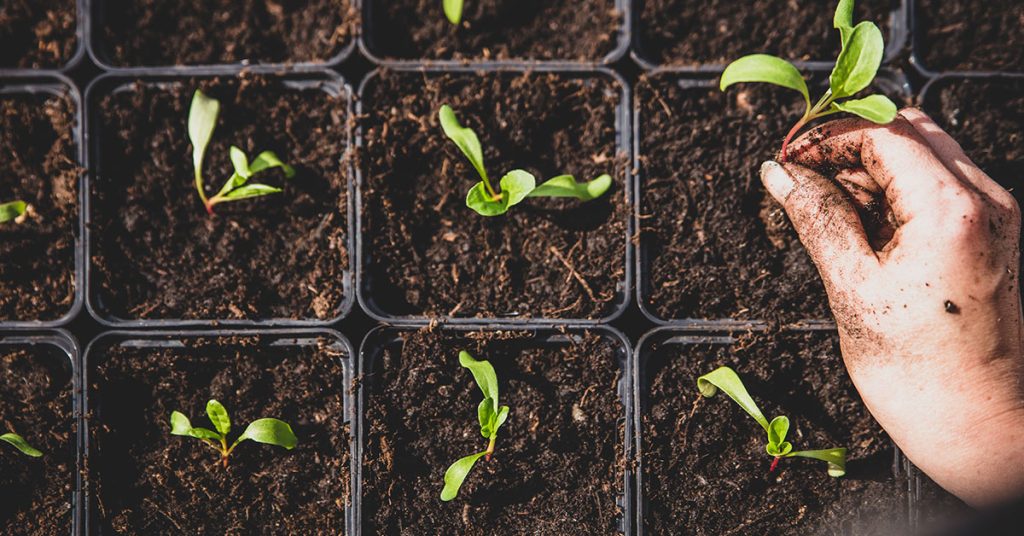
Starting with subpar seeds or leggy nursery transplants can set you back from day one. I once grabbed leftover seeds from the back of my drawer and ended up with patchy germination and weak seedlings. Instead, invest in fresh, high-germination seeds or robust young plants from a reputable source, ideally grown locally to match your climate.
Quality starts underground: strong root systems and healthy cotyledons (the first leaves) pave the way for vigorous growth. When seedlings are stocky and evenly spaced in their trays, they transition to garden beds effortlessly—no shock, no stunted growth, and far less time spent babying underpowered starts!
Neglecting Soil Fertility and pH

While basil isn’t as finicky as some herbs, it thrives in rich, slightly acidic to neutral soil (pH 6.0–7.0). Planting in depleted or overly alkaline beds can lead to slow growth and pale foliage. I discovered a pH issue when my basil never grew beyond 6 inches tall—after a simple soil test and an amendment of composted manure, my plants erupted into robust 12-inch bushes!
Aim to refresh your beds annually with well-rotted compost or aged manure, ensuring a steady supply of nutrients. Balanced fertility supports those lush leaves that attract pollinators—and saves you from battling hungry slugs and caterpillars that often target weak plants!
Over-Fertilizing and Reduced Flavor
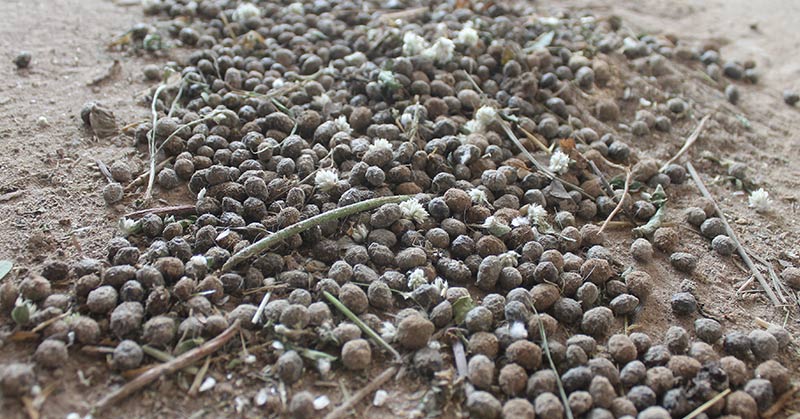
On the flip side, too much nitrogen fertilizer can produce succulent, but bland leaves. I once went overboard with a high-nitrogen feed, and the resulting basil tasted disappointingly muted in my pesto. Basil’s flavor comes from a fine balance of nutrients; lean toward slow-release, balanced fertilizers or compost teas rather than nitrogen-heavy blends.
Moderate feeding encourages essential oil production—those compounds that make basil zing. Plus, fewer applications mean less time mixing nutrients and more time daydreaming about that perfect Caprese salad!
Failing to Monitor Pests and Diseases
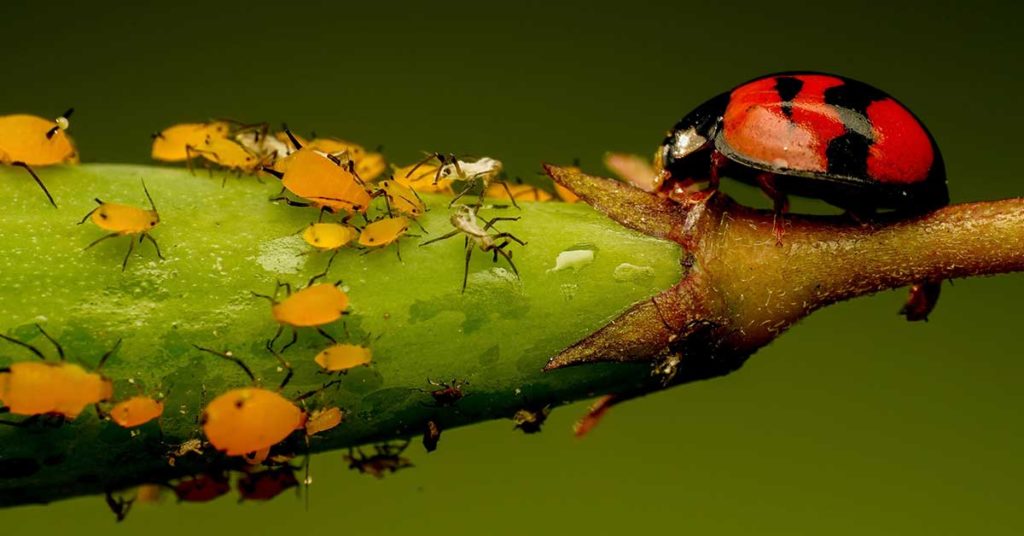
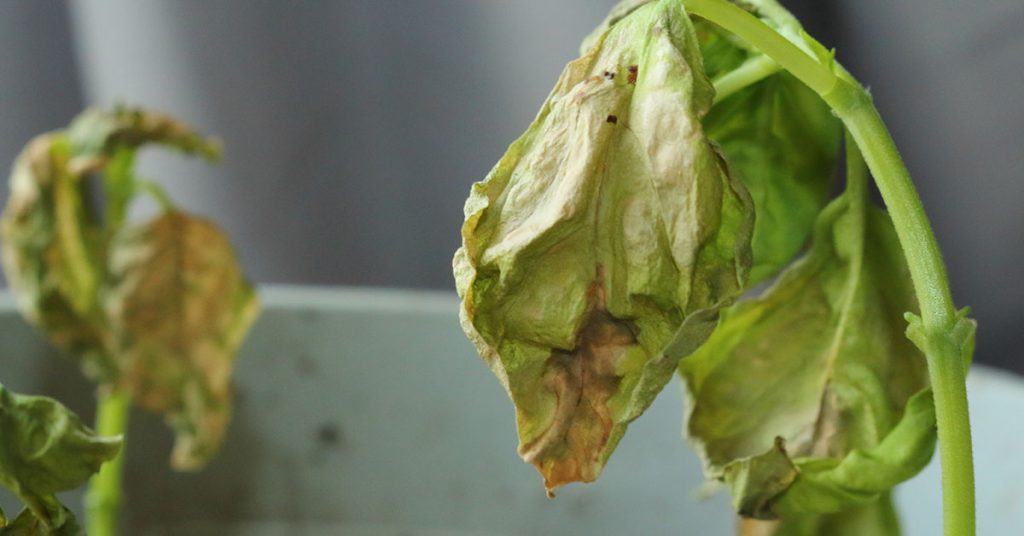
Basil can fall prey to aphids, spider mites, and fungal diseases like fusarium wilt. I used to ignore the tiny clusters of aphids on new growth—until my entire patch wilted! A weekly check—looking under leaves and along stems—lets you catch issues early. A gentle spray of water can knock off many pests, while neem oil or insecticidal soap tackles persistent colonies without harming beneficial pollinators.
Good air circulation and proper spacing further reduce disease risk, as does removing any yellowing or diseased leaves promptly. Healthy basil plants cost less to maintain and reward you with more fragrant harvests!
Planting in the Wrong Season

Basil is frost-sensitive and thrives when temperatures stay between 70°F and 90°F. Planting too early in spring—or leaving it in the ground past the first frost—invites disaster. I once replanted my favorite variety on a chilly April day, only to see my tender starts collapse overnight.
Wait until all danger of frost has passed, or start seeds indoors 4–6 weeks before your last expected frost date. In fall, consider container basil that you can bring indoors or under cover to extend your season. By matching basil’s tropical origins, you’ll savor fresh leaves well into autumn!
Wrong Container Choices
Growing basil in containers? Make sure the pots have ample drainage holes and are at least 6–8 inches deep. I first used shallow trays and ended up with waterlogged roots and stunted plants. Deep, well-draining containers let roots spread and access more moisture between waterings.
Using porous materials like terracotta also helps regulate soil moisture. And when those containers are on wheels or placed near your kitchen door, you’ll spend seconds clipping fresh basil for dinner—no more trudging to distant garden beds!