
Over time, I discovered that many common weeds and hardy plants can be transformed into powerful liquid fertilizer teas that not only enrich the soil but also support beneficial insects and boost plant resilience. It’s such a bummer when pests take over your garden or when plants struggle in poor soil, so I’m thrilled to share these eco-friendly, homemade solutions that truly make a difference!
I’m excited to present 11 liquid fertilizer teas made from everyday plants and weeds. Each recipe is crafted from plants that are native to different regions and, in many cases, are known to be non-invasive in managed gardens. From the nutrient-rich nettle tea to the humbly potent dandelion brew, these teas are designed to improve soil structure, attract pollinators, and even create a healthy microhabitat for beneficial soil organisms.
Nettle Tea

Nettle (Urtica dioica) is a wild, perennial plant native to temperate regions of Europe, Asia, and North America. Despite its stinging hairs, nettle is a powerhouse of nutrients and minerals, making it one of my favorite ingredients for a liquid fertilizer tea! I love how nettles not only enrich the soil with nitrogen but also attract beneficial insects like ladybugs and bees, which help create a balanced microhabitat. Though nettle can be invasive in some areas if left unchecked, careful harvesting in your garden ensures it remains a sustainable, non-invasive resource.
To make nettle tea, simply steep a handful of fresh nettle leaves in water for several days, then strain and dilute before use on your plants. This brew works wonders on weak or nutrient-starved plants, encouraging lush, green growth. Its natural composition mirrors the conditions in its native habitat, where it often thrives in nitrogen-poor soils by efficiently recycling nutrients. The result is a cost-effective, eco-friendly fertilizer that brings your garden to life!
Dandelion Tea

Dandelion (Taraxacum officinale), native to Eurasia and naturalized in North America, is often dismissed as a weed—but I see it as a garden miracle! Its deep taproot draws up essential minerals from the soil, and its bright yellow flowers attract a host of pollinators such as bees and butterflies. Although dandelions can be invasive if left unchecked, when managed in a garden setting, they contribute to soil health and offer a natural solution to nutrient deficiency.
Preparing dandelion tea is simple: steep the fresh leaves and flowers in water for several days to extract the rich nutrients, then strain and dilute the mixture before applying it to your garden. This tea is particularly effective at boosting phosphorus and potassium levels, which are vital for flowering and fruiting plants. I love watching my garden flourish after a dose of dandelion tea—proof that even the most common “weeds” have hidden treasures waiting to be unlocked!
Comfrey Tea
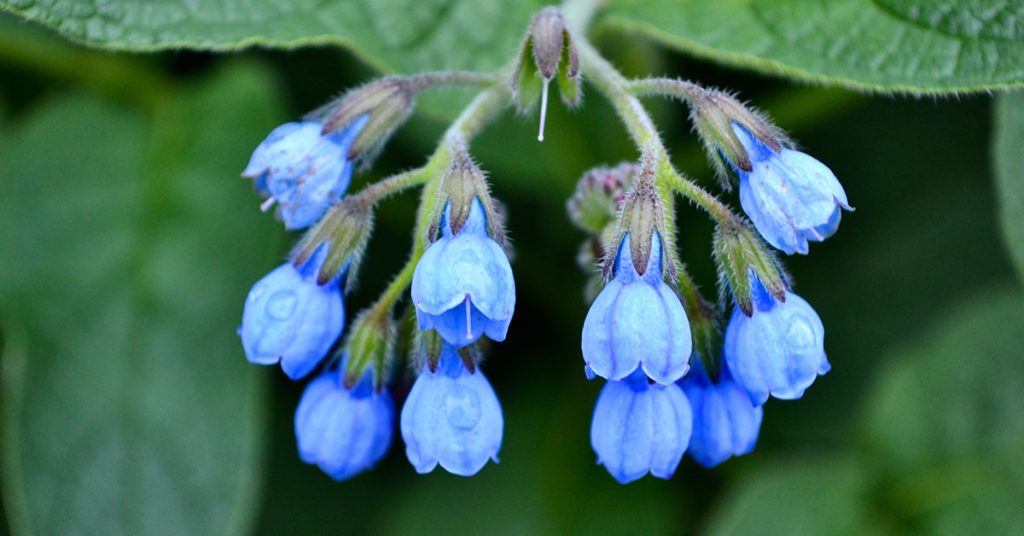
Comfrey (Symphytum officinale), native to Europe and Asia, is a herbaceous perennial renowned for its deep, taproot that accumulates nutrients from the subsoil. This makes comfrey tea an excellent organic fertilizer that provides a rich source of potassium and trace minerals. I’ve always been impressed by how comfrey attracts beneficial insects such as ladybugs and lacewings, creating a supportive microhabitat in my garden. While comfrey can be invasive if not managed properly, cultivated varieties in controlled gardens remain non-invasive and are a sustainable resource for liquid fertilizer.
To prepare comfrey tea, chop fresh leaves and steep them in water for several weeks to fully extract the nutrients. This nutrient-packed infusion is a real game-changer for boosting plant growth and enhancing root development. The natural composition of comfrey mirrors the conditions of its native meadows, where it plays a critical role in recycling nutrients. I love using comfrey tea to revitalize tired soil—it’s nature’s own multivitamin for your garden!
Chamomile Tea
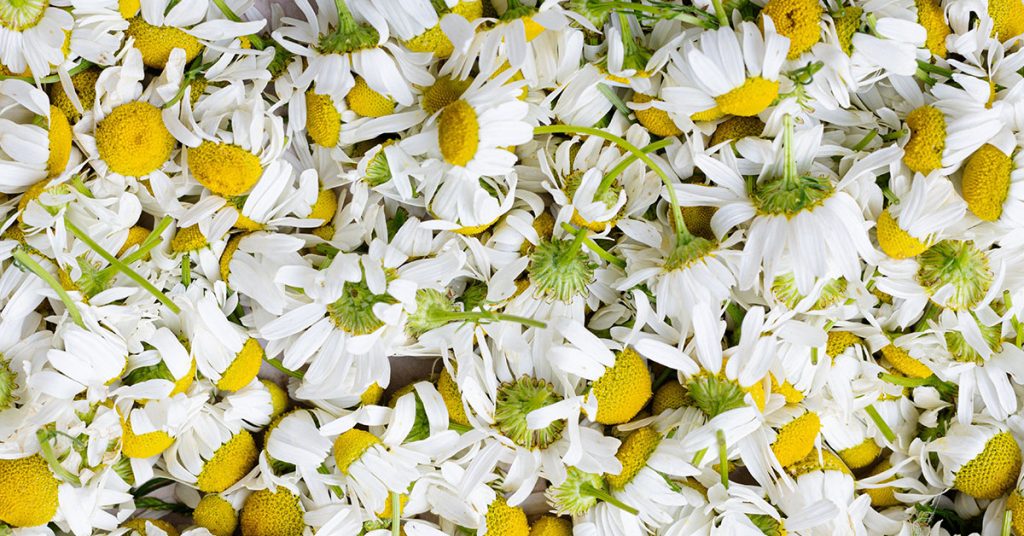
Chamomile (Matricaria chamomilla), native to Europe and Western Asia, is not only famed for its calming tea but also makes a gentle, nutrient-rich fertilizer for your garden. Its dainty, daisy-like flowers attract a variety of beneficial pollinators, including bees and small butterflies, that help maintain a balanced ecosystem. I’m always delighted by chamomile’s ability to soothe stressed plants while creating a microhabitat that supports natural pest control. In cultivated gardens, chamomile remains non-invasive and provides both beauty and function in a compact form.
To make chamomile tea for your garden, steep a generous handful of fresh or dried chamomile flowers in water for about a week, then strain and dilute before applying. This mild fertilizer tea helps improve soil health and encourages vigorous growth, thanks to the natural compounds present in the blossoms. The process mirrors chamomile’s native behavior in temperate fields, where it contributes to the ecosystem by attracting pollinators and supporting soil microbes. It’s a simple, effective way to nurture your garden with a touch of nature’s own remedy!
Horsetail Tea
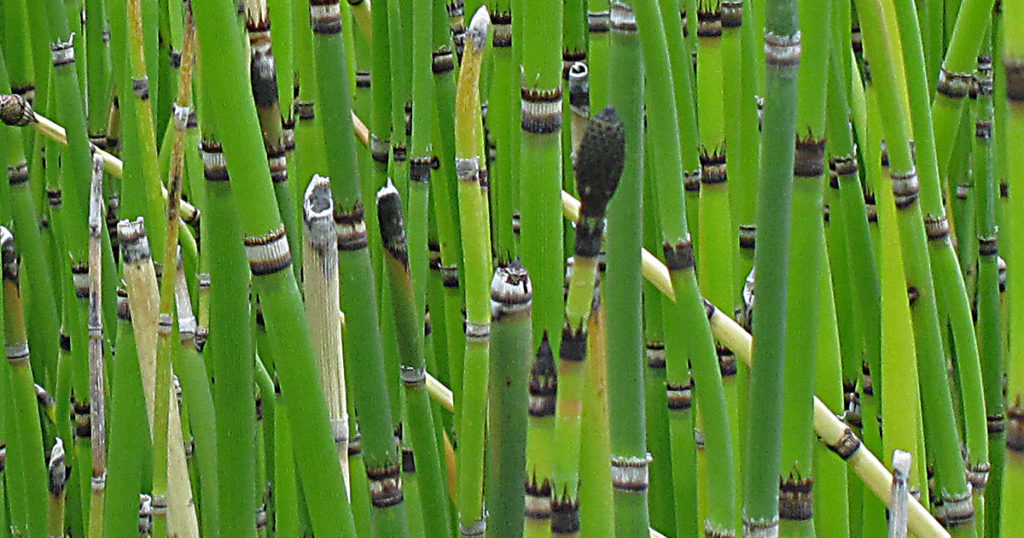
Horsetail (Equisetum arvense), native to temperate regions worldwide, is an ancient, fern-like plant that thrives in poor, rocky soils. Its high silica content makes it an excellent choice for strengthening plant cell walls and improving overall plant health. I’m always fascinated by horsetail’s rapid growth and its ability to attract beneficial insects like ground beetles and various pollinators, which create a vibrant microhabitat. While horsetail is considered invasive in some areas due to its aggressive spreading, it can be managed effectively in a controlled garden environment.
To create horsetail tea, steep fresh horsetail stems in water for several weeks to extract their mineral-rich compounds, then strain and dilute the infusion before use. This tea works wonders in fortifying plants and enhancing root development, much like the natural processes in its native habitats. Its robust, hardy nature makes it ideal for revitalizing even the most stressed soil, and I love how its unique properties contribute to a healthier, more resilient garden. Horsetail tea is a true testament to the enduring power of ancient plants in modern gardening!
Plantain Tea

Plantain (Plantago major), native to Europe and Asia, is a common weed that many gardeners overlook despite its remarkable benefits. Its broad, oval leaves are rich in vitamins and minerals, and it’s known to attract beneficial insects like ladybugs and hoverflies. I’m always amazed by how Plantain, even in poor soil, can transform a neglected patch into a nutrient powerhouse while remaining non-invasive in most garden settings. Its adaptability and rapid growth make it an ideal candidate for a natural fertilizer tea that supports overall garden health.
To make plantain tea, simply steep fresh leaves in water for about a week, strain, and dilute before applying to your garden. This nutrient-rich infusion promotes healthy growth and improves soil fertility, echoing plantain’s native role in European meadows. The tea not only boosts the health of your plants but also attracts pollinators and creates a microhabitat that supports soil organisms. I love using plantain tea as a low-cost, eco-friendly fertilizer that proves even common weeds can be transformed into garden gold!
Yarrow Tea
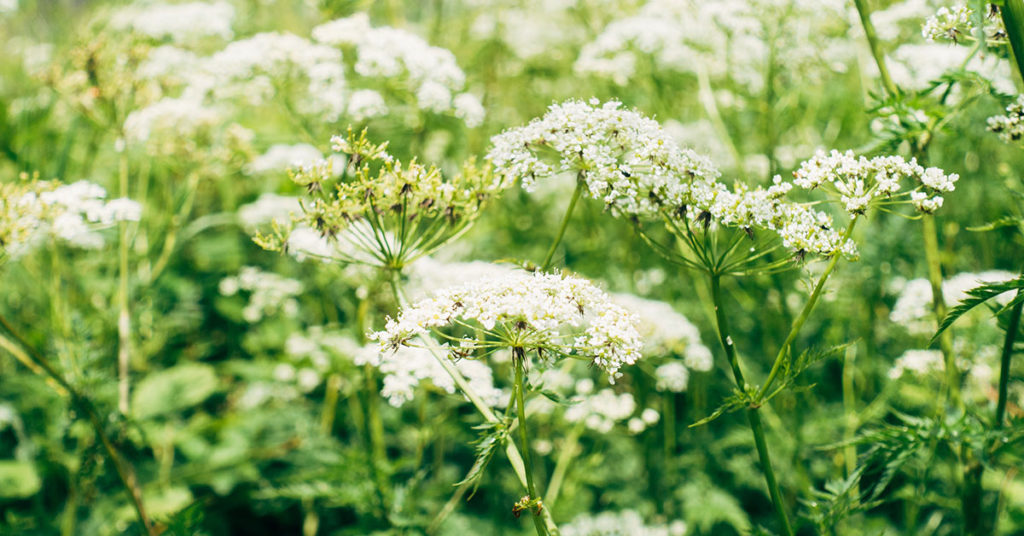
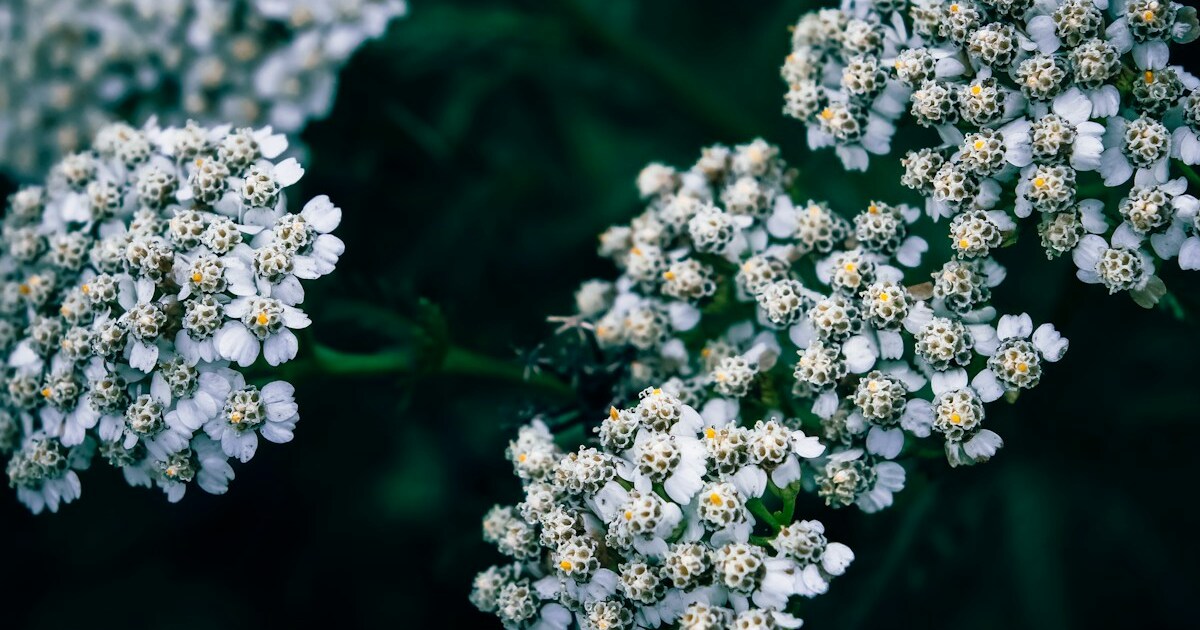
Yarrow (Achillea millefolium), native to Eurasia and North America, is a hardy perennial renowned for its feathery foliage and clusters of tiny, daisy-like flowers. Yarrow is particularly adept at thriving in poor, rocky soils and attracting a wide variety of pollinators, including bees and parasitic wasps that aid in natural pest control. I’m always captivated by the delicate beauty of yarrow and the way its nutrient-rich leaves can be transformed into a potent fertilizer tea that enhances soil health! Although yarrow can spread aggressively in the wild, in managed gardens it remains non-invasive, making it an excellent choice for sustainable gardening.
To prepare yarrow tea, gather fresh leaves and flowers and steep them in water for about a week to extract their beneficial compounds. This infusion is especially effective at improving soil structure and promoting vigorous growth in stressed plants. Its natural properties echo yarrow’s role in its native meadows, where it contributes to a diverse and balanced ecosystem. I love how yarrow tea not only nourishes your garden but also enriches it with a touch of wild, natural elegance!
Marigold Tea
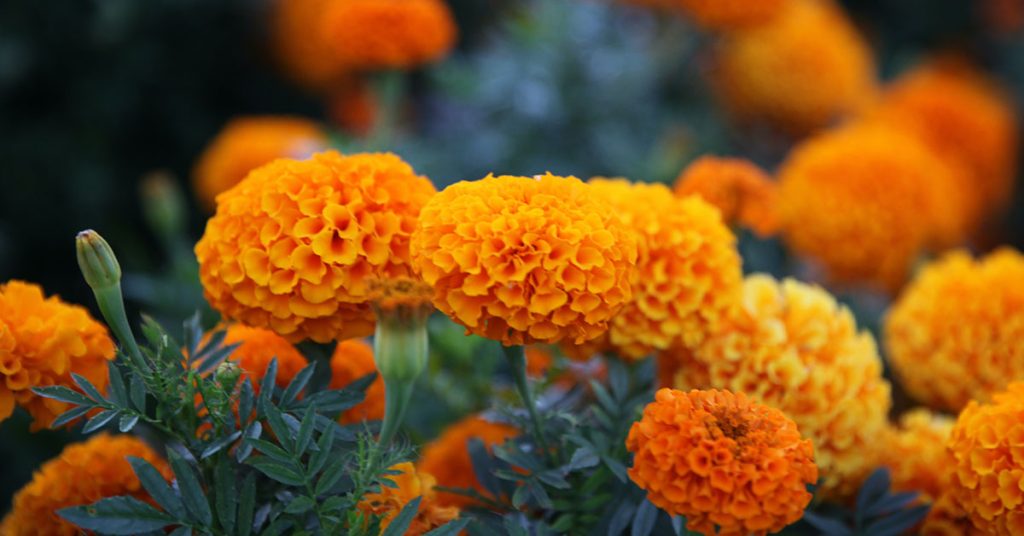
Marigolds (Tagetes spp.), native to the Americas, are vibrant annuals known for their bright orange and yellow blooms and natural pest-repelling properties. These cheerful flowers can be transformed into a liquid fertilizer tea that infuses your soil with essential nutrients and a burst of natural energy. I’m always delighted by how marigold tea, made from freshly harvested blooms and leaves, can help improve plant vigor and repel harmful insects naturally. In cultivated gardens, marigolds remain non-invasive and serve as a natural, low-cost solution for enhancing soil fertility!
In addition to its nutrient-rich properties, marigold tea attracts beneficial pollinators such as bees and parasitic wasps that support a balanced garden ecosystem. The dense, bushy growth of marigolds creates a natural mulch that suppresses weeds and retains moisture, further contributing to overall garden health. This eco-friendly fertilizer not only boosts the growth of neighboring plants but also reinforces natural pest control, making it a win-win for any gardener seeking a sustainable, chemical-free approach. It’s a true testament to the power of nature’s own remedies!
Mint Tea
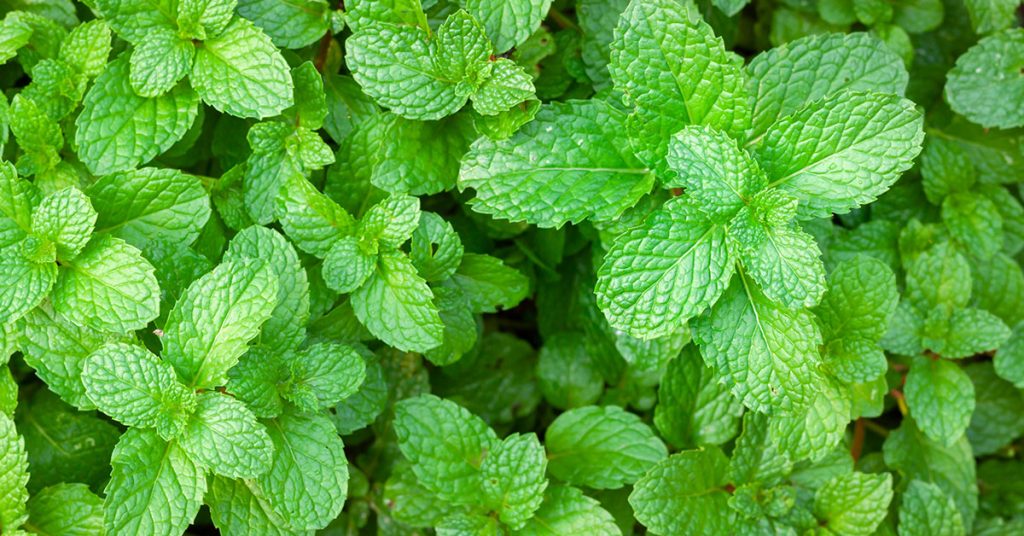
Mint (Mentha spp.), native to Europe and Asia, is a fast-growing herb famed for its invigorating aroma and robust, spreading growth. Its aromatic leaves are packed with essential oils that can be extracted to create a potent liquid fertilizer tea—ideal for enriching poor soil. I’m always excited by how mint tea can transform even the most nutrient-depleted garden patch, infusing it with natural vigor while attracting beneficial pollinators like bees and butterflies. Although mint can be aggressive in the wild, when grown in containers it remains non-invasive and easy to manage!
To make mint tea, simply steep a generous handful of fresh mint leaves in water for several days, then strain and dilute before use. This nutrient-rich brew not only promotes vigorous growth but also acts as a natural pest repellent, thanks to the potent essential oils in its leaves. Mint’s natural behavior of attracting beneficial insects and supporting soil microbes creates a dynamic microhabitat that enhances overall garden health. It’s an aromatic, refreshing solution that brightens your garden and your day!
Chamomile Tea
Chamomile (Matricaria chamomilla), native to Europe and Western Asia, is a delicate herb celebrated for its soothing properties and gentle, daisy-like blooms. Its light, aromatic flowers are a natural source of nutrients, and when steeped, they create a mild fertilizer tea that can boost the growth of your garden plants. I’m always enchanted by chamomile’s calming aroma and the way it attracts beneficial pollinators such as bees and small butterflies—each bloom a little beacon of natural wellness! Chamomile remains non-invasive in managed gardens, making it a safe and sustainable choice for enriching poor soil.
In addition to its aromatic and calming qualities, chamomile tea helps improve soil structure by adding organic matter as the flowers and leaves decompose. Its natural properties support beneficial soil microbes and enhance water retention, creating a nurturing microhabitat for neighboring plants. This gentle infusion not only encourages robust growth but also promotes a balanced ecosystem in your garden. It’s a beautiful reminder that even the most delicate plants can pack a powerful, nourishing punch!
Alfalfa Tea
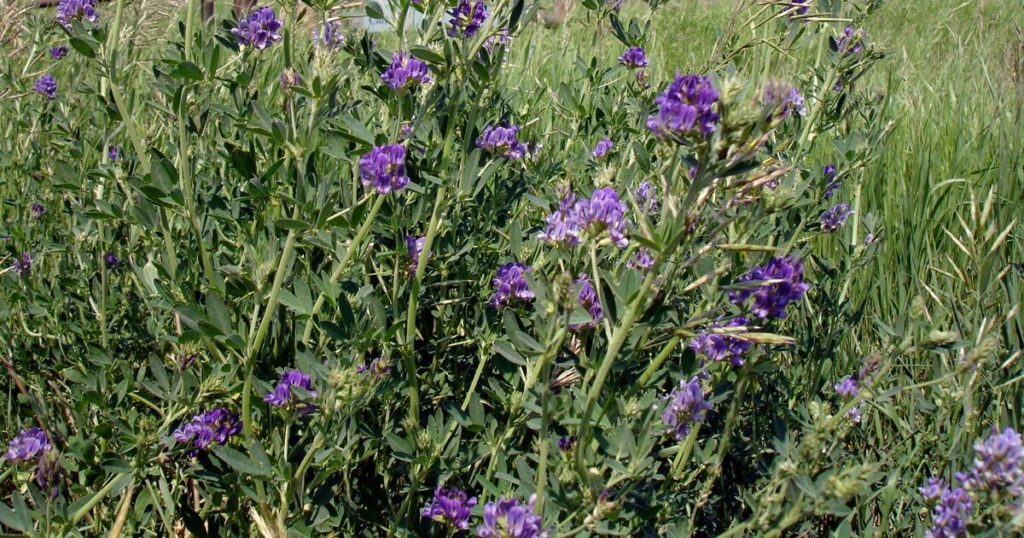
Alfalfa (Medicago sativa), native to temperate regions of the Middle East and widely cultivated in North America, is a nutrient-dense forage crop that also makes an excellent liquid fertilizer tea. Rich in nitrogen, phosphorus, and potassium, alfalfa tea is a powerhouse that can significantly boost soil fertility and promote vigorous plant growth. I’m always excited by the way alfalfa transforms poor soil into a thriving medium, making your garden bloom with renewed vitality! While alfalfa is cultivated extensively for forage, it remains non-invasive in a controlled garden setting, offering an eco-friendly solution to soil enrichment.
In addition to its nutrient benefits, alfalfa tea naturally attracts beneficial insects and enhances soil microbial activity. Its rapid decomposition adds organic matter to the soil, improving texture and moisture retention while supporting a diverse ecosystem. This sustainable, natural fertilizer is a favorite among gardeners who value organic methods and see the power of nature in every drop. It’s a simple, cost-effective way to harness the natural bounty of alfalfa for a healthier, more resilient garden!