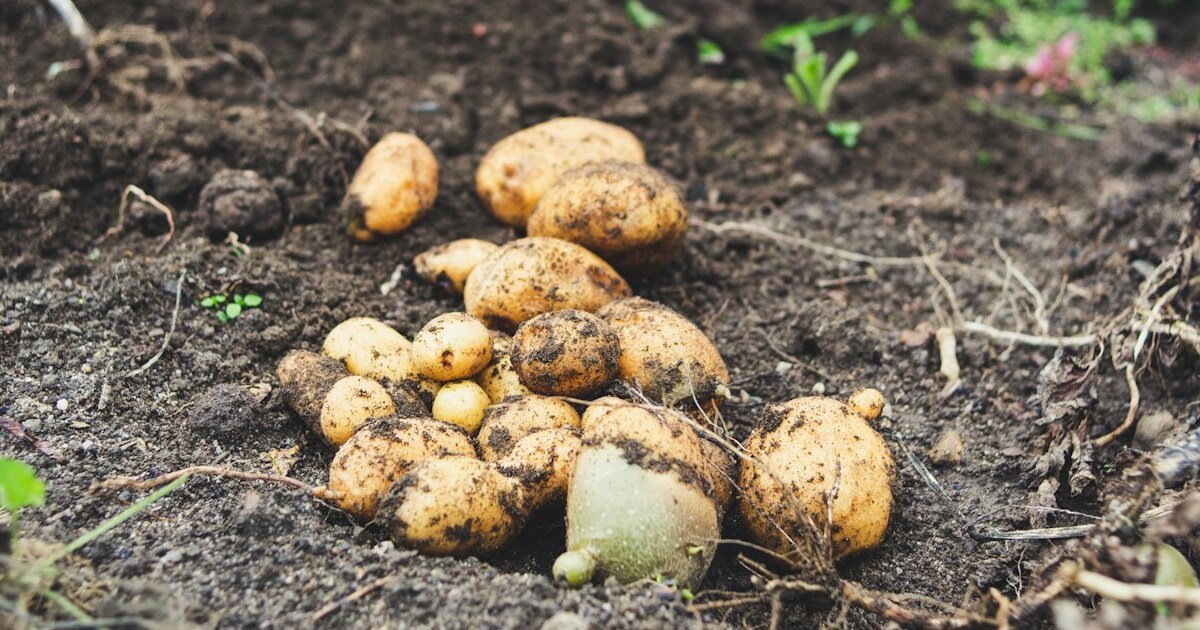

Late summer can be make-or-break for your potato patch. As days start to shorten and heat lingers, this is the perfect window to give your spuds the TLC they need for a bountiful fall harvest. Whether you’re dealing with wilting leaves, hungry beetles, or erratic weather, these eleven focused tips will help you nurse your potatoes through August into September with vigor and health.
I know how discouraging it can be when you’ve tended your rows all season only to see yellowing foliage or volunteer tubers sprouting everywhere. That’s why I’m sharing my favorite strategies—from encouraging beneficial insects to smart watering and pest control—to help you enjoy a bumper crop. Let’s dive in and transform those late-season challenges into late-season victories!
Encourage Beneficial Insects with Companion Flowers

Planting marigolds, dill, or borage near your potatoes isn’t just pretty—it’s strategic! Marigolds (Tagetes spp.) hail from Mexico and Central America and aren’t invasive, but they release compounds that confuse nematodes and deter potato pests. Dill (Anethum graveolens), native to Southwestern Asia, attracts lacewings and parasitic wasps that feast on aphids, while borage beckons honeybees and supports ground-nesting bees digging small burrows nearby.
Watching these insect allies patrol your potato rows is a thrill! One of my favorite sights is a hoverfly larva snacking on tiny aphids or a solitary bee popping in and out of a soil tunnel just inches from a potato mound. These beneficials bolster your patch’s resilience without a drop of pesticide!
Regular Hilling to Protect Tubers

Hilling—piling fresh soil or mulch around the base of your potato plants—serves multiple late-summer needs. It shields developing tubers from sunscald (which turns them green and bitter) and encourages the plant to produce more stolons (those underground stems that bear potatoes). Native to the Andes Mountains of South America, potatoes are accustomed to being covered and uncovered by shifting soils!
I like to hill every couple of weeks through August, using loose compost or straw. Not only does this stabilize soil moisture and suppress weeds, but it gives me a chance to inspect the lower stems for signs of disease or pests—think of it as a garden check-up.
Use Floating Row Covers for Pest and Disease Control
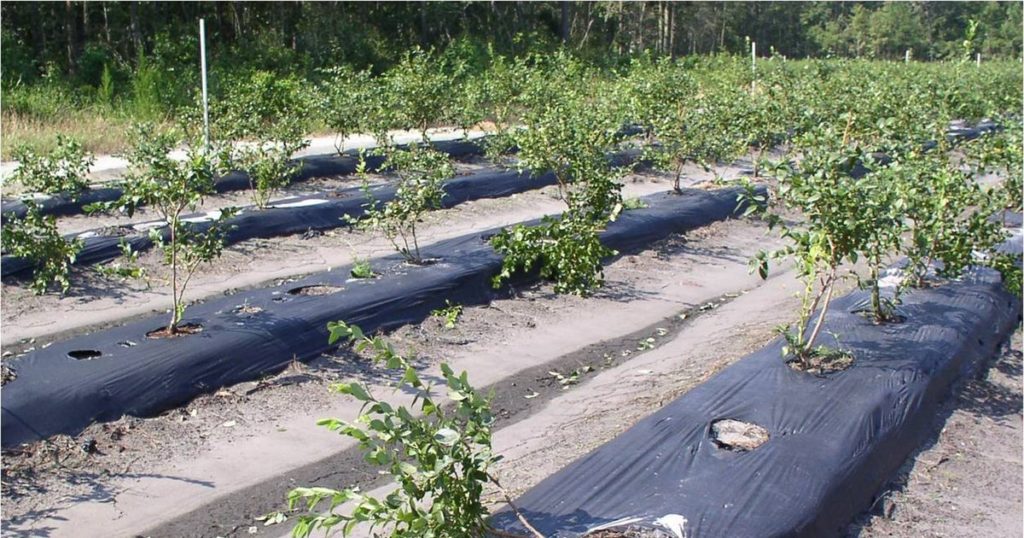
Draping lightweight row covers over your potatoes can be a game-changer in late summer. These breathable fabrics keep out Colorado potato beetles and flea beetles while also reducing the chance of late blight spores splashing up from the soil. Since potatoes are not invasive—they won’t colonize beyond your mounds—covering them poses no risk of trapping unruly vines.
Row covers also moderate extreme temperature swings and create a slightly more humid microclimate, which helps maintain healthy foliage when days are hot and nights get cooler. Remember to secure edges well so no sneaky beetles slip underneath!
Deep, Infrequent Watering
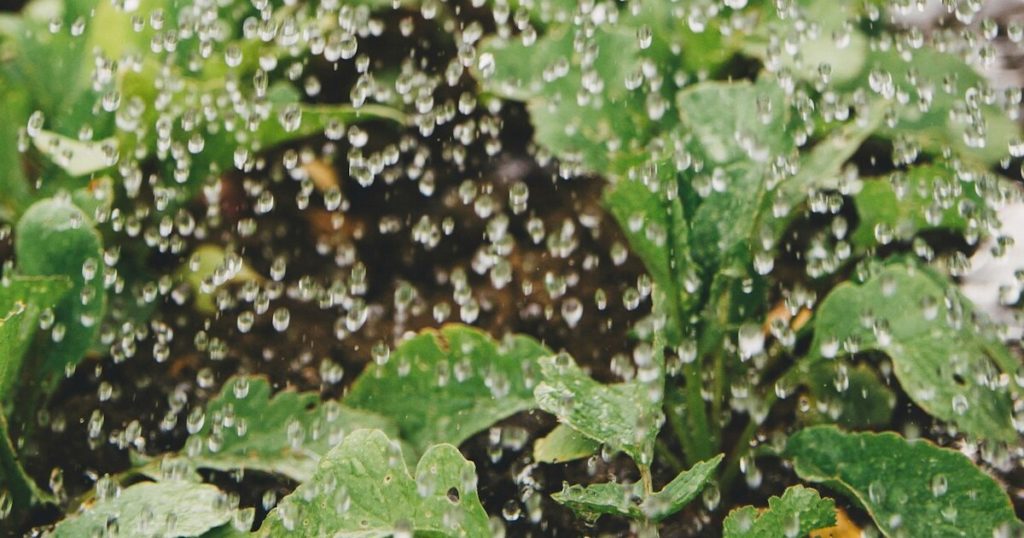
Potatoes crave consistent moisture, but soggy soil invites rot and fungal diseases. A deep soak once or twice a week is far better than daily sprinkling. This encourages roots—and stolons—to grow downward in search of water, leading to sturdier plants and more tubers. In late summer, when the sun still beats down but rains can be unpredictable, I schedule watering early in the morning to minimize evaporation.
When soil stays evenly damp but not waterlogged, potato foliage remains lush, reducing sunscald risk. You’ll also find fewer volunteer potatoes popping up later; tubers left too close to the surface often sprout new plants that compete with your main crop.
Remove Diseased Foliage Promptly

Yellowing, spotted, or wilting leaves can signal late blight, early blight, or bacterial wilt. Snipping off affected foliage and disposing of it (never compost!) prevents pathogens from spreading underground or to neighboring plants. Since potatoes are non-invasive, removing infected parts won’t hinder any escape growth—it simply keeps your patch healthy.
I carry a dedicated pair of sanitized pruners when I hill or harvest, so I can quickly excise any suspicious stems. It’s such a relief to know I’m stopping disease in its tracks before it can ruin the entire row!
Mulch with Straw or Leaf Mold

A layer of straw or well-rotted leaf mold does wonders in late summer. It keeps soil temperatures cooler during heatwaves, conserves moisture, and suppresses weeds—no more battling dock or creeping buttercup among your tubers! Garden leaves from deciduous trees make a free, sustainable mulch once chipped or shredded.
Beyond these benefits, mulch also offers habitat for beneficial ground beetles and rove beetles, which hunt slugs and other soft-bodied pests. I often spot them under my straw mulch at dawn, patrolling my potato rows—nature’s little garden guardians!
Harvest New Potatoes Early
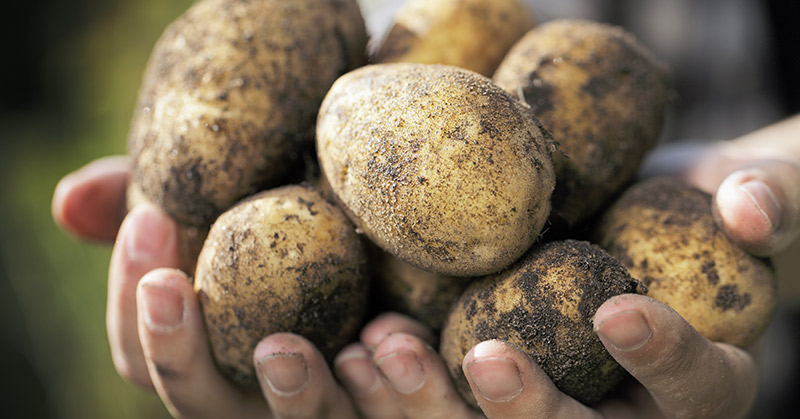
If you’ve planted early varieties, late summer is prime time for “new” or “baby” potatoes. Gently dig around the base of a few hills to lift small, tender tubers that haven’t yet bulked up. This not only rewards you with fresh, creamy spuds but also frees the plant to direct energy toward filling the remaining tubers before frost.
I love sneaking into the garden with a colander and a small trowel, revealing those perfect handfuls of new potatoes! Just be careful not to damage deeper, growing tubers—you want to leave the main crop undisturbed until signs of senescence arrive.
Trim Excess Suckers and Side Shoots
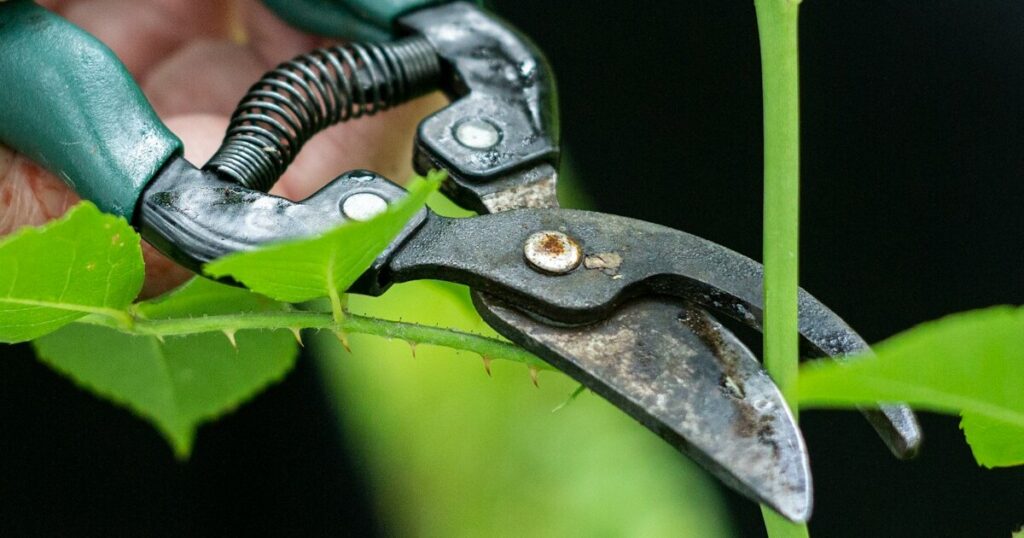
Potato plants can produce vigorous side stems that sap energy away from tuber development. In late summer, pinch off or prune these unnecessary suckers back to the main stem. Since potatoes are native to mountainous Andes regions where competition for light is fierce, they naturally send out extra shoots—pruning helps concentrate their efforts underground.
It’s such a satisfying pinch, watching the plant refocus its sap flow toward your potatoes. Plus, fewer leaves mean better air circulation around the stem collars, reducing the risk of fungal spots and mildew.
Practice Crop Rotation and Clean Up Volunteers

Potatoes left behind in the soil can sprout volunteers next year, potentially harboring diseases. Rotating your patch—never planting potatoes (or other solanums) where they grew last year—keeps soil-borne pathogens like scab or blight organisms at bay. Any stray plants that pop up in spring can be pulled before flowering to minimize volunteer pressure.
I always mark my potato beds and plan a three-year rotation cycle: potatoes → legumes or brassicas → leafy greens. This simple pattern pays dividends in reduced pest pressure and healthier harvests season after season!
Scout for Colorado Potato Beetles
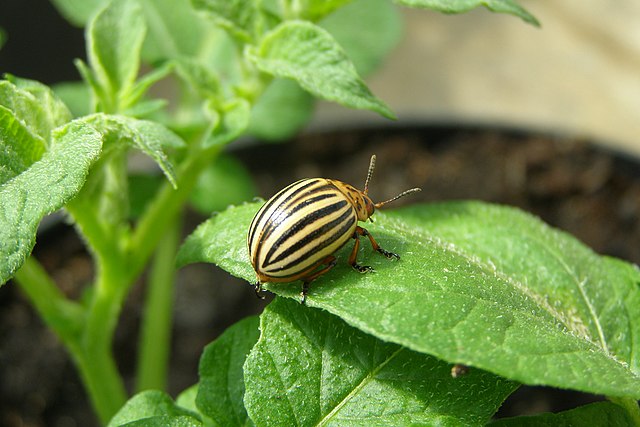
These striped invaders can decimate foliage if left unchecked. In late summer, they’ll be in their final larval stages, so early detection is key. Handpick adults and larvae during your hilling sessions—wear gloves if beetle handling grosses you out! Since potatoes aren’t invasive, removing these critters won’t leave any gaps in your rows.
For a natural deterrent, sprinkle neem meal or diatomaceous earth around the base of plants. These treatments won’t harm your pollinators—especially those bees nesting in nearby bare soil—but they make life miserable for the beetles. You’ll feel triumphant each time you find and remove a cluster of those orange-spotted larvae!
Foliar Feed with Compost Tea or Organic Fertilizer
By late summer, your potatoes have already drawn heavily on soil nutrients. A gentle foliar spray of aerated compost tea (rich in beneficial microbes) or a balanced organic fertilizer can give foliage a health boost without overwhelming tuber development. Spray early morning for best uptake and to avoid sunburn on leaves.
I whip up a batch of compost tea using garden scraps and brewed it for 24 hours—then mist it over my rows. It’s amazing how quickly the leaves perk up, and stronger foliage translates into better tuber sizing. Plus, those microbial allies can help ward off latent diseases lurking in the soil!