

Bringing a touch of the tropics into your living space is one of the joys of indoor gardening, and few plants capture that exotic flair like those that resemble palm trees! I understand the challenges of indoor gardening—dealing with low light, dry air, and even the occasional pest invasion—and I’m excited to share a list of 11 resilient house plants that can transport you to a mini tropical paradise right in your home. Each plant has its own story, native roots, and unique behaviors that make them not only visually appealing but also great for attracting beneficial insects and even offering nesting spots for small creatures in a busy indoor ecosystem!
In this guide, you’ll discover a variety of options ranging from the elegant Bamboo Palm to the striking Majesty Palm, each arranged in a randomized order to keep things fresh and interesting. I’ve gathered detailed insights about their origins, care requirements, and even whether they’re known to be invasive in certain environments. As someone who’s spent countless hours nurturing my indoor garden, I’m thrilled to help you choose the perfect palm-like house plants that brighten your space and bring the essence of a tropical retreat indoors!
Bamboo Palm

The Bamboo Palm, known scientifically as Chamaedorea seifrizii, exudes a serene charm with its slender, arching fronds that mimic the delicate appearance of bamboo! Native to the tropical forests of Central America, this plant has become a favorite for indoor spaces due to its graceful, feathery foliage and its ability to thrive in lower light conditions. I appreciate how its elegant structure not only enhances the aesthetics of my living room but also attracts a variety of beneficial insects that play a role in maintaining a balanced indoor ecosystem.
One of the best aspects of the Bamboo Palm is its non-invasive nature, making it an ideal choice for beginners who are still learning the ropes of indoor gardening. It’s fascinating to watch as small critters find cozy perches among its fronds, adding life to the space without overwhelming the plant. With its calming presence and tropical allure, the Bamboo Palm brings an instant sense of relaxation and natural beauty to any home!
Ponytail Palm

The Ponytail Palm, or Beaucarnea recurvata, is a strikingly unique plant that, despite its name, isn’t a true palm but has all the tropical vibes you’d expect! Originating from the arid regions of Mexico, its swollen base and cascading, strap-like leaves make it a standout feature in any indoor setting. I’m always impressed by how this plant not only looks like a palm with its lush, upward-fanning foliage but also attracts curious onlookers and even small pollinators that enjoy its surprising bursts of energy.
Its drought-tolerant nature means that the Ponytail Palm is exceptionally low-maintenance and adaptable to various indoor conditions, making it perfect for beginners. Although it tends to grow slowly, its charming form and resilience make it a delightful addition to any collection. With its quirky appearance and robust character, the Ponytail Palm is like a little piece of the desert turned tropical oasis in your living room!
Sago Palm
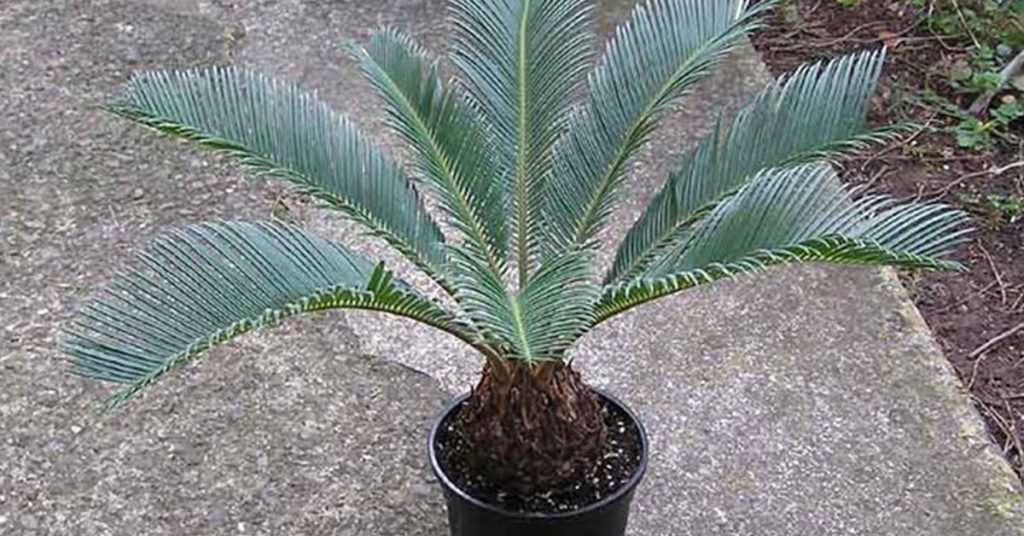
The Sago Palm, known botanically as Cycas revoluta, brings a dramatic, architectural element to your indoor garden with its thick, evergreen fronds and rugged trunk! Despite being a cycad and not a true palm, its visual appeal is undeniably reminiscent of a tropical palm tree. Native to the southern regions of Japan and South Korea, the Sago Palm has long been admired for its longevity and striking, prehistoric appearance. I find its bold silhouette to be a conversation starter that draws the attention of both guests and beneficial insects alike.
While the Sago Palm is generally easy to care for, it’s important to note that every part of the plant is toxic if ingested, so caution is advised in homes with pets or small children. Fortunately, it’s not considered invasive when grown indoors, and its sturdy nature makes it a great option for adding a touch of timeless elegance to your space. Watching this plant thrive despite its ancient lineage fills me with awe and reminds me of nature’s enduring power!
Parlor Palm

The Parlor Palm, or Chamaedorea elegans, is a classic choice for those seeking a compact and elegant plant that embodies the essence of tropical tranquility! Native to the rainforests of Mexico and Guatemala, this palm is renowned for its graceful, feathery fronds that add a lush, serene atmosphere to any room. I’ve always found that the Parlor Palm not only beautifies a space but also attracts small pollinators and beneficial insects that bring a dynamic touch of nature indoors. Its delicate appearance makes it a perfect complement to any modern interior design.
This plant is also celebrated for its ease of care—it thrives in low-light conditions and requires minimal maintenance, making it ideal for busy gardeners or those just starting out. Although it can spread slowly, the Parlor Palm is generally not invasive, ensuring that its growth remains controlled and manageable. Its soothing presence and classic tropical vibe have earned it a special place in my heart and in my indoor garden!
Fishtail Palm
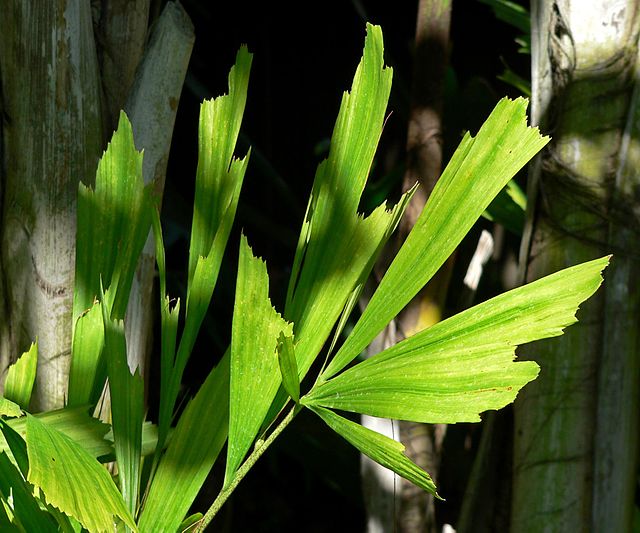
The Fishtail Palm, scientifically known as Caryota mitis, stands out with its uniquely segmented, fan-like fronds that resemble the elegant fins of a fish! Native to Southeast Asia, this striking plant brings an exotic flair to indoor spaces, creating a dramatic focal point that is both unusual and captivating. I love how its distinctively divided leaves seem to sway gracefully with the indoor breeze, drawing in small pollinators and even serving as an impromptu shelter for tiny creatures in need of a resting spot.
Even though the Fishtail Palm’s growth habit can be a bit vigorous, it is typically well-behaved when cared for properly in an indoor setting. It’s fascinating to see how its architectural form transforms any room into a mini tropical haven, and its non-invasive nature ensures that you won’t have to worry about it overtaking your space. The Fishtail Palm truly brings a slice of the tropics indoors, making every day feel like a mini vacation!
Triangle Palm
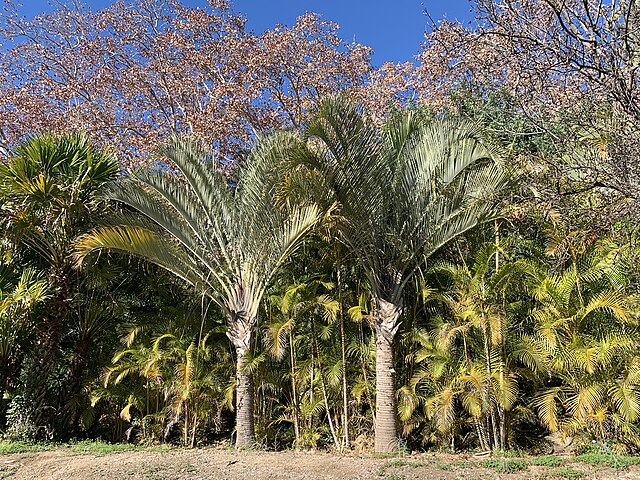
The Triangle Palm, or Dypsis decaryi, offers an extraordinary geometric twist to the traditional palm look with its fan-shaped, triangular leaves that radiate a sense of modern elegance! Native to Madagascar, this plant is a rare gem in the world of indoor gardening, prized for its architectural appeal and distinctive foliage. I’m always excited by its unconventional shape, which not only serves as a visual delight but also creates interesting microhabitats for small insects and birds that might find refuge among its leaves.
Despite its bold appearance, the Triangle Palm is relatively easy to manage indoors and is not known to be invasive. Its structured growth and striking form make it a perfect candidate for adding a touch of contemporary style to your living space, while also offering a refreshing burst of tropical energy. Every time I glance at my Triangle Palm, I’m reminded of the beauty that emerges when nature meets design—a truly inspiring sight for any gardener!
Areca Palm

The Areca Palm, scientifically recognized as Dypsis lutescens, is a true tropical beauty that fills any room with its feathery, arching fronds and sunlit charm! Native to Madagascar, the Areca Palm is widely celebrated for its air-purifying qualities and its ability to create a lush, vacation-like ambiance indoors. I always enjoy watching this plant sway gently, as its elegant fronds attract a host of beneficial insects and even provide subtle perching spots for small birds that might find their way indoors through an open window.
While the Areca Palm is known for its graceful beauty, it’s also quite robust and typically remains non-invasive when grown in pots or controlled indoor settings. Its adaptability to various light conditions makes it an excellent choice for both seasoned plant parents and beginners alike. The Areca Palm’s enduring appeal and ease of care make it a delightful addition to any indoor garden, instantly transforming your space into a tropical retreat that exudes warmth and vitality!
Christmas Palm
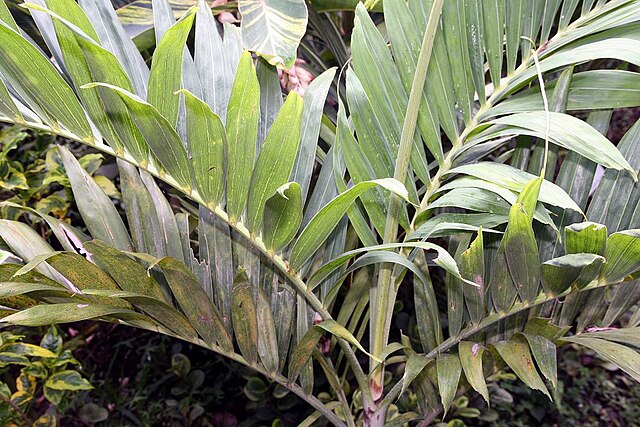
The Christmas Palm, or Adonidia merrillii, brings a festive burst of tropical elegance to any indoor setting with its slender, arching fronds and soft, graceful silhouette! Native to the Philippines, this charming palm is often admired for its ability to brighten up a room with a touch of holiday cheer all year round. I’m particularly fond of how its delicate structure attracts a variety of small pollinators and creates inviting nooks where beneficial insects might take shelter, adding an extra layer of natural magic to your space.
Despite its festive appeal, the Christmas Palm remains low-maintenance and non-invasive, making it an ideal choice for anyone looking to add a bit of tropical charm without the hassle of aggressive growth. Its compact nature and adaptability to indoor light conditions mean you can enjoy its beauty in apartments, offices, or any cozy corner of your home. With every glance at this lovely palm, it feels like the holiday spirit is gently infused into your everyday environment!
Kentia Palm
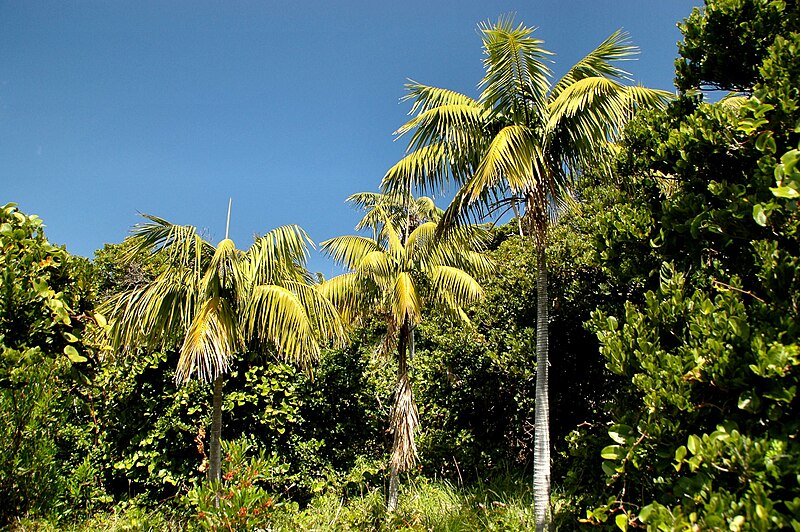
The Kentia Palm, known by its botanical name Howea forsteriana, exudes understated elegance with its long, arching fronds that lend a sophisticated tropical feel to any interior space! Native to Lord Howe Island in Australia, this palm is prized for its graceful form and its ability to thrive in low to moderate light conditions—perfect for indoor environments. I appreciate how the Kentia Palm not only enhances my décor but also quietly attracts a variety of beneficial insects that help create a balanced indoor ecosystem, making it a delightful focal point in my plant collection.
This palm is revered for its refined beauty and non-invasive nature, which makes it a favorite among novice and experienced plant enthusiasts alike. Its slow, steady growth ensures that it remains a manageable presence while still making a bold statement in your living space. Every time I care for my Kentia Palm, I’m reminded of its timeless charm and the serene, tropical atmosphere it brings into my home—a true indoor treasure!
Lady Palm
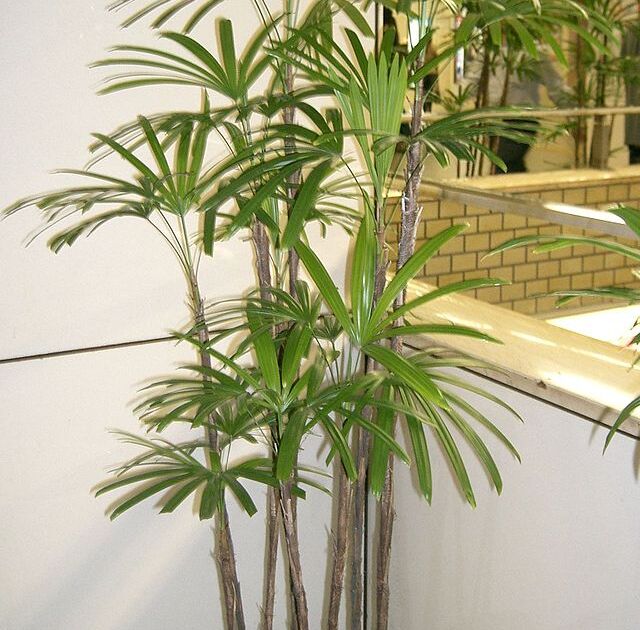
The Lady Palm, or Rhapis excelsa, is a stately and lush indoor plant that evokes the elegance of tropical palms with its fan-shaped fronds and rich, green foliage! Native to Southeast Asia, this plant has long been a popular choice for creating a verdant, welcoming ambiance indoors. I’m always delighted by how the Lady Palm attracts a myriad of small pollinators and even offers little hideaways for beneficial insects, which add to the vibrant life of my indoor garden. Its classic beauty is both soothing and invigorating, making it an essential addition to any plant collection.
Despite its sophisticated appearance, the Lady Palm is remarkably adaptable and non-invasive when grown in a controlled environment. It thrives in moderate light and moisture, making it perfect for those who may have struggled with more demanding tropical species in the past. The graceful elegance of the Lady Palm brings a sense of calm and luxury to my home, serving as a gentle reminder that nature’s beauty can flourish even in the coziest of spaces!
Majesty Palm

The Majesty Palm, or Ravenea rivularis, is a grand and majestic indoor plant that instantly transforms any room with its lush, cascading fronds and tropical grandeur! Native to Madagascar, this palm-like wonder brings a vibrant splash of the exotic into your living space. I find it particularly captivating how the Majesty Palm not only creates an impressive visual statement but also attracts a variety of beneficial insects and small pollinators that contribute to a thriving indoor habitat. Its regal appearance and lively energy never fail to evoke a sense of wonder and admiration!
Although the Majesty Palm can grow quite tall and expansive, it remains relatively non-invasive when nurtured in a pot with proper care and maintenance. Its robust yet graceful growth pattern makes it an excellent choice for those who want to experience a slice of tropical luxury without the commitment of outdoor gardening. Every time I tend to my Majesty Palm, I’m filled with a renewed sense of excitement for indoor gardening and the endless possibilities that a touch of nature can bring into our homes!