

As an enthusiastic gardener who’s spent countless summers battling the challenges of the scorching sun, I’m here to share some crucial tips on what not to do when watering your garden in hot weather! I know how disheartening it can be when your precious plants—whether they’re tender tomatoes (native to South America) or resilient roses (enjoying their global journey)—suffer from improper watering techniques. It’s such a bummer when pests take over or when your green friends wither away under a relentless heatwave, but understanding these common watering mistakes can help you create a thriving, balanced garden even in extreme conditions.
In my own experience, learning from these errors has transformed my garden into a refreshing oasis during the hottest months. I’ve discovered that a little knowledge goes a long way in preventing issues like wasted water, root burn, or even attracting unwelcome critters that might use a soggy garden as a nesting site! Let’s dive into 11 hot weather watering mistakes you should avoid, along with some personal insights and practical tips to keep your plants happy and healthy all summer long.
High-Pressure Watering Damage

Using high-pressure water to irrigate your garden in the heat of summer can be more harmful than you’d expect! When water is blasted onto delicate plants—like tender basil or soft lettuce (both thriving in specific native conditions)—the force can damage fragile leaves, break stems, and disturb the soil structure. I’ve witnessed firsthand how a high-pressure jet not only washes away the precious topsoil but also discourages beneficial insects from settling in the splintered foliage, leaving your plants stressed and more vulnerable to pests.
In my own garden, I learned to switch to a gentle, even trickle of water during the hottest parts of the day. This approach mimics the natural rainfall patterns found in the native habitats of many plants, ensuring that the water is absorbed steadily without shocking the system. The softer flow helps maintain a stable environment, inviting beneficial critters to explore and even nest among the lush, undisturbed growth. Trust me, a gentle hand with your watering system makes all the difference during the blazing summer months!
Overhead Sprinkler Issues
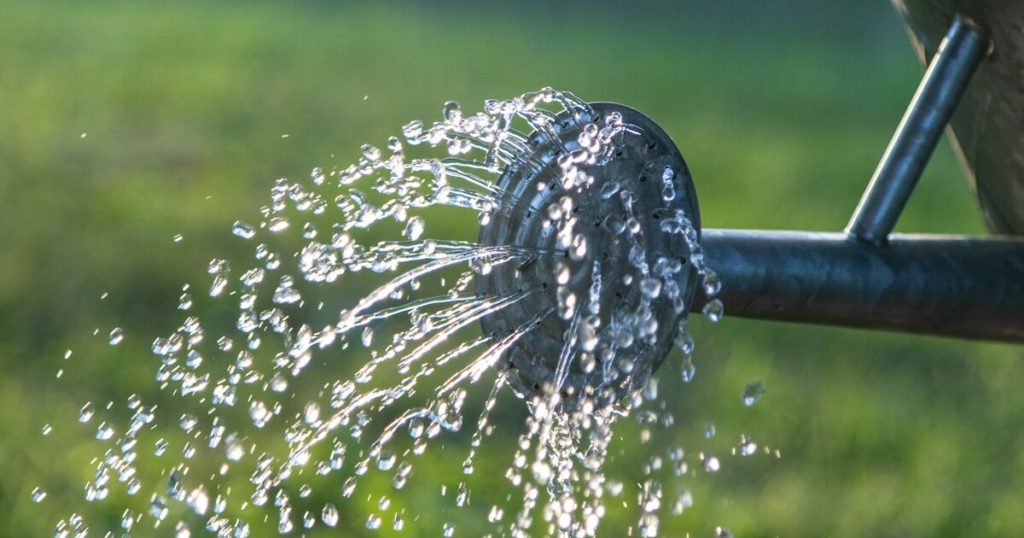
Overhead sprinklers may seem like an efficient way to water your garden, but in hot weather they can inadvertently cause more harm than good. When water is sprayed from above, it often lands on the leaves first, which can lead to leaf burn or create a damp environment that encourages fungal diseases. This is especially true for plants like fuchsias or petunias, which may be native to milder climates and are not naturally equipped to handle prolonged wet foliage. I’ve seen situations where overhead watering not only wasted water but also disrupted the natural behavior of beneficial insects that prefer drier leaves for safe nesting.
I’ve adjusted my own watering routine to focus more on soil-based irrigation methods—like drip systems or soaker hoses—during the hottest days. This not only delivers water directly to the roots of plants (think of those tomatoes and peppers, native to sun-drenched regions) but also minimizes the risk of leaf damage. The result is a more resilient garden where moisture is conserved and beneficial insects are free to frequent without the threat of soggy, diseased leaves. It’s a small change that brings about a world of difference in maintaining a healthy garden ecosystem!
Ignoring Soil Moisture Levels
Failing to monitor your soil moisture during a hot spell is a mistake that can leave your plants either parched or drowning in water. In my early gardening days, I once assumed that every watering session was sufficient until I noticed that some areas, like the delicate herbs (native to Mediterranean climates), were wilting while other spots became waterlogged. Ignoring the real-time needs of your soil can lead to imbalances where plants suffer from either drought stress or root rot—a bummer for any gardener striving for vibrant growth.
I now make it a point to regularly check moisture levels using simple tools like a soil probe or even my finger, which has saved me countless headaches. This careful monitoring has not only helped me adjust watering times but also improved the overall health of my garden, ensuring that beneficial organisms such as earthworms and pollinators are welcomed into a well-balanced, moist habitat. When the soil is just right, your plants can flourish, and even tiny critters find the perfect environment to nest and thrive!
Failing to Adjust Watering Schedule for Heat Waves

One of the most common mistakes I’ve seen is sticking to the same watering schedule, even when a heat wave hits. During extreme temperatures, plants—like my prized basil and marigolds (native to warm climates)—need extra hydration to combat the relentless sun. I’ve learned the hard way that not adjusting your watering routine can lead to rapid dehydration, causing leaves to wilt and roots to dry out. It’s such a bummer when your garden suffers simply because the schedule wasn’t updated to match the soaring temperatures!
In my own experience, I’ve started to tailor my watering routines during heat waves by increasing frequency and duration while avoiding the midday sun. This not only ensures that water reaches the roots when they most need it but also helps maintain a stable microenvironment that attracts beneficial insects and even encourages a natural nesting habitat in the garden’s cooler areas. Being flexible with your watering schedule can truly be a lifesaver, keeping your plants robust and your garden a delightful haven even under the harshest conditions!
Watering Leaves Instead of Roots
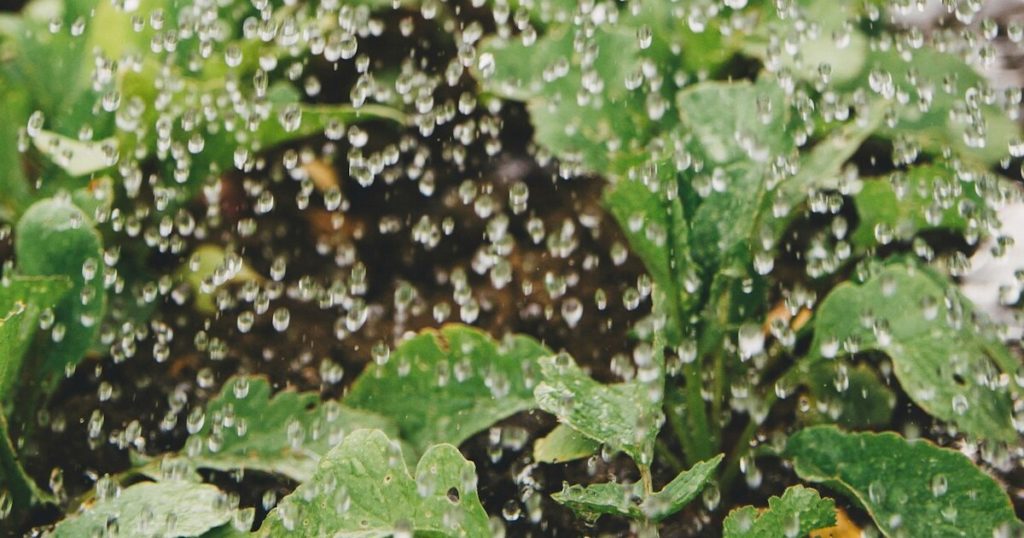
A critical mistake many gardeners make is watering the foliage rather than directing moisture to the roots. In hot weather, watering leaves can cause them to scorch under the blazing sun—a fate that befell my tender spinach and lettuce (both of which thrive in cooler, native conditions). When leaves are wet and then hit by intense sunlight, they can develop burns and spots that hinder photosynthesis, making it hard for plants to recover. I’ve seen firsthand how this mistake not only affects plant health but also deters beneficial insects that rely on the foliage for safe resting spots.
To avoid this, I’ve adjusted my approach to focus on soil-based watering methods. By using drip irrigation or soaker hoses, I ensure that water penetrates directly to the roots where it’s needed most. This method supports the natural resilience of plants—like many that are native to arid regions—and helps maintain a balanced soil environment that encourages beneficial microbes and even tiny critters to make their home. Directing water to the roots is a simple yet powerful technique that can transform a struggling garden into a flourishing, well-nourished oasis!
Neglecting Mulch for Moisture Retention
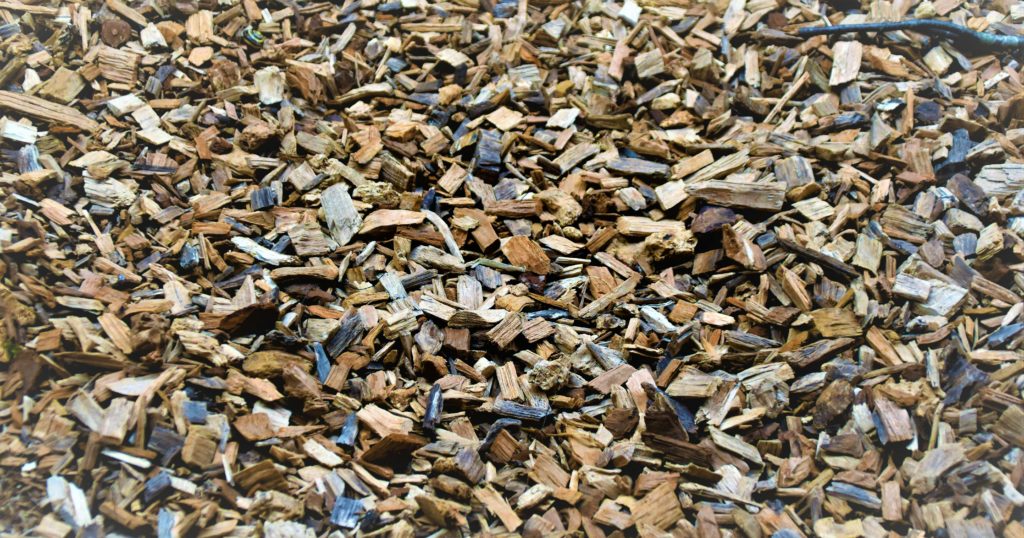
Failing to use mulch during hot weather is a common oversight that can lead to excessive evaporation and soil dryness. Mulch not only helps retain soil moisture but also regulates temperature and suppresses weed growth—an essential trio for maintaining a healthy garden. I once neglected to add a layer of organic mulch around my tomato plants (native to South America and known for their sun-loving nature) and quickly found that the soil dried out far too rapidly. It was such a bummer to see the potential of my garden diminished by something as simple as skipping the mulch!
Since then, I’ve embraced mulching as a vital part of my hot weather gardening routine. A thick layer of organic material, like straw or shredded leaves, helps lock in moisture and creates a stable environment for both the roots and the beneficial insects that sometimes find refuge in the cool, dark mulch. This not only conserves water but also improves soil structure and fertility over time—ensuring that even during a heat wave, your garden remains lush and inviting. It’s one of those small adjustments that can make a huge difference in keeping your plants thriving in the relentless summer heat!
Under-Watering Due to Evaporation
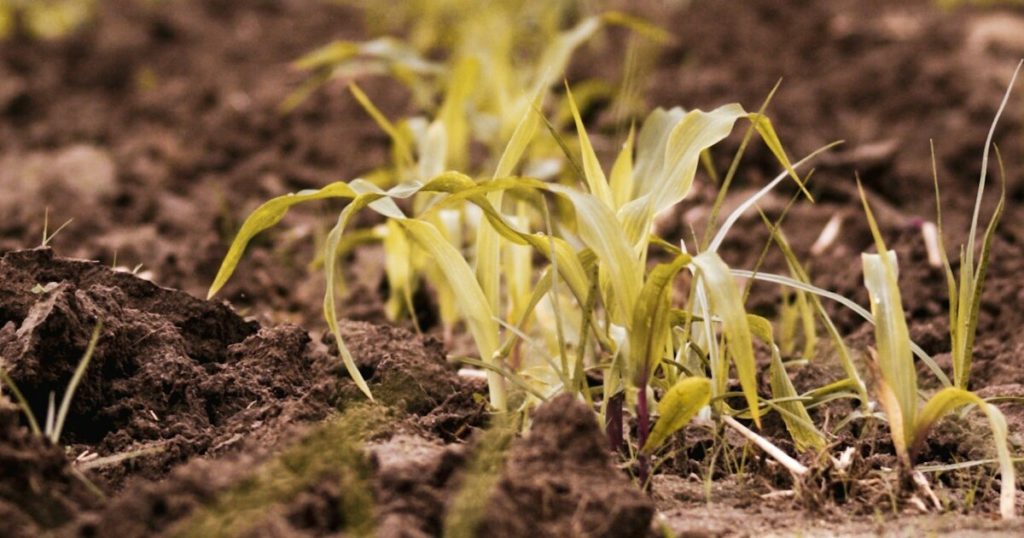
Under-watering is a common mistake in hot weather, often exacerbated by rapid evaporation rates that leave the soil dry before plants can fully absorb the water. I’ve seen many a gardener, including myself in my early days, struggle with wilting plants like basil and cilantro (both hailing from regions with a natural balance of moisture) simply because the water wasn’t retained long enough. The harsh sun can quickly evaporate surface moisture, leaving plants stressed and more vulnerable to pests and diseases. It’s incredibly frustrating to put in so much effort, only to have your plants suffer from what seems like a lack of water!
To counter this, I’ve learned to water more deeply and less frequently, ensuring that water soaks into the soil and reaches the roots where it’s most needed. Using techniques like slow-release irrigation or watering early in the morning helps minimize evaporation and maximizes absorption. This strategy not only supports the natural growth habits of plants but also creates a moist, welcoming environment that attracts beneficial soil organisms and even encourages nesting by tiny critters. By adapting my watering approach, I’ve seen a remarkable improvement in plant health and a more resilient garden overall!
Watering on Windy Days

Watering on windy days is a sneaky mistake that can lead to significant water loss and uneven distribution. When a strong breeze blows across your garden, water droplets can be blown away before they have a chance to soak into the soil, leaving your plants—like my cherished zinnias (native to Mexico and known for their vibrant colors)—highly vulnerable to drought stress. This not only wastes water but also creates dry pockets that can stunt growth and even invite pest problems, as stressed plants become more attractive to insects seeking a weakened host.
I’ve learned to adjust my watering schedule by either waiting for a calmer part of the day or using more targeted irrigation methods when it’s windy. By avoiding watering during gusty conditions, I ensure that every drop counts and that my garden receives a uniform moisture distribution. This not only benefits the roots of my plants but also helps maintain a stable microenvironment that encourages beneficial insects to thrive and even nest safely in the sheltered corners of the garden. It’s a subtle yet effective tweak that makes a big difference in preserving your garden’s vitality during the summer heat!
Watering During the Hottest Part of the Day

Watering your garden in the blazing heat of midday is one of the most counterproductive mistakes I’ve encountered. When water is applied during the peak sun, it can evaporate almost instantly or even cause a “burn” effect on plants like delicate fuchsias or petunias (native to regions that favor milder, diffused light). I’ve seen firsthand how this practice leads to wasted water and stressed plants that struggle to absorb the much-needed hydration. Not only does this reduce the overall efficiency of your watering efforts, but it also leaves your garden vulnerable to the scorching conditions that encourage pest invasions and hinder natural behaviors like beneficial insect nesting.
I now make it a point to water early in the morning or later in the evening when the temperatures are lower. This approach ensures that water penetrates deeply into the soil and reaches the roots where it’s most beneficial. The cooler temperatures also help maintain a balanced environment, attracting the beneficial critters that are essential for a thriving garden ecosystem. It’s a small change that can significantly boost the health of your plants, turning a potential watering disaster into an efficient, nurturing routine that supports both plant growth and the natural wildlife in your garden!
Using Outdated Watering Equipment

Relying on outdated or malfunctioning watering equipment can be a hidden trap in the midst of hot weather gardening. Old hoses, leaky sprinklers, or malfunctioning timers may cause uneven water distribution and even deliver water that’s too cold or too hot for your delicate plants. I recall an incident with my aging sprinkler system that failed during a recent heat wave, leaving my prized native geraniums (from regions where water is precious) parched and vulnerable. Not only did this waste precious water, but it also disrupted the natural rhythm of my garden, where beneficial insects were left searching for alternative nesting sites amid the dry patches.
Since then, I’ve made it a priority to invest in modern, efficient watering systems that provide consistent, controlled moisture. Upgrading to newer technology has allowed me to precisely target the roots of my plants, ensuring that water isn’t wasted and that every area of my garden receives the attention it needs. This improvement not only supports healthier plant growth but also creates a more stable environment that attracts beneficial critters, fostering a vibrant ecosystem even under extreme heat. Modern equipment has truly revolutionized my gardening routine, making hot weather watering a manageable and even enjoyable task!
Overwatering Leading to Root Rot
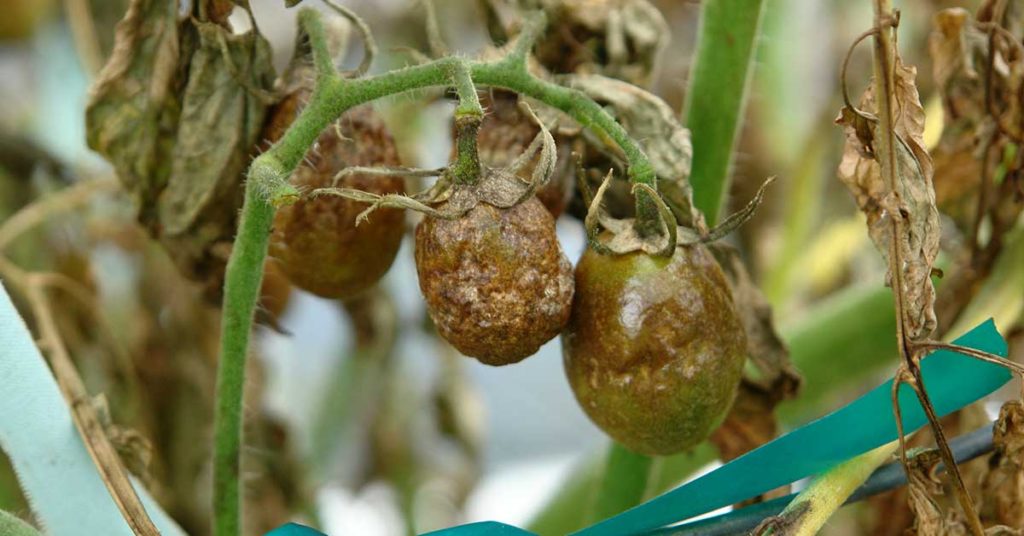
Ironically, one of the biggest mistakes in hot weather is overwatering, which can lead to root rot and other waterborne diseases. Even in the heat, too much water can saturate the soil and suffocate the roots of sensitive plants like my beloved succulents (native to arid regions) and even certain perennials not adapted to constant moisture. Overwatering creates an environment where the roots are deprived of oxygen, encouraging fungal growth and causing plants to wilt rather than thrive. It’s such a bummer to see a once-vibrant garden fall victim to a condition that can easily be avoided with the right watering technique!
I’ve learned to strike a balance by monitoring soil moisture and adjusting the watering frequency accordingly. By allowing the top layer of soil to dry slightly between watering sessions, I ensure that the roots get enough oxygen to breathe and absorb nutrients effectively. This approach not only helps prevent root rot but also promotes a healthy ecosystem where beneficial soil microbes and insects flourish. Overwatering may seem like a way to combat heat stress, but with careful observation and proper timing, you can protect your plants and create a resilient, well-hydrated garden that thrives even in the most challenging summer conditions!