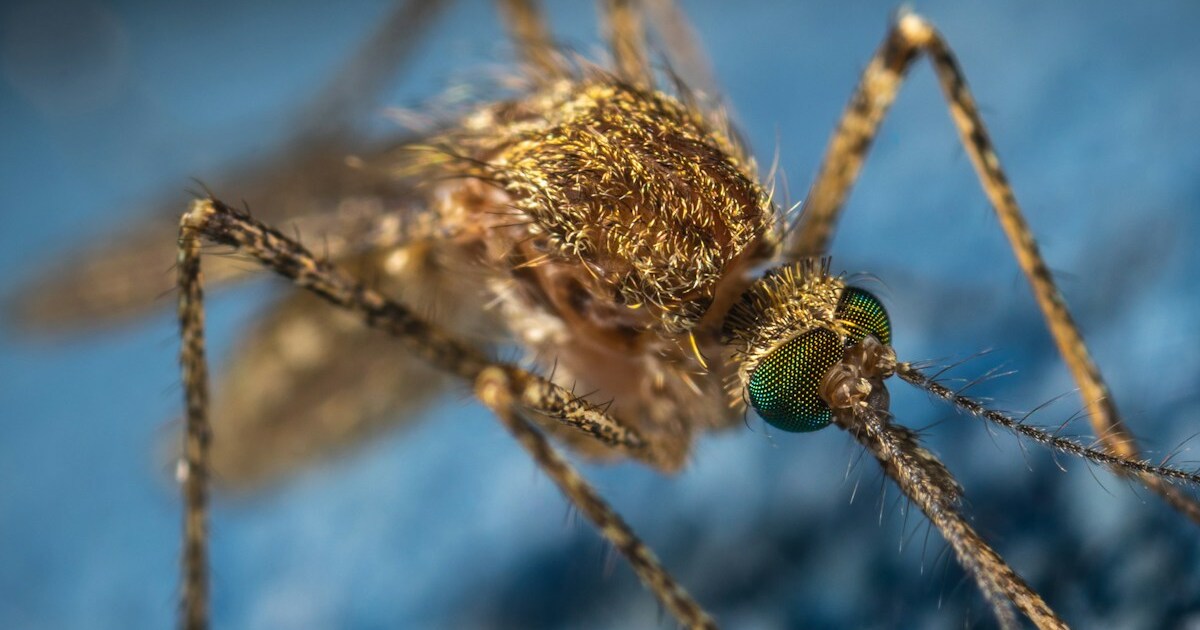

The warm summer months bring vibrant blooms, ripening fruits, and lush foliage, but they also usher in the unwelcome buzz of mosquitoes. As a gardener who treasures peaceful evenings among roses and vegetables, I know how frustrating it can be when these tiny pests ruin the serenity of a perfect sunset moment. It’s such a bummer when you’ve spent hours tending to your flower beds—and suddenly every patch of shade seems to swarm with biting insects. The good news is, with thoughtful garden design and simple maintenance, you can significantly reduce mosquito populations right where you live.
Throughout this article, I’ll share eleven detailed tips—ranging from plant selection to water management and habitat creation—that help keep mosquitoes at bay. I’ll dive into explanations of plant origins and invasiveness, pollinator and predator behaviors, and practical strategies you can implement this June and beyond. Whether you have expansive raised beds or a few containers on a balcony, these gardening tips will empower you to reclaim your outdoor oasis and enjoy summer without constantly swatting at the air. Let’s dig into these strategies, woven with gardener’s empathy and enthusiasm, so you can finally host those backyard barbecues mosquito-free!
Introduce Mosquito-Eating Fish to Garden Ponds

One of my favorite strategies is adding mosquito-eating fish, like Gambusia affinis (mosquitofish), to garden ponds or water features. Native to the southeastern United States, Gambusia affinis naturally feed on mosquito larvae, helping to interrupt the life cycle before they can emerge as biting adults. When I first stocked a small koi pond with these resilient little fish last June, I noticed a dramatic drop in mosquito larvae within days—raising mosquito-eggs-to-midges ratio in my favor! Because mosquitofish are small and hardy, they adapt to various pond sizes, as long as water temperatures remain above 40°F.
However, since mosquitofish can be invasive in certain regions (e.g., western U.S. states, Australia), it’s crucial to source them from reputable local hatcheries and ensure they don’t escape into natural waterways. In regions where mosquitofish aren’t recommended, native alternatives like bluegill (Lepomis macrochirus) or killifish (Fundulus diaphanus) can also serve as effective mosquito predators. Beyond fish, dragonfly nymphs—native to nearly every continent—prey on larvae; encouraging adult dragonflies to lay eggs (see next section) further boosts biological control. By introducing mosquito-eating fish responsibly in June, you create a living barrier against future swarms with minimal intervention.
Plant Mosquito-Repellent Flowers

Strategically planting fragrant, mosquito-repellent flowers around seating areas and garden borders can create a natural barrier without harsh chemicals. Citronella grass (Cymbopogon nardus), native to Southeast Asia, is perhaps the most well-known—its strong citrusy scent masks the human aroma that mosquitoes seek. I planted a hedge of citronella supplies near my patio last summer, and within weeks the evenings felt noticeably less mosquito-laden! Just be aware: citronella grass can spread vegetatively in warm climates, so monitor its growth and consider container planting if you’re concerned about invasiveness.
Lavender (Lavandula angustifolia), native to the Mediterranean, is another stellar choice—its silvery foliage and fragrant purple blooms deter mosquitoes while attracting bees and butterflies. In June, when your lavender begins to blossom, you’ll see honeybees buzzing happily in its flowers while the mosquitoes drift away. Likewise, lemon balm (Melissa officinalis), native to Europe, emits citronellal compounds that repel mosquitoes; though it can spread vigorously, keeping it confined to planters or cutting it back after bloom prevents it from overtaking adjacent beds. By interspersing these aromatic plants—alongside companion repellents like marigolds (Tagetes spp., native to the Americas)—you create a multilayered scent shield that frustrates mosquitoes while benefiting pollinators.
Encourage Dragonflies by Providing Shallow Water Features

Dragonflies are voracious mosquito predators, both as nymphs in the water and adults in flight. To attract them, provide shallow water features—like a mini stream or a slightly submerged tipping bucket—that maintain a thin film of water without supporting mosquito breeding. When I added a small cement basin filled with river stones and a gentle bubbler to my garden last June, I saw vibrant blue dasher dragonflies (Pachydiplax longipennis, native to North America) within days. Their larvae, or nymphs, lurk under submerged rocks, feasting on mosquito larvae, effectively cutting down mosquito numbers before they hatch.
Ensure your water feature includes emergent plants—such as native cattails (Typha latifolia) or pickerelweed (Pontederia cordata)—for dragonfly nymphs to climb during metamorphosis. These plants are not invasive in most North American regions and provide perching spots for adults. Avoid stagnant conditions; nymphs need well-oxygenated water, which bubbling features supply. By June, when water temperatures rise and mosquito eggs skyrockets, your dragonfly habitat will become a battlefield where adult dragonflies patrol over water, snapping up mosquitoes on the wing. Encouraging dragonflies adds a dynamic, beneficial presence to your garden and gives you an elegant natural solution to mosquito control.
Eliminate Standing Water Sources

One of the simplest—but most critical—steps is removing or regularly refreshing any standing water. Mosquitoes need just a teaspoon of water to lay hundreds of eggs. I learned this after neglecting a forgotten saucer under my potted geranium (Pelargonium spp., native to South Africa); over a hot week in June, I witnessed it teem with wriggling larvae. From kiddie pools and clogged gutters to birdbaths and plant pot saucers, each stagnant pocket becomes a mosquito hatchery. Emptying, scrubbing, and refilling these containers at least once a week disrupts the larvae’s development, halting the emergence of biting adults.
For permanent water elements—like rain barrels—installing fine mesh screens over inlets prevents female mosquitoes from accessing stagnant water. If you have low-lying areas prone to puddling, consider improving drainage or installing a shallow dry well that encourages water to percolate into the soil within 48 hours—before larvae can mature. Even damp pile of leaves or an old tire can hold enough moisture to become a breeding ground. By patrolling your garden in June for any container or recess where water accumulates, you nip potential mosquito swarms in the bud—leaving you free to enjoy evenings without the constant threat of bites.
Use Biological Larvicides Like Mosquito Dunks
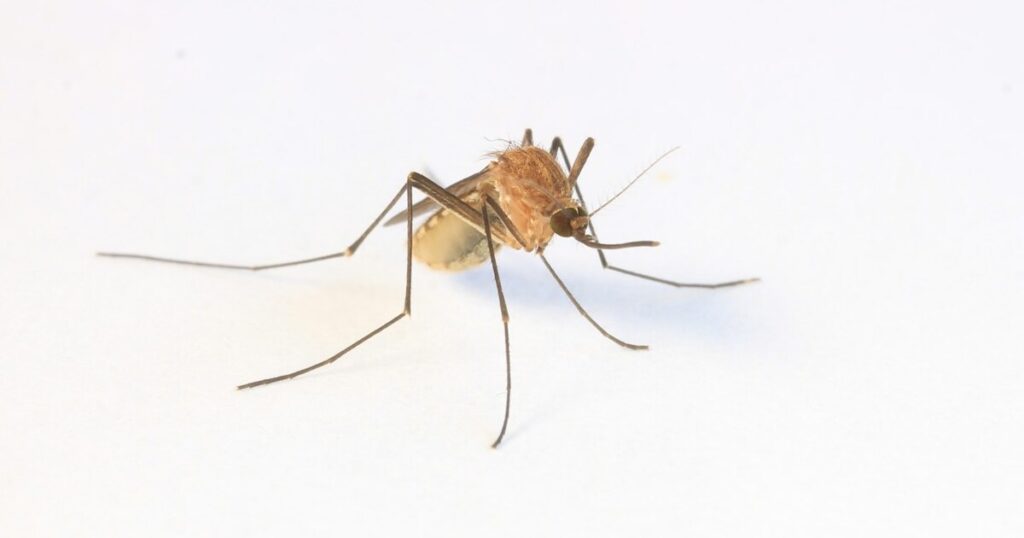
Biological larvicides, such as Bacillus thuringiensis israelensis (Bti)—commonly sold as mosquito dunks—offer an organic way to target mosquito larvae in standing water without harming beneficial insects. Bti is a naturally occurring bacterium that produces toxins lethal to mosquito, blackfly, and fungus gnat larvae but is harmless to fish, birds, mammals, and beneficial aquatic life. Last June, I started dropping mosquito dunks into my decorative fountain and rain barrels, and within a few days, no wrigglers appeared despite persistent warm weather. This gave me peace of mind to focus on weeding and pruning rather than constant water-troubling.
Always follow label instructions and apply dunks early in the season—June is perfect—as they remain effective for up to thirty days per dunk. Since Bti targets only larvae, it preserves predatory insects like dragonfly nymphs and backswimmers in pond environments. For flower growers who use water-filled containers like drip trays, a portion of a dunk can treat several square feet of water, making it a cost-effective solution. If you have ornamental pools with fish, Bti is ideal; unlike chemical larvicides, it won’t poison your mosquito-eating goldfish (Carassius auratus), which are native to East Asia but commonly stocked in many koi ponds. By using biological controls in June, you establish a safe barrier that addresses emerging larvae before they ever take flight.
Install Bird and Bat Nesting Structures
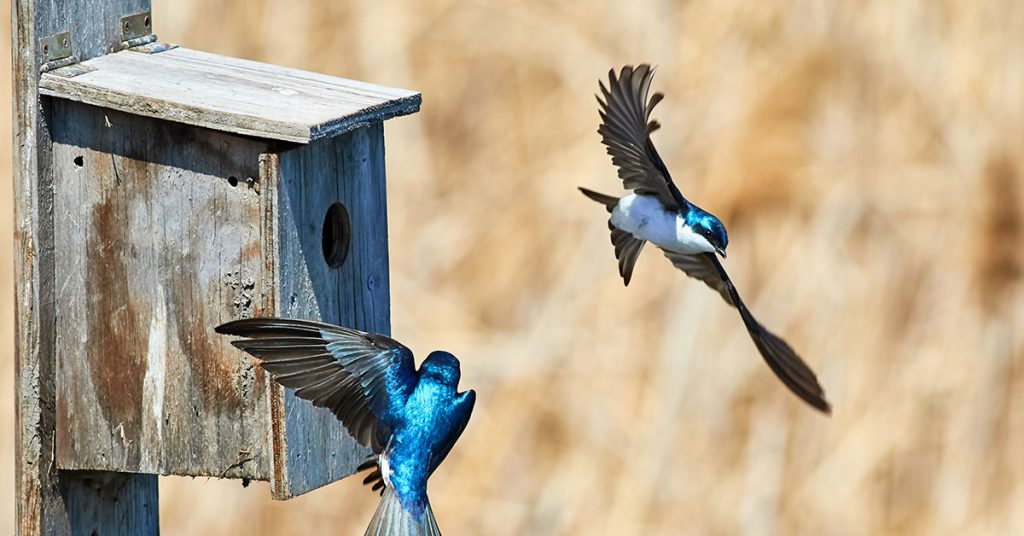
Attracting natural mosquito predators—like swallows, bats, and certain songbirds—is both fun to watch and highly effective. Bats, especially insectivorous species such as the little brown bat (Myotis lucifugus), can consume thousands of insects per night, including mosquitoes. Installing a bat house on a post at least 15 feet off the ground in a sunny spot (minimum six hours of direct sun) encourages these nocturnal hunters to roost nearby. I vividly recall the thrill last June when, at dusk, bats swooped across my vegetable patch, dramatically reducing mosquito numbers as I harvested cucumbers (Cucumis sativus) in peace.
Similarly, providing nest boxes for purple martins (Progne subis), native to North America, invites aerial insectivores that patrol the sky at dawn and dusk. These birds specialize in catching flying insects, including mosquitoes, and often forage in pairs over water sources. Ensuring your birdhouses or martin gourds are at least 10 feet high and placed near open water optimizes their appeal. Solitary vertical woodpeckers’ nest boxes—suitable for flickers—also help, because flickers eat ground-dwelling grubs, potentially reducing local mosquito populations. By June, when many homeowners notice mosquito flare-ups, these nesting structures transform your yard into a gauntlet where natural predators stake their claim—letting you enjoy an evening on the porch without constant swatting.
Optimize Garden Drainage and Avoid Overwatering
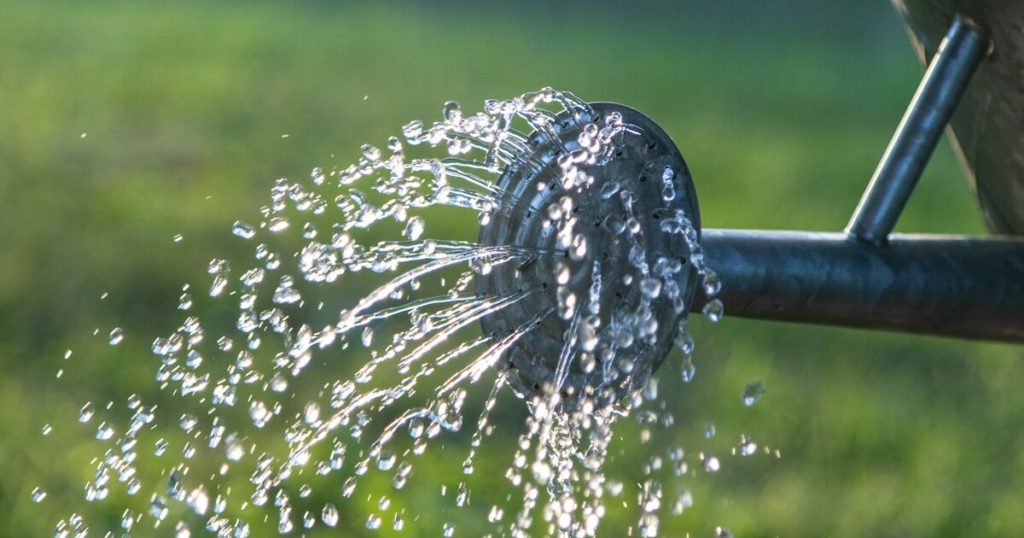
Poorly drained garden beds and overwatered lawns create the perfect conditions for mosquitoes to breed. Saturated soil stays wet for days, and waterlogged depressions can hold enough moisture for larvae to grow. I learned this the hard way one June when my newly installed drip irrigation system malfunctioned, leaving the hosta bed under waterlogged for 48 hours—mosquito numbers exploded overnight. Catching that leak and improving the soil’s drainage with organic matter helped mitigate the problem, but I wished I’d been more vigilant from the start.
Incorporate compost or well-rotted manure into heavy clay soils to improve aeration and water infiltration. For lawns, consider installing French drains or rain gardens to redirect excess rainfall away from flat, low-lying areas. If you use soaker hoses, check them regularly to ensure they’re not pooling water in one spot. Native plants—like switchgrass (Panicum virgatum)—can also improve drainage, as their deep root systems break apart compacted soil. By June, regular checks on irrigation and soil moisture help you prevent unintentional puddles that become larval nurseries. A well-drained lawn and garden not only deter mosquitoes but also promote healthier roots for all your beloved perennials and veggies.
Use Aromatic Herbs As Groundcover
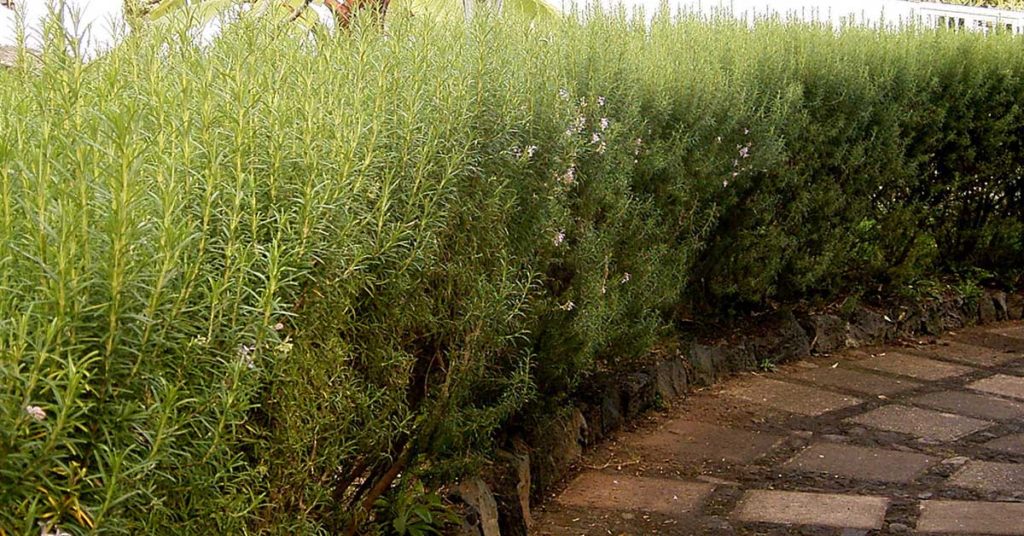
Aromatic herbs such as rosemary (Rosmarinus officinalis), native to the Mediterranean, and lemon balm (Melissa officinalis), native to Europe, produce volatile oils that naturally repel mosquitoes when released by crushing leaves or through steaming heat. I scattered rosemary between my vegetable rows last June; as soon as the sun hit those silver-green leaves, a gentle, camphor-like scent filled the air—discouraging mosquitoes from settling around my tomato plants. These evergreen herbs also offer pollinator benefits; bees and hoverflies visit their summer blooms, creating a dual-purpose solution.
Another terrific groundcover is catnip (Nepeta cataria), native to Europe and Asia. It’s famous for driving mosquitoes away due to its nepetalactone content—studies show it can be ten times more effective than DEET. I planted patches of catnip near my patio and seating areas; by late June, the swarms that once loved my shade were noticeably fewer. Just watch catnip’s vigor; it can become invasive if not contained. Planting it in decorative pots or raised beds keeps it in check. By deploying these aromatic groundcovers in June, you create fragrant carpets that deter mosquitoes and invite beneficial pollinators, adding beauty and function to your garden.
Incorporate Plants That Attract Predatory Insects
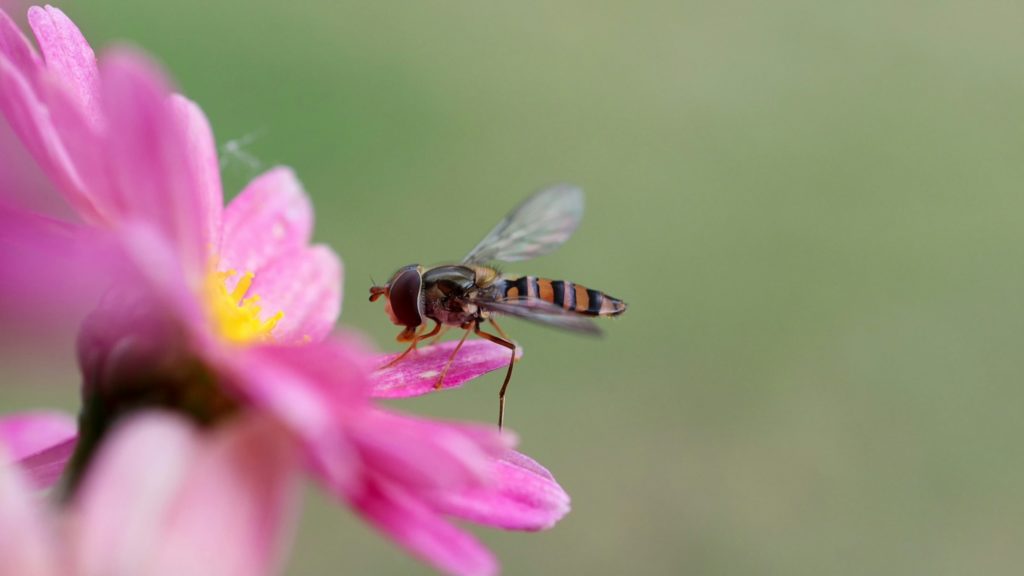
Inviting predatory insects—like hoverflies, lady beetles, and lacewings—into your garden creates a balanced ecosystem that indirectly reduces mosquito populations by controlling other pest outbreaks that might otherwise steal your focus. Plants with umbrella-like flower clusters, such as dill (Anethum graveolens), native to Western Asia, and yarrow (Achillea millefolium), native to North America and Eurasia, attract adult lacewings and lady beetles. I planted yarrow along my vegetable border last June; within days, I spotted lacewing larvae patrolling for aphids, and those same beneficials occasionally sampled mosquito larvae in nearby puddles.
Goldenrod (Solidago canadensis), a native wildflower that blooms in late summer, lures soldier beetles—voracious predators of soft-bodied larvae. By encouraging a diverse predator population, you create a natural check on mosquitoes that might otherwise multiply when competing pests seem absent. Lady beetles often overwinter in hollow stems or leaf litter; leaving some cut stems over the winter provides habitat, and by late June, those beetles emerge ready to feast. Including a variety of these insectary plants in June enriches pollinator diversity while establishing a secondary defense against mosquito proliferation—helping your garden thrive holistically.
Maintain Healthy Compost Piles With Proper Cover

Compost piles are wonderful sources of nutrients for gardens, but if mismanaged, they become stagnant, damp oases for mosquito larvae. I once discovered wriggling mosquito larvae in a rainwater–filled corner of my compost heap last June—an unpleasant surprise that led me to rethink my compost method. The key is turning piles regularly, ensuring that green (nitrogen-rich) and brown (carbon-rich) materials maintain a hot, aerobic environment that mosquito larvae can’t survive in.
Keeping compost covered—either with a fitted lid or breathable tarp—prevents rainwater from pooling. Vermicomposting systems, which rely on aerobic worms in specialized bins, also limit moisture and block mosquito access, given their enclosed design. Additionally, situating compost piles at least 10 feet from seating areas and active garden beds minimizes the chance that adult mosquitoes emerging from decaying scraps will migrate to your cherished flower borders. A well-managed compost pile in June can produce rich humus while remaining inhospitable to mosquitoes, so you can fertilize without fear of hosting a breeding ground.
Install Fans And Improve Airflow In Seating Areas

Mosquitoes are weak fliers and struggle against even gentle breezes, so strategically placed fans in seating areas can make your patio or deck almost mosquito-free. Last summer, I set up a couple of oscillating box fans around my outdoor dining table; as soon as they were on, I noticed a dramatic drop in mosquito landings—my guests could relax without constant swatting. Placing fans low and pointing across seating areas disrupts mosquitoes’ flight patterns, making it uncomfortable for them to hover and bite.
Enhancing garden airflow also means pruning dense shrubs or hedges that block breezes—holly (Ilex spp.) and certain boxwoods (Buxus spp.) can form thick walls of foliage that create still, humid microclimates perfect for mosquitoes to rest. By thinning these plantings or selecting more open-textured native shrubs—like serviceberry (Amelanchier canadensis)—you invite natural airflow, even on calm days. Installing lattice or pergola structures with climbing vines placed upwind of seating spots can channel any breeze downward, further deterring mosquitoes. For anyone frustrated by mosquitoes at dusk, adding a fan or two in June can transform your garden from a mosquito jungle to a breezy, leisurely retreat.