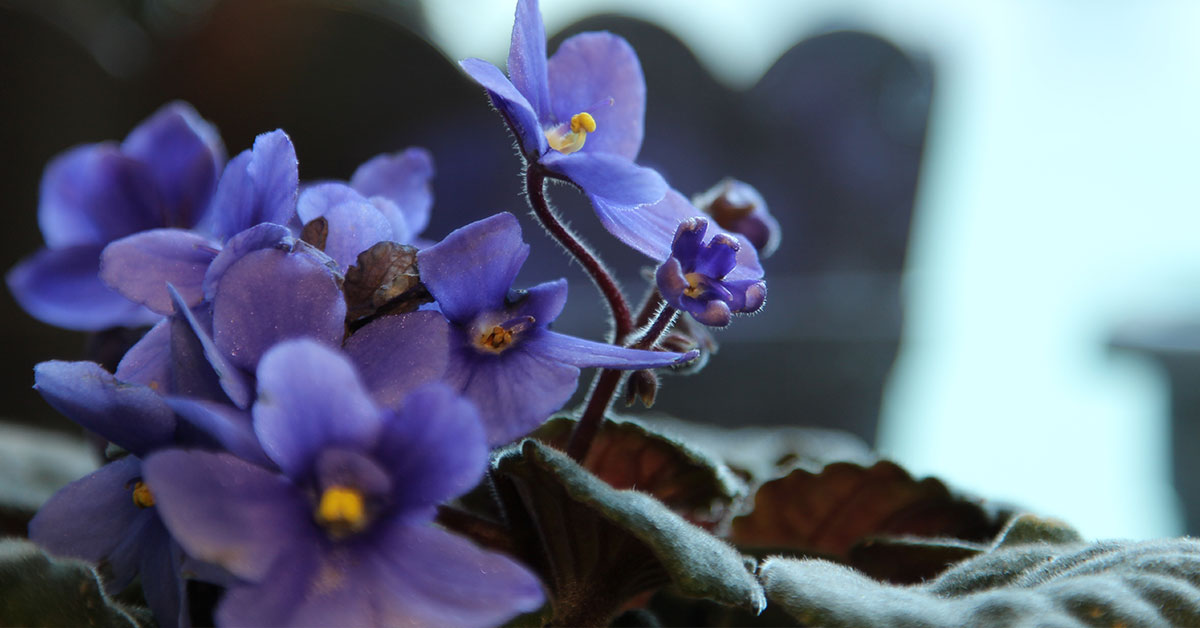

African violets (Saintpaulia ionantha) have captured my heart ever since I discovered those velvety leaves and cheerful clusters of flowers! Native to the cloud forests of Tanzania and Kenya, these charming perennials aren’t considered invasive in most home collections, yet they reward diligent care with waves of vibrant blooms. With the right conditions, they can flower almost year-round—making them a delightful centerpiece for any indoor garden.
I know how frustrating it is to fuss over a plant only to see sparse blossoms or drooping foliage. It’s such a bummer when you water faithfully yet just a few timid flowers appear! Drawing on seasons of trial and error, I’ve gathered eleven essential tips to help your African violets burst into full, balanced bloom. Let’s dive in and get those gorgeous rosettes flowering their hearts out!
Maintain Consistent Humidity

African violets hail from humid mountain forests, so they appreciate a little extra moisture in the air—around 50–60% ideally. I once placed mine too close to a drafty AC vent and watched petals shrivel from low humidity stress. A simple humidity tray or grouping plants together can create a microclimate that keeps those blooms plump and colorful!
High humidity also helps beneficial tiny springtails and mites find a cozy nesting spot in your soil, aerating it naturally. With the air just right, you’ll see fuller flower clusters and healthier foliage that looks ready to burst into bloom at any moment!
Deadhead Spent Blooms Regularly
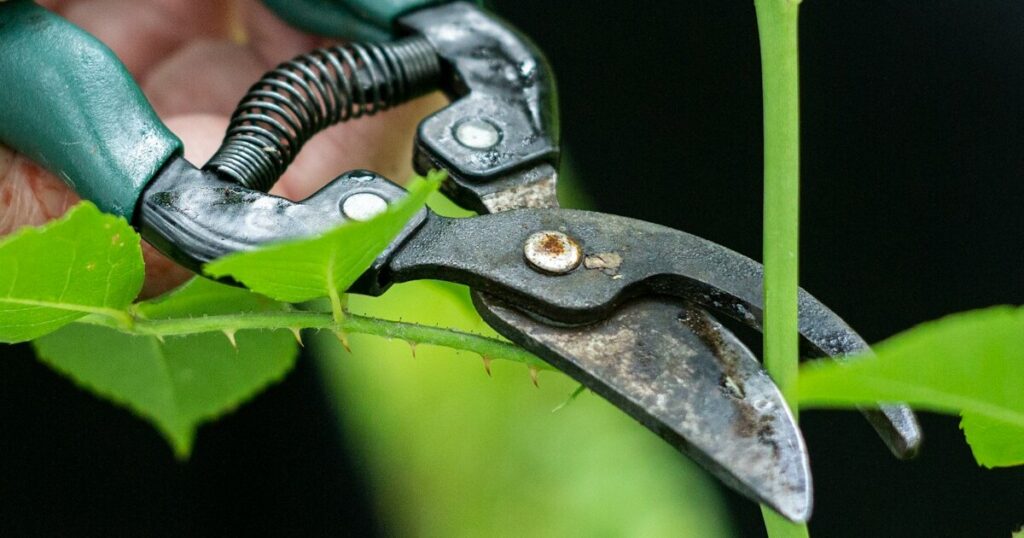
Removing faded flowers isn’t just about tidiness—it redirects the plant’s energy into producing fresh blooms rather than seed pods. Early on, I hesitated to snip away those last few petals, thinking they still looked pretty, only to see my violet stall its flowering cycle.
With a gentle pinch or clean scissors, remove the entire spent flower stalk at the base. You’ll notice a surge of new flower buds forming within days, resulting in denser, more prolonged blooming seasons!
Repot Annually with Fresh Mix

Even the best potting mixes lose nutrients and structure over time, leading to weaker blooms. I once let my violet go two years without repotting and ended up with sparse, leggy growth that refused to flower properly.
Each spring, gently lift your plant, trim any dead roots, and replant in fresh, light, and well-draining African violet mix. This refresh not only replenishes nutrients but also encourages robust root development—fueling fuller flowering rosettes!
Choose the Right Pot Size

African violets prefer to be slightly root-bound; too roomy a pot encourages leafy growth over blooms. I learned this when I up-potted into a container twice as large and got a lush bed of leaves—and hardly any flowers!
Select a pot just one size larger than the current root ball, ensuring it has drainage holes. A snug fit encourages your violet to focus on sending up lots of flowers rather than sprawling roots!
Scout for Pests and Disease

Mealybugs and thrips can sneak into those leaf crevices, sucking sap and impeding flower production. After overlooking a tiny mealy infestation, I found my buds aborting before they even unfurled!
Inspect leaves and blooms weekly. Wipe foliage with a gentle insecticidal soap or introduce predatory mites to keep those nuisances at bay. Healthy, pest-free plants are far more likely to reward you with abundant blossoms!
Provide Bright, Indirect Light

In their native habitat, African violets grow under a forest canopy, receiving bright yet filtered light. Placing them in direct sun scorches leaves; too little light yields sparse flowering. I once put mine in a north-facing window and saw only a trickle of blooms.
Aim for east- or north-facing spots with 10–12 hours of gentle light daily, or supplement with fluorescent grow lights. The result? Tighter leaf rosettes and prolific flower stalks that stand tall and proud!
Feed with a Balanced Fertilizer

Flowering takes energy, and supplemented nutrients can make a world of difference. I used to skip fertilizing, assuming violets were low-nutrition plants, and paid the price with fewer, smaller blooms.
Use a high-phosphorus, water-soluble fertilizer formulated for African violets—diluted to half strength—every two weeks during active growth. Consistent feeding supports those full flower clusters you crave!
Water from Below for Even Moisture

Top watering can splash onto leaves and flowers, causing crown rot and uneven moisture that hinders blooming. In my early attempts, I watered from above and ended up with brown spots and stunted buds.
Instead, set the pot in a saucer of room-temperature water and let roots wick moisture upward for 15–20 minutes. This gentle method ensures even hydration without damaging delicate blooms or leaf bases!
Rotate for Balanced Growth

African violets lean toward their light source, resulting in lopsided flower display. I once admired one full face of blooms only to discover the back was barren!
Rotate your plants a quarter-turn every watering or week. This simple habit promotes even exposure, so every side bursts into blossom together—no more one-sided shows!
Keep Temperatures Steady

These plants prefer a cozy range of 65–75°F. Temperatures below 60°F or above 80°F can stress the plant, halting bud development. I learned this the hard way when an unexpected cold snap sent my violet into bloom hiatus.
Avoid drafty windowsills or heating vents. A stable, moderate temperature encourages continuous flowering—your violet will thank you with gorgeous, uninterrupted bloom periods!