

Rhododendrons (Rhododendron spp.) are a gardener’s dream, offering spectacular trusses of bell-shaped flowers that range from pure white to deep magenta. Native to the temperate woodlands of Asia, North America, and Europe, these evergreen shrubs thrive in acidic, well-draining soils that mirror their forest-floor origins. Though they’re rarely invasive when planted in the right conditions, their need for specific pH and moisture levels means giving them proper care will reward you with those oversized blooms we all crave.
I know how disappointing it can be to watch your rhodo produce only a handful of small flowers or none at all, despite your best efforts. That’s why I’m thrilled to share eleven detailed tips—presented in a fresh, randomized order—to help you coax out the biggest, brightest blossoms. We’ll cover everything from soil preparation and watering to pruning and pollinator support, with plenty of insights into native behaviors and beneficial insects nesting around your shrubs. Let’s dive in and make your rhododendron the star of the garden!
Prune Strategically After Flowering
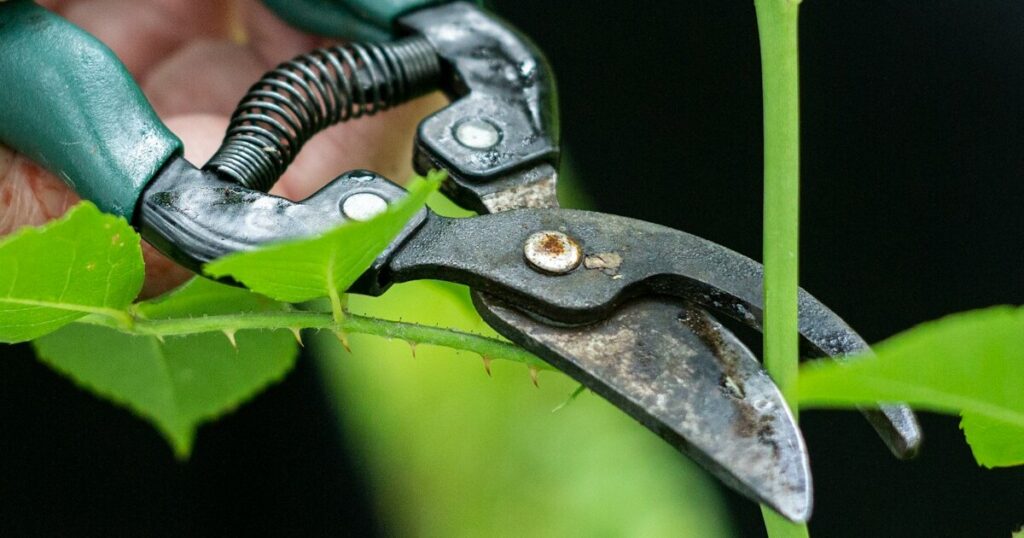
Timing your pruning is crucial. Immediately after peak bloom, snip away spent flower trusses just above the first set of healthy leaf buds. This “deadheading” encourages the plant to redirect energy into next year’s bloom buds rather than seed production.
Be cautious not to prune too late in the season—doing so after midsummer can remove the very wood that would form next spring’s blossoms. In their native woodlands, rhododendrons expand slowly; thoughtful pruning mimics the gentle disturbances that stimulate growth under a forest canopy.
Maintain Acidic, Well-Draining Soil

Rhododendrons prefer a soil pH between 4.5 and 6.0, reflecting the acidic forest soils of their homeland. Test your soil and amend with elemental sulfur or pine needle mulch to lower pH as needed. Incorporate generous amounts of organic matter—leaf mold or well-composted pine bark—to improve structure and drainage.
Poor drainage can suffocate roots, leading to smaller or absent blooms. Adding grit or perlite helps excess water drain away, preventing root rot. A well-amended bed provides both moisture retention and aeration, the perfect balance for robust flowering.
Provide Bright, Filtered Shade

These shrubs naturally grow under dappled woodland light, not in full afternoon sun. Plant them where they receive morning sun and afternoon shade, or beneath taller maples or oaks. This balance allows flower buds to swell without scorching.
In overly shady spots, you’ll get lush foliage but few blooms. Conversely, too much sun can stress the plant and bleach petals. Mimicking that forest-edge light helps produce the largest, most saturated flower clusters!
Mulch Generously with Organic Material
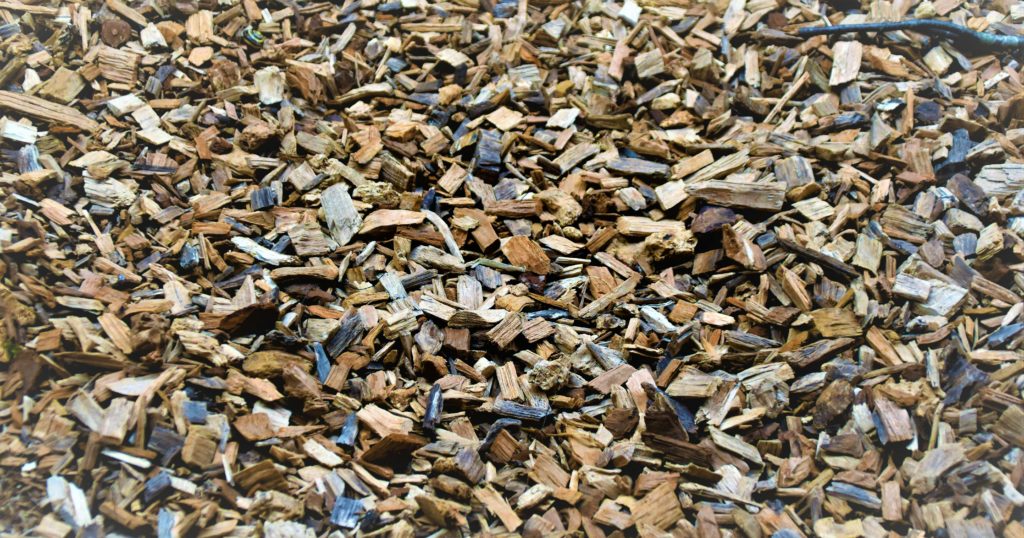
A 3–4-inch layer of pine bark, wood chips, or shredded leaves stabilizes soil temperature and moisture—mimicking the forest floor. Mulch also slowly breaks down to enrich the acidic soil rhodos adore.
Be sure to keep mulch a few inches away from the stem to prevent bark rot. As you mulch, you might spot carpenter bees or solitary wasps excavating tiny nests in decaying wood pieces—nature’s own gardeners helping aerate the soil!
Water Deeply and Consistently
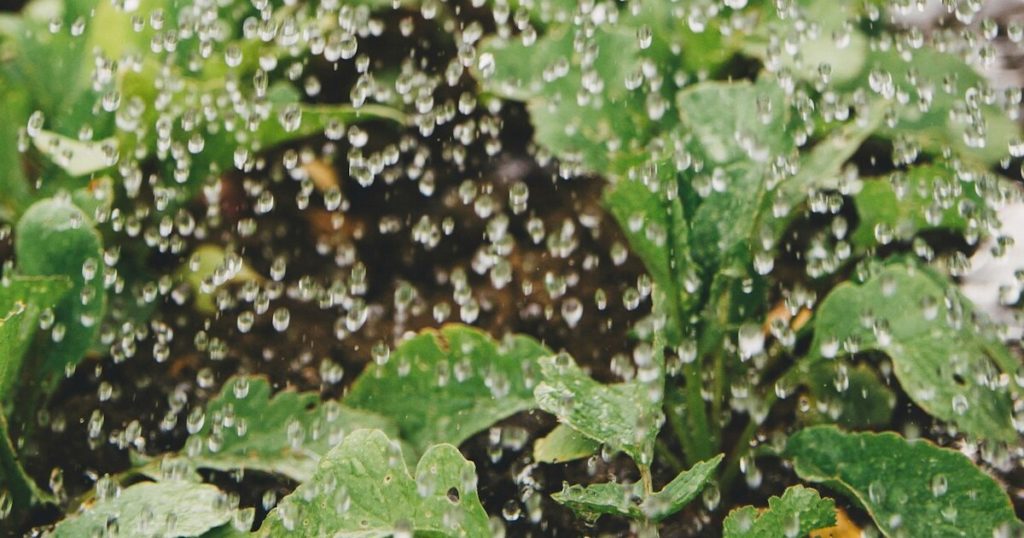
Rhododendron roots are shallow but require even moisture. Water deeply once or twice a week during dry spells, ensuring the root zone is thoroughly soaked. Shallow, frequent watering leads to weak roots and smaller flowers.
Avoid overhead sprinklers that can damage delicate buds; instead, use a soaker hose or drip irrigation. Consistent moisture—without waterlogging—supports full bud development and vivid petal formation.
Feed with an Acid-Loving Fertilizer
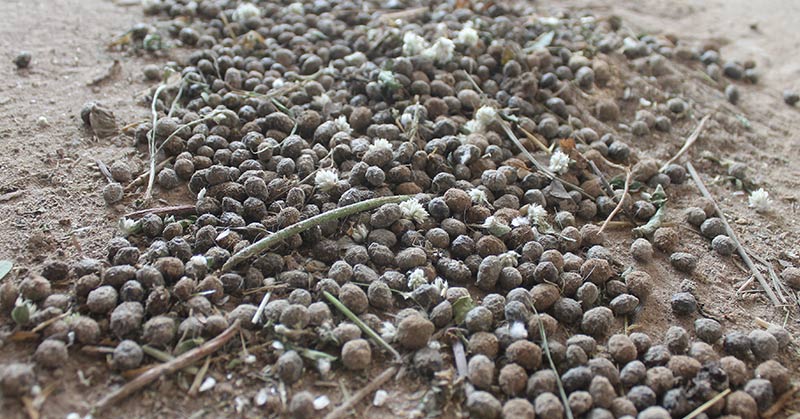
Apply a fertilizer formulated for acid-loving plants in early spring, just as new growth emerges. A balanced 10-10-10 or a specialized azalea/rhododendron feed ensures the right nutrients are available for bud set and bloom enlargement.
Avoid over-fertilizing, which can burn roots or produce excessive leafy growth at the expense of flowers. A second, lighter feeding after bloom can bolster next year’s buds and maintain vigorous health!
Protect Buds from Late Frosts

Delicate flower buds can be killed by unexpected spring frosts, leading to few or no blossoms. When a late freeze threatens, drape frost cloth or burlap over your rhodos in the evening, removing coverings once temperatures rise.
In their native montane habitats, rhododendrons experience cool nights but rarely severe freezes at bloom time. Providing that extra shield keeps buds intact, so you’ll wake to whole trusses of blooms instead of empty stems!
Promote Air Circulation
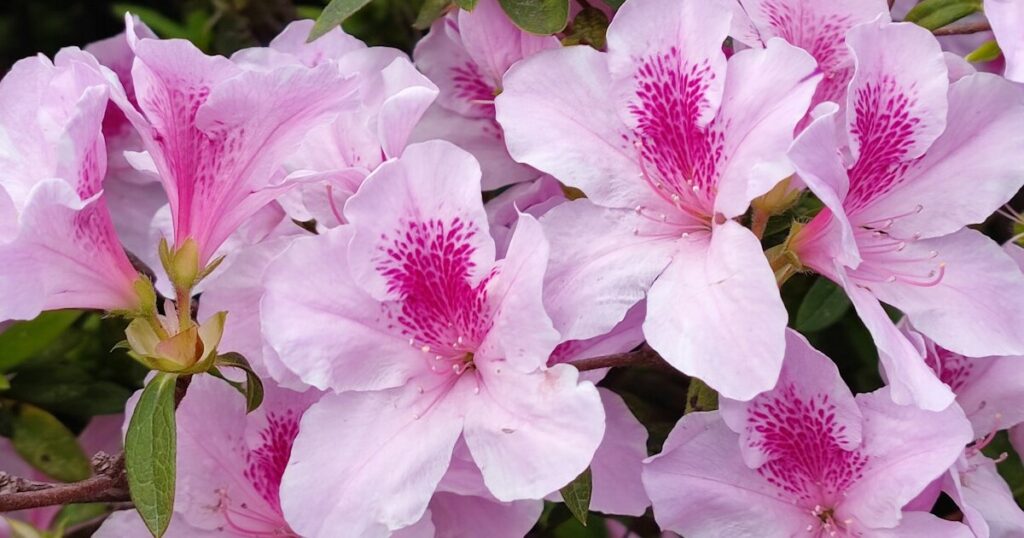
Stagnant air can encourage fungal diseases like powdery mildew, which weakens the plant and reduces bloom size. Space your rhodos with at least 3–4 feet between them, and avoid planting too close to walls or dense hedges.
Pruning lower branches to open up the center also enhances airflow. In these breezy conditions, you might spot lacewings or ladybugs nesting in the leaf litter—perfect partners in pest control that keep your blooms pristine!
Choose the Right Cultivars
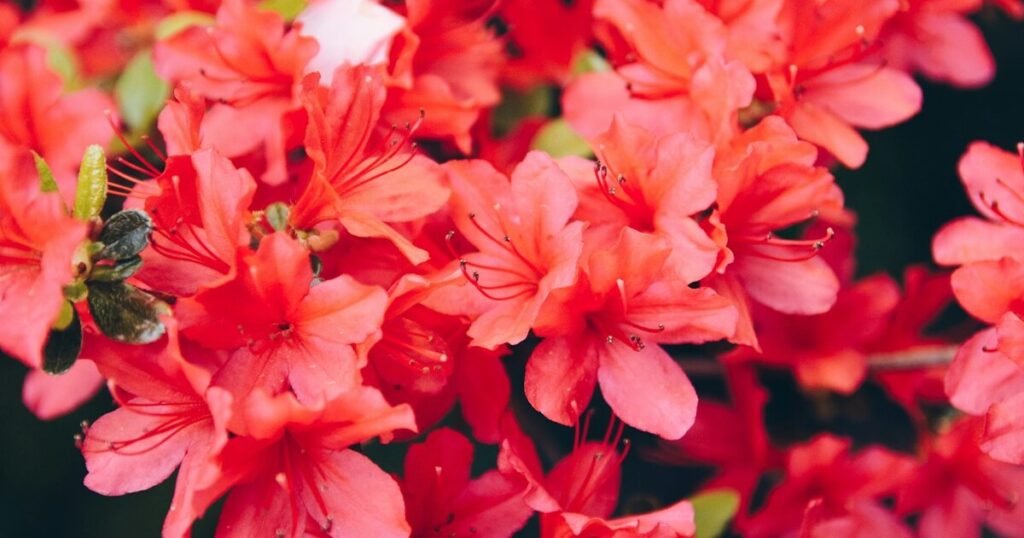
Some rhododendron varieties are bred specifically for larger flowers or multiple bloom flushes. Check for cultivars like ‘Nova Zembla’ or ‘Roseum Elegans’ known for impressive truss size. Hardy hybrid types often combine cold tolerance with showy blossoms.
Knowing your USDA zone helps you select cultivars that reliably bloom in your climate. When you pick the right genetic material, half the battle is won—and your pruning and feeding efforts shine in spectacular floral displays!
Encourage Beneficial Insects
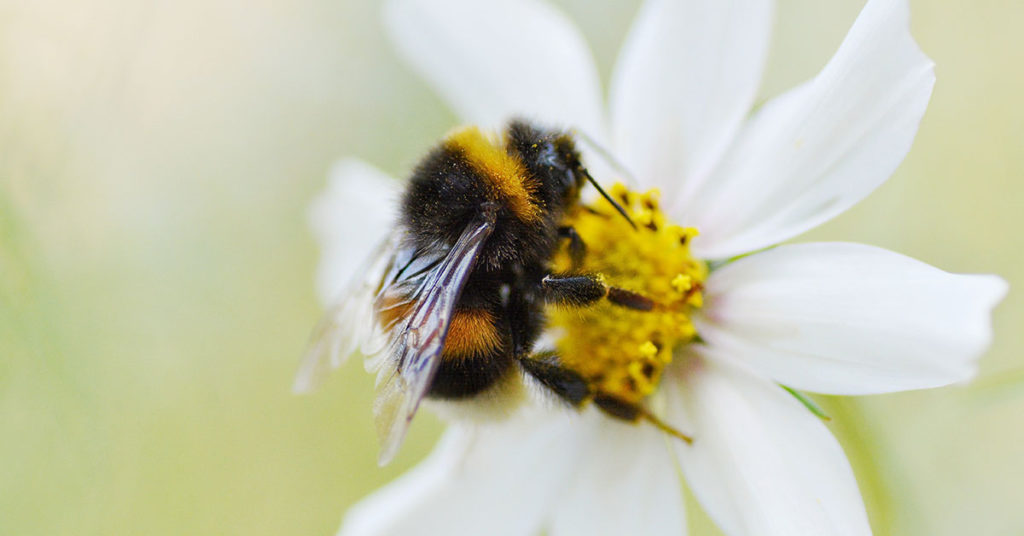
Plant a pollinator-friendly border of native perennials—like salvia, columbine, or phlox—near your rhododendrons. These flowers attract bumblebees and mason bees, which may nest in nearby soil crevices before visiting rhodo blooms, improving pollination and seed set.
Look for small mud-dauber nests or tiny bee burrows at the base of the shrub—that’s a sign of a healthy ecosystem! Increased pollinator activity can boost the number and size of flower clusters.
Apply Epsom Salt for Magnesium
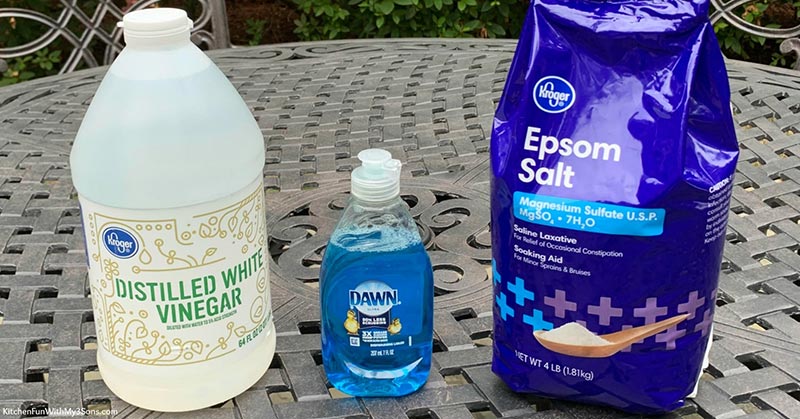
Rhododendrons sometimes show magnesium deficiency, indicated by yellowing leaf margins. A springside application of Epsom salt (about 1 tablespoon per foot of shrub height) dissolves easily and feeds magnesium, enhancing chlorophyll production.
Strong, green leaves support vigorous bud development, leading to bigger flowers. Just be sure to water well after application to carry the salts into the root zone without burning foliage!