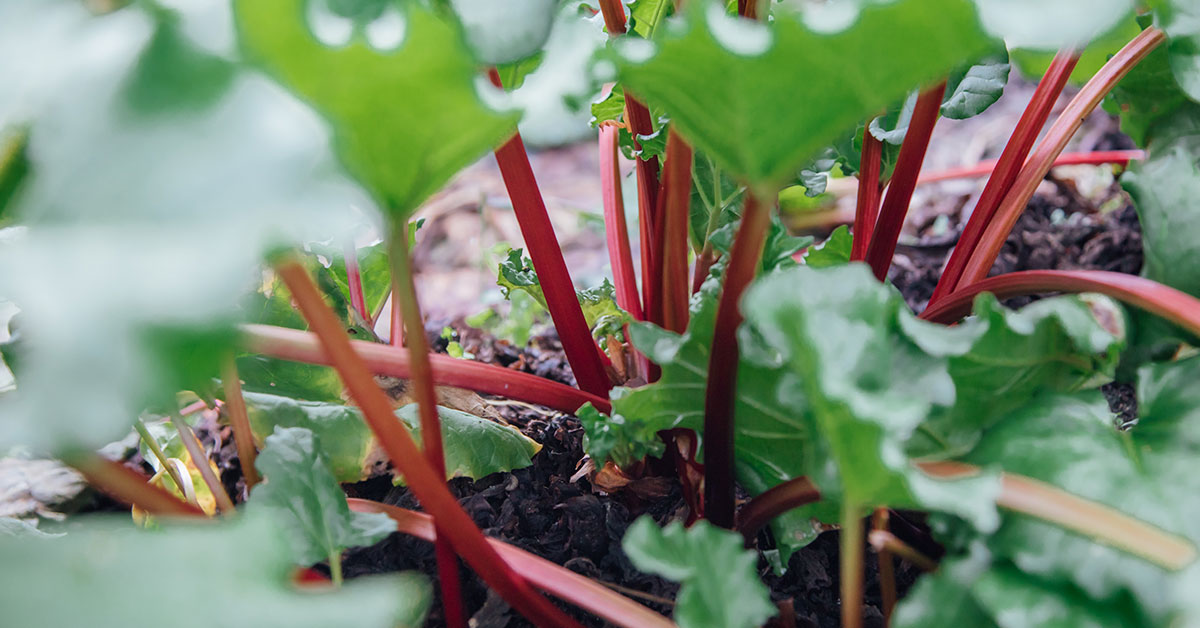

Rhubarb is one of my favorite perennial edibles—those crimson stalks bursting with tart flavor turn every pie or compote into a celebration! Native to the cool highlands of Siberia and parts of Asia, Rheum rhabarbarum isn’t considered invasive in home gardens, but it does demand a bit of thoughtful care to reach its full spectacular potential. If you’ve ever planted a crown only to see spindly growth or yellowing leaves, I feel your frustration—it’s such a bummer when pests or poor conditions rob you of that first glorious harvest.
I know how exciting it is to plan a new rhubarb patch, imagining plump stalks waving in the spring breeze. Between selecting a sunny spot, feeding heavy‑feeding roots, and encouraging beneficial insects to nest among the emerging shoots, each step brings its own rewards (and occasional headaches!). These eleven tips cover everything from initial variety choice to rejuvenating mature clumps, so you’ll be slicing tart stalks off your own robust plants for years to come!
Divide and Rejuvenate Every Few Years
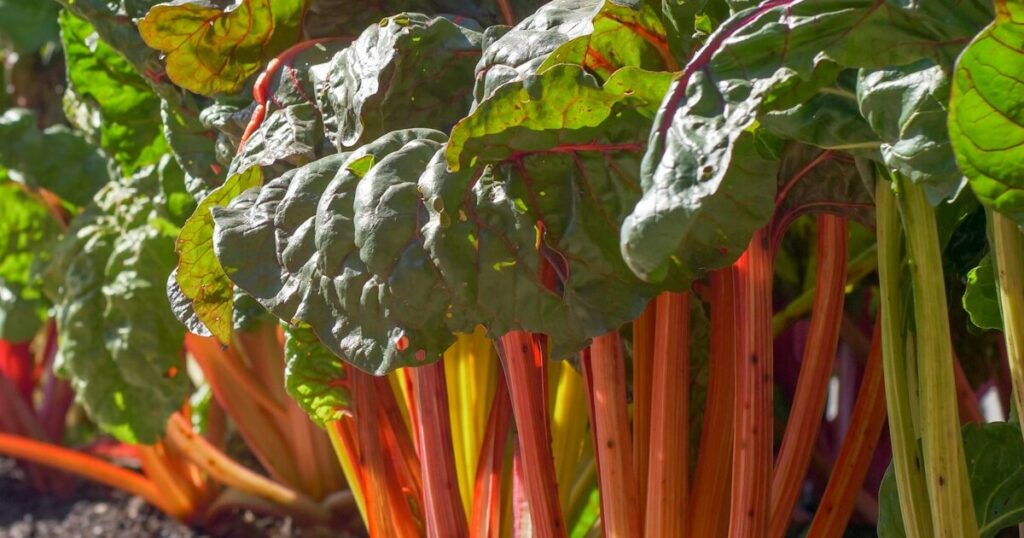
Splitting mature rhubarb crowns every three to five years breathes new life into your patch. I once let a ten‑year‑old bed go un‑divided and was disappointed by sparse, woody stalks. By carefully lifting the crown in early spring, teasing apart 2–3‑eye sections, and replanting those divisions, you’ll restore vigor and dramatically boost yields!
As you divide, you’ll notice earthworms and tiny springtails nesting in the soil around the roots—nature’s own aerators and decomposers at work. Fresh divisions give these soil‑loving helpers new pockets to colonize, improving drainage and nutrient cycling as they create microscopic tunnels around your replanted crowns!
Water Consistently and Deeply
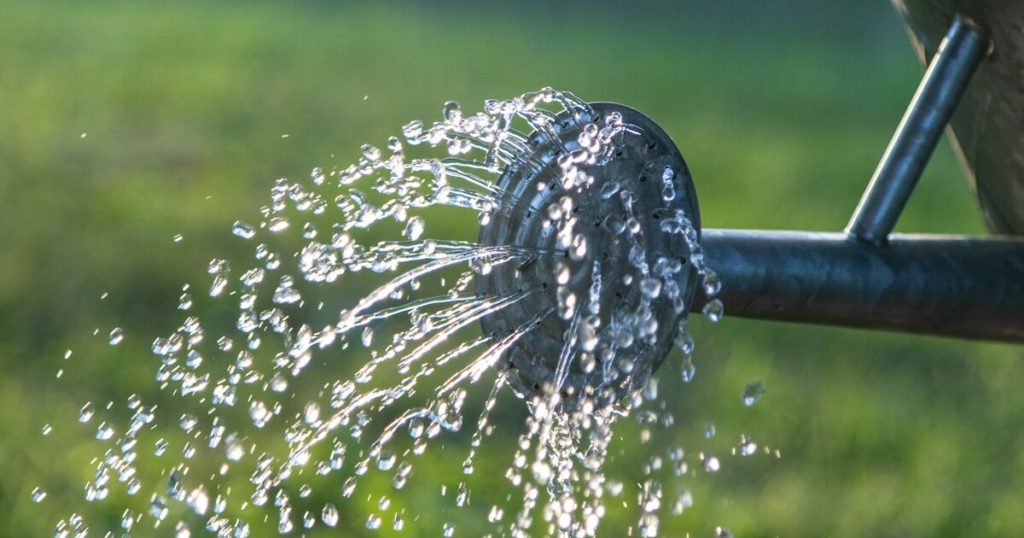
Rhubarb prefers steady moisture—dry spells can trigger bitter stalks or stunted growth. I aim to deliver about an inch of water per week through a deep soak, especially during the hot summer months when the plant’s thirst peaks. Inconsistent watering invites leaf curl and can weaken crowns faster than you’d expect!
Deep watering encourages roots to grow downward, making them more resilient to surface temperature swings. As the soil settles, you’ll often spot beneficial ground beetles nesting beneath the organic mulch layer, hunting slug eggs and keeping pests at bay—another happy side effect of healthy, moist soil!
Choose the Right Variety

There are crimson‑stalked cultivars like ‘Victoria’ and more tender green types such as ‘Canada Red.’ One of my favorite plants is the old‑fashioned ‘Glaskin’s Perpetual’—it produces early and again in late summer! Select a variety suited to your climate and intended harvest window, whether you’re after early spring yields or a more extended season.
Because rhubarb evolved in cool climates, these varieties rarely escape cultivation, but local pollinator populations benefit when you let a few flowers bloom on a corner plant. Bees will nest in the hollowed base of spent flower stalks, so if you allow occasional blossoms, you’re fostering a mini‑wildlife haven!
Harvest Correctly and Encourage Regrowth
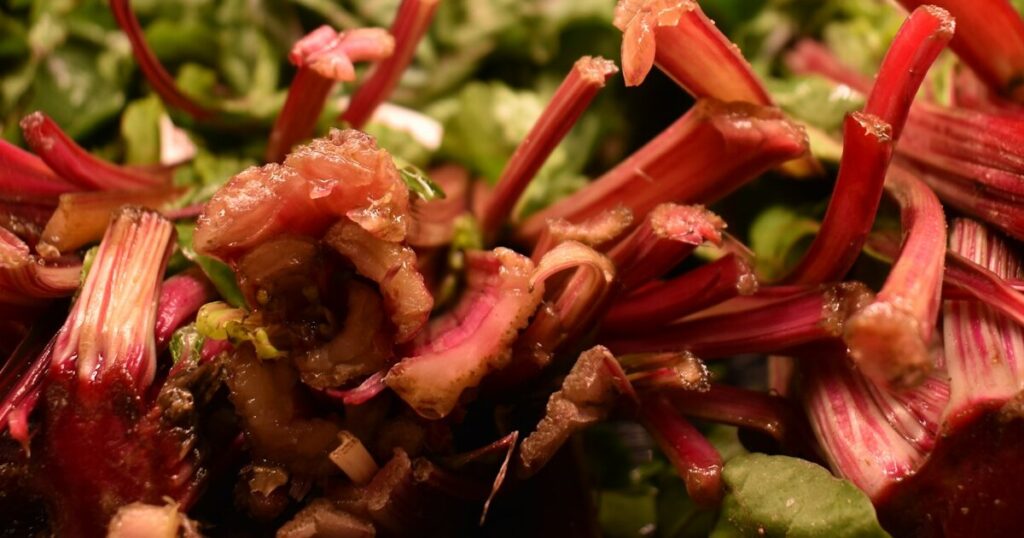
Always snap or cut stalks at the base, twisting gently rather than yanking the crown. I recommend harvesting only one‑third of the stalks in a mature patch during the first two years to let plants establish. For established crowns, remove outer stalks to keep the center growing vigorously.
Proper cuts minimize wound size, reducing disease entry points. Over time, fallen leaf litter around the crown becomes a nesting substrate for predatory mites, which patrol for aphids. Those tiny guardians help maintain a healthy patch without you ever having to spray a thing!
Plant Crowns at the Proper Depth

Set crowns so their top buds sit 1–2 inches below the soil surface. Too shallow, and crowns dry out; too deep, and shoots struggle to break ground. I learned this after planting crowns at eye level—only to wait weeks for reluctant shoots to emerge!
When you plant at the right depth in loose, organic‑rich soil, you provide ideal nesting sites for earthworms right around the crown. Their tunneling improves aeration, and you’ll delight in spotting them after each rainstorm as proof of a thriving underground community.
Feed with Organic Matter and Balanced Fertilizer
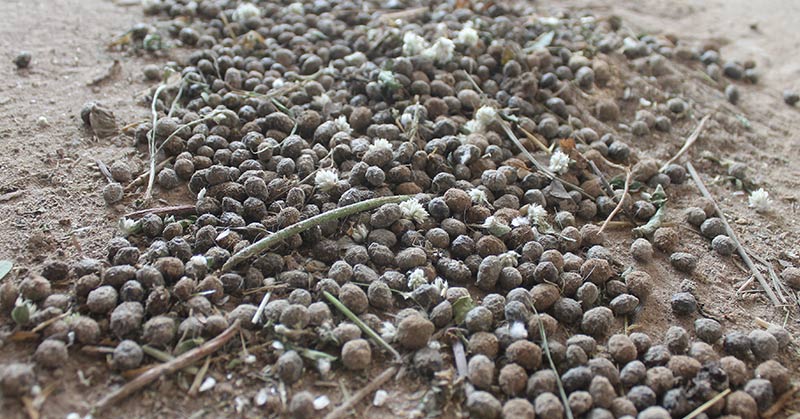
Rhubarb are heavy feeders, craving nitrogen to fuel those huge leaves. Each spring, I work in a two‑inch layer of well‑rotted compost around the crowns and follow up mid‑season with a balanced organic granular fertilizer. A side‑dressing of aged manure in fall adds nutrients that carry the plant through winter!
That organic mulch also becomes a cozy nesting ground for ground beetles and predatory springtails, which patrol for slug eggs and small pests. The combined effect of nourishment and natural pest control helps your rhubarb flourish without resorting to synthetic chemicals.
Space for Room to Expand

Crowns need at least 3–4 feet between plants and 4–5 feet between rows to accommodate their expansive leaf spread. Overcrowding leads to shaded, small stalks and a big headache when it’s time to harvest. Give each plant its own “garden room” to stretch!
Proper spacing also lets air circulate freely, reducing humid pockets that invite fungal diseases. Between widely spaced crowns, you can plant companion flowers like calendula, which attract lacewings—tiny beneficial insects that nest among petals and prey on aphids lurking on your rhubarb leaves.
Monitor for Pests and Attract Beneficial Insects

Rhubarb can fall prey to the rhubarb curculio weevil and slugs nibbling tender stalks. Check undersides of leaves regularly and remove any eggs or small caterpillars by hand. I’ve found that a sprinkle of diatomaceous earth around the base deters slugs without harming earthworms digging their nesting tunnels nearby!
To bolster natural defenses, interplant with bee‑friendly herbs such as mint or chives. When they bloom, hoverflies and ladybugs nest in the foliage and mulch—then patrol your patch for other sap‑sucking pests. It’s a win‑win: vibrant herb blooms and a self‑sustaining pest control squad!
Prepare Fertile, Well‑Drained Soil
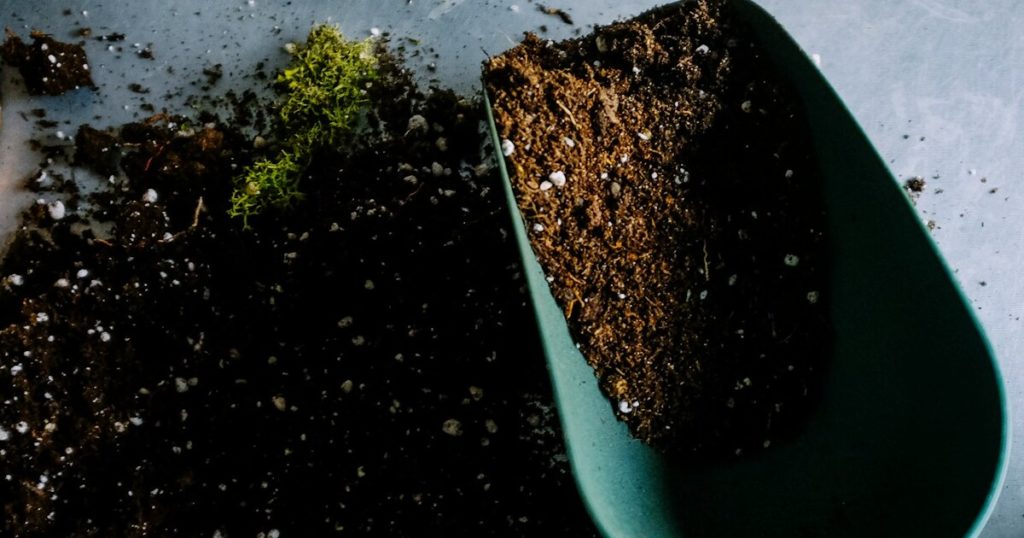
Rhubarb hates wet feet. Before planting, I dig in plenty of coarse sand or small gravel beneath a two‑inch compost layer to ensure excellent drainage. This mimics the plant’s native mountain slopes, where rainwater drains quickly through rocky soils.
Well‑drained beds also discourage root rot and give tunneling earthworms a chance to nest deeper without drowning. You’ll often find worm casts on the surface, a sign that the soil food web is thriving and improving fertility naturally over time!
Pick an Ideal Location

Rhubarb thrives in full sun but tolerates light afternoon shade in hot climates. I once planted mine in deep shade and ended up with a disappointing patch of floppy stalks! Choose a spot that receives at least six hours of sun daily, ideally on north or east‑facing slopes in warmer regions to protect against scorching.
Good light keeps leaves robust and flavorful, and a sunny position lets beneficial solitary bees nest in nearby hollow stems. Those bees return each spring to pollinate flowering ornamentals in your garden, creating an engaging cycle of garden life you’ll love to observe!