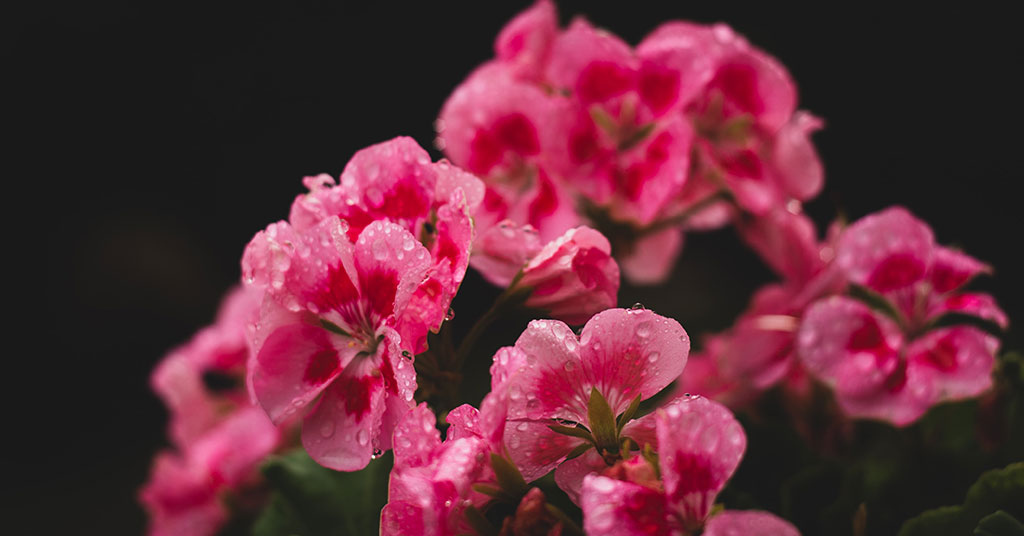

There’s nothing quite like the sight of vibrant geranium blooms punctuating a sunny windowsill or cascading from a hanging basket—those cheerful clusters always lift my spirits! As someone who’s coaxed countless Pelargonium cultivars into spectacular floral displays, I know how disheartening it can be when buds abort or leaves yellow before peak season. Geraniums, native to the Cape Provinces of South Africa, thrive when given the right balance of light, water, and nutrients, and they’re not generally invasive outside their native range—so you can go all-in on blooms without worrying about runaway weeds.
If you’ve ever wondered why your geraniums languish instead of flourish, you’re in good company. From selecting top-notch cuttings to mastering deadheading technique, these eleven tips will help you unlock lush foliage and nonstop flowering. Together, we’ll delve into soil mixtures that support nesting beneficial microbes, pruning routines that encourage branching, and even frost-protection strategies to keep your beauties blooming well into autumn. Let’s dive in and make those geraniums the star attraction of your garden!
Use a Well-Draining, Nutrient-Rich Mix

Geraniums despise waterlogged roots, so planting them in a light, airy medium is key. I blend equal parts peat-free compost, coconut coir, and perlite to ensure moisture retention without soggy conditions. This loose substrate also invites earthworms and beneficial microbes to nest and aerate the root zone—contributing to robust nutrient cycling and healthier plants!
Layering a thin base of grit or small gravel at the pot’s bottom further ensures that excess water drains freely. Over time, the decomposing organic components feed your geraniums while maintaining optimal porosity. You’ll notice how quickly new side shoots emerge when the roots aren’t battling compaction or rot!
Deadhead Spent Flowers Promptly
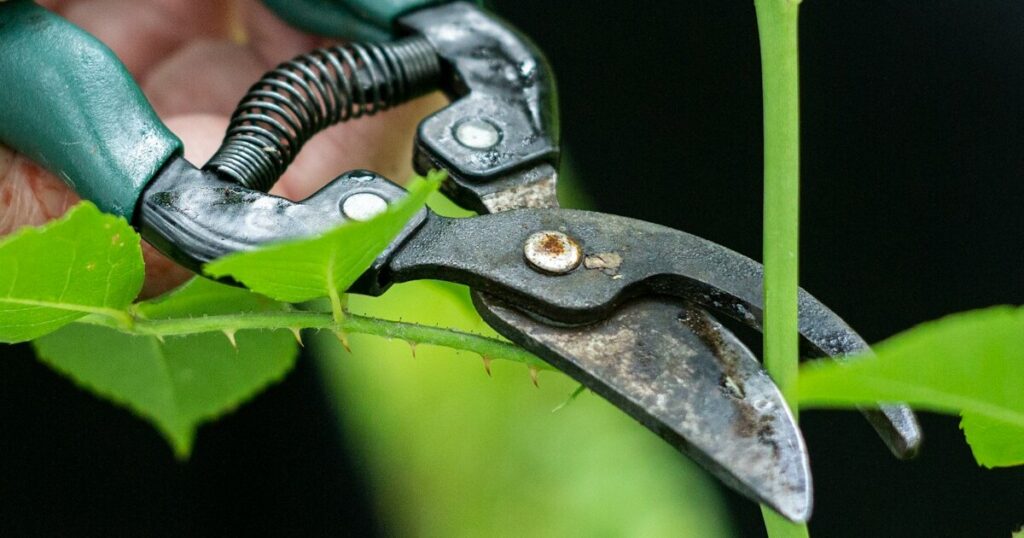
One of the simplest yet most impactful techniques is regularly removing faded blossoms. By snipping off the old flower heads just below the bract, you prevent the plant from setting seed and redirect energy toward new bud formation. I make a point to walk past my geraniums every few days—giving them a quick groom feels like a pep talk that keeps them eagerly producing!
Deadheading also opens space for air movement around the crowns, reducing humidity pockets where fungal spores might settle. That nesting of beneficial airborne microbes then helps fend off powdery mildew and botrytis—keeping foliage crisp and colorful.
Provide Full Sun Exposure

Geraniums evolved in regions with plenty of sunshine, so they perform best when they receive at least six hours of direct light daily. Position containers on south- or west-facing patios, or plant in garden beds with unobstructed sun access. I once rescued a leggy, sparse display simply by moving a window box a foot to the south—within days, it was bursting with tight clusters of blooms!
Sunlight also regulates flowering cycles: bright rays trigger the plant’s natural hormones to produce more floral buds. When light levels dip—like in deep shade—geraniums may fret, producing lush leaves but few flowers. Let the sun coax their best performance!
Pinch Back to Encourage Bushiness
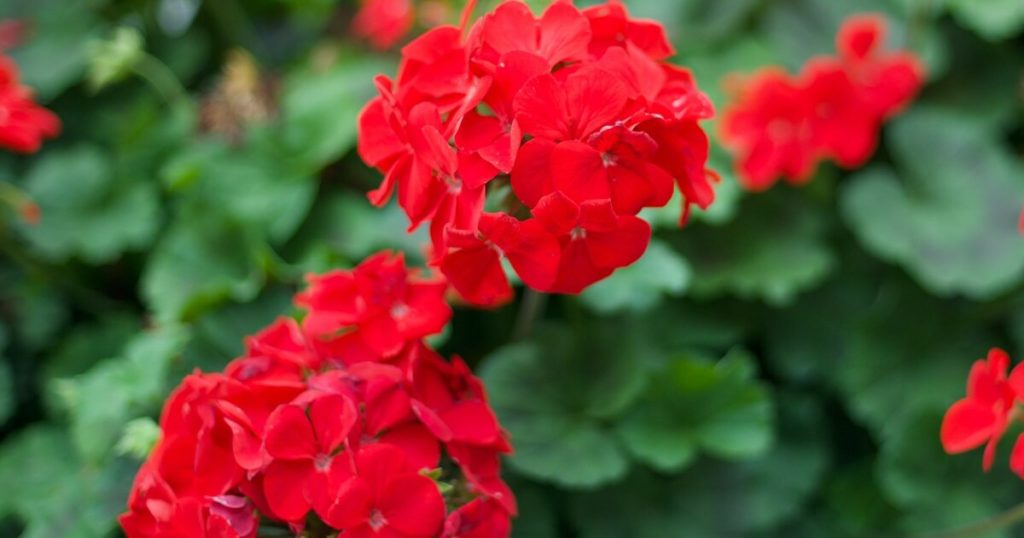
To avoid lanky, single-stemmed plants, pinch out the growing tips when your geraniums reach about 4–6 inches tall. This practice stimulates the plant to branch, resulting in a fuller habit and more flower-bearing stems. I still remember the explosion of color after I pinched the tips of a new succulent-geranium hybrid—what had been a sparse arrangement turned into a billowing bouquet!
These additional branch points also provide more crevices for tiny beneficial insects to nest, such as parasitic wasps that patrol aphid populations. A bushy plant is not only prettier but is also a hub of natural pest control!
Water Deeply but Infrequently
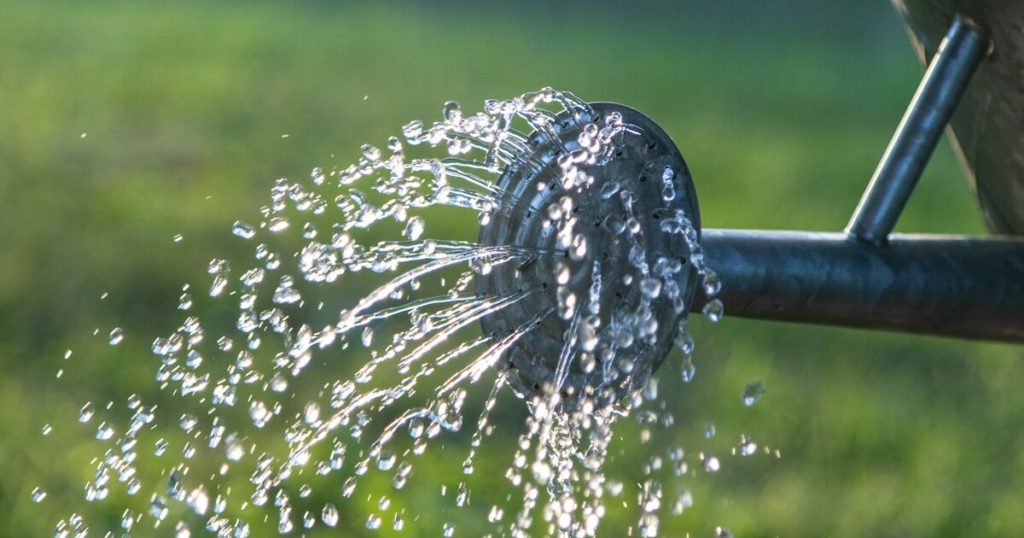
Overwatering is a common misstep—soggy soil invites root rot and fungal issues, while drought stress leads to drooping buds. Instead, water geraniums thoroughly when the top inch of soil feels dry, then allow them to breathe until the next watering cycle. A single deep soak encourages roots to delve downward in search of moisture, creating a sturdier support system!
Using a moisture meter or simply feeling the pot’s weight helps you gauge when hydration is needed. Mulching with fine gravel around the crown keeps soil temperature stable and reduces surface evaporation, so your watering routine stays balanced.
Feed with a Balanced, Bloom-Boosting Fertilizer

Rich, consistent feeding is essential for nonstop geranium flowering. I alternate between a seaweed-based tonic and a balanced 10-10-10 granular feed every four to six weeks during the growing season. The micronutrients in seaweed sprays attract beneficial soil organisms, enhancing root health and nutrient uptake!
Fertilizing also replenishes minerals that wash away with frequent watering. By sticking to a gentle, regular schedule, you avoid the lush foliage at the expense of blooms—a trap many gardeners fall into when they overapply nitrogen-rich formulas.
Monitor Pests and Invite Predators

Even the sturdiest geranium can fall prey to whiteflies, spider mites, or aphids. A weekly inspection of leaf undersides helps you spot early invasions. I spray a fine mist of insecticidal soap at the first sign of trouble and plant alyssum nearby to attract predatory hoverflies, which lay eggs that hatch into voracious aphid-eaters!
Those hoverfly larvae then nest in the shaded leaf litter around your geraniums, creating a localized defense squad. Encouraging biological control reduces the need for chemical interventions, keeping your blooms healthy and pollinator-friendly.
Rotate Containers to Prevent Soil Depletion
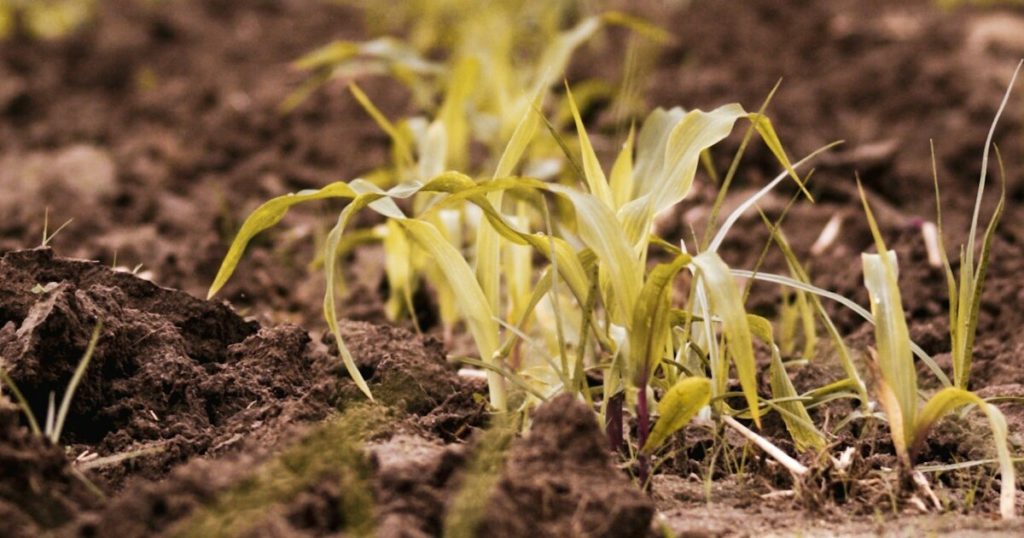
Plants in pots can exhaust soil nutrients quickly, leading to weaker blooms and stunted growth. Each season, I swap half of my geranium container mix with fresh compost and perlite—this rotation refreshes the medium and prevents the buildup of salts and pathogens.
By giving the soil a break, you also disturb the life cycle of any lurking pests. Garden inhabitants like beneficial springtails and predatory mites thrive in the renewed substrate, adding resilience to your geraniums without extra effort.
Protect from Extreme Temperatures

While geraniums love warmth, scorching afternoon heat can scorch leaves, and chilly nights can stunt bud set. I use light-reflective shade cloth during peak summer afternoons to diffuse intense sun and bring 5–10°F of relief. When cold snaps threaten, I tuck containers against south-facing walls or bring them indoors near a bright window!
These simple microclimate adjustments keep buds from dropping in response to stress. You’ll see more consistent flowering when your geraniums feel secure from temperature swings.
Practice Regular Pruning and Division

Every two or three years, geraniums benefit from a rejuvenation prune: cut back the woody stems by about one-third and repot into fresh soil. This refresh eliminates old, leggy growth and encourages a new flush of vigorous shoots. I’ve revived several heirloom geraniums this way, restoring their former glory in just a few weeks!
Division during repotting also lets you propagate new plants. Splitting a mature root ball yields two or three daughter clumps, each ready to nestle into its own pot or share with a friend. It’s a cost-free way to multiply your favorites!
Overwintering for Next Season

In frost-prone areas, geraniums must be protected over winter. I either bring potted plants indoors to a bright, cool room (around 50–60°F) or take healthy cuttings in late autumn to root in a moist, well-lit propagation tray. Those cuttings nest in damp coir and establish roots before I store them away!
Alternatively, you can prune back outdoor plants, wrap the pots in insulating material, and place them against a sheltered wall. Whichever method you choose, ensuring they avoid freezing temperatures means you’ll enjoy vibrant blooms again come spring.