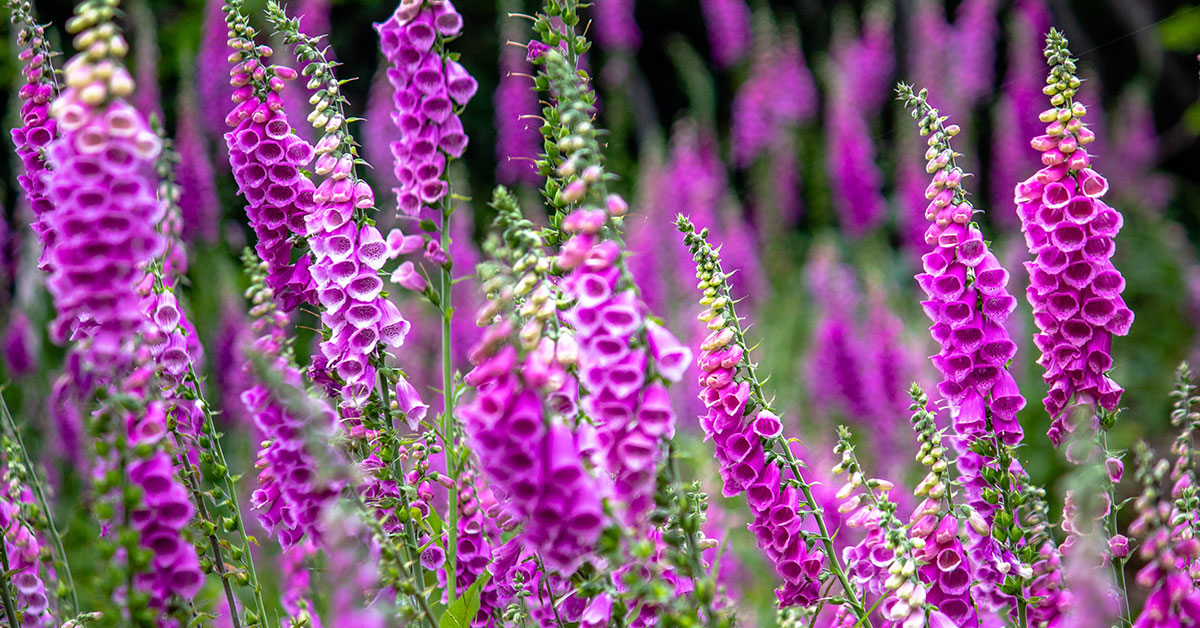

Foxgloves (Digitalis spp.) are the towering stars of cottage gardens, native to woodlands and meadows across Europe, western Asia, and northwestern Africa. Their spires of tubular blossoms—ranging from soft pastels to deep purples—provide a dramatic backdrop in garden borders. In some regions, such as parts of the Pacific Northwest, certain foxglove species can naturalize aggressively, so it’s important to manage self-seeding if you want tidy beds rather than wild groves.
I know how thrilling it is to spot your first foxglove bloom—those speckled throats seem to beckon bees and hummingbird moths into their depths! But I also empathize with the frustration when tall spikes flop over, seedlings crowd each other, or pests nibble holes in the leaves. Below are eleven tips—presented in a playful, randomized order—to help you cultivate lush, healthy foxglove stands that sparkle from late spring through early summer.
Deadhead Spent Blooms
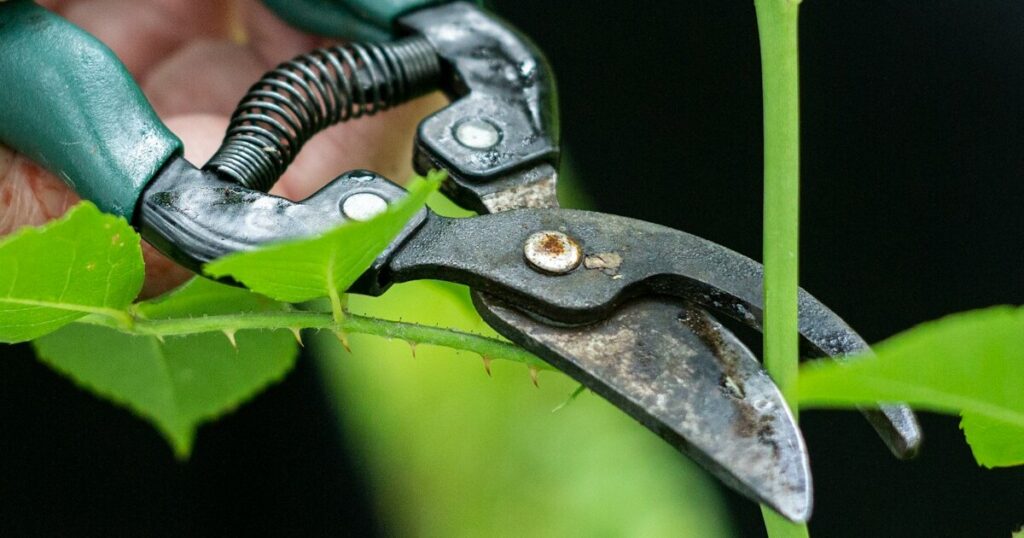
Removing faded flower spikes not only keeps your garden looking polished but also redirects the plant’s energy into root and foliage development. One of my favorite plants to deadhead, foxgloves reward this care with sturdier basal rosettes and the potential for a second, lighter flush of blooms!
Cut the spike just above a healthy leaf cluster once the last flowers fade. Be sure to wear gloves—foxgloves are toxic if ingested, and handling them with bare hands can cause skin irritation for sensitive gardeners. Removing spent blooms also curbs excessive self-seeding if you want to maintain control over your planting areas.
Prepare Rich, Well-Draining Soil

In the wild, foxgloves thrive in humus-rich woodland soils that drain well but stay consistently moist. Before planting, amend your bed with plenty of aged leaf mold or compost to mimic these conditions. I remember the first time I overhauled my clay soil—adding organic matter transformed floppy, yellowing rosettes into vigorous, upright plants bursting with blooms!
Ensure soil pH stays slightly acidic to neutral (6.0–7.0). Poorly drained soils lead to root rot and reduced flowering. If your site is especially heavy, consider growing foxgloves in raised beds to improve drainage and root health.
Provide Dappled to Bright Light

Foxgloves prefer morning sun and afternoon shade or dappled light beneath taller shrubs and trees—just like the woodland edges they call home. Planting them in deep shade results in leggy growth and few flowers, while scorching afternoon sun can scorch leaves.
I once tucked foxgloves into a sunny border only to find wilted spikes by midday—lesson learned! Evaluate your garden’s light patterns throughout the day, and choose a spot that receives gentle morning rays and filtered light thereafter to keep leaves lush and blooms plentiful.
Space Plants Properly
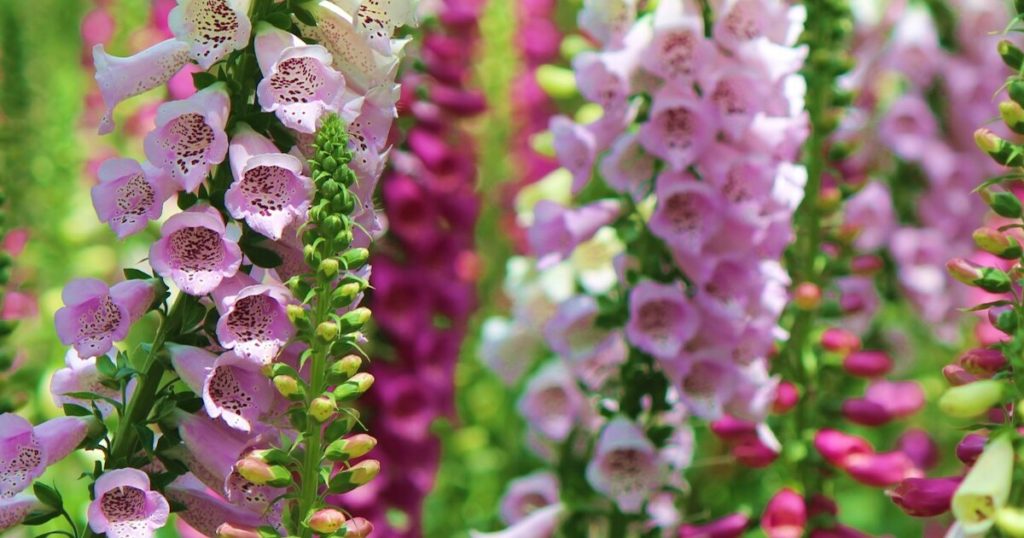
Crowding foxgloves closer than 12–18 inches invites mildew, reduces air circulation, and hides those charming basal rosettes under a tangle of foliage. Giving each plant room to breathe encourages healthier growth and makes it easier for bees to navigate between blooms.
Mark out your planting grid before you transplant seedlings or sow seeds. I’ve found that pacing out stakes keeps me honest—I used to cram plants too tightly until I began measuring precisely, and now my foxglove groves boast stronger stems and cleaner leaves!
Water Consistently, But Avoid Waterlogging

Foxgloves like evenly moist soil, especially during their first season when building those crucial root systems. However, standing water leads to crown rot and fungal diseases. In their native habitats, rain falls regularly but drains swiftly through leaf litter and humus layers.
Water deeply once or twice a week in dry spells, allowing the top inch of soil to dry slightly between waterings. Mulch (see next tip) helps maintain moisture, so you and your garden buddies—like hummingbird moths—won’t stress over drought!
Mulch to Retain Moisture and Suppress Weeds
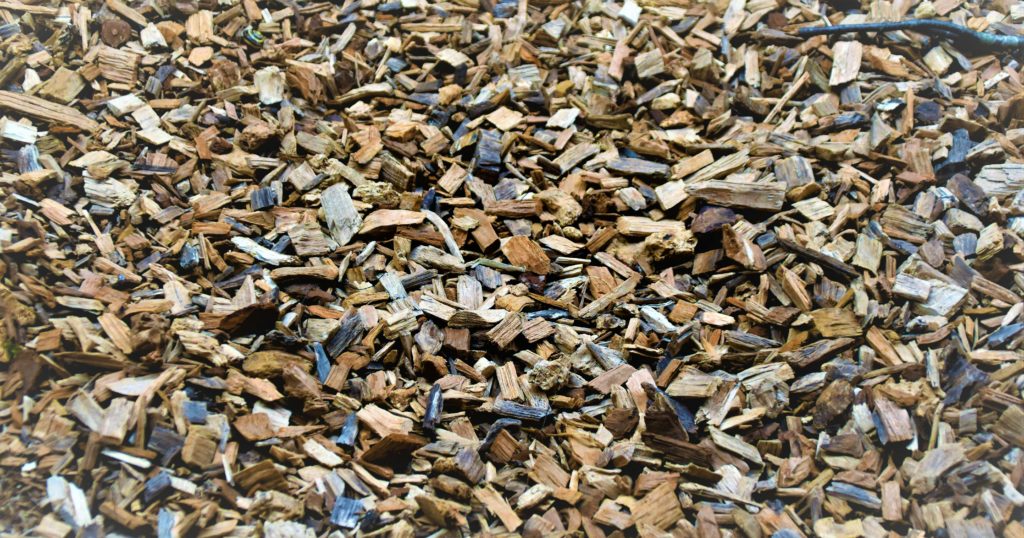
A 2–3 inch layer of organic mulch—shredded leaves, bark chips, or compost—keeps the root zone cool and moist, just as decaying forest litter does in nature. Mulch also hinders weeds that compete for nutrients and water, a real bummer when you’re aiming for graceful foxglove rosettes!
Keep mulch a few inches away from the crown to prevent moisture buildup against the stems. I love how mulch not only benefits foxgloves but also provides habitat for ground-nesting bees, who burrow beneath the surface and emerge to pollinate those speckled blooms.
Encourage Pollinators
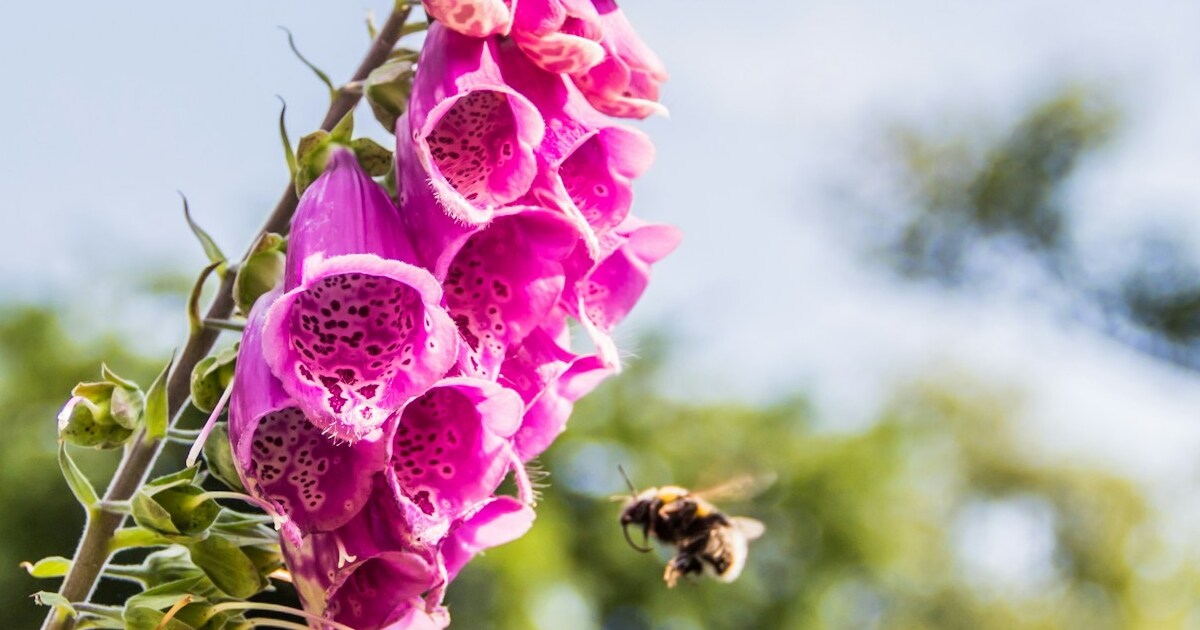
Foxglove blossoms are magnets for bumblebees, honeybees, and hummingbird moths, thanks to their shape and nectar rewards. In their native woodlands, these pollinators often nest in nearby soil banks or brush piles, making your garden a hub of buzzing activity!
To encourage more visits, plant companion pollinator flowers—like salvia, monarda, or lavender—near your foxgloves. A thriving pollinator population not only ensures abundant seed set (if you allow it) but also livens up your garden with delightful wildlife encounters.
Support Tall Flower Spikes
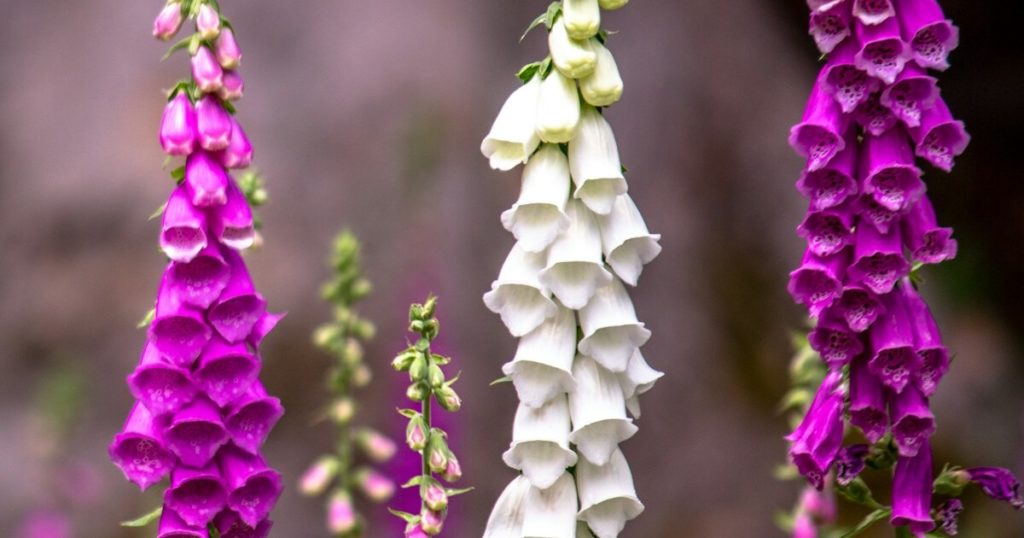
Some foxglove varieties can tower over four feet, and heavy rain or wind can send those spires crashing down. I once lost half my blooms in a sudden storm—what a heartbreaker! Prevent floppy spikes by inserting plant supports or bamboo stakes at planting time.
Tie stems softly with garden twine or reusable plant ties, leaving space for growth. Proper support keeps flowers upright for maximum display and easier deadheading, and it lets pollinators alight safely without braving a swaying perch.
Respect the Biennial Lifecycle
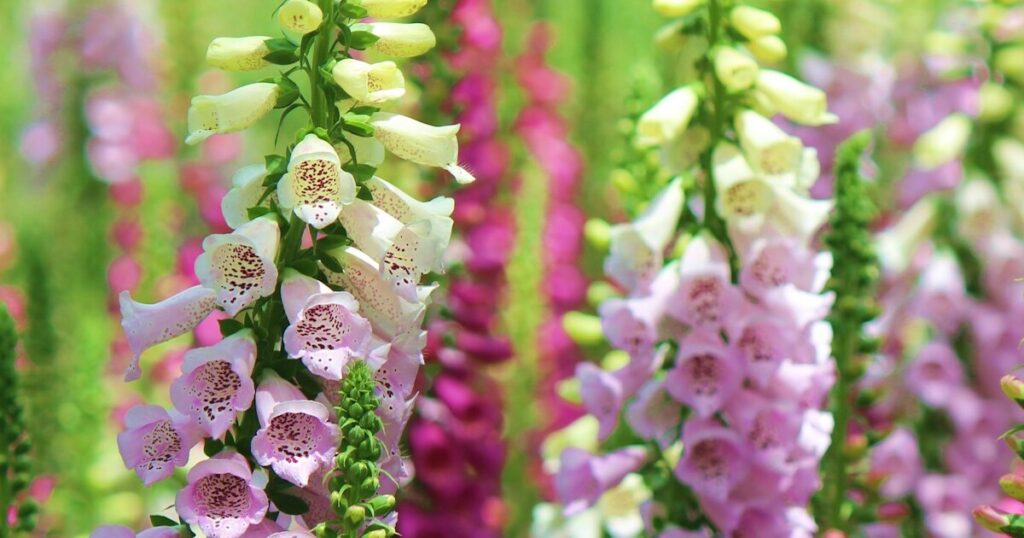
Most foxgloves are biennials: they form a rosette of leaves the first year, then flower and die in the second. If you expect blooms in year one, you’ll be disappointed! One trick I use is to sow seeds late in summer for a spring bloom two seasons ahead, interplanted with annuals to fill the gap.
After flowering, allow a few plants to set seed if you wish, then clear spent rosettes and reseed or replace with new transplants. Understanding this cycle helps maintain continuous color and prevents gaps in your border.
Fertilize Lightly After Flowering
Too much fertilizer in spring can encourage lush foliage at the expense of blooms. Instead, apply a balanced, slow-release fertilizer in early summer after flowering to replenish soil nutrients and support healthy root reserves for the next year’s rosette.
I made the mistake of feeding heavily before blooms emerged—my foxgloves grew tall but had only a handful of flowers! A light touch with fertilizer respects their woodland heritage and keeps blooms abundant without overstimulating leaf growth.
Sow Seeds for Continuous Groves
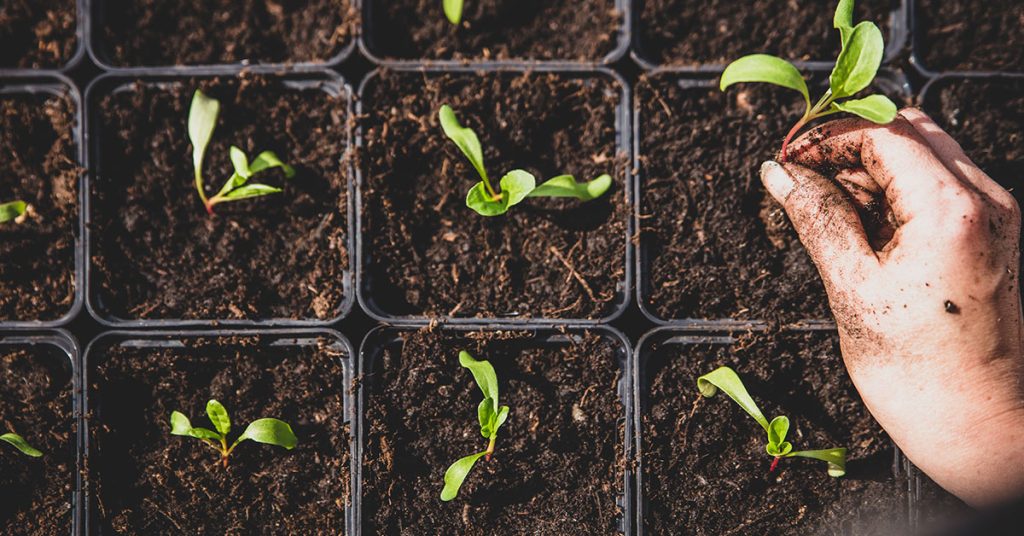
To sustain and expand your foxglove stand, collect ripe seed capsules in mid-summer. The tiny seeds resemble dust, so sow them thinly on the soil surface in late summer or early autumn. Lightly press them in—no covering needed—as they need light to germinate!
Keep soil moist and watch for seedlings the following spring. I love the anticipation of new foxglove patches popping up—randomizing seed sowing across beds creates natural-looking groves that feel as if they’ve been there forever!