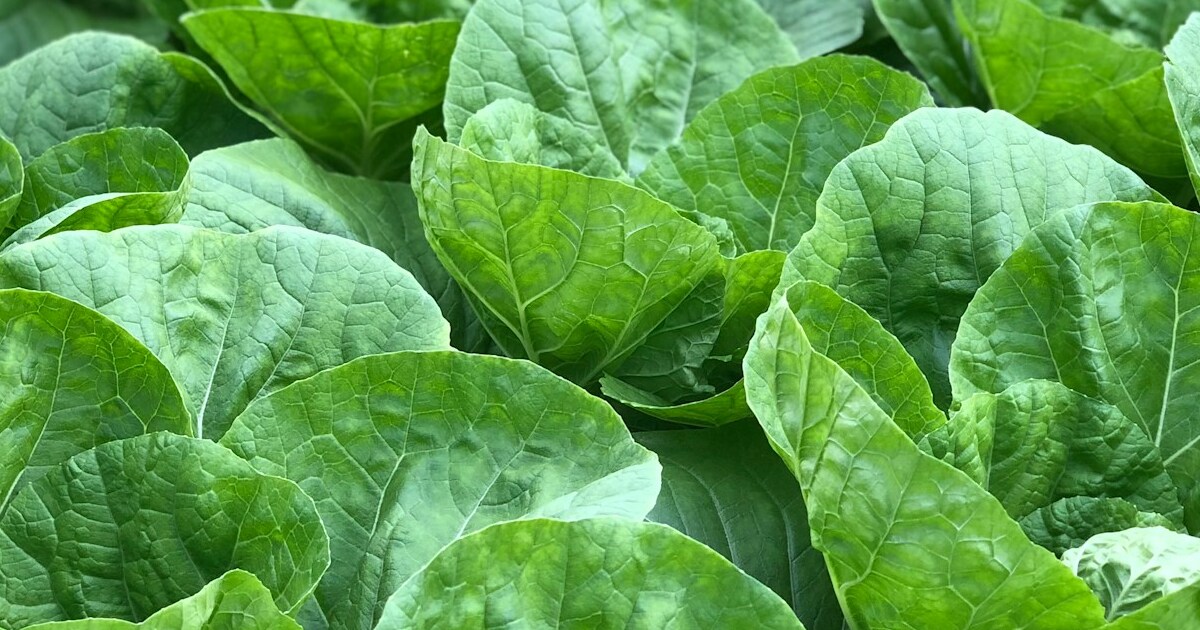

Springtime in my garden is all about crisp salad greens and hearty brassicas, so pairing lettuce with cabbage has been a game-changer! These two cool-season crops share similar soil and moisture needs, making them perfect bedmates. I still remember the thrill of harvesting tender butterhead leaves alongside firm, emerald-green cabbage heads in early summer—it felt like a harvest party every weekend!
But it’s such a bummer when your lettuce bolts in the heat or your cabbage falls prey to pests before you’ve even had a chance to sample those crunchy outer leaves. With a little planning—choosing the right varieties, timing your sowings, and keeping an eye on soil health—you’ll create a thriving duo that supports each other all season long. Let’s dive into eleven tips that will have your lettuce and cabbage flourishing side by side!
Rotate Crops Annually

Planting lettuce and cabbage in the same spot year after year invites soil-borne diseases like clubroot and downy mildew. These pathogens can build up in temperate soils and devastate Brassica crops. I learned this the hard way when my third consecutive summer cabbage harvest was nearly wiped out by wilting leaves!
To keep the soil healthy, rotate these crops with unrelated families such as legumes or alliums. Not only does this break disease cycles, but it also improves nutrient balance—beans fix nitrogen, benefiting future leafy greens. Mark your beds on a simple garden map so you never repeat the mistake!
Provide Consistent Moisture
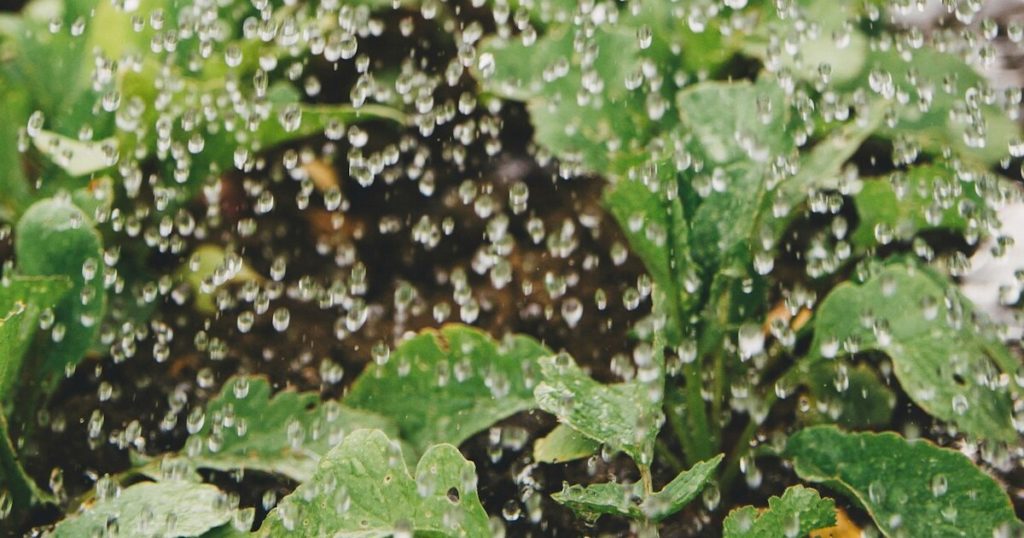
Both Lactuca sativa (native to the eastern Mediterranean) and Brassica oleracea (originating from coastal Europe) evolved in regions with steady seasonal rainfall. Mimicking that even moisture prevents lettuce from bolting and cabbage from splitting around the head. Erratic watering leads to bitter greens or cracked cabbages—yep, I’ve seen it happen!
Installing drip irrigation or soaker hoses under a layer of mulch keeps water at the roots where it belongs. Check soil moisture daily in warm weather and aim to keep the top two inches slightly damp. Your plants will reward you with tender leaves and solid heads rather than stress-driven failures!
Thin Seedlings Properly
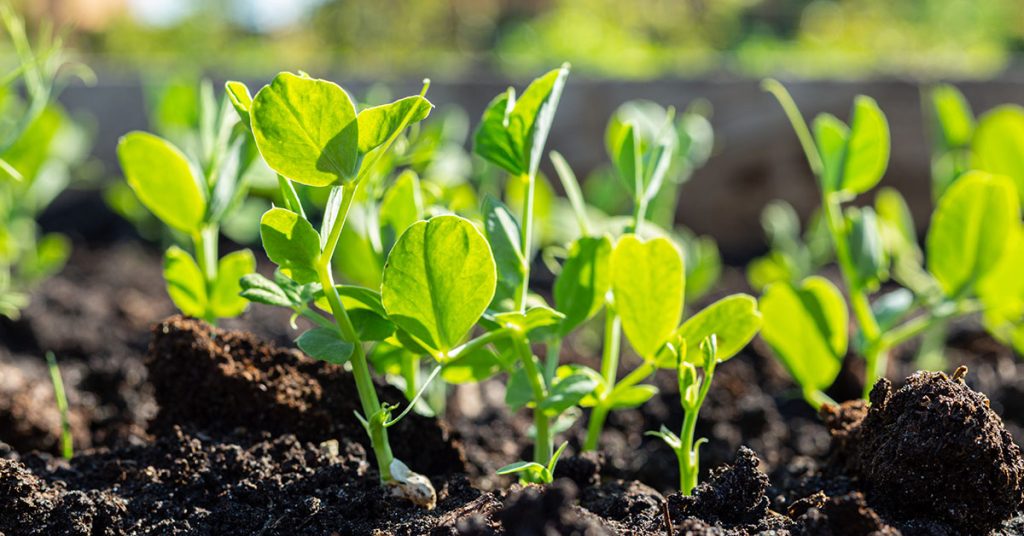
Crowding seedlings can stunt both crops, leading to small leaves and underdeveloped cabbage hearts. When seedlings reach two inches tall, thin lettuce to 6–8 inches apart and cabbage to 12–18 inches. I once skipped thinning in a rush and ended up with a tangle of spindly plants—lesson learned!
Snip excess seedlings at the soil line rather than pulling, which avoids disturbing nearby roots. Those removed baby lettuces can even join your salad bowl! Proper spacing gives roots and foliage room to expand, resulting in lush outer leaves and robust cabbage heads.
Select Compatible Varieties
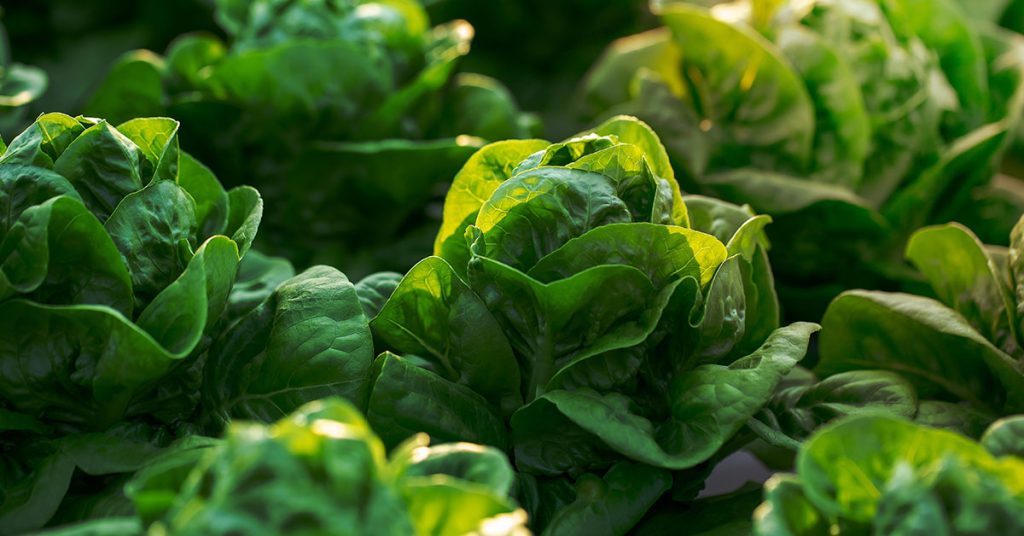
Not all lettuce and cabbage thrive under identical conditions. Choose heat-tolerant, slow-bolting lettuce such as ‘Jericho’ alongside fast-maturing cabbage like ‘Golden Acre.’ This pairing lets you harvest tender greens before cabbage heads fully form, and both crops finish around the same time. I once paired a slow-maturing romaine with late cabbage and ended up with bolted lettuce before a single head!
Research your USDA hardiness zone and look for varieties bred for overlapping maturity windows. That way, your lettuce never lapses into bitterness, and your cabbage doesn’t outstay its welcome. Variety selection makes companion planting smoother and more satisfying!
Succession Sowing For Continuous Harvest
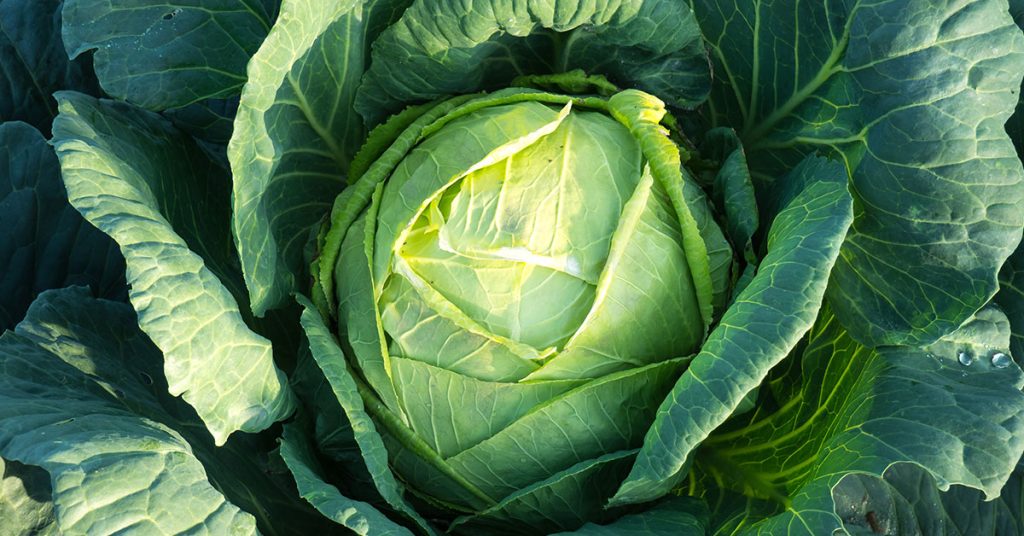
To avoid empty patches, sow lettuce every two weeks and transplant cabbage in spring and again for a fall crop. Continuous lettuce sowing yields baby greens while cabbage matures, filling space efficiently. I love grabbing tender lettuce leaves from between cabbage rows while waiting for the next round of heads!
Succession planting also spreads risk—if one sowing succumbs to cool-season pests, others will thrive. You’ll enjoy uninterrupted salad harvests alongside steady cabbage growth from spring through autumn!
Use Row Covers For Early Protection
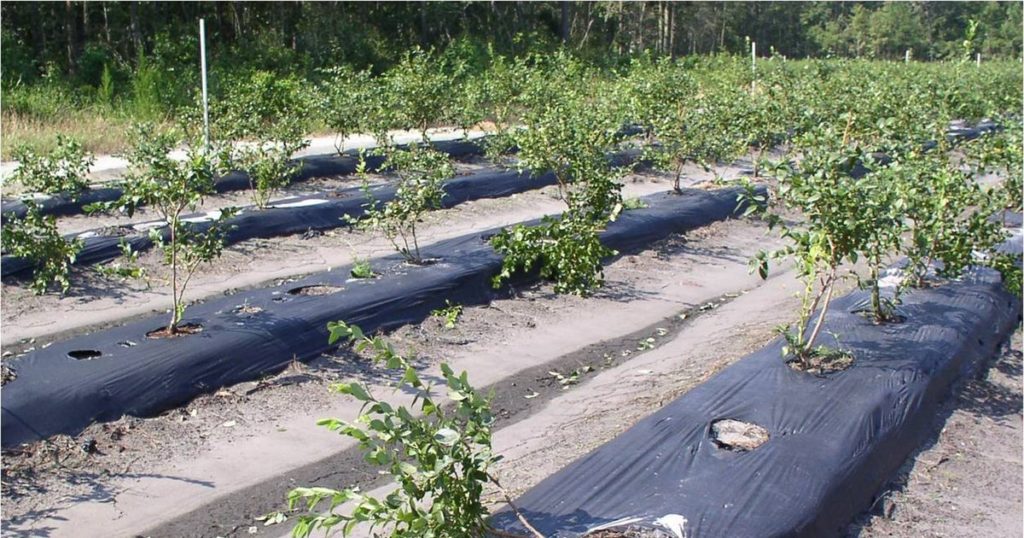
Young lettuce and cabbage seedlings can fall victim to flea beetles, slugs, or cabbage loopers. Floating row covers act as a physical barrier, keeping pests off tender leaves without resorting to chemicals. I still recall the relief of lifting row covers to find spotless seedlings underneath!
Just remember to remove covers once cabbage begins to form heads so pollinators like native bees can visit flowering companions you’ve interplanted—such as alyssum—to attract beneficial insects. Balancing protection with pollination access ensures strong, healthy plants.
Employ Light Fertilization
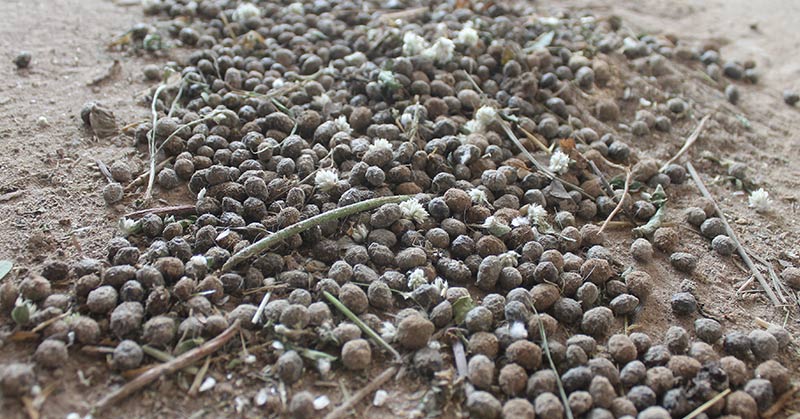
Both crops appreciate nutrient-rich soil, but overdoing nitrogen favors leafy lettuce at the expense of dense cabbage heads or encourages floppy growth prone to disease. A balanced, organic fertilizer applied once at planting, followed by a light side-dress of compost tea mid-season, keeps nutrients in check. One season I went overboard with manure tea—my lettuce grew wild, and my cabbage stalled!
Aim for a soil test before planting and apply amendments to reach a pH of 6.0–7.0. Lettuce and cabbage share this preference, so you can correct acidity with lime or sulfur simultaneously. Gentle feeding fuels growth without pushing plants into overdrive.
Implement Strategic Spacing
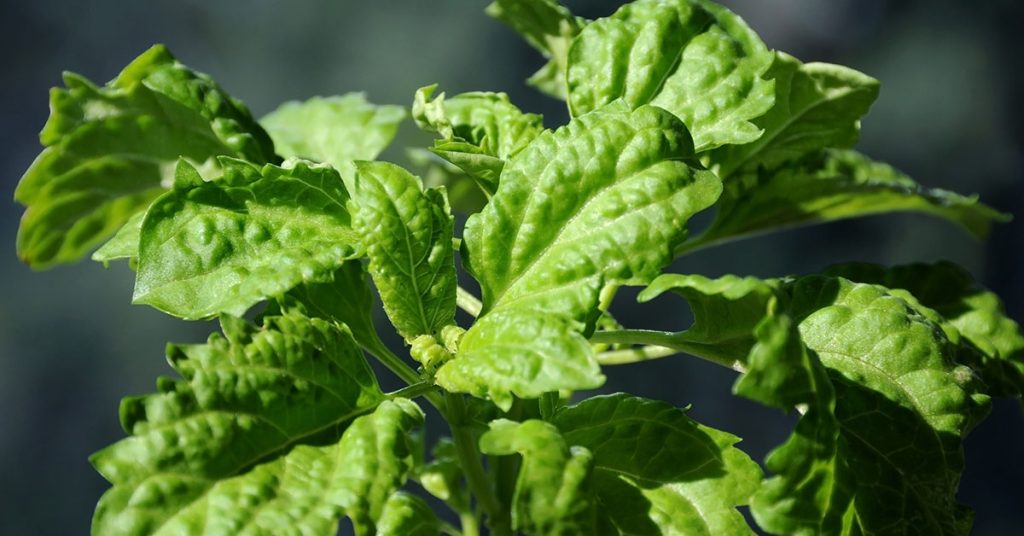
Cabbage’s broad leaves create partial shade that can actually benefit lettuce during warmer days by reducing heat stress. Position cabbage heads on the west side of rows so they cast afternoon shade over sun-sensitive lettuce. I laughed seeing my lettuce perk up under that leafy canopy—it was like mini shade tents!
Conversely, avoid tucking lettuce under massive cabbage too early—young lettuce still needs full sun to develop flavors. Thoughtful row orientation and spacing let both crops share light optimally, boosting yields and keeping leaves tender.
Mulch To Suppress Weeds And Retain Moisture

A two-inch layer of straw, shredded leaves, or grass clippings around your plants reduces weed competition and stabilizes soil temperature. Weeds can harbor pests like aphids that target both lettuce and cabbage, and I used to spend hours hand-weeding before discovering mulch’s magic!
Beyond eliminating weeds, mulch slows evaporation—crucial for consistent moisture. As it breaks down, it also enriches soil structure, encouraging beneficial earthworms to aerate the bed and nest around roots. Healthy soil habitat means healthier plants and fewer surprises!
Encourage Beneficial Insects
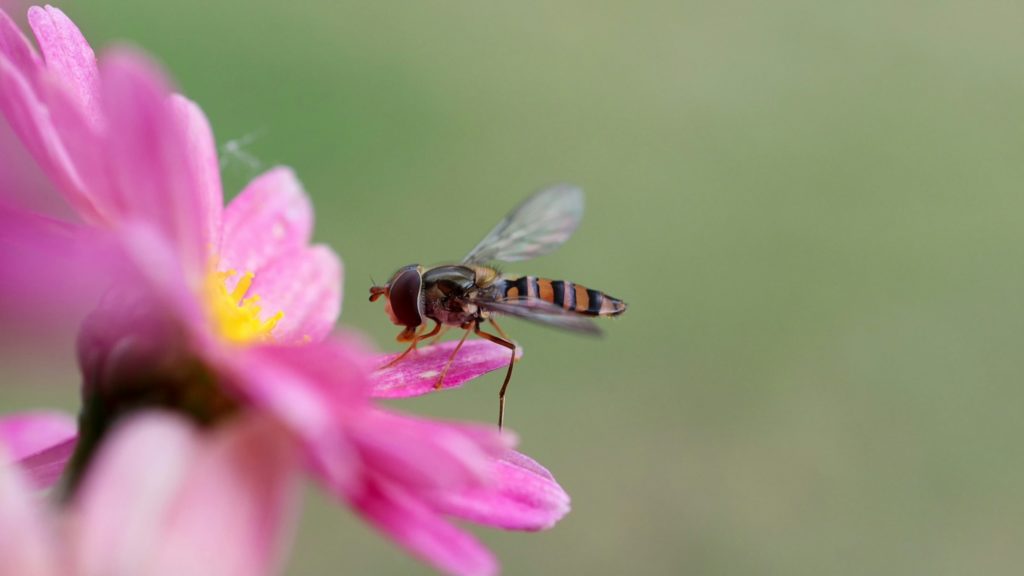
Planting flowers like calendula, borage, or dill around your beds draws in hoverflies, lacewings, and parasitic wasps—nature’s pest patrol. These allies prey on aphids and caterpillars that love cabbage leaves and lettuce crowns. One summer I spotted a lacewing egg cluster on my dill—those larvae gobbled up more pests than I could count!
Chickens and hens might nestle under the benches if you’re integrating poultry, but for the garden’s sake, keep a careful boundary so they don’t scratch out young plants. Beneficial insect habitat and ground-nesting bee shelters complement each other, creating a balanced ecosystem that protects both lettuce and cabbage.