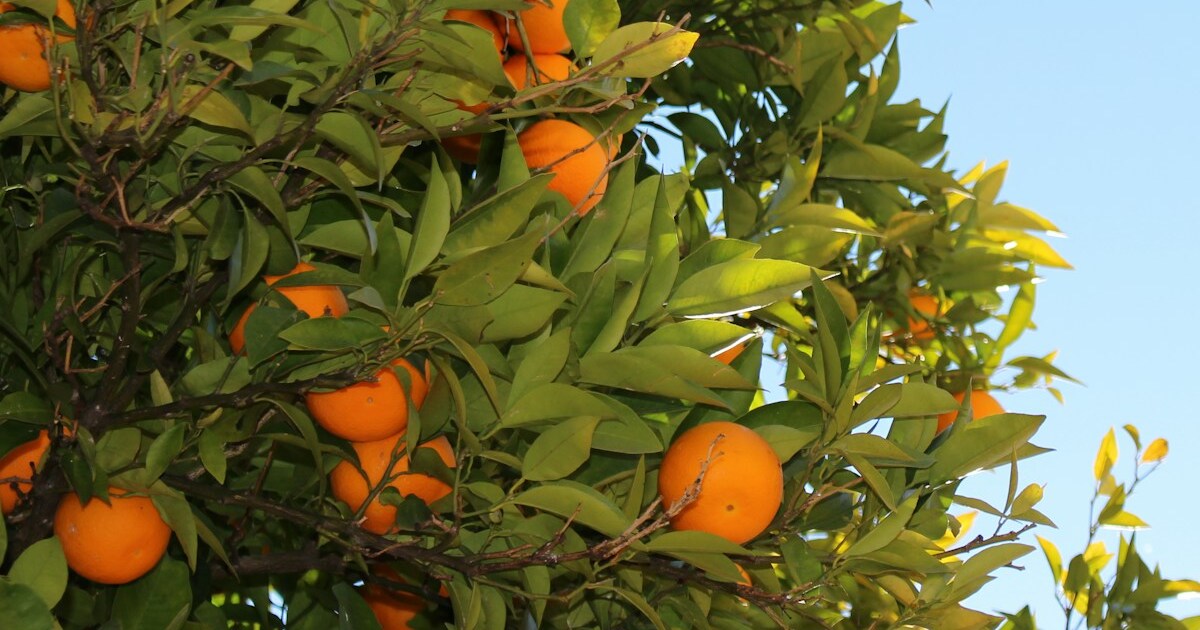

Bringing citrus harmony to your garden—planting lemons and oranges side by side—can feel like orchestrating a sweet symphony of flavors and fragrances. I know how exciting it is to dream of plucking sun-kissed fruit off branches that dance together in the breeze! Yet, it’s also daunting: different citrus have subtle needs, and it’s such a bummer when soil issues or pests throw a wrench in your plans.
Take heart, fellow citrus enthusiast: with a few strategic steps, you can nurture both lemons and oranges to thrive in the same bed or container. From selecting compatible varieties to shielding tender blossoms from frost, these eleven in-depth tips will guide you through every twist and turn of growing a mixed citrus haven!
Encourage Pollinators and Beneficial Insects

Citrus trees rely on pollinators like honeybees and native mason bees to transform delicate blossoms into juicy fruit. Planting companion flowers—such as calendula or borage—near your lemon and orange trees creates a buzzing corridor that supports nesting solitary bees and attracts hoverflies, which prey on aphids. I always smile when I spot a bumblebee crawling into a lemon blossom—it’s like a mini-celebration of teamwork!
Beyond flowers, leave small patches of bare, undisturbed soil for ground-nesting bees and add a shallow dish of water with pebbles for thirsty pollinators. This ecological approach reflects the citrus trees’ origins in regions like Southeast Asia and the Mediterranean, where diverse insect communities flourish. Neither lemons nor oranges are considered invasive, so you’re fostering local biodiversity without unwanted spread.
Protect From Frost and Cold

Citrus can handle mild chills, but overnight freezes spell trouble, especially for lemons native to subtropical climates of India and oranges hailing from China’s warm woodlands. Frost-damaged foliage and split fruit are heartbreaking, so be ready to drape frost cloth or use string lights to gently warm branches when temperatures dip below 32°F. I still remember the relief of nursing my oranges through a surprise January frost with nothing but an old blanket and some fairy lights!
For container-grown trees, simply wheel them to a sheltered spot—against a sunny wall or inside a garage window—to buffer wind chill. These measures mimic the gentle microclimates citrus enjoy in their native ranges and prevent cold stress that can invite disease. Since neither tree aggressively escapes cultivation here, you’re free to tinker with protective strategies without ecological worry.
Choose Compatible Varieties
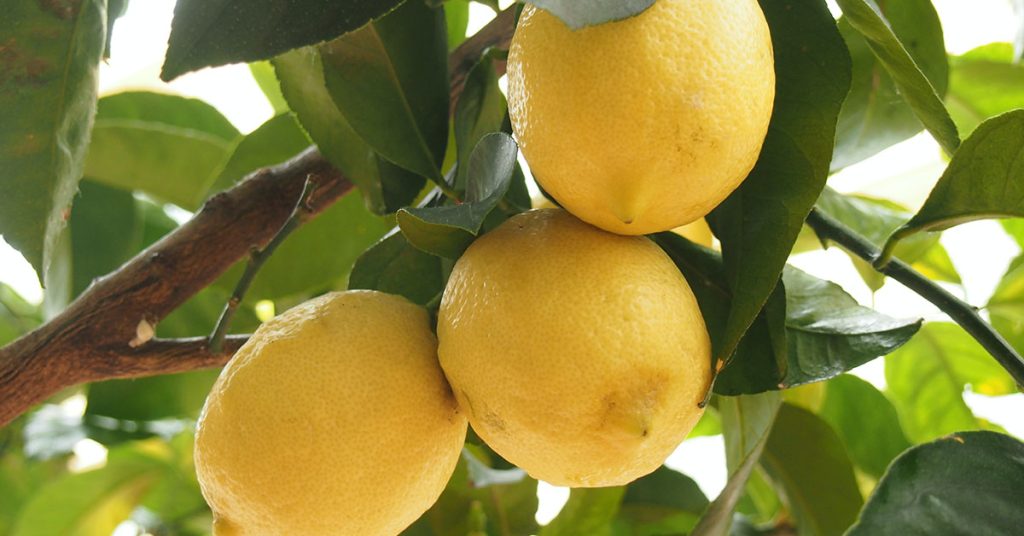
Not all lemons and oranges play nicely together—some citrus varieties demand more chill hours or different nutrient levels. Opt for cultivars with similar cold tolerance and growth habits: for example, ‘Meyer’ lemons and ‘Valencia’ oranges both thrive in USDA zones 9–11. One of my favorite pairings is the sweet Cara Cara orange alongside the zesty Bearss lemon—they bloom in sync, making pollination a breeze!
Researching rootstock compatibility is equally important: graft your citrus onto a disease-resistant, dwarfing rootstock to harmonize vigor and size. By matching trees with common needs, you avoid over- or under-watering scenarios and reduce susceptibility to root rot. Plus, neither of these popular varieties is invasive, so you get cooperative growers, not garden rebels.
Provide Well‑Draining Soil
Citrus hate “wet feet”—standing water around roots invites fungal pathogens and root diseases. Whether you’re planting in-ground or in pots, mix sandy loam with generous amounts of organic compost and grit to replicate the loose, rocky soils of the citrus belt. I once revamped a heavy clay bed with coarse sand, and within weeks my lemon tree’s wilted leaves perked right up!
Amending soil not only improves drainage but also fosters beneficial microbes and earthworms that aerate the root zone. These helpers—native to most garden soils—break down organic matter and release nutrients, feeding your citrus and preventing invasive weeds from taking hold. A well-structured soil is the cornerstone of a vigorous lemon-and-orange partnership.
Prune for Air Circulation and Sunlight

Thick foliage can lead to hidden corners where pests hide and fungal spores incubate, especially in humid climates. Prune out inward‑facing branches and thin crowded areas to maintain an open canopy that lets sunlight and breeze dance through every leaf. It’s always rewarding to see new, elegantly spaced shoots after a careful prune—it feels like revealing a sunlit stage beneath the greenery!
Pruning also encourages balanced growth: trimming heavy orange-laden branches helps needy lemons receive more sunlight. By mimicking natural windswept forms common in native citrus groves, you bolster disease resistance and improve fruit quality. Just be sure to sterilize your shears to prevent spreading pathogens between cuts.
Maintain Proper Spacing Between Trees
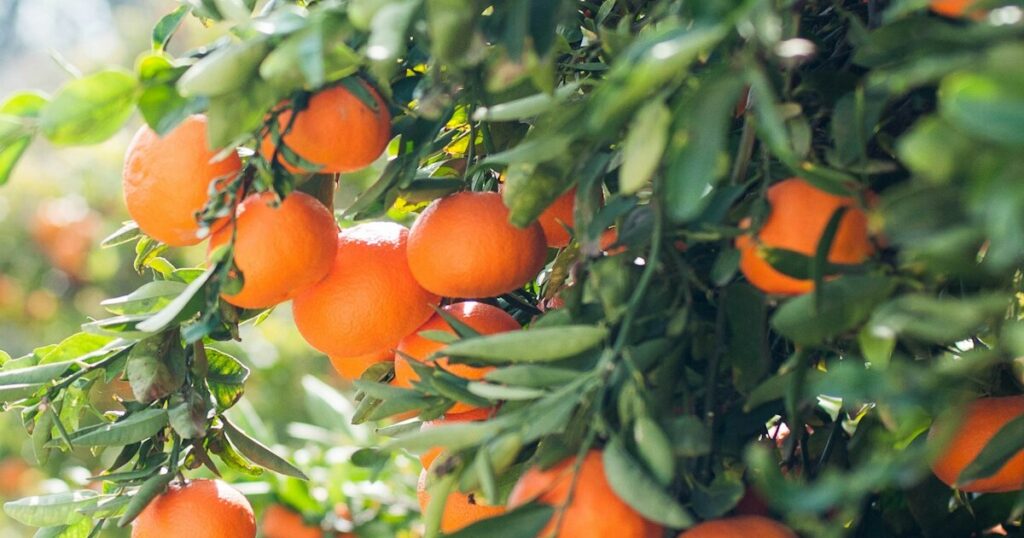
Crowding lemon and orange trees too closely can spark competition for water, nutrients, and sunlight. Ideally, place each tree 8 to 12 feet apart (or two or three feet from the container edge) to give roots room to stretch and canopies space to unfurl. I felt such satisfaction stepping back after placing my trees at perfect intervals—it’s like setting up two dancers for a grand performance!
Proper spacing also reduces humidity pockets, keeping leaves dry and pests less likely to gain a foothold. Neither citrus tends to be invasive here, but they do send out feeder roots that intertwine if too close. Thoughtful layout ensures both trees stay robust and yield abundant fruit for seasons to come.
Regular Deep Watering
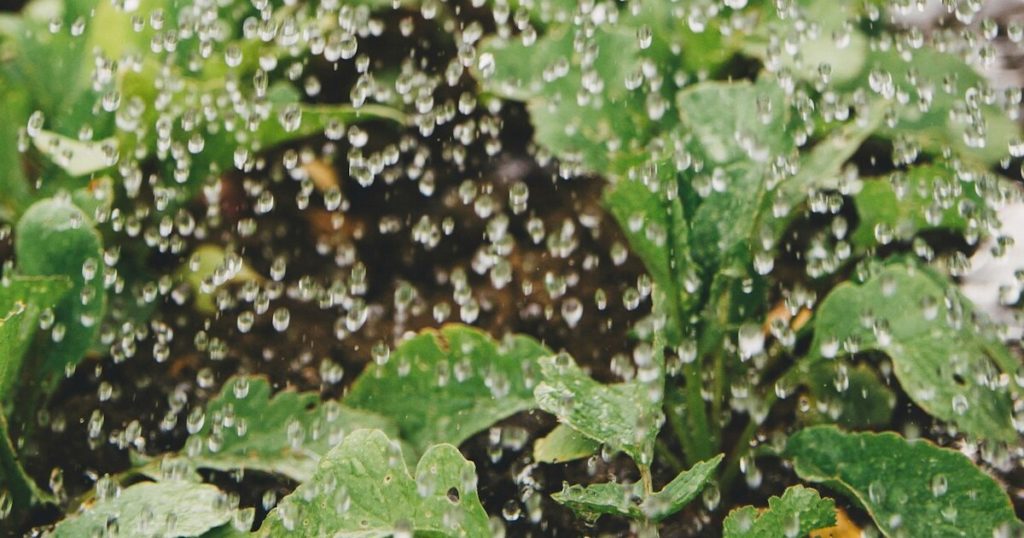
While lemons and oranges appreciate occasional drought—as they do in their native subtropical homes—they crave deep, infrequent watering when establishing or fruiting. Instead of light daily sprinkles, water slowly until moisture penetrates 12–18 inches deep. Using a soaker hose around the drip line ensures thorough hydration and encourages roots to grow downward, anchoring your trees against wind and drought.
Observe the soil; when the top two inches feel dry, it’s time to water again. Overhead sprinkling risks foliage disease and doesn’t satisfy thirsty roots. This method mirrors desert-edge rainfall patterns, giving your citrus a cycle of wet and dry that keeps both lemons and oranges plump with flavor.
Mulch to Retain Moisture and Suppress Weeds
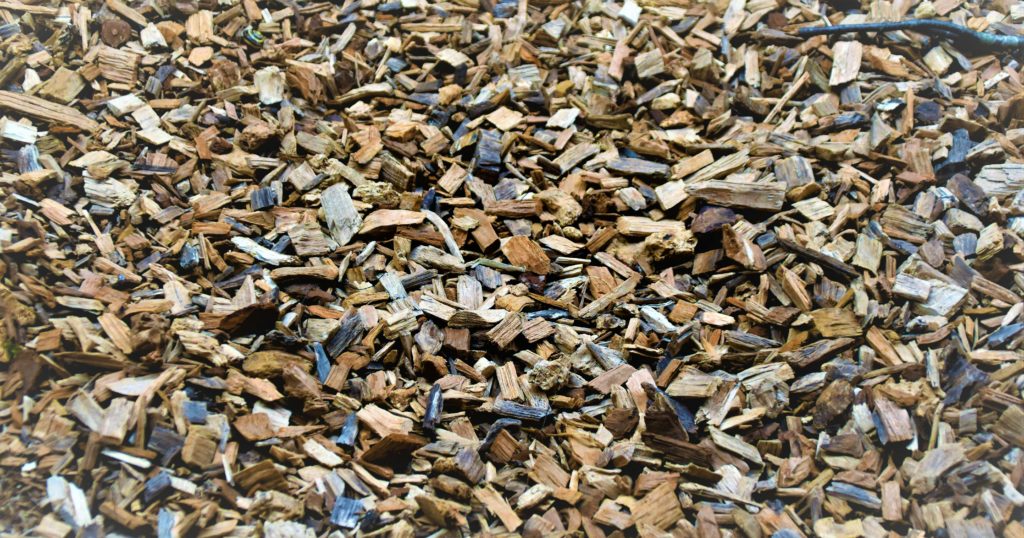
A two‑inch layer of organic mulch—wood chips, straw, or shredded leaves—around the base of your trees conserves moisture, regulates soil temperature, and keeps weed competition at bay. Spread it several inches from the trunk to prevent bark rot. I can’t tell you how many times mulch saved my oranges during sudden heatwaves by keeping roots blissfully cool!
Mulch also feeds soil life, fostering the beneficial fungi and bacteria native to citrus groves. As it breaks down, nutrients are released slowly, supporting fruit development without the risk of leaching. And because most mulches are locally sourced, they won’t introduce invasive hitchhikers to your garden.
Balanced Fertilization Schedule

Citrus trees are heavy feeders, particularly when setting fruit. Use a specialized citrus fertilizer or a balanced N-P-K formula (for example, 6-6-6) applied three times a year—in early spring, after the initial bloom, and mid-summer. Feeding at these intervals mimics the nutrient pulses citrus experience in seasonal monsoon climates of their native lands.
Monitor leaf color and growth rate: pale leaves suggest nitrogen deficiency, while poor flowering can hint at low phosphorus. Adjust your feeding accordingly, and flush the soil with clean water after each application to avoid salt buildup. Proper fertilization ensures both lemon and orange trees pack heaps of vitamin C punch in every harvest!
Monitor and Manage Pests Promptly

Citrus trees attract pests like aphids, scale insects, and the dreaded citrus leaf miner. Inspect leaves regularly—especially the undersides—and treat early signs with insecticidal soap or horticultural oil. It’s heartbreaking to see sap-sucking scale blacken foliage, but swift action brings relief, and you’ll soon spot ladybugs swooping in for a feast!
Promoting beneficial predators—lacewings, parasitic wasps, and predatory mites—creates a natural defense line. These allies find nesting spots in nearby ground cover or companion plants, so resist the urge to sterilize your entire garden. By fostering a balanced ecosystem, you protect your citrus without risking invasive species or chemical runoff.