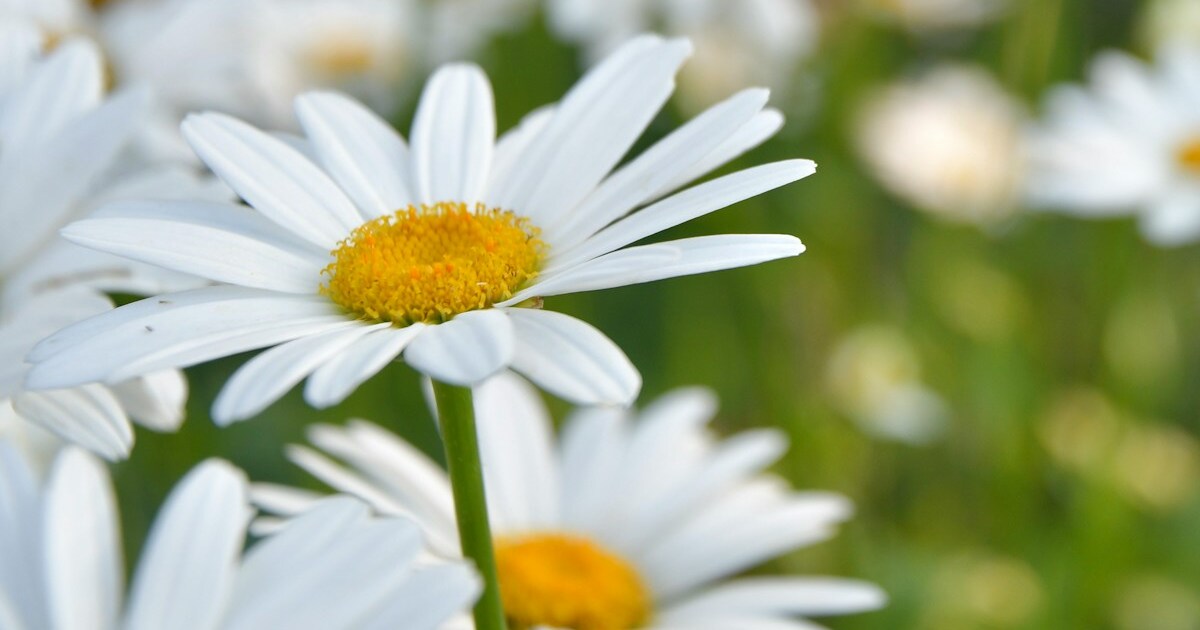

There’s something utterly magical about a sweeping field of Shasta daisies (Leucanthemum × superbum), those gleaming white blossoms with sunny yellow centers dancing on sturdy stems. Native to Europe but long naturalized in North America, Shastas aren’t considered invasive if managed responsibly—and their bold blooms attract a cavalcade of pollinators, from honeybees to hoverflies, that often nest in nearby hollow stems and ground cavities. Yet even these tough perennials can sulk without the right care, leaving you with sparse patches instead of that postcard-perfect sea of white.
I know how frustrating it is to plan a dazzling display only to see leggy growth, flopping stems, or invasion by weeds. Whether you’re starting from seed or dividing an existing clump, these eleven tips—drawn from my own field trials and happy accidents—will guide you toward a lush, pollinator-friendly meadow that bursts into bloom year after year!
Select the Right Cultivar for Your Region
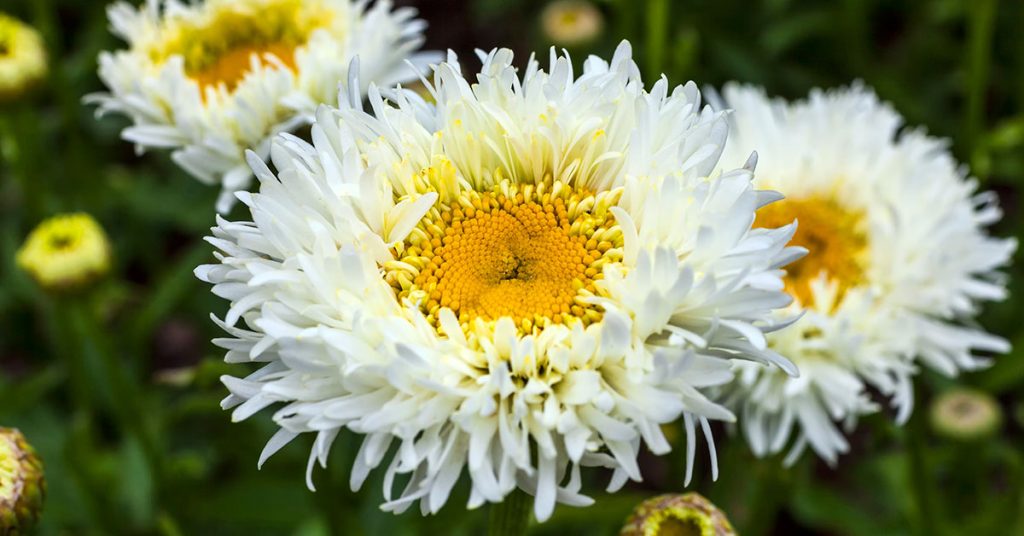
Not all Shasta daisies are created equal—some cultivars, like ‘Becky’ and ‘Alaska’, handle heat better, while others, such as ‘Crazy Daisy’, thrive in cooler zones. Planting the wrong type can lead to early wilting or poor flowering, leaving gaps in your daisy field.
Before you buy, check hardiness ratings and choose varieties known for vigor and disease resistance. Starting with healthy, regionally recommended cultivars sets the stage for uniform blooms and ensures local bees and butterflies find a dependable nectar source each season!
Prepare Rich, Well-Draining Soil

Shasta daisies don’t tolerate soggy feet—waterlogged roots quickly rot, resulting in yellowed foliage and stem collapse. I once planted in heavy clay and watched my daisies fade within weeks!
Amend your field with compost or well-rotted manure to improve structure, then mix in coarse sand or fine gravel in problem spots. This blend retains enough moisture for steady growth while allowing excess water to drain, promoting strong root systems that anchor stems firmly against wind.
Provide Full Sun Exposure

These bright blooms demand at least six to eight hours of direct sunlight. In too much shade, stems elongate, petals thin out, and plants become susceptible to fungal issues like powdery mildew. I perfectly placed my first patch under a tree’s dappled shade—only to regret it when flowers never fully opened!
Choose the sunniest swath of your property, and watch as daisies send up robust stems topped with abundant blossoms. Sunlit flowers also warm quickly, becoming buzzing landing pads for solitary bees and beetles that may nest in bare soil between clumps.
Space Plants for Maximum Impact

Crowding may seem efficient, but it often leads to competition for nutrients and poor air circulation—ideal conditions for rot and mildew. Conversely, too much distance leaves patchy coverage and fewer clustered blooms. I discovered this after planting in neat rows with wide gaps, which looked more like daisies on parade than a cohesive field!
Aim for about 12–18 inches between plants, depending on cultivar size, to allow foliage to knit together above ground. This spacing creates that seamless, wave-like effect, while roots remain unimpeded, supporting abundant, long-lasting flowers.
Water Deeply and Consistently
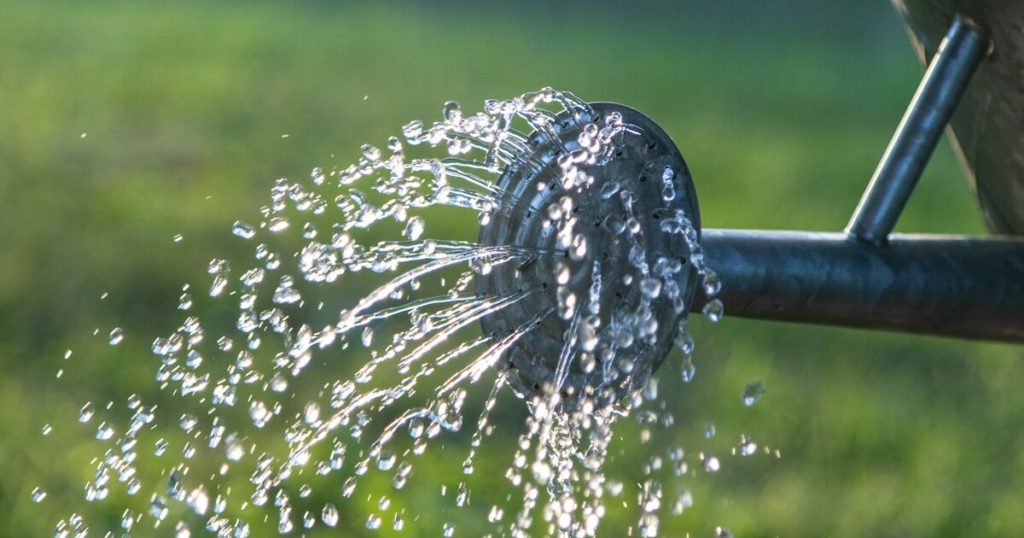
While established Shasta daisies tolerate brief droughts, irregular shallow watering leads to stressed plants that flower poorly. I once watered daily with a light spray—only to find roots scrambling for moisture near the surface and stems wilting by afternoon!
Switch to a deep soak once or twice a week, letting water penetrate six inches down. This encourages roots to delve deeper, improving resilience during hot spells and reducing the temptation for slugs and snails that lurk in constantly damp topsoil.
Feed with Balanced Fertilizer

Excess nitrogen can deliver lush foliage but few blooms, while a lack of phosphorus and potassium means weak stems and sparse flower sets. I learned my lesson after feeding heavily with high-nitrogen blend—my daisies grew tall but barely flowered!
Use a balanced 10-10-10 or bloom-focused fertilizer in early spring and again at first bud. Proper nutrition fuels both stem strength and bloom production, resulting in heavy heads of white daisies that attract nesting butterflies and ladybugs.
Mulch to Suppress Weeds and Conserve Moisture
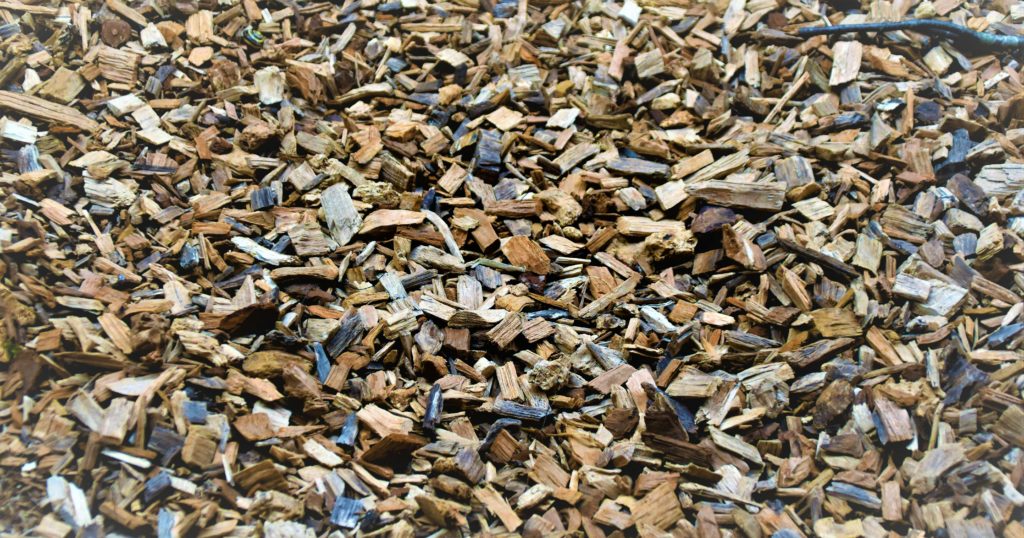
A two-inch layer of shredded bark or straw keeps competing weeds at bay and retains soil moisture without smothering roots. I once left bare soil between my daisies, spending countless hours removing creeping chickweed that stole nutrients!
Mulch also moderates soil temperature, protecting roots from summer heat and early-season frost heave. As it breaks down, it feeds earthworms and beneficial microbes that aerate and enrich the soil, creating a living foundation for your daisy field.
Deadhead Spent Blooms Regularly
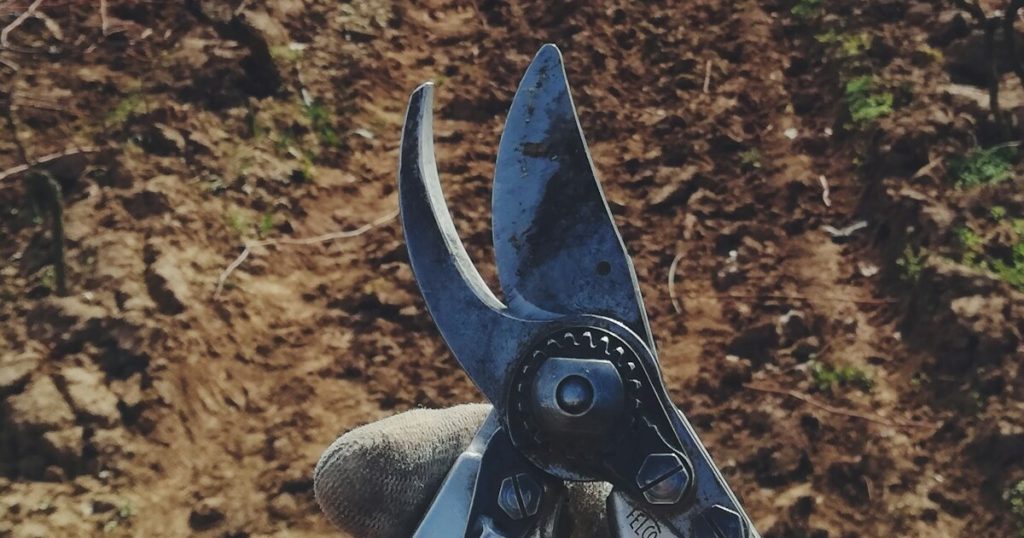
Removing faded flowers isn’t just about tidiness—it encourages Shastas to set new buds rather than diverting energy into seed production. It’s always such a thrill to see fresh blooms emerge after a quick deadheading session!
Aim to prune off spent heads every week during peak bloom. This practice extends flowering by several weeks, giving you a sustained backdrop of white that keeps pollinators like hoverflies and native bees returning day after day.
Divide Clumps Every Two to Three Years
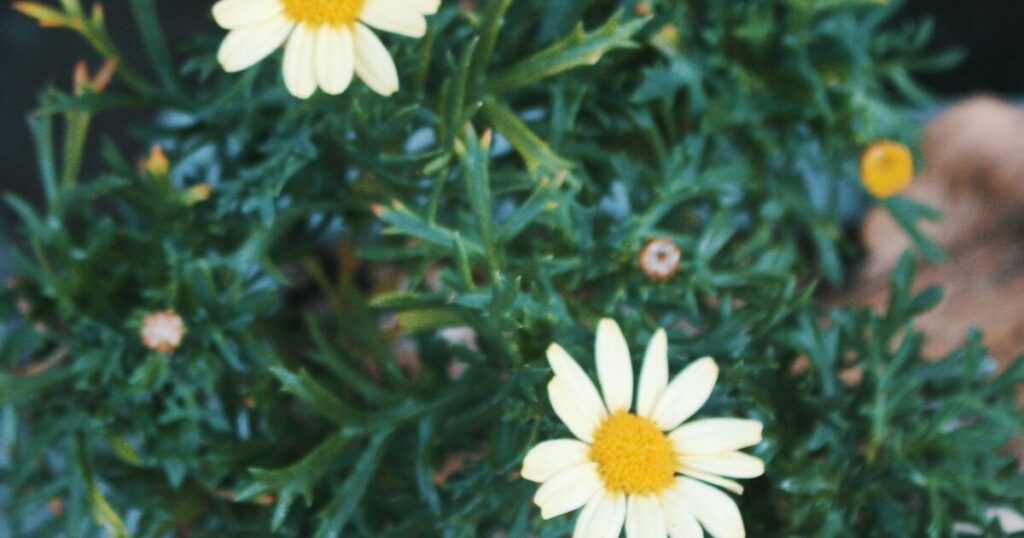
Over time, Shasta daisy clumps can become overcrowded, leading to fewer and smaller blooms in the center. I once overlooked division for four years and ended up with hollowed-out patches that looked bare and neglected!
In early spring or fall, lift clumps with a garden fork, split into healthy sections, and replant. This rejuvenation boosts bloom density, prevents disease buildup, and provides fresh starts for new areas of your field without sourcing additional plants.
Monitor and Manage Pests and Diseases
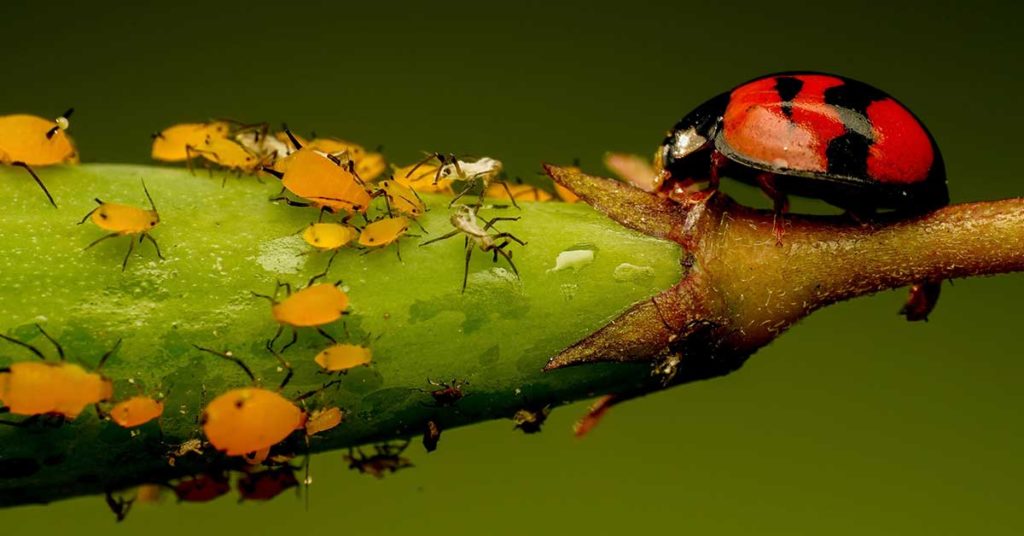
Asters can fall prey to aphids, slugs, and powdery mildew in humid conditions. Ignoring the first telltale white film on leaves or sticky residue from sap-suckers means your field can quickly lose its luster!
Inspect plants weekly, remove affected foliage, and encourage beneficial predators by planting companion blooms like yarrow or dill that host ladybugs and lacewings. A balanced ecosystem keeps your daisies focused on putting on a show, not battling pests.
Incorporate Companion Plants for Biodiversity

Mixing in native grasses, black-eyed Susans, or purple coneflowers adds textural contrast and extends nectar availability, attracting a wider array of nesting birds and long-tongued bees. I planted prairie dropseed between my daisies, creating graceful seedheads that sway while blooms sparkle!
Companions also break up disease cycles—spreading out related species reduces the risk of host-specific pathogens sweeping through your field. This layered planting strategy transforms a single-species patch into a dynamic, wildlife-supporting meadow.